8 Supplements That May Support Healthy Blood Pressure in Women in Their 40s: A Simple Guide to Heart Health
Best supplements blood pressure women 40s: Magnesium 300-400mg, Forever Arctic Sea omega-3, hibiscus 7 mmHg reduction. Test vitamin D. Lifestyle first.
by WellnessWithForeve
3/31/202634 min read
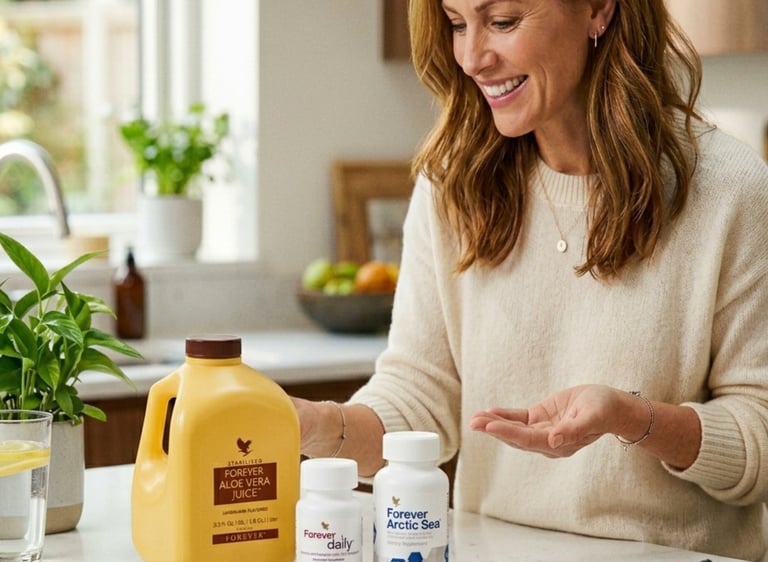
8 Supplements That May Support Healthy Blood Pressure in Women in Their 40s: A Simple Guide to Heart Health
By WellnessWithForever 31 March 2026: This post might contain affiliate links.
Are you a woman in your 40s who has noticed your blood pressure numbers going up at doctor visits—and you're wondering if taking certain vitamins or supplements could help, on top of the usual advice to "eat less salt and move more"? Are you feeling confused by all the different information out there about which supplements actually work for blood pressure and which ones are just clever marketing? Are you trying to figure out why your blood pressure seems to be changing in your 40s when it was totally fine just a few years ago—and whether that's related to your hormones, your habits, or something more serious?
High blood pressure—which doctors call hypertension and define as a reading of 130/80 or higher—is one of the biggest hidden health risks for women in their 40s. When women are younger, the hormone estrogen actually helps protect the heart and blood vessels. Estrogen keeps blood vessels relaxed and open, helps control the hormones that raise blood pressure, and keeps artery walls stretchy and flexible. But once women reach their early-to-mid 40s, their bodies start going through a transition called perimenopause—where estrogen levels begin to drop. When estrogen goes down, all of those protections start to fade. The result is that blood pressure can start to rise in ways that catch many women completely off guard.
Research on heart disease tells us that around 90% of heart attack risk comes from things we can actually change—like having high cholesterol or high blood sugar, high blood pressure, smoking, being inactive, eating too much processed food, carrying extra weight especially around the belly, living with constant stress, and not getting enough sleep. The good news is that most heart disease is preventable if these things are addressed.
The best way to protect blood pressure is through healthy habits—what you eat, how much you move, how well you sleep, and how you handle stress. Eating a diet full of vegetables, fruits, whole grains, beans, nuts, olive oil, and fish is one of the most powerful things you can do. Studies show this style of eating can lower blood pressure by 8–11 points—which is as much as some blood pressure medications. Regular exercise, maintaining a healthy weight, and managing stress through things like meditation or yoga all add up to huge benefits. These habits account for about 75–85% of the blood pressure improvement that is possible without medication.
On top of those healthy habits, certain supplements have real scientific evidence behind them for helping blood pressure. But there is a big difference between supplements that have been properly studied and those that are just marketed with impressive-sounding health claims. The supplement world is full of products that promise to support your heart but are sold at inadequate doses, rely on weak evidence, or are simply capitalising on health worries without the research to back them up.
This straightforward, evidence-based guide covers 8 supplements with the strongest research behind them for blood pressure in women in their 40s, explains in plain language why blood pressure changes during this time of life, describes what studies actually show about how well each supplement works and at what dose, explains important safety information including how supplements can interact with medications, gives you realistic expectations for what supplements can and cannot do, shows you how Forever Living products fit into a smart blood pressure support plan, and explains how to combine supplements with the healthy habits that do the heavy lifting.
Important Medical Warning: High blood pressure is a serious medical condition that needs to be diagnosed and managed by a doctor. If your blood pressure is consistently at 160/100 or higher, or if you have a headache, blurry vision, chest pain, or shortness of breath alongside a high reading, go see a doctor right away—these can be signs of a medical emergency. Supplements are meant to support your health alongside good habits—they are NOT a replacement for blood pressure medications when your doctor says you need them. Some supplements can interact with medications in ways that cause problems (for example, omega-3s with blood thinners, or berberine with certain prescription drugs). If you are already taking medications or have been diagnosed with high blood pressure, talk to your doctor before starting any supplement. This guide is for education only and is not medical advice.
Key Takeaways
Magnesium glycinate has the STRONGEST evidence for women in their 40s: it naturally helps blood vessels relax, helps your body make the molecule that keeps blood vessels open, and helps buffer the effects of stress—300–400mg daily is the most important supplement to start with for this group, since 50–70% of adults don't get enough magnesium
Omega-3 fatty acids (EPA and DHA) show STRONG evidence: they lower blood fats called triglycerides by 20–40%, reduce blood pressure by a few points, make arteries more flexible, and calm inflammation—Forever Arctic Sea is a quality source of EPA and DHA plus heart-healthy omega-9
Hibiscus tea and extract shows MODERATE-GOOD evidence: the natural compounds in hibiscus work in a similar way to a popular class of blood pressure medications, and studies show it can lower the top blood pressure number by about 7 points
CoQ10 (in the ubiquinol form, which works better for people over 40) shows MODERATE evidence: it protects blood vessels and helps lower blood pressure by 3–5 points—especially important for women taking cholesterol-lowering statin medications, which reduce CoQ10 levels in the body
Vitamin D correction if you are deficient shows EMERGING evidence: low vitamin D activates hormones that raise blood pressure—get tested first, and if you're low, bring your levels up to the target range of 40–60 ng/mL—there's no benefit to taking vitamin D if your levels are already fine
L-citrulline shows MODERATE evidence: it helps your body make more of the molecule that keeps blood vessels open and flexible—which is especially helpful in your 40s because declining estrogen reduces this molecule naturally
Berberine shows EMERGING evidence: it helps with the blood sugar and insulin problems that drive up blood pressure in many women during this time of life—but it has significant interactions with many medications, so medical supervision is essential
Getting enough potassium from food is one of the most powerful dietary strategies for blood pressure—it's not just about eating less salt, it's about eating more potassium-rich foods like spinach, sweet potatoes, beans, and avocado
Healthy lifestyle habits—eating well, moving your body, managing stress, getting good sleep, and keeping a healthy weight—account for 75–85% of the blood pressure improvements you can make without medication. Supplements are a helpful addition but they cannot replace these habits
Supplements support medical treatment but never replace blood pressure medications when your doctor says you need them
Quality matters: choose products where the label clearly tells you exactly how much of each ingredient is in each serving, at doses that match what studies have actually tested—Forever Living products are a good example of this transparency
Watch out for "proprietary blends" on supplement labels—these hide how much of each ingredient is actually in the product, making it impossible to know if the doses are effective
Understanding Why Blood Pressure Changes in Your 40s
The Hormonal Shift That Changes Everything
Blood pressure is the force your blood puts on the walls of your arteries as your heart pumps it around your body. It is measured in millimetres of mercury (mmHg) and written as two numbers—for example, 120/80. The top number (systolic) is the pressure when your heart beats. The bottom number (diastolic) is the pressure between beats. Normal blood pressure is below 120/80. Elevated blood pressure is between 120–129 on top with less than 80 on the bottom. Stage 1 high blood pressure is 130–139 on top or 80–89 on the bottom. Stage 2 is 140 or higher on top or 90 or higher on the bottom. A reading above 180/120 is a medical emergency. Even Stage 1 high blood pressure, if left untreated, significantly raises your long-term risk of stroke, heart attack, heart failure, kidney disease, and memory problems.
For most of their lives, women have lower blood pressure rates than men of the same age. This is mainly because of estrogen—a hormone that acts like a built-in heart protector. Estrogen tells your blood vessels to make a tiny molecule called nitric oxide (NO), which makes blood vessels relax and widen. It blocks a powerful blood-vessel-squeezing signal called endothelin-1. It also turns down a hormonal system in the body (called the RAAS) that, when turned up too high, causes the body to hold onto too much salt and squeeze blood vessels tighter—both of which raise blood pressure. When estrogen starts to decline during perimenopause (the transition years leading up to menopause, which often begins in the early-to-mid 40s), all of these protections start to weaken at the same time. Blood pressure can start to rise quickly, and many women don't see it coming.
The nervous system gets more reactive. When estrogen drops, the part of the nervous system that creates the "fight or flight" response (called the sympathetic nervous system) gets more active. This means the heart beats faster and blood vessels tighten more easily—even in response to everyday stress. Many women in their 40s notice they feel more stressed out by things that used to feel manageable—and part of that is genuinely happening in the nervous system, not just in their head.
Arteries get stiffer. Estrogen helps keep artery walls soft and stretchy. As estrogen goes down, artery walls gradually become stiffer, which pushes the top blood pressure number upward. Stiff arteries are a health risk on their own, separate from blood pressure.
Belly fat changes blood pressure chemistry. Many women in their 40s notice fat shifting toward their belly, even if their total weight hasn't changed much. This belly fat—called visceral fat—is not just sitting there quietly. It actively releases chemicals that trigger the RAAS hormonal system, promote insulin resistance (where the body doesn't respond well to the blood sugar hormone insulin), and raise blood pressure. This fat redistribution is directly connected to falling estrogen levels.
Poor sleep makes it worse. Hot flashes, night sweats, and waking through the night—common perimenopausal experiences—disrupt sleep. Your body normally lowers blood pressure during sleep, like a nightly reset. When sleep is broken up night after night, that reset doesn't happen properly, and blood pressure stays higher around the clock.
Why Supplements Can Be Especially Useful During This Time
Understanding exactly what is happening in the body during perimenopause helps explain why certain supplements are particularly well suited to this stage of life. The supplements with the best evidence for blood pressure in women in their 40s are not chosen randomly—they are ones that specifically address the mechanisms that perimenopause disrupts. Magnesium, L-citrulline, and CoQ10 help restore nitric oxide production and blood vessel flexibility. Omega-3 fatty acids and hibiscus help with arterial stiffness and inflammation. Vitamin D and berberine target hormonal and metabolic factors that become more problematic when estrogen declines. Magnesium also helps with sleep quality and stress—two of the biggest blood pressure contributors during this decade.
Many women in their 40s find themselves in a grey zone—blood pressure drifting upward but not high enough for their doctor to prescribe medication yet. This is actually the best time to act. Making real changes now—through lifestyle and targeted supplements—can stop the upward trend before it becomes established high blood pressure that needs lifelong medication.
The 8 Supplements with the Strongest Evidence for Blood Pressure in Women in Their 40s
1. Magnesium Glycinate: The Most Important Supplement to Start With
Magnesium is probably the single most important supplement for women in their 40s who want to support healthy blood pressure—and it also happens to be the mineral that most people don't get enough of. Studies show that about 50–70% of adults don't consume enough magnesium from food. Women going through perimenopause are especially likely to be low on magnesium, and the effects on blood pressure are real and well-studied.
How it helps blood pressure: Magnesium works like a natural version of a class of blood pressure medications called calcium channel blockers. Here's the simple version: calcium makes blood vessel walls tighten and squeeze—magnesium tells them to relax and open up. Blood pressure medications called calcium channel blockers (like amlodipine) work by doing exactly this with drugs. Magnesium does a version of the same thing naturally. Magnesium also helps the body properly balance sodium and potassium inside cells—when magnesium is too low, sodium builds up inside cells and potassium leaks out, which pushes blood pressure higher. It supports the production of nitric oxide, the molecule that keeps blood vessels open and relaxed—which is especially important since estrogen normally helps make nitric oxide, and estrogen is declining during perimenopause. It also turns down the RAAS hormonal system that squeezes blood vessels and causes the body to hold onto too much salt.
Why it's especially important in your 40s: Magnesium helps buffer the body's response to stress—when you're low on magnesium, stress hormones like cortisol spike higher. And stress depletes magnesium—so being low on magnesium and dealing with a lot of stress creates a cycle that makes both problems worse. Magnesium also improves sleep quality by calming the brain and nervous system, which directly addresses the sleep disruption that both worsens perimenopausal symptoms and raises blood pressure.
What the research shows: A large analysis of 34 studies (including over 2,000 people) published in a major medical journal found that magnesium supplements lowered the top blood pressure number by about 5.8 points and the bottom number by about 2.5 points on average. The results were better in people who were more deficient in magnesium to start with.
Which form to choose: This matters a lot. Magnesium glycinate—magnesium attached to a calming amino acid called glycine—absorbs well, is gentle on the stomach, and doesn't cause loose stools at the right dose. Magnesium oxide, which is cheap and found in many budget supplements, absorbs so poorly (only about 4%) that it barely works for correcting low magnesium levels. Always look for magnesium glycinate (or magnesium citrate or taurate) on the label—not magnesium oxide.
How much to take: Start with 200–300 mg of elemental magnesium per day, working up to 300–400 mg daily for blood pressure support. Taking it in the evening is a good idea—it helps with sleep while correcting the deficiency at the same time. Give it 6–12 weeks to see blood pressure changes, though sleep and stress improvements often show up sooner, within 3–4 weeks. Women with kidney disease should not take magnesium supplements without their doctor's approval. Keep magnesium at least 2 hours apart from certain antibiotics and bone medications.
2. Omega-3 Fatty Acids (Forever Arctic Sea): Strong Evidence for Multiple Benefits
Omega-3 fatty acids—specifically two types called EPA (eicosapentaenoic acid) and DHA (docosahexaenoic acid) from fish and seafood—are among the most well-studied nutrients for heart and blood vessel health. They help blood pressure through several different pathways that are all very relevant to women in their 40s.
How they help blood pressure: Omega-3s help blood vessels produce more nitric oxide—the molecule that keeps vessels relaxed and open—which directly makes up for the loss of estrogen's protective effect in perimenopause. They get absorbed into the walls of blood vessels and make them more flexible and elastic, which directly reduces the arterial stiffness that develops in the 40s as estrogen falls. They calm down the RAAS hormonal system that causes blood vessel squeezing and salt retention. They reduce the stress response and lower resting heart rate. They actively calm down the body's inflammation process—and chronic low-grade inflammation is one of the main things that damages blood vessel walls and drives blood pressure higher. They also powerfully lower blood fats called triglycerides (by 20–50% at higher doses), which are linked to increased heart disease risk in perimenopausal women.
What the research shows: A large analysis of 70 studies involving over 4,000 people found that omega-3 supplements lowered the top blood pressure number by about 4.5 points and the bottom number by about 3 points in people with high blood pressure. The stronger the dose, the greater the effect. The evidence that omega-3s lower triglycerides is the most solid of all—it's so strong that the FDA has approved prescription omega-3 products specifically for people with very high triglyceride levels.
Forever Arctic Sea is a quality omega-3 supplement that combines EPA and DHA from fish oil with healthy omega-9 fats from olive oil. This combination supports blood pressure and heart health in a way that is easy and practical—especially for women who don't regularly eat fatty fish like salmon, mackerel, sardines, or herring three or more times per week. For general heart health, take 1,000–2,000 mg of EPA+DHA per day. For blood pressure and inflammation support, 2,000–3,000 mg daily is a good target. Take with a meal that contains some fat for best absorption. Give it 8–12 weeks to see blood pressure effects. If you are taking blood thinners like warfarin or aspirin, talk to your doctor before taking omega-3 supplements—they have a mild blood-thinning effect of their own. Also pause them about 1–2 weeks before any planned surgery.
3. Hibiscus (Hibiscus sabdariffa): Surprisingly Strong Science Behind This Flower
Hibiscus tea and hibiscus extracts have some of the most impressive blood pressure study results of any natural plant supplement—results that often surprise even doctors.
How it helps blood pressure: Hibiscus contains natural compounds called anthocyanins and polyphenols. These work by blocking an enzyme called ACE (angiotensin-converting enzyme)—the same enzyme that a very popular class of blood pressure medications (called ACE inhibitors, like lisinopril) is designed to block. When ACE is blocked, blood vessels relax and blood pressure goes down. Hibiscus also has a mild diuretic effect, meaning it helps the body get rid of a little extra sodium through urine. It has very high antioxidant activity—actually higher than green tea—which protects nitric oxide (the blood vessel-relaxing molecule) from being destroyed by harmful molecules called free radicals. It also reduces inflammation markers in the blood.
What the research shows: A well-designed 2010 study of 65 adults with slightly elevated blood pressure found that drinking 3 cups of hibiscus tea daily lowered the top blood pressure number by 7.2 points—compared to only 1.3 points in the group that didn't drink hibiscus tea. A review of five studies found consistently meaningful blood pressure reductions averaging about 7 points on the top number and 3.5 on the bottom. Most impressively, one study that directly compared hibiscus tea to a real ACE inhibitor blood pressure medication (called captopril) found hibiscus performed comparably—a remarkable result for a plant-based tea.
You can use hibiscus as a standardised extract providing 250–500 mg of anthocyanins daily, or simply drink 2–3 cups of strongly brewed hibiscus tea each day. Steep 2 teaspoons of dried hibiscus flowers in hot water for 6–10 minutes. The flavour is tart and cranberry-like, making it one of the more enjoyable ways to support blood pressure naturally. Because hibiscus works similarly to ACE inhibitor medications, it may lower blood pressure too much if combined with those same medications—keep your doctor informed if you are taking both. Women using hormonal birth control or hormone replacement therapy should also mention hibiscus to their doctor before starting.
4. Coenzyme Q10 (CoQ10 Ubiquinol): Energy, Antioxidant Protection, and Blood Pressure
CoQ10 is a fat-soluble substance that every cell in your body makes and uses to produce energy. It also works as an antioxidant, protecting cells from damage caused by harmful molecules. For blood pressure, its main job is protecting the inner lining of blood vessels—called the endothelium—from oxidative damage, which keeps blood vessels working properly and producing enough nitric oxide to stay relaxed.
How it helps blood pressure: Free radicals (unstable, damaging molecules from stress, pollution, poor diet, and normal body processes) attack and destroy nitric oxide, which is the substance that keeps blood vessels relaxed and open. When nitric oxide is destroyed faster than it can be made, blood vessels stay too tight and blood pressure goes up. CoQ10 neutralises these free radicals before they can destroy nitric oxide, preserving its benefits. CoQ10 also reduces inflammation inside blood vessel walls and may modestly lower blood thickness (blood that flows more easily puts less pressure on artery walls).
Why it's especially important in your 40s: CoQ10 levels in the body naturally fall as we get older—often dropping by 50–60% between ages 25 and 65. But there is another reason this is critically important for many women in their 40s: cholesterol-lowering medications called statins (which many women start taking during this decade because their cholesterol levels worsen with perimenopause) block the same pathway in the body that makes CoQ10, reducing CoQ10 levels by 20–40%. If you have recently been prescribed a statin, adding a CoQ10 supplement is one of the most evidence-supported things you can do alongside it.
What the research shows: Studies show CoQ10 supplements (at 100–300 mg daily) lower the top blood pressure number by about 3–5 points and the bottom number by about 2–3 points on average, with stronger effects in people with higher blood pressure. For women on statins who experience muscle pain or fatigue (which happens in 10–30% of statin users), trying CoQ10 at 100–200 mg daily for 2–3 months is a reasonable approach—the evidence is mixed but some people get real relief.
Which form to choose: CoQ10 comes in two forms—ubiquinone (the original, less expensive form) and ubiquinol (the active antioxidant form that the body uses directly). As we get older, our ability to convert ubiquinone into ubiquinol slows down. For women in their 40s, ubiquinol is the better choice even though it costs more. Take it with a meal containing some fat. Target 200–300 mg of ubiquinol daily for blood pressure and blood vessel support, or 300–400 mg if you are on statin medication. Allow 8–12 weeks to see blood pressure changes. If you take warfarin (a blood thinner), let your doctor know you are taking CoQ10, as it may affect how your warfarin works—your doctor can monitor this easily.
5. Vitamin D3 + K2: Blood Pressure Help When You're Actually Deficient
Vitamin D deficiency is incredibly common—studies estimate that 40–60% of adults in many countries have low or insufficient levels. Women going through perimenopause are at particular risk because they tend to spend less time outdoors, and the body's ability to make vitamin D from sunlight naturally slows with age. Vitamin D receptors exist all over the cardiovascular system, including in heart muscle cells, blood vessel walls, and the endothelium—which tells us that vitamin D plays a real role in heart and blood vessel health.
How it helps blood pressure: Vitamin D directly turns down the production of a hormone called renin, which is the hormone that starts the RAAS blood vessel-squeezing chain reaction. When vitamin D is low, renin goes up, the RAAS gets more active, and blood pressure rises. Low vitamin D also causes a rise in parathyroid hormone (PTH), which increases calcium inside blood vessel muscle cells and causes them to squeeze tighter—raising blood pressure further. Vitamin D also supports nitric oxide production and improves the body's response to insulin, which has knock-on benefits for blood pressure.
What the research shows—honestly: The evidence here is genuinely mixed and deserves an honest explanation. Studies that track people over time consistently show that people with lower vitamin D levels have higher blood pressure and more heart disease. However, several large clinical trials where researchers actually gave people vitamin D supplements did not always show dramatic blood pressure reductions—including one very large study of over 25,000 people over 5+ years. The most consistent finding across studies is that the benefits are real specifically for people who are actually low in vitamin D to begin with. Giving extra vitamin D to people who already have normal levels doesn't seem to lower their blood pressure further. So the recommendation is simple: get tested first, and if you're low, correct it. If you're already in the healthy range, additional high-dose vitamin D for blood pressure alone isn't well supported.
Get a blood test for vitamin D (called 25-OH-D or serum vitamin D). If your level is below 20 ng/mL (deficient), take 4,000–5,000 IU of vitamin D3 daily for 8–12 weeks, then retest. If it's between 20–30 ng/mL (insufficient), take 2,000–3,000 IU daily and retest. Aim for a level of 40–60 ng/mL. Always take vitamin D3 together with vitamin K2 (specifically the MK-7 form, 100–200 mcg daily). This is important because vitamin D helps the body absorb more calcium—and vitamin K2 makes sure that calcium goes into your bones where it belongs, rather than building up in artery walls where it causes stiffness and plaque.
6. L-Citrulline: Rebuilding the Body's Blood Vessel Relaxation Signal
L-citrulline is an amino acid—a building block of protein—that helps the body produce more nitric oxide, the molecule that keeps blood vessels relaxed and open. This makes it particularly well-suited to perimenopausal blood pressure management because declining estrogen is one of the key reasons nitric oxide production goes down during this time.
How it helps blood pressure: The body makes nitric oxide using an amino acid called L-arginine, through an enzyme called eNOS. The problem is that there's another enzyme called arginase that breaks down L-arginine before eNOS can use it. If you simply take L-arginine as a supplement, arginase destroys a lot of it before it can do its job. L-citrulline takes a smarter route—it goes to the kidneys, converts into L-arginine through a pathway that completely bypasses arginase, and arrives at the blood vessel wall ready to be used by eNOS to make nitric oxide. The result is more nitric oxide, more relaxed blood vessels, and lower blood pressure. Studies measure this improvement using a test called "flow-mediated vasodilation"—essentially how well blood vessels open up when blood flows through them—and L-citrulline consistently improves this.
What the research shows: A 2017 study found that 6g of L-citrulline daily lowered the top blood pressure number by 7.5 points after 8 weeks in adults with elevated blood pressure. An earlier analysis of multiple studies found similar reductions averaging about 5.4 points on the top number. The effects are strongest in people who already have meaningful endothelial dysfunction—impaired blood vessel function—which becomes more common in women in their 40s as estrogen declines.
Take 6–8 g of L-citrulline malate daily, preferably in the morning or before exercise. Exercise performance and recovery also improve with L-citrulline—so it supports the exercise habit that is one of the most powerful tools for blood pressure reduction, giving you a double benefit. Allow 6–8 weeks for measurable blood pressure effects. Because L-citrulline makes blood vessels relax and open wider, it can combine too strongly with blood pressure medications or heart medications called nitrates—use with medical supervision if you are already on these drugs. Women with cold sores (herpes simplex virus) should prefer L-citrulline specifically over L-arginine, because taking L-arginine can trigger cold sore outbreaks.
7. Berberine: Targeting the Blood Sugar and Metabolic Drivers of Blood Pressure
Berberine is a natural compound found in several plants, including a shrub called barberry and the herb goldenseal. It has a growing body of scientific evidence across a range of metabolic health problems that are very relevant to blood pressure in women in their 40s.
How it helps blood pressure: Berberine works by switching on a cellular "master control switch" called AMPK (AMP-activated protein kinase). Think of AMPK as the body's energy regulator—when it gets turned on, it improves how the body handles blood sugar and fat, and makes cells more sensitive to insulin. This matters for blood pressure because insulin resistance (when cells don't respond well to insulin) is a major driver of high blood pressure—it activates the nervous system, causes the kidneys to hold onto too much sodium, and damages blood vessel walls. Insulin resistance becomes much more common in the 40s as estrogen's metabolic protective effects decline. Berberine also lowers LDL cholesterol and triglycerides, reduces inflammation, and has mild blood vessel-relaxing effects.
What the research shows: Multiple studies have found berberine lowers the top blood pressure number by 4–8 points in adults with metabolic syndrome (a cluster of conditions including high blood pressure, high blood sugar, excess belly fat, and abnormal cholesterol levels). A 2020 analysis of studies focused on people with type 2 diabetes and high blood pressure found berberine reduced the top number by about 6.9 points and the bottom number by about 3.4 points. The evidence is strongest for women who have some level of insulin resistance or pre-diabetes—conditions that become considerably more common in the 40s.
The standard dose is 500 mg taken two to three times daily with meals. Allow 12–16 weeks to see blood pressure effects. There is an important safety note with berberine that must be taken seriously: it significantly affects the activity of liver enzymes that process many common medications—including cholesterol-lowering statins, some antidepressants, beta-blockers, and blood pressure medications. This means berberine can raise or lower the levels of these drugs in your blood in unpredictable ways. Medical review before starting berberine is essential if you are on any prescription medications. Berberine should not be taken during pregnancy or while breastfeeding.
8. Dietary Potassium: The Food-Based Foundation for Blood Pressure Control
Potassium is a mineral that works in close relationship with sodium—and while most people have heard about reducing salt for blood pressure, the potassium side of that equation gets much less attention than it deserves. Research actually shows that the balance between sodium and potassium in the diet matters more than sodium restriction alone.
How it helps blood pressure: Potassium helps the kidneys flush out excess sodium through urine. When you eat more potassium, your body gets rid of more sodium, and that directly reduces the sodium load that pushes blood pressure higher. Potassium also helps blood vessel muscle cells stay more relaxed rather than tightening and squeezing. Higher potassium intake is linked to a calmer nervous system response to stress, and it supports the blood vessel wall cells that produce nitric oxide. A large review of 22 studies found increasing potassium intake lowered the top blood pressure number by 3.5 points and the bottom number by 2 points on average in people with high blood pressure—with even bigger effects in people who were also eating a lot of sodium. The DASH diet—the most evidence-backed eating pattern for blood pressure—works partly because it is very high in potassium from foods like vegetables, fruits, beans, and low-fat dairy.
Eat your potassium, don't just supplement it: The best way to get potassium is from food—not from high-dose supplements. This is important for safety reasons, not just preference. Potassium-rich foods come bundled with fibre, antioxidants, and other nutrients that work together for heart health. Taking high-dose potassium supplements carries a real risk of dangerous heart rhythm problems in people who take certain blood pressure medications (called ACE inhibitors, ARBs, or potassium-sparing diuretics) or have kidney disease—it can cause potassium levels in the blood to become dangerously high. Good food sources include cooked spinach (840 mg per cup), a medium sweet potato (700 mg), half an avocado (700 mg), half a cup of white beans (600 mg), a cup of cooked lentils (730 mg), half a cup of tomato sauce (700–900 mg), and a 3 oz serving of salmon (700 mg). The Forever Daily multivitamin provides a small amount of potassium as part of its formula, contributing to—but not replacing—the potassium you should be getting from food. Never take large potassium supplements outside of a multivitamin without your doctor's guidance.
Supporting Products: Forever Aloe Vera Gel and Forever Daily
Forever Aloe Vera Gel is made from the inner gel of the aloe vera leaf—the clear, soothing part, not the bitter outer leaf that can act as a laxative. The inner gel is very safe to take regularly and contains a special substance called acemannan that has real health benefits. For blood pressure specifically, it helps in indirect but important ways: studies show that acemannan-containing aloe vera preparations can modestly improve blood sugar levels and cholesterol, which supports the metabolic environment that influences blood pressure. Aloe vera's anti-inflammatory properties reduce inflammatory chemicals in the body that damage blood vessel walls. It also supports gut health and the balance of good bacteria in the digestive system—and research is increasingly showing that a healthy gut is connected to healthier blood pressure through several pathways. Forever Aloe Vera Gel is best thought of as a supportive, anti-inflammatory base for a blood pressure health plan—it works alongside the more directly targeted supplements to create a body-wide environment where all the other interventions work better.
Forever Daily is a comprehensive multivitamin that fills in the nutritional gaps that many women in their 40s develop due to dietary changes, hormonal shifts, and increased physiological demands. For blood pressure, the most relevant nutrients it provides include B vitamins (B6, B12, and folate), which help reduce levels of a harmful substance called homocysteine that damages blood vessel walls and is more common in perimenopause. Vitamin C protects nitric oxide from being destroyed (one analysis found vitamin C supplements lowered the top blood pressure number by about 4.8 points). Selenium supports the body's own antioxidant systems that protect blood vessel walls. Chromium helps improve blood sugar handling, which has downstream benefits for blood pressure. Think of Forever Daily not as a blood pressure treatment on its own, but as the nutritional foundation that prevents multiple small deficiencies from silently contributing to blood pressure problems.
Lifestyle: The Foundation That No Supplement Can Replace
The most important thing to understand: Supplements can provide meaningful support for blood pressure—but they contribute about 15–25% of the possible improvement. Healthy lifestyle habits contribute 75–85%. Getting the lifestyle right first is not optional—it is the foundation that makes everything else work.
The DASH-Mediterranean Way of Eating
The DASH diet (which stands for Dietary Approaches to Stop Hypertension) has more clinical evidence behind it for blood pressure reduction than any other dietary pattern. Studies show it can lower the top blood pressure number by 11 points and the bottom number by 5 points—results that beat many single prescription blood pressure medications. Combined with Mediterranean eating principles, it is the single most powerful non-medication tool available for blood pressure in women in their 40s. The core approach involves eating a lot of vegetables (7–9 servings a day), aiming for 3–4 servings of fruit (especially berries), switching to whole grains instead of white bread, rice, or pasta, eating beans and lentils several times a week (they are excellent sources of potassium and magnesium), eating fatty fish 3–4 times a week for natural omega-3s, snacking on nuts and seeds daily, using extra virgin olive oil as your main cooking fat, and significantly cutting back on processed foods (which provide about 75% of the sodium in most people's diets—far more than the salt shaker). The sodium reduction target is below 2,300 mg per day for general health, or below 1,500 mg per day if your blood pressure is already elevated.
Physical Activity
Regular aerobic exercise—meaning anything that gets your heart and lungs working—consistently lowers the top blood pressure number by 5–8 points in people who exercise regularly. For women in their 40s specifically, a combination of cardio (brisk walking, cycling, swimming, dancing—aiming for 150–200 minutes per week) and strength training (2–3 sessions per week lifting weights or using resistance bands) is ideal. Strength training adds blood pressure benefits while also protecting the muscle mass and bone density that start declining with estrogen loss in this decade. Yoga and tai chi are particularly valuable for women in their 40s because they calm the overactive stress response that is a central feature of perimenopausal blood pressure elevation—multiple studies have found yoga can lower blood pressure by 5–10 points while also significantly reducing the nervous system's reactivity to stress.
Stress Management and Sleep
Chronic stress directly raises blood pressure—both by releasing stress hormones that tighten blood vessels and speed up the heart, and by changing behaviour (stress eating, worse sleep, less exercise, more alcohol). For women in their 40s, whose nervous systems have become more reactive to stress as estrogen has declined, managing stress is genuinely a medical priority, not just a nice idea. Programmes that teach mindfulness meditation over 8 weeks have been shown to lower blood pressure by 5–7 points in clinical trials. Daily meditation for just 15–20 minutes consistently reduces blood pressure reactivity. Slow, deep breathing at about 6 breaths per minute activates the calming branch of the nervous system and can lower blood pressure right in the moment—and it costs nothing.
Sleep deserves just as much attention. When sleep is fragmented by hot flashes or night sweats, the normal nightly blood pressure dip that the body relies on for cardiovascular repair doesn't happen. Over time, consistently missing this overnight dip raises 24-hour blood pressure burden significantly. Practical sleep improvements include keeping a consistent bedtime and wake time every day, keeping the bedroom cool (between 16–19°C or 60–67°F, which also helps with hot flashes), avoiding screens and bright light in the 2 hours before bed, cutting back on alcohol (which worsens hot flashes and disrupts deep sleep), and avoiding caffeine after early afternoon. If hot flashes are seriously disrupting sleep, talking to a doctor about available options—both non-hormonal and hormonal—is a legitimate blood pressure intervention, not just a quality-of-life conversation.
Real Example:
Sarah, 47, went to her annual health check and got a blood pressure reading of 141/89—Stage 1 hypertension. A repeat visit two weeks later confirmed it at 138/88. Her doctor recommended lifestyle changes, but Sarah's life was packed: demanding job as a senior manager, two teenage kids, elderly parents needing more support. A big lifestyle overhaul felt impossible. So she did what felt manageable—she went online, watched wellness videos, and started buying supplements. Her monthly supplement basket included high-dose garlic extract, beetroot powder, a "blood pressure blend" with hawthorn, olive leaf, and passionflower, high-dose vitamin C, a mushroom immune complex, and colloidal minerals. Monthly cost: $280.
Six months later, her blood pressure was 139/87—almost completely unchanged. Her energy was getting worse, not better. She was still waking up 3–4 times a night from hot flashes. Her waist circumference had increased 3 cm. Her fasting blood sugar had crept up to 5.8 mmol/L—the pre-diabetic range. Her inflammation marker (called hsCRP) was 3.9 mg/L—elevated. She had spent $280 a month on supplements for six months—$1,680 total—with almost no result, because the real drivers of her blood pressure (constant stress, disrupted sleep, perimenopausal hormonal changes, growing belly fat, blood sugar trending upward, and a diet heavy in processed food) had not been addressed at all.
After a thorough review with a functional medicine doctor, Sarah made lifestyle the foundation and kept supplementation simple and targeted. For her diet, she started Sunday meal prep as a weekly habit—overnight oats with berries, flaxseed, and walnuts for breakfast, big salads with tinned salmon or sardines and olive oil dressing for lunch, vegetable-rich home-cooked dinners with fatty fish three times a week, and lentil dishes replacing processed snack food. Most of her sodium reduction came automatically from cooking at home and cutting out processed foods. For exercise, she started with 30-minute brisk morning walks five days a week. By week 5 she added two short home resistance training sessions per week. By month 3 she added a weekly yoga class that she initially dreaded but quickly came to love. For stress and sleep, she started 12 minutes of breathing meditation each morning using a free app. She negotiated one work-from-home day per week with her employer, cutting out a 90-minute daily commute. She saw her gynaecologist about her hot flashes, started a non-hormonal treatment, and her sleep improved from 5–5.5 hours to 6.5–7.5 hours within 8 weeks.
Her new simplified supplement routine cost $85 per month: magnesium glycinate 350 mg every evening, Forever Arctic Sea omega-3 (2,500 mg EPA+DHA daily) with meals, CoQ10 ubiquinol 200 mg with breakfast, vitamin D3 3,000 IU with K2 daily (her test had shown a level of 22 ng/mL—below the healthy range), Forever Daily multivitamin, Forever Aloe Vera Gel daily, and hibiscus tea—2 cups every day that she genuinely enjoyed.
Six months later, Sarah's blood pressure was 121/78—down from 141/89. That's a drop of 20 points on the top number and 11 points on the bottom. Her waist went down 7 cm. She lost 4 kg without intentionally dieting. Her fasting blood sugar normalised to 5.1 mmol/L. Her triglycerides dropped 38%. Her hsCRP inflammation marker fell from 3.9 to 1.2—a dramatic improvement. Her vitamin D rose to 52 ng/mL—healthy range. Her hot flashes went from 3–4 per night to 1–2 per week. Her supplement spend dropped from $280 to $85 a month with far better results. She said she felt "like myself again—and actually a better version." No blood pressure medication was needed.
Lesson: Expensive supplements cannot overcome habits that are driving blood pressure upward. Sarah's $280-a-month supplement pile did nothing for six months because it was placed on top of an unchanged lifestyle. Once the lifestyle foundation was fixed—eating better, moving regularly, sleeping properly, managing stress—and supplementation was made targeted and evidence-based, the results were dramatic. Lifestyle did about 80–85% of the work. Supplements did the remaining 15–20%. This is the right way to think about it.
Frequently Asked Questions
Can I use these supplements instead of the blood pressure medication my doctor has recommended?
No—and this needs to be said plainly. If your doctor has recommended a blood pressure medication, it is because your blood pressure and overall health picture warrant pharmaceutical treatment. Blood pressure medications—which work in various ways to relax blood vessels, slow the heart, or reduce fluid in the body—have been tested in very large studies involving tens of thousands of people, and they consistently show meaningful reductions in strokes, heart attacks, heart failure, and death. Supplements can lower blood pressure by a few points—typically 2–8 points from a single supplement—but they are not capable of delivering the 10–20+ points of reduction that someone with established significant hypertension needs. Delaying clinically necessary medication in favour of supplements is genuinely dangerous—strokes, heart attacks, and kidney damage happen during the window where blood pressure is left too high for too long. The supplements in this guide are appropriate for women in the early elevated or Stage 1 range who are trying a lifestyle-first approach under their doctor's monitoring, for women already on blood pressure medications who want to comprehensively support their cardiovascular health alongside those medications, and for women whose doctor has specifically given them a defined window to try lifestyle changes before deciding on medication. If you disagree with your doctor's advice, the right response is to seek a second opinion from another qualified doctor—not to turn to supplement brands, wellness social media, or internet forums for reassurance.
How long before I can expect to see my blood pressure improve?
Understanding realistic timelines is important for staying motivated through the initial weeks when nothing seems to be changing yet. The DASH dietary pattern produces measurable blood pressure reductions within 2–4 weeks of genuinely following it, with maximum benefits at 8–12 weeks. Regular aerobic exercise shows measurable effects within 4–8 weeks of consistent training. Magnesium typically shows blood pressure improvements at 6–12 weeks—though sleep and stress improvements often appear sooner, within 3–4 weeks. Omega-3 supplements start lowering blood fats (triglycerides) within 2–4 weeks, but blood pressure effects need 8–12 weeks. CoQ10 requires 8–12 weeks. Hibiscus shows effects within 4–6 weeks of consistent use. L-citrulline requires 6–8 weeks. Weight loss provides ongoing benefit proportional to how much is lost—approximately 1 point of blood pressure reduction per kilogram. The single most common reason lifestyle and supplement approaches fail is that people abandon them at 4–6 weeks, right before the full effect has had time to build. Measuring your blood pressure at home every day at a consistent time—after sitting quietly for 5 minutes, using a validated upper-arm blood pressure monitor—and keeping a written log gives you visible evidence of progress that helps maintain motivation through the early weeks.
Are there important interactions between these supplements and blood pressure medications?
Yes—and knowing about these is genuinely important for your safety. Omega-3 fatty acids have a mild blood-thinning effect, which can combine too strongly with anticoagulant or antiplatelet medications like warfarin, rivaroxaban, apixaban, aspirin, or clopidogrel. At typical doses (1,000–2,000 mg EPA+DHA daily) the interaction risk is low, but at higher doses (above 3,000 mg) it needs to be discussed with your doctor. Magnesium modestly enhances the blood-pressure-lowering effect of antihypertensive medications—usually this is a good thing (better control) but monitor for dizziness or feeling faint, which could indicate your blood pressure has gone too low. CoQ10 may slightly reduce the effectiveness of the blood thinner warfarin by interfering with how it works—if you take warfarin, let your doctor know you are taking CoQ10 so they can monitor your blood test results accordingly. Hibiscus works similarly to ACE inhibitor blood pressure medications, so combining it with those medications can make blood pressure drop too much—monitor and inform your doctor. L-citrulline expands blood vessels, and combining it with blood pressure medications or nitrate heart medications can cause the same doubled-up effect. Berberine is the supplement with the most significant drug interaction concerns in this list—it affects liver enzymes that process many common medications, including statins, some antidepressants, beta-blockers, and blood pressure drugs, in ways that can raise or lower the levels of those drugs unpredictably. Anyone on prescription medications must review berberine with their doctor before starting it. The general rules are: tell all your doctors and your pharmacist about every supplement you are taking, start only one new supplement at a time so that if anything changes you know what caused it, and monitor your blood pressure more frequently in the first 4–6 weeks of starting any new supplement alongside existing medications.
I've been told I have "white coat hypertension"—do I still need to follow this guidance?
White coat hypertension means your blood pressure is high when measured at the doctor's office but comes back to normal when measured at home. For a long time this was considered completely harmless—just nerves in the clinic. But the understanding of this has changed. More recent research shows that white coat hypertension is not entirely risk-free: women with this pattern are at a meaningfully higher risk of developing true, sustained high blood pressure over time compared to people whose blood pressure is normal everywhere. Some longer-term studies have also found slightly higher rates of cardiovascular problems in people with white coat hypertension compared to those who are genuinely normal. The right response is to confirm that your blood pressure is truly normal at home by measuring it consistently for at least 2 weeks (twice a day, at the same time, using a validated upper-arm device). You may also want to ask your doctor about a 24-hour ambulatory blood pressure monitor—a device you wear for a full day and night that takes readings automatically. If home readings confirm your blood pressure is normal, work on addressing the nervousness and stress reactivity that produces white coat responses (since that same reactivity likely affects your blood pressure in other stressful situations in daily life). Implement the lifestyle habits in this guide to reduce your risk of developing true hypertension over time. And check your blood pressure at least once a year going forward. White coat hypertension is a yellow warning light—not a green light to ignore blood pressure entirely.
I'm thinking about hormone replacement therapy (HRT) for my perimenopausal symptoms—will this affect my blood pressure or interact with these supplements?
Modern, low-dose transdermal estrogen (meaning estrogen applied to the skin through a patch, gel, or spray, rather than swallowed as a pill) generally has neutral to mildly beneficial effects on blood pressure and heart health when started early in perimenopause. This is different from older, high-dose oral estrogen pills that were used in major studies like the Women's Health Initiative decades ago—those older formulations were associated with increased blood clot risk and, in some cases, higher blood pressure. The newer transdermal formulations skip being processed through the liver (which caused some of the problems with older oral forms), making them a much safer option for women with any cardiovascular concern. When HRT includes a progestogen (a hormone added to protect the uterus when estrogen is taken alone), the type matters—synthetic progestogens may nudge blood pressure up slightly in some women, while natural micronised progesterone (available as Prometrium or Utrogestan) has a better profile for blood vessels and metabolism. Regarding interactions with the supplements in this guide, there are no well-established contraindications between standard transdermal HRT and the supplements reviewed here—though hibiscus has some traditional associations with hormonal effects and is worth mentioning to your prescribing doctor as part of a full supplement review. If you start HRT, have your blood pressure monitored in the months following, regardless of your starting level. For most women in their 40s with slightly elevated or early-stage high blood pressure, modern transdermal HRT is not off-limits and may actually support some of the protective blood vessel mechanisms that declining estrogen has been removing. This is a conversation worth having with a well-informed doctor—not a reason to avoid HRT out of fear.
Conclusion
Rising blood pressure in women in their 40s is not random—it follows a predictable biological pattern driven by the decline of estrogen and its many protective effects on the heart and blood vessels. When estrogen drops, nitric oxide production falls, arteries get stiffer, the RAAS system becomes more active, belly fat redistributes in ways that raise blood pressure, sleep gets disrupted, and the stress response becomes more reactive. Understanding this biology does not make it inevitable—it makes it addressable.
Lifestyle habits do the heavy lifting: the DASH-Mediterranean way of eating can lower blood pressure as much as some medications, regular exercise reduces blood pressure through multiple pathways, stress management directly calms the overactive nervous system driving perimenopausal blood pressure reactivity, and better sleep restores the overnight blood pressure dip that fragmented sleep disrupts. These habits account for 75–85% of what can be achieved without medication, and no supplement can substitute for them.
On top of that foundation, targeted evidence-based supplementation covers the remaining 15–25% by addressing the specific biological changes of perimenopause. Magnesium glycinate corrects the widespread deficiency that impairs every blood pressure-regulating mechanism in the body while improving sleep and stress buffering. Forever Arctic Sea provides the omega-3s that reduce arterial stiffness, support nitric oxide production, calm the RAAS, and resolve chronic inflammation. Hibiscus delivers ACE-inhibitory activity backed by clinical trials that surprised even medical researchers. CoQ10 ubiquinol protects the blood vessel lining from oxidative damage and addresses the depletion caused by statin medications that many women start in this decade. Vitamin D corrects the hormonal and endothelial effects of deficiency present in a huge proportion of adults. L-citrulline directly rebuilds the nitric oxide production that estrogen withdrawal has been reducing. Berberine addresses insulin resistance—the metabolic blood pressure driver that becomes more prominent as estrogen's metabolic protections decline. And potassium-rich foods provide the dietary counterbalance to sodium that the DASH diet demonstrates is the most powerful single food-based blood pressure strategy. Forever Aloe Vera Gel and Forever Daily provide the anti-inflammatory base and micronutrient coverage that allow all of these targeted interventions to work inside a well-nourished, metabolically supported body.
No supplement is a magic fix. All of them, taken thoughtfully within a foundation of healthy lifestyle habits and with appropriate medical oversight, genuinely contribute to a healthier blood pressure future—one shaped by informed choices made in the decade that, for cardiovascular health, matters more than almost any other.
References and Further Reading
For accurate, up-to-date information about blood pressure, perimenopausal cardiovascular health, and supplement research, these are reliable places to start:
American Heart Association — https://www.heart.org/ Practical guidelines on high blood pressure, heart disease prevention, and healthy lifestyle recommendations for women.
National Institutes of Health Office of Dietary Supplements — https://ods.od.nih.gov/ Plain-language fact sheets on magnesium, omega-3s, vitamin D, CoQ10, and other nutrients including summaries of what research actually shows.
The Cochrane Library — https://www.cochranelibrary.com/ Rigorous systematic reviews of supplement and lifestyle interventions for high blood pressure and heart disease prevention.
The Menopause Society (formerly NAMS) — https://www.menopause.org/ Evidence-based guidance on perimenopausal cardiovascular risk, hormone therapy, and women's health during midlife transition.
British Hypertension Society — https://bihsoc.org/ Lists of validated home blood pressure monitors, hypertension guidelines, and patient resources for accurate blood pressure monitoring at home.
About the Author
Naddy is a wellness enthusiast and content creator behind Wellness With Forever. She focuses on simple, practical tips to support a healthy lifestyle through nutrition, movement, and mindful habits—with a particular focus on making evidence-based health information accessible and actionable for women at every stage of life.
Disclaimer
This information is for educational purposes only and does not replace professional medical care. High blood pressure is a serious medical condition that needs to be diagnosed and managed by a qualified doctor. Chest pain, shortness of breath, severe headache, blurry vision, or a blood pressure reading above 160/100 mmHg require immediate medical attention. Supplements are supportive tools—they do NOT replace blood pressure medications when your doctor says you need them. Some supplements interact with prescription medications. Women who have been diagnosed with high blood pressure, are taking any prescription medications, are pregnant or breastfeeding, or have other significant health conditions should talk to their doctor or cardiologist before starting any supplement. Always consult a healthcare provider before beginning a supplement program for blood pressure or heart health.
About Us
Follow
© 2025. WellnessWithForever
SUBSCRIBE