Aloe Vera for Immune System Support: Does It Work?
Aloe vera for immune system support: Does it work? Research on acemannan, quality factors, dosing & safety. Forever Living products reviewed.
by WellnessWithForever
2/5/202635 min read

Aloe Vera for Immune System Support: Does It Work?
By WellnessWithForever 5 February 2026: This post might contain affiliate links.
Aloe vera has been used for thousands of years across different cultures for various wellness purposes. Today, many people incorporate aloe vera into their daily routines, particularly when focusing on immune health and overall vitality. Understanding what aloe vera actually is, what research shows about its immune-supporting properties, and how to use it effectively helps you make informed decisions about your nutritional health.
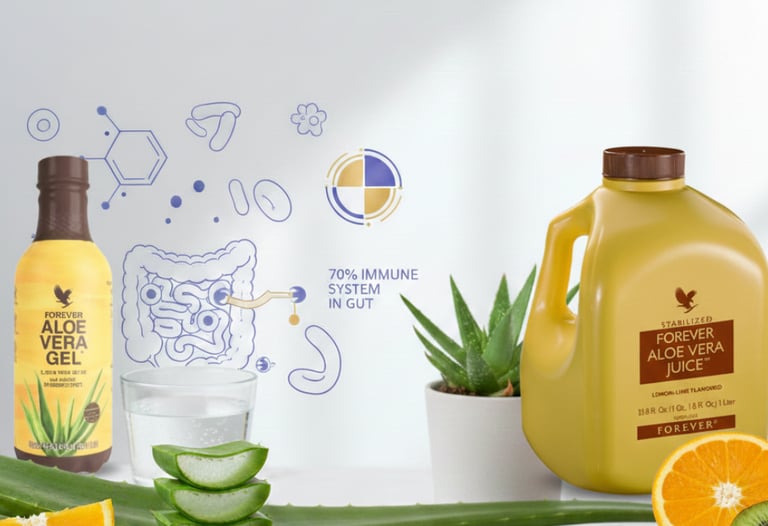
Forever Living offers Forever Aloe Vera Gel, a premium aloe vera product combining 99.7% pure inner leaf aloe vera gel. This provides a convenient way to incorporate this traditional botanical into your daily routine as part of a comprehensive approach to health and wellness.
Important Medical Note: This article discusses aloe vera for general health and wellness. While research suggests various potential benefits, aloe vera products are not medications and cannot diagnose, treat, cure, or prevent diseases. Individual responses to aloe vera vary significantly. Aloe vera may interact with certain medications, particularly diabetes medications, blood thinners, and immunosuppressants. If you have autoimmune conditions, diabetes, upcoming surgery, or other health conditions, or if you take medications, are pregnant, or are nursing, consult your healthcare provider before starting aloe vera supplementation. The information here is for educational purposes only and does not replace medical advice.
Key Takeaways
Aloe vera contains over 200 bioactive compounds including polysaccharides, vitamins, minerals, and amino acids
Acemannan, a key polysaccharide in aloe vera, has been studied for potential immune-modulating effects in laboratory settings
Research shows promise but is primarily from cell and animal studies—human clinical trials are limited
Quality and processing methods significantly impact aloe vera's beneficial properties
Individual responses to aloe vera supplementation vary widely based on baseline health and diet
Aloe vera works best as part of a comprehensive wellness approach, not as a standalone solution
The ideal source is high-quality, properly processed aloe vera gel with minimal aloin content
Realistic expectations and patience are essential (benefits typically emerge over weeks to months)
Understanding Your Immune System Basics
Your immune system isn't a single organ—it's a complex network of cells, tissues, and organs working together to identify and respond to pathogens, damaged cells, and foreign substances. This system operates continuously, influenced by multiple factors including sleep quality, nutritional status, stress levels, physical activity, and environmental exposures.
The Two Arms of Immune Function
Your body maintains two complementary immune responses that work together to protect your health.
Innate immunity is your first line of defense. It includes:
Physical barriers (skin, mucous membranes)
Chemical barriers (stomach acid, antimicrobial peptides)
Cellular responses (macrophages, neutrophils, natural killer cells)
Inflammatory responses
This system responds quickly but non-specifically to threats. It's present from birth and doesn't require previous exposure to function.
Adaptive immunity develops over time through exposure to specific pathogens. It includes:
T lymphocytes (T cells) that coordinate immune responses and directly kill infected cells
B lymphocytes (B cells) that produce antibodies
Immune memory that enables faster, stronger responses upon re-exposure
Adaptive immunity is highly specific and improves with each encounter, creating the foundation for vaccination effectiveness.
Factors That Influence Immune Function
Your immune system doesn't operate in isolation. Multiple factors affect immune cell production, distribution, and effectiveness.
Sleep: During deep sleep, your body produces and distributes immune cells while consolidating immune memory. Studies show that people who consistently sleep less than six hours have reduced natural killer cell activity and antibody responses compared to those getting seven to nine hours. Even one night of poor sleep can measurably reduce immune function.
Stress: Chronic psychological stress elevates cortisol levels, which can suppress certain immune functions while promoting inflammatory responses. The relationship is complex—acute short-term stress might temporarily enhance immunity, but prolonged stress dysregulates immune function through multiple pathways including altered cytokine production and reduced lymphocyte proliferation.
Nutrition: Your immune system requires specific micronutrients for optimal function. Deficiencies in vitamins A, C, D, E, B6, B12, folate, zinc, selenium, iron, and copper all impair various aspects of immune cell development and activity. Protein provides the amino acids necessary for antibody and immune cell production.
The Gut-Immune System Connection
Approximately 70-80% of immune cells reside in gut-associated lymphoid tissue (GALT), making the digestive system the body's largest immune organ. The intestinal barrier selectively allows nutrients through while preventing the passage of potentially harmful substances—a function critical for appropriate immune responses.
Your intestinal microbiome—the trillions of bacteria, fungi, and other microorganisms living in your digestive tract—communicates constantly with immune cells. These microorganisms:
Train the immune system to distinguish between harmless antigens and potential threats
Produce metabolites (like short-chain fatty acids) that regulate immune cell function
Compete with pathogenic organisms for resources and binding sites
Maintain the integrity of the intestinal barrier
Disruptions to the microbiome through antibiotics, poor diet, chronic stress, or other factors can affect immune function. This gut-immune connection explains why many immune-supporting interventions focus on digestive health.
What Science Says About Aloe Vera and Immunity
Aloe vera contains numerous compounds that researchers have studied for their potential effects on immune function. Understanding what the research actually shows—and equally importantly, what it doesn't—helps you make informed decisions about supplementation.
Research on aloe vera faces significant challenges. Different aloe species (Aloe vera, Aloe barbadensis, Aloe arborescens), varying processing methods, different extraction techniques, and inconsistent concentrations make comparing studies difficult. What works in a laboratory setting with isolated compounds doesn't always translate to human health outcomes.
Acemannan: Aloe's Key Immune Compound
Acemannan (also called acemannan, aloverose, or carrisyn) is a specific polysaccharide found in aloe vera that has received significant research attention. This β-(1,4)-linked mannan with acetyl groups appears in the inner leaf gel of mature aloe plants (typically 3-4 years old).
Laboratory findings:
Research published in Molecular Immunology demonstrated that acemannan activates macrophages—immune cells that engulf and destroy pathogens and cellular debris. Activated macrophages release cytokines (particularly IL-1β, IL-6, TNF-α, and NO), chemical messengers that coordinate broader immune responses.
A study in International Immunopharmacology found that acemannan enhanced macrophage phagocytic activity and increased production of specific immune-signaling molecules. The polysaccharide appeared to work through toll-like receptor pathways, which are critical pattern-recognition receptors in innate immunity.
Important limitations:
Most acemannan research occurs in laboratory settings with isolated cells or animal models, not in living humans under real-world conditions. The doses used in laboratory studies often far exceed what someone would consume through oral supplementation. The bioavailability of acemannan when consumed orally—how much actually gets absorbed and reaches immune cells—remains unclear.
Polysaccharides and Immune Modulation
Beyond acemannan, aloe vera contains various other polysaccharides with potential immune effects. These complex carbohydrates may:
Stimulate macrophage and natural killer cell activity
Influence cytokine production and inflammatory mediator release
Enhance antibody responses in some animal studies
Modulate dendritic cell function (cells that present antigens to T cells)
Research in Journal of Ethnopharmacology showed that aloe polysaccharides enhanced lymphocyte proliferation—the multiplication of white blood cells in response to stimulation. However, these effects were observed primarily in animal models.
The mechanisms likely involve:
Pattern recognition: Polysaccharides may bind to pattern recognition receptors on immune cells, triggering activation pathways similar to how the immune system recognizes certain microbial components.
Complement activation: Some research suggests aloe polysaccharides can activate the complement system—a cascade of proteins that enhances antibody and immune cell effectiveness.
Indirect effects: By supporting gut health and microbiome balance, polysaccharides may indirectly influence systemic immunity through the gut-immune axis.
Antioxidant Properties and Immune Balance
Aloe vera contains various antioxidant compounds including vitamins C and E, beta-carotene, and specific polyphenolic compounds (particularly aloesin, aloe-emodin, and chromones). These antioxidants neutralize reactive oxygen species (ROS)—unstable molecules that can damage cells and interfere with normal function.
The oxidative balance concept:
Your immune system operates optimally within a specific oxidative environment. Too much oxidative stress impairs immune cell function, but some oxidative processes are essential for immune activity—neutrophils and macrophages use oxidative bursts to kill pathogens.
The goal isn't eliminating all oxidation but maintaining appropriate balance. Antioxidants from aloe may help achieve this balance, though research on optimal antioxidant levels is complex and ongoing.
Research findings:
A study in Phytotherapy Research demonstrated that aloe vera extract exhibited significant antioxidant activity in various in vitro assays. However, translating these laboratory findings to clinical benefits in humans remains challenging.
Observational data suggests people with higher dietary antioxidant intake have better immune function markers, but isolating the contribution of specific antioxidants from overall dietary patterns is difficult.
Vitamins and Minerals in Aloe Vera
Aloe vera naturally contains various vitamins and minerals, though concentrations vary significantly based on growing conditions, soil quality, harvesting methods, and processing.
Documented nutrients include:
Vitamins: A (as beta-carotene), C, E, B vitamins (including B12, which is rare in plant sources)
Minerals: Calcium, chromium, copper, selenium, magnesium, manganese, potassium, sodium, zinc
Amino acids: 7 of 8 essential amino acids plus additional non-essential amino acids
Immune-relevant nutrients:
Vitamin C supports white blood cell production and function while acting as an antioxidant. Vitamin E protects immune cell membranes from oxidative damage. Vitamin A (from beta-carotene) is essential for maintaining mucous membrane integrity and regulating T cell and B cell function.
Zinc is critical for immune cell development and function—even mild deficiency impairs multiple aspects of immunity. Selenium supports antioxidant enzymes and influences inflammatory responses.
Critical perspective:
While aloe vera contains these nutrients, concentrations are relatively low compared to dedicated food sources or supplements. For example, 120ml of aloe vera gel provides modest amounts of these vitamins and minerals—not negligible, but not approaching recommended daily intakes.
Aloe vera is better viewed as contributing to overall nutrient intake rather than serving as a primary source of specific immune-supporting nutrients.
Anti-Inflammatory Properties
Inflammation is a normal immune response, but chronic low-grade inflammation can impair immune regulation and contribute to various health issues. Aloe vera contains compounds that may help modulate inflammatory responses.
Active anti-inflammatory compounds:
Bradykininase: An enzyme that breaks down bradykinin, a peptide that promotes inflammation and pain. In vitro studies show aloe bradykininase activity, though oral consumption and digestive stability raise questions about systemic effects.
Plant sterols: Beta-sitosterol and campesterol in aloe vera have demonstrated anti-inflammatory properties in various models. These compounds may inhibit inflammatory mediator production through multiple pathways.
Salicylic acid: Present in small amounts, this compound has aspirin-like properties, though concentrations in aloe are far lower than therapeutic doses of aspirin.
Polyphenolic compounds: Anthraquinones and chromones in aloe demonstrate anti-inflammatory activity in laboratory research, potentially through inhibition of pro-inflammatory enzymes like COX-2.
Research findings:
A study in Journal of Environmental Science and Health demonstrated that aloe vera extract reduced inflammatory markers in animal models of inflammation. Multiple animal studies show reduced edema, decreased inflammatory cytokine production, and improved healing with aloe vera treatments.
However, human clinical trials on aloe vera's anti-inflammatory effects are limited. A small study in Journal of Oral Pathology & Medicine showed topical aloe vera reduced inflammation in oral lichen planus, but this doesn't directly translate to systemic immune effects from oral consumption.
Mechanism considerations:
Aloe's anti-inflammatory properties likely work through multiple pathways:
Inhibition of pro-inflammatory enzymes (COX-2, 5-LOX)
Reduction of pro-inflammatory cytokine production (TNF-α, IL-1β, IL-6)
Enhancement of anti-inflammatory cytokines (IL-10)
Antioxidant protection reducing oxidative-inflammatory cycles
The multi-pathway approach might explain variable individual responses—effectiveness may depend on which inflammatory pathways are most active in each person.
How Aloe Vera Quality Affects Effectiveness
Not all aloe vera products deliver equivalent benefits. Processing methods, concentration, purity standards, and formulation significantly impact what bioactive compounds remain in the final product and whether they're in forms your body can utilize.
Understanding quality markers helps you choose products more likely to provide the compounds researchers have studied. Poor-quality aloe vera products may contain minimal active ingredients, excessive aloin (a laxative compound), or even potentially harmful additives and contaminants.
The Importance of Inner Leaf Gel vs. Whole Leaf
The aloe vera plant has anatomically distinct parts with different chemical compositions and effects.
Leaf structure:
Outer rind (peel): Contains aloin (barbaloin), aloe-emodin, and other anthraquinones with strong laxative properties
Latex layer (yellow sap): The bitter yellow substance between rind and gel, very high in aloin
Inner gel (parenchyma): Clear, mucilaginous material containing polysaccharides, vitamins, minerals, and enzymes associated with aloe's wellness properties
Aloin concerns:
Aloin is a potent laxative that can cause:
Severe diarrhea and cramping
Electrolyte imbalances (particularly potassium loss)
Intestinal dependence with chronic use
Potential DNA damage in animal studies (though human relevance is unclear)
The International Agency for Research on Cancer classified whole leaf aloe vera extract (containing aloin) as possibly carcinogenic based on animal studies, though inner leaf gel without aloin doesn't carry this classification.
Quality aloe vera products use primarily inner leaf gel with aloin removed or reduced to safe levels (typically <10 ppm). Products made from whole leaf require extensive processing to remove aloin; inner leaf processing is generally cleaner.
Processing Methods and Bioactive Compound Preservation
How aloe is processed dramatically affects its beneficial compound content.
Heat processing concerns:
High-temperature pasteurization, concentration, or spray-drying can:
Denature enzymes, rendering them inactive
Break down polysaccharides, reducing molecular weight and potentially altering biological activity
Degrade heat-sensitive vitamins
Alter the overall phytochemical profile
Acemannan and other large polysaccharides are particularly sensitive to heat degradation. Studies show that processed aloe products have significantly lower polysaccharide molecular weights compared to fresh gel.
Stabilization vs. pasteurization:
Traditional pasteurization uses high heat for relatively short times. Alternative stabilization methods:
Cold processing with controlled oxidation reduction
Gentle pasteurization at lower temperatures for longer times
Vacuum processing to reduce required temperatures
Addition of natural preservatives (ascorbic acid, citric acid)
Forever Living uses a stabilization process designed to maintain the gel's natural properties while creating shelf-stable products. The specific process is proprietary, but the goal is preserving bioactive compounds while ensuring safety and preventing microbial growth.
Filtration and concentration:
Some manufacturers use charcoal filtration to remove aloin, but this may also remove beneficial polyphenolic compounds. Excessive filtration can strip out beneficial constituents along with undesirable ones.
Concentration processes (removing water to create 200x or higher concentrates) may sound impressive but can damage heat-sensitive compounds if not done properly. Highly concentrated products aren't necessarily superior to properly stabilized 1x strength gel.
Third-Party Certification and Testing
Quality verification through independent testing provides assurance beyond manufacturer claims.
International Aloe Science Council (IASC):
This organization certifies aloe vera products that meet quality standards:
Minimum aloe content verification
Aloin content testing (<10 ppm for oral products)
Good manufacturing practices compliance
Label accuracy verification
Microbial safety testing
Forever Aloe Vera Gel carries IASC certification, indicating third-party verification of quality and purity.
Other quality markers:
Heavy metal testing (arsenic, lead, cadmium, mercury)
Pesticide residue analysis
Microbial contamination testing (bacteria, yeast, mold)
Identity testing to confirm correct species
Potency testing for polysaccharide content
Certificates of analysis (COA) should be available from reputable manufacturers, though they may not be published publicly for proprietary reasons.
Concentration and Active Compound Content
The amount of actual aloe vera in a product varies dramatically between formulations.
Common misleading practices:
"Contains aloe vera" on a label might mean:
99% aloe vera gel (like Forever Aloe Vera Gel)
10% aloe in water with thickeners to create gel-like consistency
Aloe powder reconstituted at unknown concentrations
Aloe extract diluted to minimal levels
What to look for:
Aloe listed as first ingredient (ingredients are listed by weight)
Specific percentage stated (e.g., "99.7% aloe vera gel")
IASC certification seal
Polysaccharide content if disclosed (acemannan content ranges from 300-1400 mg/L in quality products)
Forever Aloe Vera Gel contains 99.7% pure inner leaf aloe vera gel—among the highest concentrations available commercially. This means you're consuming primarily aloe, not primarily water with some aloe added.
Forever Living Aloe Vera and Complementary Products
Forever Living offers several aloe-based products and complementary supplements designed to support various aspects of wellness. Understanding how these products work individually and together helps you create a comprehensive approach to immune support.
Forever Aloe Vera Gel
Forever Aloe Vera Gel is the flagship product, containing 99.7% pure inner leaf aloe vera gel. This drink provides polysaccharides, vitamins, minerals, and enzymes in ratios similar to fresh aloe gel.
Dosage considerations:
Research on aloe vera uses widely varying doses, making specific recommendations challenging. Many people consume 60-120ml (2-4 ounces) daily as baseline wellness support. Some individuals increase to 180-240ml during periods of increased stress or seasonal challenges.
Form advantages:
The liquid form may offer absorption advantages—your digestive system doesn't need to break down capsules or tablets. Nutrients and bioactive compounds are already in solution, potentially enhancing bioavailability compared to dried aloe powder.
Timing:
Many practitioners recommend consuming aloe vera on an empty stomach, typically first thing in the morning. This allows direct contact with the digestive tract lining without interference from food components. Some research on acemannan absorption suggests empty stomach consumption may be optimal, though conclusive human data is limited.
Forever Immunoblend
Forever Immunoblend combines multiple immune-supporting ingredients: fructooligosaccharides (FOS, a prebiotic), vitamins C and D, zinc, and lactoferrin.
Component breakdown:
Fructooligosaccharides (FOS): Prebiotic fibers that feed beneficial gut bacteria. By supporting microbiome health, FOS may indirectly influence systemic immune function through the gut-immune axis.
Vitamin D: Critical for immune cell development and function. Deficiency impairs both innate and adaptive immunity. Many people have insufficient vitamin D levels, particularly in winter months with limited sun exposure or at high latitudes.
Vitamin C: Supports white blood cell production and function while acting as an antioxidant. Water-soluble and not stored long-term, requiring regular intake.
Zinc: Essential for immune cell development, differentiation, and signaling. Even mild deficiency impairs multiple aspects of immunity, particularly T cell function.
Lactoferrin: A glycoprotein found naturally in milk and other secretions. Research suggests potential antimicrobial, antioxidant, and immune-modulating properties. Lactoferrin may:
Bind iron, limiting iron availability to certain pathogenic bacteria
Interact with immune cells to modulate inflammatory responses
Support intestinal barrier function
Exhibit direct antimicrobial activity against some bacteria and viruses
Evidence quality varies—some effects are well-established in vitro while human clinical data is more limited.
Combination rationale:
This multi-ingredient approach targets immune support through several mechanisms: gut health (FOS), essential immune nutrients (vitamins C and D, zinc), and specialized bioactive compounds (lactoferrin). Whether combinations provide additive benefits beyond individual ingredients isn't always clear from research.
Forever Active Probiotic
Given the gut-immune connection, supporting beneficial bacteria populations may influence systemic immune function. Forever Active Probiotic contains six bacterial strains designed to survive stomach acid.
Included strains:
Lactobacillus acidophilus
Lactobacillus plantarum
Lactobacillus rhamnosus
Lactobacillus salivarius
Bifidobacterium lactis
Bifidobacterium longum
Delivery technology:
The beadlet encapsulation protects bacteria from stomach acid degradation, potentially improving survival to the intestines where they can colonize (at least temporarily).
Research on probiotics and immunity:
Multiple studies show specific probiotic strains can:
Reduce duration and severity of respiratory infections
Enhance vaccine responses
Modulate inflammatory responses
Support intestinal barrier function
Influence systemic immune cell activity through microbiome-immune communication
Effects are strain-specific—not all probiotic bacteria provide the same benefits. The six-strain combination in Forever Active Probiotic provides diversity, though research on this specific combination is limited.
Forever Bee Propolis
Bees collect propolis from plant resins and use it to seal and protect their hives. This substance contains over 300 compounds including flavonoids, phenolic acids, and aromatic compounds.
Research findings:
Laboratory and animal studies show propolis exhibits:
Antimicrobial activity against various bacteria, fungi, and some viruses
Antioxidant properties
Anti-inflammatory effects through multiple pathways
Potential immune-modulating properties
Human clinical trials are more limited. Some studies suggest propolis may reduce upper respiratory infection duration, though effect sizes are typically modest and study quality varies.
Active compounds:
The specific composition depends on which plants bees harvest from, creating geographic variation. Common bioactive components include:
Flavonoids (chrysin, galangin, pinocembrin)
Phenolic acids (caffeic acid, ferulic acid)
Aromatic compounds (artepillin C in Brazilian propolis)
Realistic perspective:
Propolis shows promise but shouldn't be viewed as a powerful immune booster. Effects are typically modest. Individual responses vary significantly. It's best positioned as one component of a comprehensive approach rather than a standalone solution.
Forever Absorbent-C
Vitamin C is extensively studied for immune support. It supports various immune cell functions and acts as an antioxidant protecting immune cells from oxidative damage.
Vitamin C and immunity:
Supports neutrophil and macrophage function
Enhances natural killer cell activity
Necessary for lymphocyte proliferation
Protects immune cells from oxidative damage during immune responses
Required for collagen synthesis (important for barrier integrity)
Sustained release formulation:
Forever Absorbent-C uses an oat bran delivery system designed to release vitamin C gradually. The theoretical advantage is maintaining steadier blood levels throughout the day compared to immediate-release formulations.
Vitamin C is water-soluble and excreted relatively quickly, so sustained release might provide more consistent tissue levels. However, research directly comparing sustained-release to immediate-release vitamin C shows mixed results on clinical outcomes.
Dosing:
The RDA for vitamin C is 75-90mg daily, but many people take higher doses for immune support (500-2000mg daily). Megadoses (>2000mg daily) provide no clear additional benefits and may cause digestive upset. Vitamin C is generally very safe, as excess is excreted in urine.
Forever Arctic Sea
Omega-3 fatty acids from fish and calamari oil support various aspects of health, including immune function. These essential fats help build cell membranes and serve as precursors to specialized pro-resolving mediators that actively resolve inflammatory processes.
Omega-3s and immunity:
EPA and DHA influence:
Production of inflammatory and anti-inflammatory mediators
Cell membrane composition and function
Gene expression related to inflammation and immune function
Resolution of inflammatory responses
Formula composition:
Forever Arctic Sea combines fish oil, calamari oil, and olive oil:
Fish oil provides EPA and DHA from cold-water fish
Calamari oil (from squid) naturally contains high DHA levels
Olive oil provides omega-9 fatty acids and polyphenols
This combination offers comprehensive fatty acid support beyond omega-3s alone, reflecting healthy Mediterranean dietary patterns.
Lifestyle Factors That Work With Aloe Vera
Aloe vera supplements work best within the context of comprehensive wellness practices. Your daily habits significantly impact immune function effectiveness, regardless of which supplements you take.
Think of immune support like a multi-factorial equation. Aloe vera might contribute one variable, but sleep quality, stress levels, nutrition, physical activity, and other factors all influence the outcome. No single intervention compensates for deficiencies in other areas.
Sleep Quality and Immune Function
Sleep is when your immune system performs significant maintenance and repair work. During deep sleep (particularly slow-wave sleep), your body produces and distributes immune cells while consolidating immune memory.
Specific immune effects of sleep:
During adequate sleep:
Production of cytokines (particularly IL-1 and TNF-α) that fight infection
T cell proliferation and differentiation
Antibody production in response to vaccination
Natural killer cell activity maintenance
Distribution of immune cells to tissues
Sleep deprivation (even one night) reduces:
Natural killer cell activity by 28% or more
Antibody response to vaccination
Production of protective cytokines
T cell adhesion to target cells
Research published in Sleep showed that people sleeping less than 6 hours nightly were 4.2 times more likely to develop colds compared to those sleeping 7+ hours, even when controlling for other factors.
Practical implications:
If you're taking aloe vera and other immune-supporting supplements but consistently sleeping only 5-6 hours, you're fundamentally undermining immune function. Address sleep as a priority equal to or greater than supplementation.
Most adults require 7-9 hours of quality sleep nightly. Quality matters as much as quantity—fragmented sleep or insufficient deep sleep stages impair immune function even if total time in bed is adequate.
Stress Management and Cortisol Regulation
Chronic psychological stress directly impairs immune function through neuroendocrine pathways, particularly via sustained cortisol elevation and sympathetic nervous system activation.
Mechanisms of stress-induced immune impairment:
Chronic stress causes:
Redistribution of immune cells from lymphoid tissues to blood and other compartments
Suppression of cellular immunity (particularly T cell function)
Altered cytokine production (decreased anti-inflammatory IL-10, variable pro-inflammatory cytokines)
Reduced natural killer cell activity
Impaired wound healing
Decreased antibody production
Stress also promotes behavioral changes that further compromise immunity—poor sleep, worse food choices, reduced exercise, increased alcohol consumption.
Evidence-based stress reduction:
Interventions shown to reduce stress markers and potentially improve immune function include:
Mindfulness meditation: 8 weeks of practice increases antibody response to influenza vaccine
Regular moderate exercise: Reduces inflammatory markers and stress hormones
Social support: Strong social connections correlate with better immune function
Time in nature: Reduces cortisol and inflammatory markers
Cognitive behavioral therapy: Addresses chronic stress thought patterns
Nutrition Beyond Supplementation
Supplements complement a healthy diet but cannot replace whole food nutrition. Foods provide fiber, phytonutrients, and beneficial compounds that work synergistically in ways isolated supplements cannot replicate.
Immune-relevant nutrients from food:
Protein: Provides amino acids for antibody and immune cell production. Inadequate protein intake impairs immune cell proliferation. Aim for 0.8-1.0g protein per kg body weight daily (more for athletes or older adults).
Vitamin A: Critical for mucous membrane integrity and T cell differentiation. Found in liver, eggs, dairy, orange/yellow vegetables (as beta-carotene).
Vitamin D: Best obtained through sun exposure (when possible) or fatty fish, fortified dairy, eggs. Many people need supplementation, particularly in winter or at high latitudes.
Zinc: Found in oysters, beef, pumpkin seeds, legumes. Vegetarians may be at higher risk of deficiency.
Selenium: Brazil nuts (very high), seafood, meat, whole grains. Needed for antioxidant enzyme function.
Colorful phytonutrients: Anthocyanins, carotenoids, flavonoids in fruits and vegetables support immune function through antioxidant and anti-inflammatory mechanisms.
What to minimize:
Ultra-processed foods high in refined sugars and unhealthy fats
Excessive alcohol (impairs immune cell function)
Trans fats (promote inflammation)
Extreme caloric restriction (impairs immune cell production)
Exercise and Physical Activity
Regular moderate exercise supports immune function, though the relationship is complex and dose-dependent.
Benefits of moderate exercise:
Increased circulation improving immune cell distribution
Enhanced immune surveillance (immune cells patrol more effectively)
Anti-inflammatory effects through multiple pathways
Improved stress resilience
Better sleep quality
Favorable changes in gut microbiome
Research shows that moderate-intensity exercise (brisk walking, recreational cycling, swimming) for 30-45 minutes most days reduces upper respiratory infection incidence by about 40-50% compared to sedentary individuals.
The J-shaped curve:
Sedentary lifestyle: Weakened immunity Exercise in moderation: Enhanced immunity Excessive exercise without adequate recovery: Temporarily suppressed immunity (the "open window" hypothesis)
Elite athletes training at very high volumes with insufficient recovery experience higher infection rates during heavy training periods. However, this is relevant only for those training at high intensity/volume—recreational exercisers don't reach these thresholds.
Recommended approach:
Aim for 150 minutes of moderate-intensity exercise weekly (CDC guidelines). More intense exercise is appropriate if you're adapted to it and recover adequately between sessions. Consistency matters more than intensity for most people.
Hydration and Fluid Balance
Immune function operates more effectively when properly hydrated. Many immune processes occur in blood and lymphatic fluid—both require adequate hydration.
Specific hydration effects:
Mucous membranes in respiratory and digestive tracts need sufficient hydration to produce protective mucus
Lymphatic circulation requires adequate fluid
Nutrient transport to immune cells depends on blood volume
Waste removal from tissues requires sufficient fluid
Concentration of immune cells and antibodies in secretions
Dehydration (even mild) may:
Reduce mucous membrane effectiveness as a barrier
Impair circulation and immune cell distribution
Increase stress hormone levels
Reduce exercise capacity and increase perceived exertion
Adequate intake:
Fluid needs vary based on body size, activity level, climate, and individual variation. General guidance suggests 2-3 liters daily for adults, with more needed during exercise, hot weather, or illness.
Forever Aloe Vera Gel contributes to daily fluid intake while providing bioactive compounds. However, it shouldn't be your only fluid source—water and other unsweetened beverages remain important.
When to Expect Results and What to Monitor
One of the most common questions about aloe vera and immune support is: "How long before I notice a difference?" The answer isn't straightforward because immune function is complex, improvements are often subtle, and individual responses vary dramatically.
Setting realistic expectations prevents disappointment and helps you evaluate whether aloe vera provides value for your specific situation. Understanding what to monitor—and what isn't measurable without specialized testing—provides a framework for assessment.
Timeline for Potential Effects
People report widely varying timelines for noticing benefits from aloe vera, ranging from days to months or no perceptible change at all. These different experiences relate to baseline health status, what aspects you're measuring, and individual biochemical variation.
Weeks 1-2:
Digestive changes may occur relatively quickly (within 3-7 days for some people)
Some individuals report improved regularity or reduced digestive discomfort
Since gut health influences immunity, digestive improvements could indirectly affect immune function
Most people won't notice immune-specific changes yet
Cellular-level changes are beginning but aren't subjectively perceptible
Weeks 2-4:
Gut microbiome begins shifting if taking probiotics alongside aloe vera
Polysaccharides may start influencing gut-associated lymphoid tissue
Some people report subtle improvements in energy or general well-being
These effects are difficult to attribute specifically to aloe vera versus placebo effects or other lifestyle changes
Immune function changes are occurring at cellular level but unlikely to be noticeable
Weeks 4-12:
If aloe vera provides benefits for you specifically, effects typically become more apparent during this period
Possible observations include fewer minor infections, faster recovery from colds, or improved seasonal wellness
Digestive comfort and regularity often stabilize
Inflammatory markers (if tested) might show modest improvements
Skin quality sometimes improves (may reflect better hydration and nutrient status)
Months 3-6+:
Long-term consistent use establishes steady-state effects
Benefits plateau at your individual response level
Discontinuing supplementation gradually reverses changes over weeks to months
Without laboratory testing, distinguishing aloe vera's contribution from other factors remains challenging
Critical perspective:
Many factors influence how you feel day-to-day—sleep quality, stress levels, dietary changes, seasonal variations, exercise habits, social interactions. Attributing changes specifically to aloe vera is difficult without controlled conditions.
The placebo effect is real and powerful, particularly for subjective outcomes like "feeling better" or "more energy." This doesn't invalidate benefits, but it complicates assessment.
What Changes Might You Notice?
Direct immune function improvements are difficult to measure without laboratory tests. However, several indirect markers may suggest better immune balance, though proving causation remains challenging.
Potentially observable changes:
Infection patterns: Some people report experiencing fewer colds or respiratory infections during seasons when they typically struggle. Others notice faster recovery when illness does occur. However, year-to-year variation in circulating pathogens makes this difficult to attribute definitively to supplementation.
Energy levels: Better immune efficiency requires less metabolic energy for immune maintenance, potentially leaving more available for daily activities. However, energy is influenced by countless factors—sleep, stress, diet, hydration, thyroid function, mental health, physical activity level.
Digestive function: This is often the most noticeable change. Improved regularity, reduced bloating, less digestive discomfort. Since gut health influences immunity, digestive improvements may correlate with better immune function.
Skin quality: Hydration, inflammation reduction, and nutrient status all affect skin. Some people notice improvements in skin texture, moisture, or reduced minor breakouts. Whether this reflects immune changes or other mechanisms isn't clear.
Seasonal wellness: Maintaining your baseline health during seasonal challenges (ragweed season for allergy sufferers, cold/flu season) might indicate better immune resilience. However, comparing across years is confounded by variation in environmental triggers.
What you won't notice:
Specific immune cell counts or activity levels (requires lab testing)
Antibody production changes
Cytokine profile shifts
Macrophage activation
Changes in inflammatory marker levels
These require specialized testing and aren't subjectively perceptible.
Laboratory Testing Considerations
If you want objective measurements, specific tests can assess aspects of immune function and inflammatory status, though these aren't typically necessary or covered by insurance for general wellness.
Complete blood count (CBC) with differential:
Shows levels of various white blood cells:
Neutrophils (bacterial infection response)
Lymphocytes (viral infection response, adaptive immunity)
Monocytes (become macrophages in tissues)
Eosinophils (allergic responses, parasites)
Basophils (allergic responses)
Normal ranges are broad. Changes within normal range don't necessarily indicate dysfunction, and being at the low or high end of normal doesn't mean supplementation would help.
Inflammatory markers:
C-reactive protein (CRP) or high-sensitivity CRP (hs-CRP): General inflammation marker. Elevated levels correlate with various health risks, particularly cardiovascular disease. Improvements suggest reduced systemic inflammation, though many factors influence CRP beyond supplementation.
Erythrocyte sedimentation rate (ESR): Another general inflammation measure. Less specific than CRP but sometimes useful.
Specific cytokines: Rarely measured clinically outside research settings due to cost and complexity. These include IL-1β, IL-6, TNF-α, IL-10. Specialized labs offer cytokine panels, but interpretation requires expertise and reference ranges are poorly established.
Immunoglobulin levels:
IgA, IgG, IgM, IgE levels can be measured
IgA is particularly relevant for mucosal immunity
Abnormal levels might indicate immune dysfunction requiring medical evaluation
Normal levels don't necessarily mean optimal function
Testing practicality:
Most people don't need immune function testing for general wellness. Testing makes sense if:
You have diagnosed immune deficiency or dysfunction
You experience frequent infections (>4-6 respiratory infections annually)
You're working with a healthcare provider on specific immune-related health goals
You want baseline measurements before starting comprehensive immune support protocols
Costs vary widely. Basic CBC and CRP are relatively inexpensive. Comprehensive immune panels can cost hundreds to thousands of dollars out-of-pocket.
When Aloe Vera Might Not Be Enough
Aloe vera supports general wellness but is not a treatment for immune deficiencies, disorders, or acute infections. Certain situations require medical intervention beyond natural supplements.
Situations requiring medical evaluation:
Frequent infections (more than 4-6 respiratory infections per year for adults)
Recurring infections of the same type (e.g., repeated urinary tract infections, frequent strep throat)
Infections that are unusually severe or prolonged
Infections with uncommon pathogens
Persistent unexplained fever
Unintended weight loss
Night sweats
Chronic fatigue unresponsive to lifestyle modifications
Diagnosed conditions requiring medical management:
Primary immunodeficiencies (genetic conditions affecting immune development)
Secondary immunodeficiencies (HIV, immunosuppressive medications, chemotherapy)
Autoimmune conditions where immune system attacks your own tissues
Active infections requiring antibiotics or antiviral medications
Supplements may complement medical treatment but never replace necessary medications or professional care for these conditions.
Safety, Side Effects, and Contraindications
While properly processed aloe vera has been consumed by millions of people with generally good safety records, understanding potential side effects, drug interactions, and contraindications ensures appropriate use for your specific situation.
Natural doesn't automatically mean safe for everyone. Individual health conditions, medications, genetic variations, and sensitivities create varying risk profiles for any supplement, including aloe vera.
Common Side Effects
Most people tolerate high-quality aloe vera gel (with aloin properly removed) well at recommended dosages. Forever Living's products, which use inner leaf gel and remove aloin, typically cause minimal side effects.
Digestive changes:
Some people experience mild digestive adjustments when first starting aloe vera:
Loose stools or mild diarrhea (usually resolves within a few days)
Mild cramping or abdominal discomfort
Increased bowel frequency
These effects typically reflect the body adjusting to increased polysaccharide and fiber intake. Starting with smaller servings (30-60ml) and gradually increasing over 1-2 weeks often prevents or minimizes these effects.
If digestive symptoms persist beyond one week or are severe, discontinue use and consult a healthcare provider. Persistent problems might indicate:
Sensitivity to aloe vera components
Products with inadequate aloin removal
Underlying digestive conditions requiring evaluation
Allergic reactions:
True allergic reactions to properly processed aloe vera are rare but possible. Symptoms include:
Skin rash, hives, or itching
Swelling of face, lips, tongue, or throat
Difficulty breathing or wheezing
Dizziness or lightheadedness
If you have known allergies to plants in the Liliaceae (now Asphodelaceae) family—which includes garlic, onions, tulips, asparagus—you may have increased susceptibility to aloe vera allergies, though cross-reactivity isn't guaranteed.
Discontinue immediately and seek emergency medical attention if you experience signs of anaphylaxis (severe allergic reaction): difficulty breathing, swelling of throat, severe dizziness, or rapid heartbeat.
Blood sugar effects:
Some research suggests aloe vera may lower blood glucose levels. While this could theoretically benefit people with insulin resistance, it requires careful monitoring in those taking diabetes medications to prevent hypoglycemia.
Medication Interactions
Aloe vera can interact with certain medications, making medical consultation essential before starting supplementation, particularly if you take prescription drugs.
Diabetes medications (insulin, metformin, sulfonylureas, SGLT2 inhibitors):
Mechanism: Aloe vera may enhance insulin sensitivity or increase glucose uptake by cells, potentially lowering blood sugar levels.
Concern: Combined with diabetes medications, this could cause hypoglycemia (dangerously low blood sugar).
Management: Monitor blood glucose more frequently when starting aloe vera. Inform your healthcare provider. Medication doses may need adjustment. Watch for hypoglycemia symptoms: shakiness, sweating, confusion, rapid heartbeat.
Blood thinners (warfarin, aspirin, clopidogrel, heparin, newer anticoagulants):
Mechanism: Some research suggests aloe latex (the part containing anthraquinones) may have anticoagulant properties. While properly processed inner leaf gel has minimal anthraquinones, theoretical risk exists.
Concern: Enhanced anticoagulant effect could increase bleeding risk.
Management: Inform your healthcare provider. Monitor for unusual bruising or bleeding. INR monitoring may be appropriate for those on warfarin. Consider stopping aloe vera 1-2 weeks before scheduled surgeries.
Diuretics (furosemide, hydrochlorothiazide, others) and cardiac glycosides (digoxin):
Mechanism: Aloe latex (not properly processed gel) can cause potassium loss. Low potassium enhances digoxin toxicity and may affect other heart medications.
Concern: Electrolyte imbalances affecting heart function.
Management: Use only properly processed aloe vera gel (like Forever Living products) that has aloin removed. Monitor for signs of electrolyte imbalance (muscle weakness, irregular heartbeat, excessive thirst). Periodic electrolyte testing may be warranted with long-term use.
Immunosuppressants (cyclosporine, tacrolimus, corticosteroids, biologics):
Mechanism: Theoretically, immune-stimulating supplements could counteract immunosuppressant medications.
Concern: Reduced medication effectiveness, potential organ rejection in transplant recipients, worsening of autoimmune conditions.
Management: Discuss with your specialist before using aloe vera if you take immunosuppressants. This is particularly critical for transplant recipients. Close monitoring is essential if your doctor approves concurrent use.
Laxatives:
Mechanism: Aloe products containing aloin have strong laxative effects. Even properly processed gel may have mild laxative properties for some individuals.
Concern: Excessive fluid and electrolyte loss, bowel dependence.
Management: Avoid combining aloe vera with stimulant laxatives. If constipation is an issue, address it comprehensively with healthcare provider guidance rather than combining multiple laxative approaches.
Who Should Avoid or Exercise Extreme Caution With Aloe Vera
Certain populations should either avoid aloe vera consumption or use it only under direct medical supervision.
Pregnant women:
Concern: Aloe latex (containing aloin and anthraquinones) may stimulate uterine contractions. Animal studies suggest potential for miscarriage or birth defects, though data quality is limited.
Even with aloin removed, most healthcare providers recommend avoiding internal aloe vera use during pregnancy due to insufficient safety data.
Recommendation: Pregnant women should avoid aloe vera supplements unless specifically recommended by their obstetricianfor a particular indication. Risk-benefit analysis is essential. Topical aloe vera (for skin) is generally considered safe during pregnancy.
Nursing mothers:
Concern: Aloe components could potentially pass through breast milk. Anthraquinones in aloe latex have caused diarrhea in breastfed infants in case reports.
Recommendation: While properly processed aloe gel (with aloin removed) may be safer, insufficient data exists. Most pediatricians and lactation consultants recommend avoiding aloe vera supplements while breastfeeding unless medically supervised. If a nursing mother uses aloe vera, monitor infant for any digestive changes.
People with inflammatory bowel disease (IBD):
This includes Crohn's disease and ulcerative colitis. Evidence regarding aloe vera in IBD is mixed.
Some research suggests potential benefits: A randomized controlled trial published in Alimentary Pharmacology & Therapeutics found aloe vera gel improved symptoms in some ulcerative colitis patients.
However: Individual responses vary dramatically. Some people with IBD experience worsening symptoms. The polysaccharides and other compounds could theoretically trigger immune responses in already-inflamed intestines.
Recommendation: Only use aloe vera for IBD under gastroenterologist supervision. Start with very small amounts and monitor symptoms carefully. Discontinue if symptoms worsen.
Those with known electrolyte imbalances:
Concern: Aloe vera (particularly products containing aloin) may affect potassium levels. People with existing electrolyte abnormalities could experience worsening.
Populations at risk:
Those with kidney disease
People taking potassium-sparing or potassium-wasting diuretics
Individuals with heart rhythm abnormalities
Those with adrenal disorders
Recommendation: Consult healthcare provider before use. Periodic electrolyte testing may be appropriate. Use only properly processed aloe vera gel with minimal aloin.
People with scheduled surgeries:
Concern: Potential blood sugar and blood clotting effects create theoretical surgical risks.
Recommendation: Discontinue aloe vera supplements 2 weeks before scheduled surgery. Inform surgical and anesthesia teams about all supplements taken. Resume post-surgery only after healing is established and with healthcare provider approval.
Children:
Limited research exists on aloe vera safety and appropriate dosing in children. Most aloe vera products aren't formulated or tested for pediatric use.
Recommendation: Don't give aloe vera supplements to children without pediatrician approval. If approved, use significantly reduced doses based on body weight (typically 1/4 to 1/2 adult dose depending on age/size). Monitor for any adverse effects.
Quality Concerns and Contamination Risks
Beyond individual sensitivities, poor-quality aloe vera products can cause problems due to contamination or inappropriate composition.
High aloin content:
Products failing to adequately remove aloin can cause:
Severe diarrhea and abdominal cramping
Electrolyte imbalances (particularly hypokalemia - low potassium)
Melanosis coli (brown pigmentation of colon lining from chronic use)
Potential for intestinal dependence on laxatives
The International Agency for Research on Cancer (IARC) classified whole-leaf aloe vera extract (containing aloin) as Group 2B (possibly carcinogenic to humans) based on animal studies. Inner leaf gel without aloin doesn't carry this classification.
Contamination issues:
Poor manufacturing practices may lead to:
Bacterial contamination (E. coli, Salmonella, others)
Heavy metals (lead, arsenic, cadmium)
Pesticide residues if aloe isn't organically grown
Adulteration with fillers or other substances
Choosing quality products:
Look for International Aloe Science Council (IASC) certification
Choose reputable manufacturers with documented quality testing
Verify products specifically state inner leaf gel and low aloin content
Check for third-party testing certifications when available
Research company reputation and manufacturing standards
Forever Living's IASC certification and quality standards help ensure products meet purity and safety criteria, reducing contamination risks.
Long-Term Safety Considerations
While short-term use of properly processed aloe vera appears safe for most people, long-term safety data (years of continuous use) is more limited.
What we know:
Millions of people have consumed aloe vera products daily for years without apparent harm. Traditional use in various cultures spans centuries. No major long-term safety signals have emerged for properly processed inner leaf gel.
Theoretical concerns requiring more research:
Very long-term effects on electrolyte balance (particularly with any residual aloin)
Interactions with gut microbiome over extended periods
Potential for tolerance development (reduced benefits over time)
Cumulative effects of any trace contaminants
Prudent approach:
Regular check-ups with healthcare provider, especially if taking medications
Periodic "supplement holidays" (e.g., one week off every 3-6 months) to assess ongoing benefits and prevent potential tolerance
Monitor for any changes in health status or medication needs
Adjust or discontinue if you develop new health conditions or start new medications
Periodic reassessment of whether supplementation still provides value
Creating Your Aloe Vera Immune Support Protocol
An effective immune support protocol combines aloe vera with complementary lifestyle practices and, potentially, other supplements. Personalizing your approach to your specific needs, health status, and lifestyle creates better results.
Cookie-cutter approaches rarely work optimally. Your age, stress levels, health history, diet quality, sleep patterns, and goals all influence what protocol works best for you.
Starting Your Aloe Vera Routine
Begin with Forever Aloe Vera Gel as your foundation. Start with 60ml (2 ounces) daily, taken first thing in the morning on an empty stomach.
Drinking aloe vera before eating allows optimal absorption of its beneficial compounds without competition from food components. Wait 15-20 minutes before breakfast for best results.
After one week at 60ml, you can increase to 120ml (4 ounces) daily if desired. Some people split this dose—60ml morning and 60ml evening. Others prefer the full amount at once.
Sample 30-Day Starter Protocol:
Week 1:
Forever Aloe Vera Gel: 60ml each morning
Monitor how you feel, noting energy, digestion, sleep quality
Week 2:
Forever Aloe Vera Gel: Increase to 120ml each morning
Add Forever Active Probiotic with lunch
Continue monitoring changes
Week 3:
Continue Forever Aloe Vera Gel: 120ml morning
Continue Forever Active Probiotic
Add Forever Absorbent-C with breakfast
Begin light exercise routine if not already active
Week 4:
Continue all supplements
Add Forever Immunoblend with lunch
Assess overall changes since starting
Decide whether to continue, adjust, or modify protocol
Seasonal Adjustment Strategies
Your immune system faces different challenges in different seasons, and your aloe vera protocol can adjust accordingly.
During cold and flu season (typically fall and winter), many people increase their dosages or add complementary immune-supporting supplements like Forever Immunoblend and Forever Bee Propolis.
Spring allergy season might warrant emphasizing anti-inflammatory support while maintaining baseline aloe vera intake. The antioxidants in aloe may help modulate inflammatory responses.
Summer often allows for baseline maintenance doses unless you're traveling frequently or facing other immune challenges.
Practical Tip: I keep a simple calendar reminder each September to "activate winter immune protocol." This reminds me to increase my aloe vera from 60ml to 120ml daily and add Forever Immunoblend. When April arrives, another reminder prompts me to evaluate whether I still need the increased protocol or can return to maintenance levels.
Combining with Other Immune Practices
Aloe vera works synergistically with healthy lifestyle practices. Building these into your routine amplifies overall benefits.
Sleep: Maintain consistent sleep and wake times, even on weekends. Aim for 7-9 hours nightly. Create a bedroom environment conducive to deep sleep—dark, cool, and quiet.
Stress reduction: Practice stress management techniques daily. This might include meditation, yoga, time in nature, hobbies you enjoy, or social connection with supportive people.
Exercise: Engage in moderate physical activity most days of the week. Mix cardiovascular exercise, strength training, and flexibility work for comprehensive benefits.
Nutrition: Eat a diet rich in colorful vegetables, fruits, quality proteins, healthy fats, and adequate fiber. Minimize processed foods, excess sugar, and artificial ingredients.
Hydration: Drink adequate water throughout the day. Your aloe vera gel contributes to this, but additional plain water is still necessary.
Advanced Protocol for Comprehensive Support
For those wanting a more thorough approach to immune support, consider this comprehensive protocol:
Morning:
Upon waking: 120ml Forever Aloe Vera Gel (on empty stomach)
With breakfast: Forever Daily multivitamin, Forever Absorbent-C (2 tablets), Forever Arctic Sea (2 softgels)
Midday:
With lunch: Forever Immunoblend (2 tablets), Forever Active Probiotic (1 beadlet)
Afternoon:
Mid-afternoon: Forever Bee Propolis (1-2 tablets)
Evening:
With dinner: Forever Arctic Sea (2 softgels), Forever Absorbent-C (2 tablets)
Before bed: Optional second serving of Forever Aloe Vera Gel (60ml)
Lifestyle practices:
7-9 hours sleep nightly
30-45 minutes moderate exercise most days
Stress management practice (meditation, deep breathing, or yoga)
Nutrient-dense diet with vegetables at every meal
Adequate hydration (water plus aloe vera gel)
This comprehensive approach addresses immune support from multiple angles—gut health, antioxidants, essential nutrients, anti-inflammatory compounds, and healthy lifestyle practices.
Common Mistake: Starting everything at once can be overwhelming and makes it impossible to identify what's actually helping. If you want to build toward a comprehensive protocol, add one element every 5-7 days. This gradual approach helps you assess individual contributions and makes the routine more sustainable long-term.
Aloe Vera for Specific Populations
Different age groups and populations have varying immune support needs. Understanding how aloe vera might fit into different life stages helps you make appropriate choices.
Aloe Vera for Older Adults
Immune function typically declines with age in a process called immunosenescence. Older adults often experience reduced immune response to challenges and slower recovery.
Aloe vera's polysaccharides, antioxidants, and anti-inflammatory compounds may help support aging immune systems. The gut health benefits are particularly relevant, as intestinal permeability and microbiome diversity often decrease with age.
Older adults should pay extra attention to medication interactions, as they typically take more prescription drugs than younger populations. Always discuss supplements with healthcare providers, especially if managing multiple chronic conditions.
Hydration becomes increasingly important with age, as thirst sensation often diminishes. Forever Aloe Vera Gel provides both hydration and beneficial compounds in one serving.
Practical Tip: If you're caring for aging parents, introducing aloe vera can be challenging if they're skeptical of supplements. I had success with my father by starting with the idea that it was just a healthy juice, not emphasizing the supplement aspect. After he noticed improved digestion and energy, he became more receptive to the immune support concept.
Aloe Vera for Athletes and Active Individuals
Intense physical training creates specific immune challenges. Hard training temporarily suppresses some immune functions, creating a "window" of vulnerability after workouts.
Athletes who overtrain without adequate recovery are more susceptible to infections. This is well-documented in endurance athletes and those with high training volumes.
Aloe vera's anti-inflammatory properties and immune-supporting compounds may help active individuals maintain better immune balance during training. The omega-3s in Forever Arctic Sea complement this by supporting recovery and modulating exercise-induced inflammation.
Hydration is critical for athletes, and aloe vera gel contributes to overall fluid intake while providing additional nutrients. Many athletes drink aloe vera gel before workouts as part of their hydration strategy.
Real Example: Several triathletes in my training group struggled with recurring infections during peak training blocks. We all started taking Forever Aloe Vera Gel (120ml daily) and Forever Immunoblend during our 16-week training program. While this is anecdotal, most of us noticed that we stayed healthier during that training cycle compared to previous seasons. The combination of proper recovery, nutrition, and immune support made a noticeable difference.
Aloe Vera for People with Digestive Issues
Since gut health and immune function are interconnected, people with digestive issues may benefit particularly from aloe vera's gut-supporting properties.
Aloe vera has been studied for various digestive conditions, with some research suggesting potential benefits for inflammatory bowel conditions, though results have been mixed and more research is needed.
People with irritable bowel syndrome (IBS) sometimes find aloe vera helpful for managing symptoms. The soothing properties may ease digestive discomfort for some individuals.
However, anyone with diagnosed digestive conditions should work with a gastroenterologist before using aloe vera. While it may help, individual responses vary, and medical supervision ensures safety.
Aloe Vera for Frequent Travelers
Frequent travel disrupts sleep, exposes you to recirculated air in planes, puts you in crowded spaces, and changes your routine—all factors that can stress your immune system.
Forever Aloe Vera Gel mini bottles are TSA-approved and perfect for travel. Many frequent travelers pack several mini bottles for their trips, maintaining their immune support routine even when away from home.
Combining aloe vera with other portable supplements like Forever Immunoblend, Forever Bee Propolis, and Forever Absorbent-C creates a comprehensive travel immune support pack.
Maintaining your supplement routine provides consistency during travel when other aspects of your schedule are disrupted. The psychological comfort of continuing familiar wellness practices also helps manage travel stress.
Frequently Asked Questions
Does aloe vera actually boost immune function?
Research suggests that certain compounds in aloe vera, particularly acemannan, may influence immune cell activity in laboratory settings. Human studies show mixed results, with some indicating potential immune benefits and others showing minimal effects. Aloe vera likely supports immune function as part of an overall wellness approach rather than dramatically "boosting" immunity on its own. Individual responses vary based on baseline health, diet quality, lifestyle factors, and the quality of aloe vera product used.
How much aloe vera should I drink for immune support?
Most people start with 60-120ml (2-4 ounces) of Forever Aloe Vera Gel daily. During times of increased immune challenge or stress, some individuals increase to 180-240ml daily. Start with a lower amount and gradually increase to assess tolerance and effects. More isn't necessarily better—focus on consistency rather than excessive quantities. Consult with a healthcare provider for personalized recommendations based on your health status.
Can I take aloe vera with other supplements?
Yes, aloe vera generally combines well with other supplements. Many people take it alongside multivitamins, vitamin C, probiotics, and omega-3s. This combination approach addresses immune support from multiple angles. However, always check with your healthcare provider about potential interactions, especially if you take medications or have health conditions. Space different supplements throughout the day for optimal absorption.
How long does it take for aloe vera to support immune function?
Individual timelines vary significantly. Some people notice digestive improvements within days, which indirectly supports immune function through better gut health. Actual immune function changes likely take weeks to months, as immune cells turn over and your microbiome adapts. Most practitioners recommend a minimum 30-day trial, with 60-90 days providing better assessment of true effects. Keep a health journal to track subtle changes you might not notice day-to-day.
Is drinking aloe vera safe long-term?
High-quality aloe vera gel products like Forever Living's Aloe Vera Gel, with aloin properly removed, appear safe for long-term use based on decades of consumer experience. Many people drink aloe vera daily for years without adverse effects. However, long-term safety studies are limited. Regular check-ups with your healthcare provider and periodic breaks from supplementation (such as one week off every few months) may be prudent. Monitor how you feel and discontinue if you experience any negative effects.
Can aloe vera prevent colds and flu?
No supplement, including aloe vera, can guarantee prevention of colds or flu. Aloe vera may support your immune system's natural functions, potentially helping your body respond more effectively to viral challenges. However, this is different from prevention. The best cold and flu prevention strategies combine good hygiene (hand washing, avoiding touching your face), adequate sleep, stress management, good nutrition, and appropriate vaccinations as recommended by your healthcare provider.
Should I take aloe vera year-round or seasonally?
Both approaches have merit. Some people maintain a baseline aloe vera routine year-round for consistent immune and digestive support. Others increase their intake seasonally during cold and flu season or times of increased stress. A hybrid approach—baseline intake year-round with increased amounts during challenging seasons—may be optimal for many people. Consider your personal health patterns, stress levels, and lifestyle when deciding what works best for you.
What's the difference between aloe vera gel and aloe vera juice?
The terms "gel" and "juice" are often used interchangeably, though they can technically refer to different products. Forever Aloe Vera Gel is made from the inner leaf gel of the aloe plant—the clear, thick substance inside the leaves. Some products labeled "juice" may be more diluted or contain added ingredients. Always check labels for concentration and purity. Forever Living's products specify "gel" to indicate they use the inner leaf material where beneficial compounds concentrate.
Can children take aloe vera for immune support?
Many children can safely consume aloe vera, but dosages should be adjusted based on age and weight. Always consult with a pediatrician before giving any supplements to children. Forever Living doesn't specifically market aloe vera gel to children, and research on pediatric aloe vera consumption is limited. If your pediatrician approves, start with very small amounts (15-30ml) and monitor for any adverse reactions. Focus on building healthy lifestyle habits for children rather than relying heavily on supplements.
Will aloe vera help if I'm already sick?
Aloe vera is best viewed as preventive support for general wellness rather than a treatment for active illness. If you're already sick, aloe vera's soothing properties may provide some comfort, and its nutrients support your body during recovery. However, it won't cure infections or dramatically speed recovery. When actively ill, focus on rest, hydration, appropriate medical care, and proper nutrition. You can continue your aloe vera routine, but don't expect it to replace medical treatment or significantly alter the course of illness.
Conclusion
Aloe vera shows promise as a natural supplement for immune system support, though it's not a magic bullet. The research on compounds like acemannan, combined with aloe's nutritional profile and anti-inflammatory properties, suggests potential benefits for immune function and overall wellness.
Quality matters enormously. Forever Living's aloe vera products provide high-concentration, properly processed aloe that contains the compounds researchers have studied. The International Aloe Science Council certification offers additional assurance of quality and purity.
However, aloe vera works best as part of a comprehensive approach to health. No supplement can compensate for poor sleep, chronic stress, inadequate nutrition, or lack of physical activity. Think of aloe vera as one valuable tool in your wellness toolkit, not a standalone solution.
Individual responses to aloe vera vary. What works remarkably well for one person might have minimal noticeable effects for another. This variation reflects the complexity of immune function and individual biochemistry. The only way to know how aloe vera affects you specifically is to try it consistently for at least 30-60 days while monitoring your response.
Start with Forever Aloe Vera Gel as your foundation, add complementary products like Forever Immunoblend and Forever Active Probiotic based on your needs, and maintain healthy lifestyle practices. This integrative approach gives you the best chance of supporting your immune system effectively.
Listen to your body, work with qualified healthcare providers, and adjust your protocol based on your response. With patience, consistency, and realistic expectations, aloe vera can become a valuable component of your long-term immune wellness strategy.
Remember: This article provides general information about aloe vera and immune support. It is not medical advice and cannot replace consultation with qualified healthcare professionals. Always discuss supplements with your doctor before starting, especially if you have health conditions, take medications, are pregnant, or are nursing. Your healthcare provider can help you determine if aloe vera is appropriate for your specific situation.
Sources and References
For evidence-based information about immune health and aloe vera research, consult these authoritative sources:
National Institutes of Health (NIH) Office of Dietary Supplements: https://ods.od.nih.gov - Evidence-based information about dietary supplements including vitamins and minerals found in aloe vera
PubMed/MEDLINE: https://pubmed.ncbi.nlm.nih.gov - Database of peer-reviewed research including studies on aloe vera and immune function
International Aloe Science Council: https://iasc.org - Organization that certifies aloe vera products for quality and purity
National Center for Complementary and Integrative Health: https://www.nccih.nih.gov - Research and information on complementary health approaches including aloe vera
Cleveland Clinic Health Library: https://my.clevelandclinic.org/health - Patient education on immune system health
Mayo Clinic: https://www.mayoclinic.org - Evidence-based health information including supplement safety
About the Author
Naddy is a wellness enthusiast and content creator behind Wellness With Forever. She focuses on simple, practical tips to support a healthy lifestyle through nutrition, movement, and mindful habits. Drawing on personal experience and ongoing research into health and wellness, she aims to break down complex topics into clear, easy-to-follow guidance.
Disclaimer
The information in this article is for educational purposes only and does not replace professional medical advice. These statements have not been evaluated by the Food and Drug Administration. Forever Living products are not intended to diagnose, treat, cure, or prevent any disease. Always consult your doctor or qualified health professional before starting any new supplements, making changes to your diet, or altering your wellness routine, especially if you are pregnant, nursing, have medical conditions, or take medications. Individual results may vary. The author and publisher assume no responsibility for adverse effects from the use or misuse of information contained herein.
About Us
Follow
© 2025. WellnessWithForever
SUBSCRIBE