Best Beverage Supplements for Diabetics: A Simple Evidence-Based Guide to What Y
Diabetic beverage supplements: Forever Aloe Vera Gel 4 flavours, green tea lowers HbA1c, cinnamon water, ACV. Avoid juice. Evidence-based drink guide.
by WellnessWithForever
4/2/202630 min read

The Best Beverage Supplements for Diabetics: A Simple Evidence-Based Guide to What You Should Be Drinking
By WellnessWithForever 2 April 2026: This post might contain affiliate links.
Are you living with diabetes or pre-diabetes and feeling overwhelmed trying to figure out which drinks and beverage supplements are actually safe, helpful, and backed by real science—rather than just clever marketing targeting people who are already managing a difficult condition? Are you tired of seeing products that promise to "lower blood sugar naturally" without any credible evidence behind them, and wondering whether there is anything in a bottle or glass that genuinely supports better blood sugar control as part of your daily routine? Are you curious about whether something as simple as what you drink throughout the day could make a meaningful difference to your energy, your blood sugar stability, your digestion, and your overall wellbeing when you have diabetes?
Diabetes is one of the most common long-term health conditions in the world—affecting over 537 million adults globally according to the International Diabetes Federation—and the number continues to rise every year. Type 2 diabetes, which accounts for about 90–95% of all diabetes cases, develops when the body either does not make enough insulin (the hormone that moves sugar from the blood into the cells for energy) or when the cells stop responding to insulin properly—a state called insulin resistance. The result is that blood sugar stays too high for too long, which over time damages blood vessels, nerves, the kidneys, the eyes, and the heart. Type 1 diabetes, by contrast, is an autoimmune condition where the immune system destroys the insulin-producing cells in the pancreas, requiring insulin therapy for survival.
Managing diabetes is genuinely complex. It involves monitoring blood sugar levels, making careful food and drink choices, staying physically active, managing weight, reducing stress, getting enough sleep, and in most cases taking medications that help the body handle blood sugar more effectively. What you drink is a surprisingly important part of this picture—not just because sugary drinks are a well-known blood sugar danger, but because certain beverages and beverage supplements have real, well-studied benefits for insulin sensitivity, blood sugar stability, inflammation, gut health, and hydration—all of which matter significantly when you have diabetes.
Lifestyle habits are the foundation of diabetes management—accounting for the large majority of non-medication improvement that is possible. Eating a low-glycaemic, high-fibre diet built around vegetables, legumes, whole grains, quality proteins, and healthy fats dramatically improves blood sugar control. Regular physical activity—even a 15-minute walk after meals—measurably lowers blood sugar by helping muscles use glucose without needing as much insulin. Losing even 5–10% of body weight if overweight significantly improves insulin sensitivity. Getting 7–9 hours of sleep and managing stress both reduce the cortisol that raises blood sugar and worsens insulin resistance. These habits do the heavy lifting. Beverage supplements play a supporting role—they are not a substitute for medication or medical care, but chosen wisely, they add genuine, evidence-backed benefit.
This simple, evidence-based guide covers the best beverage supplements for people with diabetes, explains in plain language how each one affects blood sugar and overall diabetic health, describes what research actually shows about how well they work, explains important safety considerations including interactions with diabetes medications, gives you realistic expectations for what these drinks can and cannot do, takes a detailed look at the full Forever Living Aloe Vera Gel product range and how each flavour fits into a diabetic wellness plan, and shows you how to build a daily drink routine that genuinely supports your health alongside your medical treatment.
Important Medical Warning: Diabetes is a serious medical condition that must be diagnosed and managed by a qualified doctor or specialist. Never stop or reduce your diabetes medications without your doctor's guidance. Some beverage supplements—including aloe vera, berberine-containing drinks, cinnamon extracts, and green tea—can lower blood sugar on their own, and when combined with diabetes medications they may cause blood sugar to drop too low (hypoglycaemia), which is dangerous. If you add any new supplement to your routine, monitor your blood sugar more frequently and tell your doctor. Symptoms of low blood sugar include shakiness, sweating, dizziness, confusion, and fast heartbeat—treat immediately with fast-acting glucose and seek medical help. This guide is for education only and is not medical advice.
Key Takeaways
Water is the MOST IMPORTANT beverage for diabetics: chronic mild dehydration raises blood sugar and worsens insulin resistance—aim for 8–10 glasses daily and use beverage supplements to make water more enjoyable and functional
Forever Aloe Vera Gel (original) has MODERATE-GOOD evidence for blood sugar support: studies show acemannan—the active compound in aloe vera inner leaf gel—can modestly reduce fasting blood sugar and HbA1c (the 3-month average blood sugar test) in people with pre-diabetes and type 2 diabetes
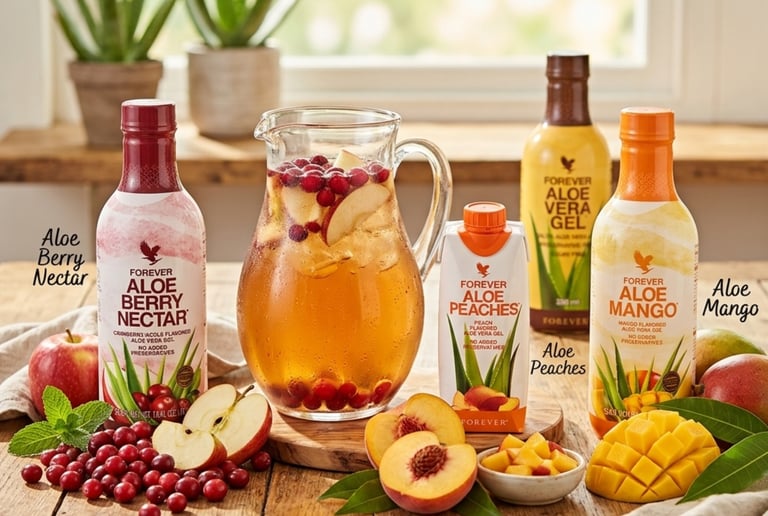
Forever Aloe Berry Nectar adds cranberry and apple to the original aloe base—providing additional antioxidants and urinary tract protection, which is especially relevant for diabetics who are more prone to urinary tract infections
Forever Aloe Bits n' Peaches adds peach flavour with real aloe pieces—the most popular flavour option for those who find the original taste too strong, while retaining the full aloe vera health benefits
Forever Aloe Mango provides a tropical flavour option with mango, making the aloe vera routine more sustainable for people who struggle with consistency
Green tea shows STRONG evidence for diabetics: the compound EGCG improves insulin sensitivity, reduces fasting blood sugar, and lowers HbA1c—2–3 cups daily or a quality extract
Cinnamon water/extract shows MODERATE evidence: studies show cinnamon reduces fasting blood sugar by 10–29% and improves insulin sensitivity—1–2 teaspoons daily in water or as an extract
Apple cider vinegar (diluted) shows MODERATE evidence: taken before high-carbohydrate meals, it blunts the blood sugar spike by slowing how fast carbohydrates are digested
Berberine-containing drinks show STRONG evidence for blood sugar: berberine activates the same cellular pathway as the diabetes medication metformin—significant drug interactions mean medical supervision is essential
Magnesium-rich drinks (including aloe vera-based beverages) support insulin sensitivity—50–70% of diabetics are low in magnesium, and low magnesium worsens insulin resistance
Avoid: sugary sports drinks, fruit juices (even "100% natural"), sweetened plant milks, energy drinks, sweetened coffee drinks—these cause significant blood sugar spikes in diabetics
Diabetes management requires medical treatment, regular monitoring, and lifestyle changes as the foundation—beverage supplements provide meaningful support but cannot replace these
Understanding Diabetes and Why What You Drink Matters
How Blood Sugar Works and What Goes Wrong in Diabetes
When you eat carbohydrates—bread, rice, fruit, vegetables, sugar—your digestive system breaks them down into glucose (a simple sugar). Glucose enters the bloodstream, causing blood sugar to rise. The pancreas detects this rise and releases insulin, which acts like a key unlocking the door of each cell—allowing glucose to move out of the blood and into the cells where it is used for energy or stored. In a healthy body, this process keeps blood sugar within a fairly narrow range throughout the day.
In type 2 diabetes, this system breaks down in two ways. First, the cells—particularly muscle cells, fat cells, and liver cells—stop responding properly to insulin's signal. This is insulin resistance: the key is still being made, but the lock doesn't work as well. The pancreas tries to compensate by making more and more insulin. For a while, this works—blood sugar stays normal but only because the pancreas is working overtime. Eventually, the pancreas cannot keep up, insulin production starts to decline, and blood sugar begins to stay elevated after meals and then even between meals. This is when type 2 diabetes is diagnosed.
The blood sugar levels that matter most are fasting blood sugar (measured after not eating for at least 8 hours—normal is below 5.6 mmol/L or 100 mg/dL), post-meal blood sugar (measured 2 hours after eating—normal is below 7.8 mmol/L or 140 mg/dL), and HbA1c (a blood test that shows the average blood sugar over the past 3 months—normal is below 5.7%, pre-diabetes is 5.7–6.4%, and diabetes is 6.5% and above). Managing all three of these numbers is the goal of diabetes treatment.
Why Beverages Matter More Than Most People Realise
What you drink throughout the day has a bigger impact on blood sugar management than most people realise—both positively and negatively. On the negative side, sugary drinks are one of the most direct drivers of elevated blood sugar—a single 330 ml can of regular soda contains about 35g of sugar, which is essentially pure glucose that hits the bloodstream very rapidly with no fibre or protein to slow it down. Fruit juice—even unsweetened, 100% fruit juice—causes significant blood sugar spikes in diabetics because all the natural fruit sugar is present without the fibre of the whole fruit. Energy drinks, sweetened teas, flavoured coffees, and sweetened plant milks are similarly problematic. These are not minor concerns—they represent real and consistent blood sugar management challenges for millions of people with diabetes.
On the positive side, certain beverages have been studied carefully enough to show genuine, measurable blood sugar benefits. The best ones work through several different mechanisms: slowing how fast sugar is absorbed from the gut (reducing post-meal spikes), improving how well cells respond to insulin, reducing the inflammation that worsens insulin resistance, supporting the gut microbiome that plays a surprisingly important role in blood sugar regulation, and providing polyphenols and antioxidants that protect the blood vessels and nerves that diabetes damages over time. Understanding these mechanisms helps explain why beverages like green tea, aloe vera-based drinks, cinnamon water, and properly diluted apple cider vinegar have earned genuine places in an evidence-based diabetic beverage routine.
The Forever Living Aloe Vera Gel Range for Diabetics
Why Aloe Vera Deserves Special Attention for Diabetes
Before covering the individual Forever Living flavours, it is worth understanding why aloe vera has emerged as one of the most studied plant-based beverages for people with diabetes and pre-diabetes.
The inner leaf gel of the aloe vera plant contains a substance called acemannan—a type of complex sugar molecule called a polysaccharide. Acemannan and the other bioactive compounds in aloe vera inner gel work through several mechanisms relevant to diabetes. Acemannan slows the absorption of glucose from the digestive system by forming a gentle gel-like barrier in the gut—meaning sugar enters the bloodstream more slowly after meals rather than in a sudden spike. It has been shown to modulate the activity of specific enzymes (including alpha-glucosidase) that break down complex carbohydrates into glucose in the gut—slowing this process directly reduces post-meal blood sugar rises. Aloe vera also contains compounds called anthraquinones and chromium, which independently support insulin sensitivity. Its anti-inflammatory properties reduce the low-grade chronic inflammation that worsens insulin resistance. It also supports gut health and the diversity of beneficial gut bacteria—and emerging research shows that the gut microbiome plays a significant role in insulin sensitivity and blood sugar regulation.
A 2016 systematic review and meta-analysis published in the Journal of Clinical Pharmacy and Therapeutics analysed eight clinical trials of aloe vera supplementation in people with pre-diabetes and type 2 diabetes. It found significant reductions in fasting blood sugar (average reduction of approximately 46.6 mg/dL in those with type 2 diabetes) and significant reductions in HbA1c (average reduction of approximately 1.05%)—clinically meaningful improvements that rival some oral diabetes medications. A 2015 randomised controlled trial found aloe vera gel supplementation (300 mg daily) reduced fasting blood sugar by 29% and HbA1c by 11% over 8 weeks in people with pre-diabetes.
Important note about aloe vera products: The research evidence relates specifically to inner leaf aloe vera gel—the clear, acemannan-rich gel from inside the leaf—not whole leaf preparations or preparations containing the bitter latex layer (aloin), which can cause gastrointestinal distress and is not appropriate for regular consumption. Forever Living Aloe Vera products are made from inner leaf gel, making them the appropriate type for the health purposes discussed here.
Drug interaction warning: Aloe vera gel has genuine blood sugar-lowering effects. If you are taking diabetes medications—especially insulin, metformin, sulfonylureas (like glipizide or gliclazide), or SGLT2 inhibitors—adding aloe vera gel drinks may lower your blood sugar further, creating a risk of hypoglycaemia. Monitor your blood sugar more closely when starting any aloe vera product, and discuss it with your doctor or diabetes nurse. This is not a reason to avoid aloe vera—it is a reason to be informed and monitored.
Forever Aloe Vera Gel — The Original
Forever Aloe Vera Gel is the flagship product of the Forever Living range and the one with the most direct alignment with the research evidence for blood sugar support. It is made from stabilised inner leaf aloe vera gel—the clear gel from inside the leaf of the Aloe barbadensis Miller plant, which is the species studied most extensively in clinical research. The inner leaf gel is carefully processed to preserve acemannan and other bioactive compounds, and is certified by the International Aloe Science Council (IASC)—an independent quality verification that ensures the product meets standards for aloe vera content and purity.
How it supports diabetic health: The original Forever Aloe Vera Gel provides the full range of aloe vera's blood sugar-relevant benefits in the most concentrated and unmodified form. It slows post-meal glucose absorption, reduces fasting blood sugar with consistent use, supports the gut microbiome that influences insulin sensitivity, reduces systemic inflammation, and provides vitamins (including B12, which is commonly depleted by the diabetes medication metformin), minerals, and amino acids that support overall metabolic health. It also has a gentle laxative-normalising effect on the gut—relevant for diabetics because gut motility issues are more common in diabetes due to nerve damage (called diabetic gastroparesis in more severe cases).
Taste and how to use it: The original aloe vera gel has a mild, slightly bitter, earthy taste that some people enjoy and others find takes getting used to. It is best consumed first thing in the morning on an empty stomach (10–30 minutes before breakfast), which allows the acemannan to coat the gut lining before food arrives and maximises its blood sugar-stabilising effect for the first meal of the day. The standard serving is about 60–120 ml (2–4 oz) daily. Some people prefer to mix it with a small amount of water or dilute it in a morning drink. There is no sugar in the original formula—it is sweetened only with a small amount of sorbitol, which has a minimal effect on blood sugar.
Who it is best for: People who want the most concentrated, research-aligned aloe vera gel for blood sugar support. People who do not mind a natural, slightly earthy taste. People who want to keep flavour additions and additional sugars to an absolute minimum.
Forever Aloe Berry Nectar — Cranberry and Apple Flavour
Forever Aloe Berry Nectar contains the same stabilised inner leaf aloe vera gel as the original product, with the addition of natural cranberry juice concentrate and apple juice—creating a sweeter, more tangy flavour that many people find much more enjoyable as a daily drink. For diabetics, this product offers the full blood sugar-relevant benefits of the original aloe gel plus additional health benefits that are specifically relevant to people with diabetes.
How it supports diabetic health: The aloe vera gel base provides all the same blood sugar-relevant benefits as the original—acemannan-mediated glucose absorption slowing, fasting blood sugar reduction, gut health support, and anti-inflammatory effects. The addition of cranberry brings a significant extra benefit for diabetics specifically. People with diabetes have a substantially higher risk of urinary tract infections (UTIs) than the general population—this is because high blood sugar provides an ideal environment for bacteria to grow, and high blood sugar in urine creates conditions that allow bacteria to multiply in the bladder and urinary tract. Cranberry contains compounds called proanthocyanidins (PACs) that prevent bacteria—particularly E. coli, the most common UTI-causing bacterium—from sticking to the walls of the urinary tract. Multiple studies confirm that regular cranberry consumption reduces UTI frequency, and this is one of the most clinically relevant additional benefits for diabetics specifically. Apple juice in the formula adds natural sweetness without a major blood sugar impact at the small amounts used, and contributes additional polyphenol antioxidants that support vascular health—particularly important given that diabetes accelerates blood vessel damage.
Taste and how to use it: Forever Aloe Berry Nectar has a pleasant, sweet-tangy cranberry-apple flavour that makes it the most approachable option for people transitioning from sweet drinks to healthier alternatives—it feels more like a fruit drink than a health supplement. Same serving size as original: 60–120 ml daily, ideally in the morning before breakfast. Because it contains small amounts of fruit juice, it has slightly more natural sugar than the original—but the amounts are modest and the overall sugar impact is very different from drinking straight fruit juice.
Who it is best for: Diabetics who find the original aloe taste too strong or bitter. Anyone who is particularly concerned about UTI prevention alongside blood sugar support. Those who want a more enjoyable daily drink experience that is still genuinely health-supporting.
Forever Aloe Bits n' Peaches — Peach Flavour with Real Aloe Pieces
Forever Aloe Bits n' Peaches is unique in the Forever Living aloe range because it contains not just aloe vera gel but also small pieces of actual aloe vera leaf—tiny bits of gel suspended in the drink, giving it a unique texture that many people love. The flavour is natural peach, creating a light, pleasant tropical taste. It consistently ranks as one of the most popular flavours in the Forever Living range for daily enjoyment.
How it supports diabetic health: The aloe vera gel base provides the same evidence-based blood sugar benefits as all products in the range—acemannan content supporting slower glucose absorption, gut microbiome support, anti-inflammatory action, and consistent use benefits for fasting blood sugar and HbA1c. The unique addition of aloe vera pieces (the "bits") means each serving contains more whole aloe vera material—giving a higher concentration of the fibre and structural polysaccharides from the aloe plant. Dietary fibre and polysaccharides from plant sources are among the most important dietary tools for blood sugar management in diabetics—they slow the speed at which food is digested and glucose enters the bloodstream, directly reducing post-meal blood sugar spikes. The extra fibre from the aloe pieces adds to the overall fibre intake of someone drinking this product regularly, which has cumulative benefit for blood sugar stability over time. Peach flavour comes from natural peach extract, which adds a pleasant taste without significantly affecting the sugar content.
Taste and how to use it: This is the most texturally interesting product in the range—the aloe pieces give a slight chewiness or gel-like texture that some people find genuinely enjoyable and others find unexpected on first try. The peach flavour is mild and refreshing. Best consumed at the same time as the other products—60–120 ml daily before breakfast or with the first meal of the day.
Who it is best for: Diabetics who enjoy a slightly more substantial texture in their drinks. People who want to maximise the aloe fibre content alongside the gel benefits. Those who enjoy tropical fruit flavours and want variety in their daily drink routine.
Forever Aloe Mango — Tropical Mango Flavour
Forever Aloe Mango combines the stabilised inner leaf aloe vera gel base with natural mango flavouring—creating a sweet, tropical-tasting drink that makes the daily aloe vera habit one of the easiest and most enjoyable to maintain. For many people, consistency is the single most important factor in whether a health supplement actually works—and Forever Aloe Mango is the option most likely to become a genuinely enjoyable daily ritual rather than something that feels like taking medicine.
How it supports diabetic health: All the core aloe vera gel blood sugar benefits apply to this product—acemannan's glucose absorption-slowing effect, gut health support, anti-inflammatory properties, and the cumulative fasting blood sugar and HbA1c improvements seen with consistent long-term use. The mango flavouring is derived from natural mango extract and does not significantly alter the sugar content relative to the original product. From a strictly blood sugar perspective, the original aloe gel has the most concentrated active ingredient profile—but the best supplement for a diabetic is the one they will actually take every single day, consistently. If the mango flavour makes that consistency achievable for someone who cannot tolerate the original taste, it is the right product for them.
Taste and how to use it: Sweet, tropical, and distinctly mango-flavoured—this is the product that tends to convert the most people from "I know I should take this" to "I actually look forward to my morning drink." Same serving recommendation: 60–120 ml daily, ideally before breakfast or with the first meal of the day. Can be combined with water or used as part of a morning wellness routine.
Who it is best for: Diabetics who want the aloe vera benefits but find the original, berry, or peach options unenjoyable. People who naturally prefer tropical fruit flavours. Those for whom taste enjoyment is the key factor in building a sustainable daily supplement habit.
How to Choose Between the Forever Aloe Vera Flavours
All four products in the Forever Living Aloe Vera range share the same stabilised inner leaf aloe vera gel foundation—meaning all four deliver the evidence-based blood sugar and health benefits associated with aloe vera. The differences lie in flavour, additional ingredients, and texture. Here is a simple decision guide:
If you want the purest, most concentrated aloe gel experience with the fewest additional ingredients → Original Aloe Vera Gel
If you want aloe gel benefits plus extra UTI protection (very relevant for diabetics) and prefer a sweet-tangy fruit taste → Aloe Berry Nectar
If you want aloe gel benefits plus extra fibre from aloe pieces and enjoy a light tropical taste with interesting texture → Aloe Bits n' Peaches
If taste enjoyment and daily consistency are your top priorities and you love tropical flavours → Aloe Mango
The most important thing is to choose the one you will actually drink every day. Consistency over weeks and months is what produces the blood sugar benefits seen in clinical research—a product you enjoy and reach for every morning beats a theoretically superior product that sits unused in the fridge.
The Best Additional Beverage Supplements for Diabetics
Green Tea: The Beverage with the Strongest Evidence
Green tea is the most evidence-backed beverage supplement for people with diabetes—with a large body of well-designed research showing meaningful benefits for blood sugar control, insulin sensitivity, and cardiovascular health (which is critically important given that heart disease is the leading cause of death in people with type 2 diabetes).
How it helps diabetics: Green tea contains a powerful antioxidant compound called EGCG (epigallocatechin gallate) that improves how cells respond to insulin—directly addressing the insulin resistance that is the core problem in type 2 diabetes. EGCG reduces the activity of enzymes in the gut that break down carbohydrates into glucose, slowing the speed at which carbohydrates raise blood sugar after meals. It reduces chronic low-grade inflammation that worsens insulin resistance. It has been shown to reduce the accumulation of fat in the liver (non-alcoholic fatty liver disease is very common in type 2 diabetes and worsens insulin resistance significantly). It also supports healthy cholesterol levels and blood pressure—both commonly problematic in diabetes.
What the research shows: A large 2013 meta-analysis of 17 randomised controlled trials found green tea supplementation significantly reduced fasting blood sugar and HbA1c in people with type 2 diabetes. A 2020 review of 27 clinical studies confirmed that both drinking green tea and taking green tea extract supplements produced significant improvements in insulin resistance, fasting glucose, and HbA1c. The effects are dose-dependent—2–3 cups of brewed green tea daily show benefits, and standardised green tea extract supplements (providing 400–800 mg EGCG daily) show stronger effects.
Drink 2–3 cups of high-quality brewed green tea daily, or take a standardised green tea extract supplement providing 400–800 mg EGCG. Choose unsweetened—adding sugar or honey completely negates the blood sugar benefits. Allow 8–12 weeks for measurable HbA1c improvements. Green tea contains caffeine (about 25–50 mg per cup)—if you are sensitive to caffeine, decaffeinated green tea extract supplements provide most of the same EGCG benefits. At very high doses of green tea extract (above 800 mg EGCG daily), rare liver concerns have been reported—stay within recommended doses.
Cinnamon Water and Cinnamon Extract
Cinnamon has been studied for its blood sugar effects for over two decades, and while the evidence is not entirely consistent, enough well-designed studies show meaningful benefits to make it one of the most practical and accessible beverage supplements for diabetics.
How it helps diabetics: Cinnamon contains compounds—particularly cinnamaldehyde and cinnamic acid—that improve insulin sensitivity at the cell level by mimicking some of insulin's actions and helping insulin receptors work more effectively. Cinnamon also reduces the activity of the same gut enzymes that break down carbohydrates into glucose, producing a similar meal-blunting effect to some diabetes medications. It has antioxidant and anti-inflammatory properties that support vascular health—directly relevant given the blood vessel damage that diabetes causes over time.
What the research shows: A 2003 landmark study published in Diabetes Care found that cinnamon reduced fasting blood sugar by 18–29% in people with type 2 diabetes over 40 days, with doses of 1–6 grams daily. A 2019 meta-analysis of 16 randomised controlled trials found cinnamon supplementation significantly reduced fasting blood sugar, post-meal blood sugar, and HbA1c. Effects were most consistent with Ceylon cinnamon (also called "true cinnamon") rather than Cassia cinnamon—an important distinction because Cassia cinnamon contains higher levels of a compound called coumarin, which can affect the liver at high doses with long-term use. For a beverage approach, add ½–1 teaspoon of Ceylon cinnamon to warm water, black coffee, or an aloe vera drink in the morning. Alternatively, use a standardised Ceylon cinnamon extract supplement (500–1,000 mg daily). Allow 6–8 weeks for measurable effects.
Apple Cider Vinegar Drinks (Properly Diluted)
Apple cider vinegar (ACV) has developed a very large following in the wellness world—some claims around it are exaggerated, but for specifically reducing post-meal blood sugar spikes in diabetics, the evidence is surprisingly solid.
How it helps diabetics: The acetic acid in apple cider vinegar slows the rate at which the stomach empties food into the small intestine—which directly slows the speed at which carbohydrates are broken down and glucose enters the bloodstream. This means blood sugar after a carbohydrate-containing meal rises more slowly and reaches a lower peak. ACV also appears to improve the uptake of glucose by muscle cells independently of this gastric emptying effect. It is most effective when taken specifically before or with high-carbohydrate meals, rather than at random times during the day.
What the research shows: A well-cited 2004 study published in Diabetes Care found that consuming 20 ml of apple cider vinegar before a high-carbohydrate meal reduced post-meal blood sugar by 20% and improved insulin sensitivity by 34% in people with type 2 diabetes and insulin-resistant individuals. A 2018 systematic review confirmed ACV consumption consistently reduced post-meal glucose responses across multiple studies. The effect is specifically on post-meal spikes—ACV has much weaker evidence for reducing fasting blood sugar.
How to use it safely: NEVER drink apple cider vinegar undiluted—it is highly acidic and can damage tooth enamel and the lining of the oesophagus. Always dilute 1–2 tablespoons (15–30 ml) in at least 200–250 ml of water. Drink through a straw if possible to protect teeth, and wait 30 minutes before brushing teeth afterwards. Take before the largest carbohydrate-containing meal of the day. People with gastroparesis (delayed stomach emptying caused by diabetic nerve damage) should avoid ACV because slowing stomach emptying further in this condition can worsen symptoms. ACV can interact with insulin and certain diabetes medications to cause hypoglycaemia—monitor blood sugar and discuss with your doctor.
Berberine Drinks and Supplements
Berberine is a natural compound found in several plants, and it is one of the most compelling natural blood sugar-lowering agents studied in rigorous clinical trials. The evidence for berberine specifically in type 2 diabetes is among the strongest of any natural supplement—but its significant drug interactions mean it must be approached with medical supervision.
How it helps diabetics: Berberine activates a cellular master switch called AMPK (AMP-activated protein kinase)—the exact same cellular pathway that the most widely prescribed diabetes medication, metformin, activates. When AMPK is switched on, cells become more sensitive to insulin, the liver produces less glucose, and cells take up more glucose from the bloodstream. Berberine also slows carbohydrate digestion in the gut, reduces inflammation, and has been shown to improve the profile of gut bacteria in ways that independently support insulin sensitivity.
What the research shows: A landmark 2008 study published in Metabolism compared berberine directly to metformin in people newly diagnosed with type 2 diabetes over 3 months. Berberine reduced HbA1c from 9.5% to 7.5%—exactly the same reduction as metformin. It also reduced fasting blood sugar by 20% and post-meal blood sugar by 28%. A 2012 meta-analysis of 14 randomised trials confirmed berberine significantly reduces fasting blood sugar, post-meal blood sugar, HbA1c, and triglycerides in people with type 2 diabetes and pre-diabetes. These are genuinely impressive results for a natural compound. Berberine can be taken as a supplement (500 mg two to three times daily with meals) or found in drinks and functional beverages marketed for metabolic health. The standard supplement form is more reliable in terms of dose than most functional beverages. Allow 8–12 weeks for full effect. Medical supervision is essential because berberine combined with metformin, insulin, or other diabetes medications can cause blood sugar to drop too low—your doctor may need to adjust your medication doses.
Magnesium-Rich Drinks and Supplemental Magnesium
Magnesium is an essential mineral involved in over 300 enzymatic reactions in the body—and its relationship with diabetes is both well-established and underappreciated. A large proportion of people with type 2 diabetes are low in magnesium, and this deficiency makes blood sugar control meaningfully harder.
How it helps diabetics: Magnesium is directly required for insulin to work properly—it is part of the insulin receptor activation process that allows cells to take up glucose from the blood. When magnesium is too low, insulin receptors do not respond as well, and insulin resistance increases. Magnesium also regulates the glucose transporter proteins that move sugar from the blood into cells. Additionally, low magnesium activates inflammatory pathways that worsen insulin resistance, and it is required for the enzymes involved in glucose metabolism in virtually every cell of the body. Diabetes and high blood sugar itself causes the kidneys to excrete more magnesium in urine—creating a vicious cycle where diabetes depletes magnesium and low magnesium makes diabetes harder to control.
What the research shows: A large 2013 meta-analysis found that dietary magnesium intake was inversely associated with type 2 diabetes risk—people with the highest magnesium intake had a 23% lower risk of developing type 2 diabetes. Multiple clinical trials of magnesium supplementation in people with type 2 diabetes have found improvements in fasting blood sugar, insulin sensitivity, and HbA1c. A 2015 trial found magnesium supplementation (382 mg daily for 4 months) significantly reduced fasting blood sugar, insulin resistance, and HbA1c compared to placebo in people with both magnesium deficiency and type 2 diabetes. From a beverage perspective, magnesium can be added to water using magnesium powder supplements (magnesium glycinate or citrate powder dissolved in water), or obtained through magnesium-rich drinks like mineral water, certain smoothies, and the aloe vera gel products in the Forever Living range which naturally contain magnesium alongside other minerals.
Hibiscus Tea
Hibiscus tea—the same tart, cranberry-like herbal tea discussed in the blood pressure guide—has emerging evidence specifically for blood sugar management in diabetics, in addition to its well-studied blood pressure benefits.
How it helps diabetics: Hibiscus contains anthocyanins and polyphenols with antioxidant properties that reduce the oxidative stress damaging blood vessels in diabetes. It inhibits alpha-glucosidase—the same enzyme that the diabetes medication acarbose inhibits—slowing carbohydrate digestion and reducing post-meal blood sugar rises. It also has anti-inflammatory properties relevant to the chronic inflammation that worsens both insulin resistance and the cardiovascular damage of diabetes. Given that people with diabetes have significantly elevated cardiovascular risk, hibiscus's blood pressure-lowering ACE-inhibitory effects (well-documented in clinical trials) make it doubly relevant for this population.
What the research shows: A 2013 study in the Journal of Alternative and Complementary Medicine found that hibiscus tea consumption for 4 weeks significantly reduced fasting blood sugar in people with type 2 diabetes—though effects were more modest than green tea in head-to-head comparisons. The combined blood pressure and blood sugar benefits make hibiscus tea a particularly practical drink for diabetics who also have hypertension—which describes the majority, since high blood pressure is extremely common in type 2 diabetes. Drink 2–3 cups of strongly brewed hibiscus tea daily (unsweetened). Allow 4–8 weeks for measurable changes.
Lifestyle: The Foundation of Diabetes Management
The essential principle: Beverage supplements provide meaningful support—but the foundation of blood sugar management is lifestyle, which accounts for the large majority of non-medication improvement that is possible. No beverage supplement compensates for a diet high in refined carbohydrates and sugar, a sedentary lifestyle, chronic sleep deprivation, or unmanaged stress. Getting these right is not optional—it is what determines whether blood sugar stays in a manageable range day to day.
What to Eat and What to Drink
The most effective dietary pattern for blood sugar management in type 2 diabetes is a low-glycaemic, high-fibre approach built around non-starchy vegetables (which should fill half the plate at every meal), quality proteins (fish, poultry, eggs, legumes, tofu), healthy fats (avocado, olive oil, nuts, seeds), and moderate amounts of complex whole grains (oats, quinoa, barley, brown rice). Processed foods, refined flour products, sugary foods and drinks, and large portions of starchy foods need to be significantly reduced. Spreading carbohydrates evenly across the day rather than eating large carbohydrate-heavy meals prevents the large blood sugar spikes that are the most damaging pattern for diabetic health.
For beverages specifically: water should be the primary drink every day—aim for 8–10 glasses (2–2.5 litres), more in hot weather or when exercising. Chronic mild dehydration raises blood sugar concentration in the bloodstream and reduces kidney function that helps clear excess glucose. Unsweetened green tea, hibiscus tea, black tea, and plain coffee (in moderate amounts) are all appropriate choices. The Forever Living Aloe Vera range products make excellent morning drinks or pre-meal beverages. The absolute priorities to avoid are regular soft drinks, sweetened fruit juices, sweetened plant milks, energy drinks, sweetened coffee beverages, and alcohol in significant quantities—all of which significantly worsen blood sugar control.
Physical Activity and Blood Sugar
Physical activity is one of the most powerful blood sugar management tools available—in some ways more powerful than any supplement or medication for improving insulin sensitivity. When muscles contract during exercise, they are able to take up glucose from the bloodstream without needing as much insulin—this effect lasts for hours after exercise stops. A 15-minute walk after each main meal has been shown in clinical trials to reduce post-meal blood sugar significantly—it is one of the simplest and most effective interventions a diabetic person can make. Aim for at least 150 minutes of moderate aerobic activity weekly (brisk walking, cycling, swimming, dancing) combined with resistance training 2–3 times weekly (which builds muscle mass and permanently improves insulin sensitivity). Reducing prolonged sitting—standing up and moving for a few minutes every 30–60 minutes during desk work—also measurably improves blood sugar control throughout the day.
Sleep and Stress
Both chronic poor sleep and chronic stress directly worsen blood sugar control in diabetes—and both are extremely common in people managing this condition. Poor sleep raises cortisol (the stress hormone that pushes blood sugar higher and worsens insulin resistance), disrupts appetite-regulating hormones (causing carbohydrate cravings the following day), and reduces the restorative processes that maintain insulin sensitivity. Just one night of poor sleep measurably worsens insulin resistance the next morning. Aim for 7–9 hours of quality sleep on a consistent schedule. Chronic psychological stress activates the sympathetic nervous system, releasing adrenaline and cortisol that raise blood sugar as a survival mechanism—when this happens continuously in response to daily stress rather than genuine physical danger, it becomes a constant blood sugar management challenge. Daily stress management practices—slow breathing, meditation, walking in nature, therapy, and setting appropriate limits on demands—are genuinely therapeutic for diabetes, not just general wellbeing.
Frequently Asked Questions
Can I use these beverage supplements instead of my diabetes medication?
No—this needs to be stated very clearly. Diabetes medications—including metformin, SGLT2 inhibitors, GLP-1 receptor agonists, DPP-4 inhibitors, sulfonylureas, and insulin—have been tested in large clinical trials involving thousands of people over many years. They have proven, measurable effects on HbA1c, blood sugar control, and—for several newer medication classes—significant reductions in heart attack, stroke, kidney disease progression, and death. The beverage supplements in this guide produce meaningful but more modest blood sugar effects—typically improvements of 0.3–1.0% in HbA1c with consistent use—which is supportive and genuinely valuable, but not equivalent to the effects of properly dosed medication. Never stop, reduce, or skip your diabetes medications in favour of beverage supplements without your doctor's explicit guidance. The appropriate relationship between these two approaches is this: medication provides the essential blood sugar management that supplements alone cannot reliably achieve; lifestyle and targeted beverage supplements reduce the metabolic burden that medication has to overcome, potentially allowing smaller doses over time as blood sugar improves—but always under medical supervision. If you are interested in reducing your medication because your blood sugar has improved with lifestyle changes, have that conversation with your doctor, who can safely guide the process.
How long does it take to see blood sugar improvements from these beverages?
Understanding realistic timelines prevents the discouragement that leads people to abandon effective approaches too early. Forever Aloe Vera Gel products typically show measurable effects on fasting blood sugar within 4–8 weeks of consistent daily use—though the HbA1c improvement (which reflects a 3-month average) will only be visible at your next HbA1c blood test. Green tea's effects on post-meal blood sugar are relatively immediate with each cup—the enzyme-slowing effect works within the digestive window of that meal—but measurable HbA1c improvements require 8–12 weeks of consistent daily consumption. Apple cider vinegar's effect on post-meal blood sugar is also meal-specific and immediate—you will see its effect by testing your blood sugar 1–2 hours after a meal with and without ACV. Cinnamon shows measurable fasting blood sugar effects within 4–8 weeks. Berberine (the strongest natural blood sugar supplement) typically produces measurable HbA1c changes within 8–12 weeks. The practical advice is to commit to any new beverage routine for a minimum of 3 months before evaluating its effect—and to use your blood sugar meter at home to track the impact of specific beverages on post-meal spikes, which gives you much faster feedback than waiting for quarterly HbA1c tests.
Are there any beverage supplements I should completely avoid with diabetes?
Yes—several categories are genuinely dangerous or counterproductive for blood sugar management, and they are aggressively marketed in the wellness space. Sugary "detox" or "cleanse" drinks—including many that contain fruit juice concentrates, honey, dates, agave, or large amounts of dried fruit—cause significant blood sugar spikes and should be avoided entirely. So-called "superfood" smoothie powders that contain significant amounts of dried fruit powder, high-sugar fruits, or sweetened protein bases are often much worse for blood sugar than their health marketing suggests—always check the total carbohydrate and sugar content on the label. Kombucha (fermented tea) is often marketed as a health drink, but most commercial kombucha contains significant residual sugar from fermentation and should be treated as a sugary drink by diabetics. Coconut water, despite being natural, is high in natural sugar and raises blood sugar significantly. Sweetened plant milks (oat milk, rice milk, flavoured almond milks) contain more carbohydrates than dairy milk and can affect blood sugar. Alcohol—particularly sweet wines, cocktails, ciders, and beers—contains significant sugar alongside the alcohol, which complicates blood sugar management in multiple ways (alcohol can both raise and dangerously lower blood sugar depending on timing and medication). If you are unsure whether a specific drink is appropriate, test your blood sugar before and 1–2 hours after consuming it—this gives you direct personal evidence of its effect.
I have both diabetes and kidney disease—are these beverage supplements safe for me?
Diabetic kidney disease (also called diabetic nephropathy) is a very common complication of diabetes and requires special attention when considering supplements. The kidneys are responsible for filtering and excreting many substances from the body—when kidney function is impaired, certain supplements can accumulate to dangerous levels. Magnesium supplements require caution in kidney disease because impaired kidneys cannot excrete excess magnesium efficiently, creating a risk of high magnesium levels (hypermagnesaemia). Apple cider vinegar in large amounts can potentially worsen kidney strain due to its acidic nature. Very high doses of vitamin C (sometimes added to functional beverages) can form kidney stones in susceptible individuals. Herbal supplements including berberine require extra caution with impaired kidney function. The Forever Living Aloe Vera range is generally considered safe in mild-to-moderate kidney disease at normal serving sizes, but you should always discuss any supplement with your nephrologist (kidney specialist) or diabetes doctor if you have chronic kidney disease—particularly stages 3 and above (eGFR below 60). The safest and most important beverage for diabetics with kidney disease is water—adequate hydration is protective for kidney function, and many people with kidney concerns actually do not drink enough water out of fear of fluid overload (which is generally not a concern unless kidney disease is very advanced or heart failure is also present). Discuss specific fluid targets with your kidney specialist.
How do I fit all of these beverages into a practical daily routine without it feeling overwhelming?
The most effective daily beverage routine for a diabetic is one that is simple enough to maintain consistently—not one that is theoretically optimal but practically unsustainable. Here is a realistic daily framework that incorporates the most evidence-backed options without requiring major time or effort. In the morning before breakfast: 60–120 ml of your chosen Forever Living Aloe Vera gel product (original, berry, peach, or mango—whichever you enjoy most and will actually drink every day), followed by a glass of water. With breakfast: a cup of unsweetened green tea. Mid-morning: plain water as your primary hydration throughout the morning. Before your main meal: if you typically eat a carbohydrate-heavy lunch or dinner, have a glass of properly diluted apple cider vinegar (1 tablespoon in 250 ml water) 10–15 minutes before the meal. During the afternoon: a cup of hibiscus tea or a second cup of green tea. With dinner or before bed: a second glass of water, and if you enjoy it, a light cinnamon tea (simply steep a cinnamon stick in hot water for 5–10 minutes). The entire routine takes no more than a few minutes of preparation per day. The most important habits are the morning aloe vera drink and the consistent throughout-the-day water intake—these two alone, done consistently, provide the majority of the beverage-based blood sugar benefit described in this guide.
Conclusion
Managing diabetes is a lifelong commitment—and the choices you make about what you drink every single day are a more significant part of that picture than most people realise. The right beverages can slow how fast sugar enters your bloodstream, improve how well your cells respond to insulin, reduce the inflammation that makes diabetes harder to control, protect your kidneys and blood vessels from the damage that high blood sugar causes, and make the overall daily experience of managing diabetes feel more positive and sustainable.
The Forever Living Aloe Vera range—original, berry nectar, bits n' peaches, and mango—provides the most accessible way to incorporate the evidence-based blood sugar benefits of inner leaf aloe vera acemannan into a daily routine, with a flavour for every preference. The original gel offers the most concentrated and research-aligned aloe experience. Berry Nectar adds valuable UTI protection particularly relevant for diabetics. Bits n' Peaches adds extra fibre from real aloe pieces alongside a refreshing peach taste. Mango brings the tropical enjoyment that turns a daily health routine into something genuinely looked forward to. All four share the same quality standard, IASC certification, and inner leaf gel foundation that makes Forever Living's aloe products genuinely distinctive in the marketplace.
Alongside the aloe vera range, green tea provides the strongest evidence-based beverage benefit for blood sugar and cardiovascular protection. Cinnamon in water or morning oats slows carbohydrate digestion naturally and enjoyably. Apple cider vinegar (properly diluted) blunts the post-meal spikes that cause the most blood vessel damage. Berberine, used under medical supervision, offers pharmaceutical-grade blood sugar improvements from a natural source. And magnesium—whether from supplements dissolved in water or from mineral-rich foods and drinks—corrects the deficiency that silently worsens insulin resistance in the majority of people with type 2 diabetes.
None of these beverages are magic. All of them, chosen wisely and consumed consistently within a foundation of evidence-based eating, regular movement, quality sleep, and properly managed medical treatment, genuinely contribute to better blood sugar numbers, more stable daily energy, and a reduced risk of the long-term complications that make diabetes a life-altering condition. What you drink matters. Make those choices count.
References and Further Reading
For accurate, evidence-based information about diabetes management and beverage supplement research, these are reliable sources:
International Diabetes Federation — https://www.idf.org/ Global diabetes statistics, clinical guidelines, and patient resources for diabetes management worldwide.
American Diabetes Association — https://www.diabetes.org/ Evidence-based standards of medical care in diabetes, nutrition guidelines, and comprehensive patient education resources.
National Institutes of Health Office of Dietary Supplements — https://ods.od.nih.gov/ Fact sheets on magnesium, green tea, cinnamon, and other supplements including summaries of diabetes-relevant clinical evidence.
Diabetes UK — https://www.diabetes.org.uk/ UK-specific clinical guidance, food and drink advice for diabetics, and evidence-based lifestyle management resources.
International Aloe Science Council — https://www.iasc.org/ Quality standards for aloe vera products, certification information, and guidance on identifying genuine inner leaf aloe vera preparations.
About the Author
Naddy is a wellness enthusiast and content creator behind Wellness With Forever. She focuses on simple, practical tips to support a healthy lifestyle through nutrition, movement, and mindful habits—with a particular focus on making evidence-based health information accessible and actionable for people managing chronic health conditions like diabetes.
Disclaimer
This information is for educational purposes only and does not replace professional medical care. Diabetes is a serious medical condition requiring diagnosis, monitoring, and treatment by qualified healthcare providers. Never stop, reduce, or change your diabetes medications without your doctor's guidance. Some beverage supplements—including aloe vera, berberine, apple cider vinegar, and cinnamon—have genuine blood sugar-lowering effects that can interact with diabetes medications to cause hypoglycaemia (dangerously low blood sugar). Monitor blood sugar more frequently when introducing any new supplement, and inform your doctor of everything you are taking. People with diabetic kidney disease should consult their specialist before taking any supplements. Symptoms of hypoglycaemia (shakiness, sweating, dizziness, confusion, fast heartbeat) require immediate treatment and medical attention. This guide is for education only and is not a substitute for personalised medical advice.
About Us
Follow
© 2025. WellnessWithForever
SUBSCRIBE