Building a Strong Immune System: Natural Ways to Boost Immunity Year-Round
Discover natural ways to boost immunity with Forever Living support. Complete guide + 4-week plan. Did you know 70-80% of your immune system is in your gut?
by WellnessWithForever
12/27/202515 min read
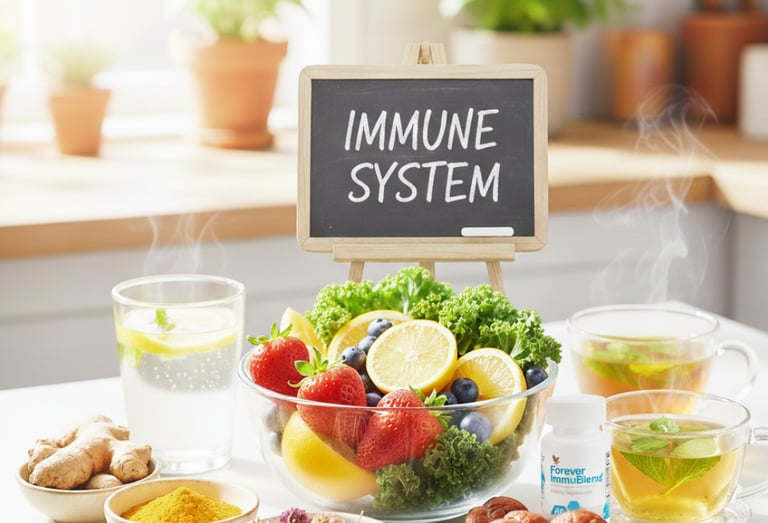
Building a Strong Immune System: Natural Ways to Boost Immunity Year-Round
By WellnessWithForever 27 December 2025: This post might contain affiliate links.
The immune system is your body's sophisticated defense network, protecting you daily from billions of potential threats including bacteria, viruses, fungi, parasites, and abnormal cells. This complex system involves specialized cells, organs, proteins, and chemical messengers working in coordinated defense responses that often occur without your awareness.
Understanding how to genuinely support immune function requires distinguishing between evidence-based interventions and marketing claims. While "boosting immunity" is a popular phrase, research shows that immune health depends on balance—not simply "more" immune activity, which can cause allergies and autoimmune conditions. The goal is optimally functioning, well-regulated immunity.
Your immune system doesn't operate in isolation. It connects intimately with digestive, nervous, and endocrine systems, meaning factors affecting one area of health inevitably influence immunity. Sleep quality, stress levels, nutritional intake, physical activity, and environmental exposures all contribute to how effectively your defenses function.
Modern lifestyles present challenges: processed foods lacking essential nutrients, chronic stress preventing recovery, poor sleep quality, environmental toxins, sedentary habits, and antibiotic overuse. These factors can compromise immune function, leading to frequent infections, slow healing, persistent fatigue, and increased inflammation.
However, immune function responds to modifiable factors. Research establishes that nutrition, stress management, sleep quality, regular exercise, and potentially targeted supplementation genuinely affect immune markers and outcomes. Individual responses vary, and realistic expectations about effect magnitude are important.
Forever Living offers immune support products including Forever ImmuBlend, Forever Bee Propolis, Forever Bee Pollen, Forever Active Probiotic, Forever Daily, Forever Arctic Sea, Forever Aloe Vera Gel, and Forever Pomesteen Power. This guide evaluates these products within research frameworks while providing evidence-based strategies for supporting immune health.
Medical Disclaimer: These products are not medications and cannot diagnose, treat, cure, or prevent diseases. Frequent infections, persistent immune symptoms, suspected immune deficiency, or autoimmune conditions require medical evaluation. Immunocompromised individuals should consult healthcare providers before taking supplements. Never delay medical care for supplements. This information is educational and does not replace professional medical advice.
Key Takeaways
Immune function depends on balance between innate (immediate) and adaptive (learned) responses working together
Deficiencies in key nutrients (vitamin D, zinc, vitamin C, protein) measurably impair immune function
Gut health significantly affects immunity through gut-associated lymphoid tissue and microbiome influence
Sleep quality (7-9 hours), stress management, and moderate exercise have established effects on immune markers
Evidence quality for specific supplements varies—some show modest research support, others lack robust trials
Individual response to interventions varies based on baseline status, genetics, age, and health conditions
No supplement "dramatically boosts" immunity or guarantees disease prevention
Persistent immune problems require medical evaluation for proper diagnosis and treatment
How Your Immune System Works
Two-Layered Defense System
Innate Immunity—Immediate Response:
Your first line of defense responds within minutes to hours using non-specific mechanisms:
Physical barriers: Skin and mucous membranes block pathogen entry
Chemical barriers: Stomach acid, antimicrobial enzymes in saliva and tears
Cellular defenders: Neutrophils, macrophages, natural killer cells attack recognized threats
Complement proteins: Mark pathogens for destruction
Innate immunity provides rapid protection but has no memory—it responds identically to repeated exposures.
Adaptive Immunity—Learned Defense:
This sophisticated system develops throughout life:
Creates pathogen-specific antibodies (immunoglobulins)
Generates memory cells recognizing previous invaders
Mounts faster, stronger responses upon re-exposure
Takes days to weeks for initial activation
Adaptive immunity explains why most people get chickenpox only once—your immune system "remembers" and prevents reinfection. Vaccines train this system without causing actual illness.
Critical Balance:
Overactive immunity causes allergies and autoimmune diseases. Underactive immunity increases infection risk. The goal is balanced, appropriately responsive immunity—not simply "more."
Where Immunity Happens
Bone marrow: Produces all immune cells from stem cells
Thymus: Trains T-cells to distinguish self from foreign, most active in childhood
Spleen: Filters blood, removes old cells, stores immune cells, fights blood-borne infections
Lymph nodes: Filter lymph fluid, house immune cells, swell during active immune responses
Gut-associated lymphoid tissue (GALT): The digestive tract contains substantial immune tissue—estimates suggest significant percentages of immune cells, though exact numbers vary by measurement method. The gut interfaces with external environment through food and microbes, requiring intense immune surveillance.
Recognizing When Immunity Needs Support
Your body signals immune status through various symptoms. Recognizing these helps identify when additional support may benefit you, though medical evaluation is essential for persistent problems.
Frequent or prolonged infections:
Adults typically experience 2-3 colds yearly
Significantly exceeding this, catching every circulating virus, or experiencing prolonged illness (>10-14 days) may indicate compromised immunity
Exposure level matters—those with young children or in healthcare encounter more pathogens
Slow wound healing:
Cuts/scrapes taking weeks to heal (should heal in days to a week)
Immune cells play crucial roles in tissue repair and infection prevention
Persistent slow healing suggests impaired immune responses
Digestive problems:
Ongoing symptoms (chronic diarrhea, constipation, bloating) may reflect gut-immune dysfunction
Sudden food sensitivities might indicate compromised gut barrier integrity
The gut-immunity connection is bidirectional
Persistent fatigue:
Exhaustion despite adequate sleep can indicate chronic immune activation
When fighting low-grade infections or inflammation, energy diverts to immune processes
Chronic inflammation:
Persistent joint aches, skin conditions (eczema, psoriasis), generalized discomfort
Suggests immune system isn't properly resolving inflammatory processes
When to seek medical evaluation:
Severe or worsening symptoms
Frequent severe infections requiring medical treatment
Infections not resolving with standard treatment
Unexplained weight loss, persistent fever, severe fatigue
Suspected autoimmune symptoms
Nutrition for Immune Function
Specific nutrients are essential for immune cell development and function. However, the relationship between supplementation and outcomes is complex.
Vitamin C: Necessary But Not Miraculous
Essential functions:
Supports neutrophil and phagocyte function (cells that engulf pathogens)
Maintains epithelial barrier integrity (first-line defense)
Acts as antioxidant protecting immune cells during pathogen destruction
Deficiency clearly impairs immunity:
Scurvy from severe deficiency causes immune dysfunction
Adequate intake necessary for normal immune function
Supplementation evidence (important nuance):
Does NOT prevent common colds in general population
May reduce cold duration by ~8% (modest—about half a day for typical week-long cold)
May reduce cold incidence in people under extreme physical stress (marathon runners, subarctic soldiers) but not general population
Food sources (mg per serving):
Red bell peppers: 190mg per cup
Orange: 70mg per medium fruit
Strawberries: 85mg per cup
Broccoli: 80mg per cup cooked
Kiwi: 64mg per fruit
Realistic assessment: Adequate vitamin C through diet supports immune function. Supplementation beyond adequacy provides minimal additional benefit for most people, though it's generally safe at reasonable doses (excessive amounts cause digestive upset).
Vitamin D: Immune Modulator
Critical immune roles:
Activates T-cells enabling them to function
Modulates both innate and adaptive immune responses
Supports antimicrobial peptide production
Regulates inflammatory processes
Deficiency associations:
Increased infection risk
Higher rates of autoimmune diseases
Poor immune responses to vaccines
Supplementation evidence:
Correcting documented deficiency likely improves immune outcomes
Benefits clearest when addressing actual deficiency
Supplementation in vitamin D-replete individuals has limited evidence for additional immune enhancement
Sources:
Sunlight: 15-30 minutes midday exposure on arms/legs several times weekly (varies by latitude, season, skin pigmentation, age)
Food sources limited: Fatty fish (400-600 IU per 3oz), egg yolks (40 IU), fortified foods (100-150 IU)
Practical approach: Testing (25-hydroxyvitamin D blood test) identifies deficiency. Many people, especially in northern latitudes or with limited sun exposure, have insufficient levels. Supplementation (1000-2000 IU daily) reasonable for many adults, particularly in winter.
Zinc: Essential for Immune Development
Crucial functions:
Required for immune cell development and T-cell function
Supports natural killer cell activity
Necessary for antibody production
Maintains skin and mucous membrane integrity
Deficiency significantly impairs immunity:
Reduces immune cell numbers
Impairs cell function
Increases infection susceptibility
Supplementation evidence:
Clearly beneficial when correcting deficiency
Zinc lozenges may reduce cold duration when started within 24 hours of symptom onset (modest effects, individual variation)
Excessive supplementation (>40mg daily long-term) can actually impair immunity and interfere with copper absorption
Food sources (mg per serving):
Oysters: 74mg per 3oz (exceptionally high)
Beef: 7mg per 3oz
Pumpkin seeds: 2.5mg per ounce
Cashews: 1.6mg per ounce
Chickpeas: 2.5mg per cup
Important note: Zinc from animal sources is better absorbed than plant sources (phytates in plants bind zinc). Vegetarians/vegans may need higher intake.
Protein: Building Blocks of Immunity
Adequate protein is essential for producing immune cells and antibodies. Severe protein deficiency clearly impairs immunity.
Quality sources:
Lean meats, poultry, fish: Complete proteins with all essential amino acids
Eggs: Highly bioavailable protein plus immune-supporting nutrients
Dairy: Protein plus calcium, vitamin D (if fortified)
Legumes: Plant protein plus fiber
Nuts and seeds: Protein plus healthy fats and minerals
Recommendations: 0.8g per kg body weight daily minimum. Some research suggests 1.0-1.2 g/kg may support immunity in older adults or during illness recovery.
Omega-3 Fatty Acids: Anti-Inflammatory Balance
EPA and DHA (from marine sources) have well-established anti-inflammatory properties helping balance immune responses.
Immune-relevant effects:
Reduce inflammatory markers (CRP, IL-6, TNF-α)
Support immune cell membrane function
Contribute to inflammation resolution (returning to normal after immune responses)
May enhance antibody production
Sources:
Fatty fish (salmon, mackerel, sardines): Highest EPA/DHA
Walnuts, flaxseeds, chia seeds: ALA (plant omega-3 with limited conversion to EPA/DHA)
Evidence: Direct evidence for preventing infections is limited. Benefits likely come from anti-inflammatory effects supporting balanced immunity rather than direct immune stimulation.
Probiotics and Fermented Foods
The gut microbiome influences immune development and function. Beneficial bacteria interact with gut immune tissue.
Fermented food sources:
Yogurt, kefir: Live cultures (choose minimal added sugar)
Sauerkraut, kimchi: Refrigerated versions contain live bacteria
Miso, tempeh: Fermented soy products
Kombucha: Fermented tea (watch sugar content)
Evidence: Some probiotic strains show modest effects on respiratory infection frequency and duration (effects are strain-specific, not all probiotics provide benefits, individual response variable).
Dietary Patterns: The Bigger Picture
Overall dietary quality affects health including immune function more than isolated nutrients.
Mediterranean diet:
Emphasizes vegetables, fruits, whole grains, legumes, nuts, olive oil, fish
Limits red meat and processed foods
Consistently associated with lower inflammation markers in observational studies
General immune-supporting principles:
Diverse plant foods providing fiber, vitamins, minerals, phytonutrients
Adequate high-quality protein for immune cell production
Healthy fats (olive oil, nuts, fatty fish) providing anti-inflammatory compounds
Limited processed foods, added sugars, unhealthy fats
Adequate hydration supporting all bodily functions
Lifestyle Factors: Beyond Nutrition
Sleep: When Immunity Maintains Itself
Sleep and immunity have bidirectional relationships—sleep supports immune function while immune activation affects sleep.
How sleep supports immunity:
Produces and releases cytokines (proteins fighting infection and regulating inflammation)
Enhances T-cell function
Improves antibody production
Consolidates immune memory
Reduces inflammatory markers
Sleep deprivation effects:
Reduced antibody responses to vaccines
Increased infection susceptibility (people sleeping <6 hours have ~4× higher cold risk than those sleeping 7+ hours)
Altered cytokine production
Reduced T-cell and natural killer cell activity
Increased inflammation
Recommendations:
Duration: 7-9 hours for most adults (individual variation exists)
Consistency: Same bedtime/wake time daily including weekends
Quality: Uninterrupted sleep through all stages
Environment: Dark, quiet, cool (60-67°F / 15-19°C)
Sleep hygiene practices:
Consistent wind-down routine
Limit screens 1-2 hours before bed (blue light suppresses melatonin)
Avoid caffeine after early afternoon
Manage stress before bedtime
Comfortable sleep surface
Stress Management: Preventing Immune Suppression
Chronic stress has established negative effects on immune function through hormonal and inflammatory pathways.
How chronic stress impairs immunity:
Elevated cortisol reduces white blood cell numbers and function
Impairs T-cell and natural killer cell activity
Decreases antibody production
Paradoxically increases inflammatory cytokines (chronic inflammation)
Suppresses gut immunity and alters microbiome
Can reactivate latent viruses (cold sores from herpes simplex)
The stress-inflammation cycle: Stress triggers inflammation, which activates stress responses, creating exhausting cycles.
Evidence-based stress management:
Meditation/mindfulness: Regular practice reduces cortisol and inflammatory markers
Physical activity: Exercise reduces stress hormones, improves mood
Social connection: Strong relationships buffer stress impacts on health
Nature exposure: Time outdoors reduces stress markers, may increase certain immune cells
Professional support: Therapy for chronic stress, anxiety, or depression
Exercise: Dose-Dependent Effects
Exercise has complex dose-dependent effects—moderate regular activity enhances immunity while excessive intense training without adequate recovery can temporarily suppress it.
How moderate exercise supports immunity:
Improves circulation, helping immune cells move throughout body
Reduces chronic inflammation
Supports gut microbiome diversity
Improves sleep quality
Manages stress effectively
May slow some immune system aging aspects
The "open window" effect: Intense prolonged exercise (marathons, ultraendurance) without adequate recovery temporarily suppresses immunity for several hours afterward. Athletes often become ill after major events. Balance matters.
Recommendations for immune health:
Moderate-intensity activity 30-45 minutes most days (brisk walking, cycling, swimming, dancing)
Activities raising heart rate but allowing conversation
Resistance training 2-3 times weekly
Balance intensity with adequate recovery
Adequate nutrition for activity level
Prioritize sleep for recovery
Hydration: Often Overlooked
Adequate hydration supports every system including immunity.
Why hydration matters:
Lymphatic system (transporting immune cells) requires adequate fluid
Mucous membranes (first defense in respiratory/digestive tracts) need hydration
Cellular processes including immune cell production require water
Toxin/waste elimination depends on adequate hydration
Recommendations:
Minimum 64 ounces (8 glasses) water daily for most adults
More if exercising, in hot weather, or ill
Urine should be pale yellow
Don't wait until thirsty (indicates dehydration already occurring)
Forever Living Products: Evidence-Based Evaluation
Forever ImmuBlend: Multi-Component Formula
Contains: Vitamin D3, zinc, vitamin C, mushroom extracts (maitake, shiitake with beta-glucans)
Component evidence:
Vitamin D3, zinc, vitamin C: Essential for immune function. Deficiency impairs immunity. Supplementation benefits clearest when correcting documented deficiency. Benefits beyond adequacy less established.
Mushroom beta-glucans: In vitro and animal studies show immune modulation. Human clinical evidence limited and inconsistent. Some small studies suggest possible immune cell activation. Quality and bioavailability variable.
Realistic assessment: May provide nutritional support, particularly for those with inadequate dietary intake. Works best as part of overall healthy lifestyle, not standalone intervention. Individual response variable. Not disease prevention or cure.
Appropriate uses: Ensuring nutritional adequacy, during high-risk periods (cold/flu season, travel, stress), as part of comprehensive wellness approach, for individuals with documented deficiencies.
Forever Bee Propolis: Resinous Defense
What it is: Resinous substance bees create from plant resins, beeswax, and secretions to protect hives. Contains 300+ compounds including flavonoids, phenolic acids, terpenoids.
Evidence:
In vitro: Shows antimicrobial properties (antibacterial, antiviral, antifungal in test tubes)
Animal studies: Suggest anti-inflammatory and immune-modulating effects
Human clinical trials: Limited small studies suggest propolis may reduce cold duration/severity (modest effects, variable results)
Composition varies significantly by geographic plant sources
Realistic assessment: Traditional use and preliminary research exist. High-quality large-scale trials limited. Effects when present appear modest. Not substitute for medical treatment of infections.
Appropriate uses: At first sign of cold symptoms, during high illness-risk periods, as part of comprehensive approach, for those who respond well based on experience.
Safety: Generally well tolerated. Allergic reactions possible in individuals allergic to bee products or specific plants.
Forever Bee Pollen: Nutritional Variety
What it is: Pollen collected by bees, contains proteins, amino acids, vitamins (B-complex), minerals, enzymes, plant compounds. Composition varies by floral sources.
Evidence: Direct clinical evidence for immune improvements in humans is limited. Contains nutrients involved in immune function (B vitamins, antioxidants, zinc). Whether specific combination provides benefits beyond obtaining nutrients from other sources is unclear.
Realistic assessment: Source of various nutrients supporting overall health. Specific immune-enhancing effects beyond general nutrition lack robust clinical evidence.
Safety: Generally safe. Allergic reactions possible in pollen-sensitive individuals. Start with small amounts.
Forever Active Probiotic: Gut-Immune Support
Formulation: Six beneficial bacterial strains with beadlet encapsulation protecting bacteria through stomach acid.
Evidence for probiotics and immunity:
Some strains reduce respiratory infection frequency (small to moderate effects)
May reduce cold duration slightly
May enhance immune responses (cytokines, antibodies)
Effects are strain-specific—evidence for one strain doesn't apply to others
Individual response variable
Realistic assessment: May provide immune support through gut health mechanisms. Effects likely modest and variable. Works best as part of comprehensive approach.
Appropriate uses: Supporting gut microbiome, during/after antibiotics, for digestive symptoms, as part of long-term wellness routine, during high illness-risk periods.
Timeline: Benefits typically develop over 2-4 weeks of consistent use.
Forever Daily: Nutritional Foundation
Provides: Comprehensive vitamins and minerals including immune-relevant nutrients (D, C, A, E, B-complex, zinc, selenium, iron).
Realistic role: Nutritional insurance against dietary gaps. Particularly valuable for those with inconsistent dietary intake, restricted diets, reduced absorption (older adults), or digestive conditions. Supports overall health foundation that immunity requires. Not specific immune intervention.
Forever Arctic Sea: Anti-Inflammatory Support
Provides: EPA and DHA omega-3s from marine sources.
Evidence: Well-established anti-inflammatory properties reducing inflammatory markers. Direct evidence for preventing infections limited. Benefits likely from overall anti-inflammatory effects supporting balanced immunity.
Use: Daily supplementation for those not consuming fatty fish 2-3 times weekly. Benefits accumulate over weeks to months.
Forever Aloe Vera Gel: Digestive Wellness
Contains: Polysaccharides, glycoproteins, antioxidants.
Evidence: High-quality human clinical trials for immune enhancement are limited. Traditional use and in vitro/animal data exist. May support digestive wellness; gut-immunity connection means digestive health affects immune function. Direct immune-enhancing effects in humans lack robust clinical evidence.
Use: 60-120ml twice daily as part of wellness routine. Benefits likely from digestive support rather than dramatic immune enhancement.
Forever Pomesteen Power: Antioxidant Protection
Contains: Pomegranate, mangosteen, other fruits high in polyphenols and xanthones.
Evidence: Diets high in antioxidant-rich foods associated with better health. Whether concentrated supplements provide benefits beyond whole foods is less clear.
Realistic assessment: Provides concentrated antioxidants supporting cellular health. Immune-specific benefits likely modest, part of overall health support.
Creating Your Evidence-Based Immune Support Plan
Priority Hierarchy
1. Quality Sleep (Highest Impact):
7-9 hours nightly, consistent schedule
Dark, quiet, cool environment
Wind-down routine, limit screens before bed
2. Stress Management:
Daily practices (meditation, breathing exercises, nature time)
Social connection and support
Professional help for chronic stress/anxiety
3. Regular Moderate Exercise:
30-45 minutes most days
Activities you enjoy and can sustain
Balance intensity with recovery
4. Nutritional Adequacy:
Diverse whole foods (vegetables, fruits, whole grains, legumes)
Adequate high-quality protein
Healthy fats (olive oil, nuts, fatty fish)
Limited processed foods
5. Avoid Known Suppressors:
Don't smoke
Limit alcohol (no more than 1 drink/day for women, 2 for men)
Adequate sleep (chronic deprivation suppresses immunity)
6. Targeted Supplementation (If Appropriate):
Test for deficiencies (vitamin D, etc.) rather than blanket supplementation
Correct identified deficiencies
Consider comprehensive multivitamin for dietary gaps
Probiotics during/after antibiotics
Omega-3s if not eating fish regularly
What NOT to Do
Don't expect dramatic transformations from supplements alone
Don't take multiple overlapping products without checking total nutrient intake
Don't delay medical evaluation for persistent problems
Don't discontinue prescribed medications for supplements
Don't assume more is better (excessive nutrients can harm)
When Medical Evaluation Is Essential
Seek evaluation for:
Frequent severe infections requiring treatment multiple times yearly
Infections not responding to standard treatment
Persistent fever, unexplained weight loss, severe ongoing fatigue
Suspected autoimmune symptoms (unexplained joint pain, rashes, recurring inflammation)
Family history suggesting immunodeficiency
Any symptoms causing significant concern
Conditions requiring diagnosis and treatment:
Primary immunodeficiency disorders
Secondary immunodeficiency (HIV, medication-induced)
Autoimmune diseases
Chronic infections
These require medical management, not just supplements.
Frequently Asked Questions
How long before I see immune improvements?
Individual variation is substantial. Some notice changes (fewer illnesses, better energy, faster recovery) within 2-4 weeks of consistent healthy practices. Building robust immunity takes 2-3 months of sustained habits. The immune system requires time to produce new cells, rebalance inflammatory responses, and restore function. Sporadic efforts provide minimal benefit—consistency matters.
Can I take all these products together safely?
Forever Living products can generally be taken together, but considerations include: checking total nutrient intake to avoid exceeding safe upper limits when combining products, individual budget and priorities (may not need everything), and personal response (some benefit from comprehensive approach, others do fine with basics). Start with foundational products (multivitamin, probiotic, omega-3s) and add others based on individual needs.
Will supplements prevent illness?
No supplement guarantees prevention. Optimal immune function can reduce infection frequency, decrease symptom severity when illness occurs, shorten recovery time, and improve overall resilience. Realistic expectations: moderate improvements in these areas, not complete disease prevention.
What matters most—diet, supplements, or lifestyle?
Priority hierarchy: (1) Sleep quality—when immune maintenance occurs, (2) Stress management—chronic stress devastates immunity, (3) Overall diet quality—provides required nutrients, (4) Regular moderate exercise—supports function without suppression, (5) Avoiding suppressors (smoking, excessive alcohol), (6) Targeted supplementation—supports adequacy, may provide modest additional benefits. Foundation matters more than supplements alone.
Should I increase supplements when feeling sick?
At first sign of illness, you can increase Forever Bee Propolis (some evidence for reducing cold duration) and ensure Forever ImmuBlend is taken consistently. However, most important: dramatically increase rest/sleep (when healing occurs), stay well hydrated, reduce stress/activity, eat nourishing foods when appetite allows. No supplement replaces rest. If symptoms are severe, persist beyond expected timeframe, or include warning signs (high fever, difficulty breathing), seek medical evaluation.
Are there side effects?
Generally well tolerated at recommended doses. Possible effects: mild digestive adjustment when starting probiotics (temporary gas/bloating, usually resolves in 1-2 weeks), allergic reactions to bee products (particularly in bee/pollen-allergic individuals), digestive sensitivity to aloe in some people. Start with recommended dosages, take with food. Serious effects rare. If experiencing concerning symptoms, discontinue and consult healthcare provider.
Can children take these supplements?
Some products may be appropriate for children, but dosing differs significantly from adults. Children's immune systems are developing; their nutritional needs differ. Never give adult dosages to children. Consult pediatrician before giving supplements. For children, focus primarily on: nutritious whole foods, adequate sleep (more than adults need), outdoor play and activity, stress-free environments, limiting exposure to immune suppressors.
Will this help autoimmune conditions?
Autoimmune diseases involve inappropriate immune attacks on body's own tissues. Strategies discussed—gut health support, inflammation reduction, stress management, nutritional adequacy—may support overall health in individuals with autoimmune conditions. However: autoimmune diseases require medical diagnosis and management, supplements cannot cure autoimmune conditions, some immune "boosting" could theoretically worsen autoimmunity (already overactive), always inform healthcare providers about supplements if you have autoimmune conditions or take immunosuppressants. Use as complementary support alongside prescribed treatment, never as replacement.
How do I know if immunity is improving?
Indicators include: illness frequency (getting sick less often over months), illness severity (milder symptoms when infections occur), recovery time (bouncing back faster), consistent energy (less fatigue, more stable energy), digestive comfort (better gut function), reduced inflammation (fewer joint pains, better skin), improved sleep, stress resilience. Keep notes over 2-3 months—changes may be gradual but substantial over time. If implementing recommendations without improvement over 3 months, medical evaluation may be appropriate.
Can stress really affect immunity that significantly?
Yes. Chronic stress is a powerful immune suppressor. Evidence: reduces white blood cell numbers and function, elevated cortisol suppresses immune responses, increases inflammatory markers paradoxically, stressed individuals show weaker vaccine responses, stress reactivates latent viruses, people under chronic stress get sick more frequently and recover more slowly. Managing stress is essential, not optional, for immune health. Techniques (meditation, exercise, social connection, therapy) have measurable effects on immune markers.
Conclusion
The immune system is sophisticated defense network requiring balance between innate and adaptive responses. While "boosting immunity" is popular marketing language, reality involves supporting optimal function through multiple evidence-based strategies.
Established factors genuinely affecting immunity include quality sleep (7-9 hours nightly), effective stress management, regular moderate physical activity, nutritional adequacy emphasizing whole foods and adequate protein, sufficient immune-relevant nutrients (vitamin D, zinc, vitamin C), healthy gut microbiome, and avoiding known immune suppressors (smoking, excessive alcohol, chronic sleep deprivation).
Forever Living products—Forever ImmuBlend, Forever Bee Propolis, Forever Bee Pollen, Forever Active Probiotic, Forever Daily, Forever Arctic Sea, Forever Aloe Vera Gel, Forever Pomesteen Power—may provide nutritional support and modest benefits for some individuals as part of comprehensive wellness approaches. Realistic expectations are essential: not disease treatments, individual response varies significantly, benefits typically modest not dramatic, work best alongside healthy lifestyle practices not as standalone interventions.
Most effective immune support remains behavioral and costs little: quality sleep consistently, effective stress management, regular moderate exercise, whole food nutrition, avoiding smoking and limiting alcohol. These evidence-based practices have strongest research support for supporting immune function.
Supplements play supportive roles—ensuring nutritional adequacy, providing concentrated beneficial compounds, supporting gut health—but cannot replace healthy lifestyle fundamentals. For individuals with poor sleep, chronic stress, sedentary lifestyle, and poor diet, no amount of supplementation creates robust immunity.
For chronic immune problems (frequent severe infections, suspected immunodeficiency, autoimmune conditions, persistent unexplained symptoms), medical evaluation is essential. Self-treatment with supplements should not delay appropriate care identifying serious conditions requiring specific treatment.
Approach immune health holistically: prioritize sleep and stress management, ensure nutritional adequacy through diet primarily and supplements secondarily, maintain regular moderate physical activity, avoid clear immune suppressors, consider targeted supplementation as supportive rather than primary intervention. This evidence-based approach provides realistic path to optimal immune function within individual genetic and environmental constraints.
Sources and References
For evidence-based information about immune function and support:
National Institutes of Health (NIH): https://www.nih.gov - Immune system research
PubMed/MEDLINE: https://pubmed.ncbi.nlm.nih.gov - Scientific literature on immunity
The Journal of Immunology: https://www.jimmunol.org - Immunology research
Nature Reviews Immunology: https://www.nature.com/nri/ - Immune system reviews
Cochrane Database: https://www.cochranelibrary.com - Evidence synthesis on immune interventions
American Journal of Clinical Nutrition: https://academic.oup.com/ajcn - Nutrition and immune function
About the Author
Naddy is a wellness enthusiast and content creator behind Wellness With Forever. She focuses on simple, practical tips to support a healthy lifestyle through nutrition, movement, and mindful habits. Drawing on personal experience and ongoing research into health and wellness, she aims to break down complex topics into clear, easy-to-follow guidance.
Disclaimer
The information in this article is for educational purposes only and does not replace professional medical advice. These statements have not been evaluated by the Food and Drug Administration. Forever Living products are not intended to diagnose, treat, cure, or prevent any disease. Persistent immune problems, frequent severe infections, or suspected immune disorders require medical evaluation. Immunocompromised individuals should consult healthcare providers before taking supplements. Individual responses vary significantly. The author and publisher assume no responsibility for adverse effects from the use or misuse of information contained herein. Always consult qualified healthcare professionals before starting supplements, especially if you have medical conditions or take medications.
About Us
Follow
© 2025. WellnessWithForever
SUBSCRIBE