Building a Sustainable Self-Care Routine: Products and Practices
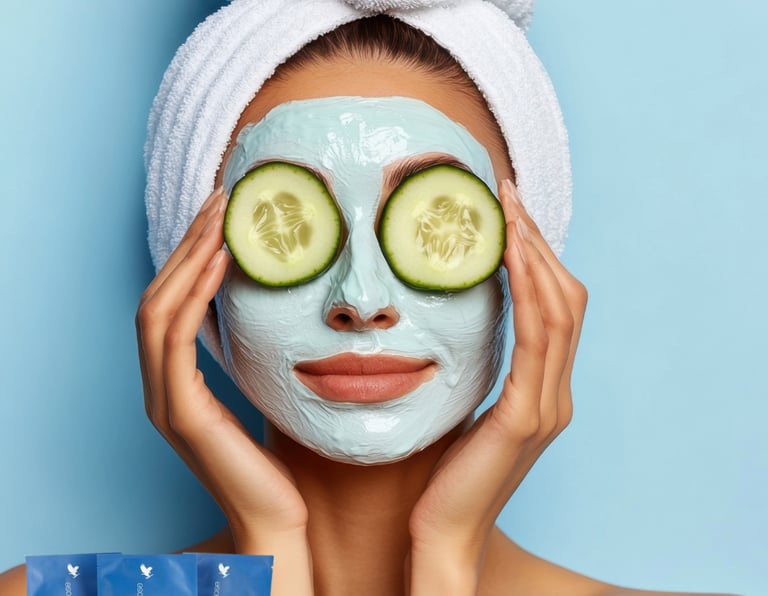
Discover the transformative power of self-care with Forever Living's range of products designed to nourish your body and mind. From revitalizing aloe vera supplements to soothing skincare essentials,
by WellnessWithForever
12/5/202514 min read
Building a Sustainable Self-Care Routine: Products and Practices
By WellnessWithForever 5 December 2025: This post might contain affiliate links.
Self-care has become a popular wellness concept, yet understanding what it actually means and how to practice it effectively can be confusing. True self-care involves consistent habits and practices that support your physical health, mental wellbeing, and overall quality of life. It's not about expensive spa treatments or complex routines you can't maintain—it's about sustainable daily practices that genuinely support your wellbeing.
Forever Living offers various products—including nutritional supplements, skin care, and wellness items—that some people incorporate into their self-care routines. Understanding how different products might fit into a comprehensive approach to wellness helps you make informed decisions about what makes sense for your individual needs and circumstances.
Important Medical Note: This article discusses wellness practices and products for general self-care purposes. Persistent stress, anxiety, depression, skin problems, digestive issues, or other health concerns require professional medical evaluation and treatment. Self-care practices support general wellness but cannot diagnose, treat, cure, or prevent diseases. Mental health conditions require appropriate professional treatment, not just self-care products. Physical symptoms need medical evaluation. The information here is for educational purposes only and does not replace medical advice, therapy, or professional mental health treatment.
Key Takeaways
Effective self-care involves consistent, sustainable daily practices rather than occasional indulgences
Self-care includes physical health, mental wellness, skincare, nutrition, and stress management
Products can support self-care practices but don't replace fundamental lifestyle factors
Individual needs vary—what works for one person may not work for another
Realistic expectations are essential—self-care improves wellbeing but isn't a cure-all
Professional help is important for significant health or mental health concerns
Sustainability matters more than perfection
What Is Self-Care?
Self-care refers to deliberate actions you take to support your physical health, mental wellbeing, and overall quality of life. It encompasses various practices from basic hygiene and nutrition to stress management and activities that bring you joy and relaxation.
Self-Care vs. Self-Indulgence
Self-care involves practices that genuinely support your wellbeing and can be sustained long-term. Examples include:
Adequate sleep
Nutritious eating
Regular physical activity
Stress management practices
Social connection
Medical and dental care
Basic skincare and hygiene
Activities that provide genuine rest and restoration
Self-indulgence might involve treats or pleasures that are enjoyable but don't necessarily support long-term wellbeing or may even undermine it when excessive. The distinction isn't always clear-cut, and occasional indulgences are fine, but they're not synonymous with self-care.
Why Self-Care Matters
Modern life involves various stressors—work demands, family responsibilities, financial pressures, information overload, and constant connectivity. Without practices that support your resilience and recovery, these stressors can accumulate and affect your health and functioning.
Potential effects of inadequate self-care:
Physical exhaustion and fatigue
Increased susceptibility to illness
Poor sleep quality
Stress-related health issues
Difficulty managing emotions
Reduced productivity
Strained relationships
Decreased overall life satisfaction
Benefits of consistent self-care practices:
Better energy and vitality
Improved stress resilience
Better physical health
Enhanced mood and emotional regulation
Better sleep quality
Improved focus and productivity
Better relationships
Greater overall life satisfaction
Individual Variation
What constitutes effective self-care varies significantly between individuals based on:
Personal circumstances and responsibilities
Health status and individual needs
Available time and resources
Personal preferences and what feels restorative
Cultural background and values
Life stage and current challenges
There's no universal "perfect" self-care routine. The best approach is one you can maintain consistently that addresses your genuine needs.
Components of Comprehensive Self-Care
Effective self-care addresses multiple dimensions of wellbeing rather than focusing on just one area.
Physical Health Foundations
Sleep (7-9 hours for most adults):
Essential for physical recovery, immune function, mood regulation, and cognitive performance
More important than most supplements or products
Create consistent sleep schedule, comfortable sleep environment, and bedtime routine
Nutrition:
Balanced diet with adequate protein, fruits, vegetables, whole grains, healthy fats
Adequate hydration
Regular, consistent meals that stabilize energy and mood
Individual needs vary based on activity level, health status, etc.
Physical activity:
Regular movement (at least 150 minutes moderate activity weekly)
Mix of cardiovascular exercise, strength training, and flexibility work
Even walking counts—movement doesn't require gym memberships
Choose activities you actually enjoy for sustainability
Medical care:
Regular check-ups and screenings
Addressing health concerns promptly
Taking prescribed medications as directed
Dental and vision care
Mental and Emotional Wellbeing
Stress management:
Identifying and addressing sources of stress when possible
Developing coping strategies that work for you
Setting appropriate boundaries
Learning to say no when necessary
Mindfulness and relaxation practices:
Meditation, deep breathing, progressive muscle relaxation
Yoga or tai chi
Time in nature
Creative activities
Whatever genuinely helps you feel more centered and calm
Social connection:
Maintaining relationships with family and friends
Community involvement
Social support is crucial for mental health
Quality matters more than quantity
Professional support when needed:
Therapy or counseling for mental health concerns
Not waiting until crisis to seek help
Professional support is appropriate self-care, not a last resort
Personal Care and Appearance
Basic hygiene:
Regular bathing/showering
Oral care
Hair care
These basics affect how you feel about yourself
Skincare:
Cleansing and moisturizing
Sun protection
Addressing specific skin concerns
Can be simple or more elaborate based on preference and needs
Grooming:
Whatever helps you feel comfortable and confident
Highly individual and personal
Forever Living Products for Self-Care
Forever Living offers various products that people incorporate into self-care routines. Understanding what these products are and what they're designed to do helps you decide if they fit your needs.
Forever Aloe Vera Gel
What it is: A beverage made from aloe vera inner leaf gel, containing various compounds including polysaccharides, vitamins, minerals, and enzymes.
Potential uses in self-care:
Internal nutritional support
Digestive wellness support
Hydration (due to fluid content)
Part of a morning or evening routine
Realistic perspective: Aloe vera gel has been used traditionally for various wellness purposes. Some people report digestive comfort improvements and general wellbeing benefits from regular consumption. However, research on internal aloe consumption shows mixed results, and individual responses vary. See our detailed aloe vera article for comprehensive information about research, safety, and realistic expectations.
How it might fit into self-care: Some people incorporate drinking aloe into morning or evening rituals as a mindful wellness practice. The act of preparing and consuming it can become a brief moment of self-care separate from any specific health effects.
Forever Living Skincare Products
Product line includes:
Cleansers
Moisturizers
Aloe Vera Gelly (pure aloe gel for topical use)
Sun protection
Various targeted treatments
Role in self-care: Skincare routines serve multiple self-care functions:
Practical skin health maintenance (cleansing, moisturizing, sun protection)
Sensory experience and mindfulness (touching your skin with care, pleasant textures/scents)
Brief breaks in your day for self-focused activity
Visible improvements in skin appearance can boost confidence
Evidence base: Basic skincare (cleansing, moisturizing, sun protection) has well-established benefits for skin health. Topical aloe vera is generally recognized as safe and soothing for skin. Forever Living's specific formulations would need individual product research for specific claims.
Realistic expectations: Good skincare helps maintain healthy skin and may address certain concerns, but genetics, age, sun exposure history, and overall health significantly affect skin appearance. No skincare can reverse significant aging or sun damage. Sun protection is the single most important anti-aging skincare practice.
Forever Arctic Sea (Omega-3 Supplement)
What it is: Fish and calamari oil supplement providing omega-3 fatty acids (EPA and DHA).
Potential self-care benefits:
Cardiovascular health support (well-established evidence)
Anti-inflammatory properties
Possible modest benefits for mood (some research support)
Brain health support
Evidence base: Omega-3 fatty acids have substantial research supporting cardiovascular benefits and anti-inflammatory effects. Research on mental health benefits is more preliminary but promising in some studies. See our detailed omega-3 article for comprehensive research review.
How it fits into self-care: Taking omega-3 supplements can be part of a nutrition-focused self-care approach, particularly for people who don't regularly eat fatty fish. The mental health and anti-inflammatory benefits may support overall wellbeing.
Forever Daily (Multivitamin)
What it is: Comprehensive multivitamin and mineral supplement.
Role in self-care:
Nutritional insurance for people whose diets may not consistently provide optimal amounts
Addressing specific increased needs (pregnancy, advanced age, dietary restrictions)
Part of comprehensive wellness approach
Realistic perspective: Multivitamins support general nutritional adequacy but don't replace a healthy diet. They're most beneficial for people with genuine nutritional gaps. See our detailed vitamins article for comprehensive information.
Forever Lite Ultra (Protein Supplement)
What it is: Protein powder providing 17 grams protein per serving plus vitamins and minerals.
Potential self-care uses:
Convenient protein intake for busy schedules
Post-exercise recovery support
Meal replacement when appropriate
Supporting adequate protein intake
Realistic expectations: Protein is essential for health, and many people don't consume adequate amounts. Protein supplements offer convenience but aren't inherently superior to protein from whole foods. They're tools for meeting protein needs, not magic wellness products.
Forever B12 Plus (B Vitamin Supplement)
What it is: Supplement providing vitamins B12, B6, and folic acid.
Potential benefits:
Addressing B12 deficiency (particularly relevant for vegans, elderly, those with absorption issues)
Supporting energy metabolism
Nervous system support
Who might benefit:
Vegetarians and vegans (B12 is primarily in animal products)
Older adults (B12 absorption often declines)
People with diagnosed B vitamin deficiencies
Those needing extra support beyond a multivitamin
Realistic perspective: B vitamins are essential, and deficiencies cause real problems. Supplementation helps when deficiency exists or risk is high. For people with adequate status, additional B vitamins beyond a multivitamin may not provide noticeable benefits.
Building Your Self-Care Routine
Creating a sustainable self-care routine involves identifying your needs, choosing practices and products that genuinely help, and building habits you can maintain.
Assessing Your Needs
Ask yourself:
Which areas of self-care am I neglecting? (sleep, nutrition, movement, stress management, social connection, etc.)
What feels most urgent or impactful to address?
What realistic changes can I make given my current circumstances?
What has worked for me in the past?
What barriers prevent me from caring for myself better?
Be honest about:
Available time and energy
Financial resources for products or services
What you'll actually do consistently vs. what sounds good in theory
Starting Simple
Begin with fundamentals before adding products:
Consistent sleep schedule
Regular meals with adequate nutrition
Basic movement (even daily walks)
Stress reduction practices (even 5-minute breathing exercises)
Add products strategically: Choose products addressing genuine needs or gaps, not because of marketing. For example:
If you rarely eat fish, omega-3 supplementation makes sense
If your diet lacks variety, a multivitamin provides insurance
If you neglect skincare, basic cleansing/moisturizing/sun protection is foundational
Creating Sustainable Routines
Make it easy:
Keep products visible and accessible
Tie new habits to existing ones (aloe with morning coffee, skincare after brushing teeth)
Start small and build gradually
Remove barriers to consistency
Morning routine example:
Wake at consistent time
Drink water/aloe/beverage of choice
Take supplements with breakfast
Basic skincare (cleanse, moisturize, sunscreen)
5 minutes of stretching, breathing, or meditation
Total time: 15-20 minutes
Evening routine example:
Wind down at consistent time
Gentle movement or stretching
Skincare routine
Relaxation practice
Prepare for tomorrow to reduce morning stress
Total time: 20-30 minutes
The key: Consistency matters more than perfection. A simple routine you maintain daily outperforms an elaborate one you abandon after a week.
Adjusting for Reality
Life happens:
Busy periods may require simplified routines
Have a "minimum viable routine" for stressful times
Resume fuller practices when possible
Don't abandon everything because you can't do everything
Individual variation:
What works for others may not work for you
Experiment to find what genuinely helps
Be willing to adjust based on what actually improves your life
The Role of Mindfulness in Self-Care
Self-care isn't just about what you do—it's also about how you do it. Bringing mindful attention to self-care practices enhances their benefits.
Mindful Product Use
Examples:
When drinking aloe or tea, pause to actually taste and experience it rather than gulping while checking email
During skincare, pay attention to sensations—texture of products, temperature, how your skin feels
When taking supplements, briefly acknowledge that you're nourishing your body
While exercising, notice physical sensations and breath rather than just enduring it
Why it matters: Mindful attention to self-care activities:
Creates brief breaks from mental chatter and stress
Increases satisfaction and sense of self-nurturance
Helps you notice what actually benefits you vs. what you do habitually
Transforms routine tasks into genuine self-care moments
Self-Compassion in Self-Care
Be realistic:
Self-care isn't about perfection
You won't always maintain routines perfectly
Missing a day (or week) doesn't erase previous consistency
Self-criticism undermines the wellbeing self-care aims to create
Practice self-compassion:
Speak to yourself as you would a good friend
Acknowledge efforts even when results aren't immediate
Recognize that self-care is ongoing practice, not achievement
When Self-Care Isn't Enough
Self-care practices support general wellbeing, but they cannot and should not replace professional help for significant concerns.
Recognize When to Seek Professional Help
Mental health concerns requiring professional treatment:
Persistent depression or anxiety interfering with daily life
Suicidal thoughts or self-harm
Trauma symptoms
Substance abuse
Eating disorders
Any mental health concern causing significant distress or impairment
Physical health issues:
Persistent unexplained symptoms
Chronic pain
Digestive problems not improving with dietary changes
Sleep disorders not responding to sleep hygiene
Any concerning physical changes
The role of self-care: Self-care practices complement professional treatment—they don't replace it. Good sleep, nutrition, movement, and stress management support mental and physical health treatment effectiveness. But they're additions to appropriate professional care, not substitutes.
Financial Considerations
Self-care doesn't require expensive products, though some products may enhance your practices.
Budget-Friendly Self-Care
Free or low-cost effective self-care:
Adequate sleep (free)
Walking or home exercise (free)
Breathing exercises and meditation (free)
Time in nature (free)
Social connection (free or low-cost)
Basic healthy eating (often cheaper than processed foods)
Library books, podcasts, free resources
Basic skincare with affordable products
Where products may help:
Supplements filling genuine nutritional gaps
Quality skincare if it addresses needs and fits budget
Items making healthy practices easier or more enjoyable
Prioritization:
Invest in what makes the biggest difference for your specific needs
Start with one or two products rather than everything at once
Assess whether products genuinely improve your wellbeing over time
Don't buy products because of marketing if fundamentals aren't in place
Cost-Benefit Analysis
Consider:
Does this product address a genuine need?
Will I actually use it consistently?
Could I achieve similar benefits another way?
How does the cost compare to my budget and priorities?
Am I buying because of marketing or genuine need?
Remember: The most expensive self-care mistake is buying products you don't use. Better to use an affordable product consistently than buy premium products that sit unused.
Conclusion
Effective self-care involves consistent practices that support your physical health, mental wellbeing, and overall quality of life. While products can enhance self-care routines, the foundation remains basic lifestyle factors: adequate sleep, nutritious eating, regular movement, stress management, social connection, and professional care when needed.
Forever Living offers various products—nutritional supplements, skincare, and wellness items—that some people incorporate into their self-care practices. Whether these products make sense for you depends on your individual needs, circumstances, and resources.
If you choose to use self-care products, approach them with realistic expectations. They support wellness as part of a comprehensive approach but don't replace fundamental lifestyle factors or professional medical and mental health treatment when needed. The best self-care routine is one you can maintain consistently that genuinely improves your wellbeing.
Remember that self-care isn't about perfection or expensive products—it's about sustainable practices that help you function at your best and enjoy better quality of life. Start with small, manageable changes to fundamental lifestyle factors, add products strategically if they genuinely help, and be patient with yourself as you develop practices that work for your life.
FAQ
How much should I spend on self-care products?
There's no universal answer—it depends on your budget, needs, and priorities. Effective self-care doesn't require expensive products. Many of the most impactful self-care practices (sleep, movement, stress management, social connection) are free or low-cost. If you choose to invest in products, start with items addressing genuine needs rather than buying everything at once. Many people spend $50-150 monthly on supplements and skincare, but this varies widely. Ensure your budget covers basics (housing, food, healthcare) before investing in self-care products. The best approach is choosing a few quality items you'll actually use consistently.
When will I notice benefits from a self-care routine?
Timeline varies based on what you're practicing and your starting point. Some improvements appear quickly: better sleep often improves within days of implementing good sleep hygiene; energy may increase within 1-2 weeks of better nutrition and movement. Other benefits take longer: significant stress resilience, skin improvements, or mood changes might take 4-8 weeks of consistent practice. Profound transformations in overall wellbeing typically emerge after 2-3 months of sustained self-care. Don't expect instant results, but most people notice some improvements within 2-3 weeks if they're genuinely addressing neglected needs.
Can self-care products help with anxiety or depression?
Some products may provide modest supportive benefits alongside appropriate professional treatment, but they cannot cure or replace treatment for clinical anxiety or depression. Omega-3 supplements have some research support for modest mood benefits. B vitamins support nervous system function. Good nutrition and sleep support overall mental health. However, clinical anxiety and depression require professional evaluation and treatment—therapy, medication, or both. Use self-care products as complements to professional mental health care, not replacements. If you're experiencing significant anxiety or depression, see a mental health professional.
What if I don't have time for elaborate self-care routines?
Effective self-care doesn't require hours daily. A basic routine takes 15-30 minutes: 10-15 minutes morning (supplements, basic skincare), 10-15 minutes evening (skincare, wind-down). Even 5 minutes of intentional self-care (breathing exercises, mindful beverage consumption, brief skin care) beats nothing. Prioritize high-impact practices: sleep consistently, eat regular nutritious meals, move your body somehow, manage stress with brief practices. Perfect routines you never maintain help nobody. Simple practices you do consistently create real benefits. Start small and build gradually.
Are natural or organic self-care products better than conventional ones?
"Natural" and "organic" don't automatically mean better, safer, or more effective. Some natural ingredients are excellent; others are irritating or ineffective. Some synthetic ingredients are safe and effective. What matters is: Does the product work for its intended purpose? Is it safe for you? Does it fit your values and budget? Forever Living emphasizes natural aloe-based formulations, which appeals to people preferring plant-based products. Whether this is "better" depends on individual priorities. Choose products based on ingredients, safety, effectiveness, and personal values rather than marketing terms like "natural."
Can men use these self-care products and practices?
Absolutely. Self-care and wellness are universal human needs regardless of gender. All Forever Living nutritional supplements work identically for all genders. Skincare products work for all skin types regardless of gender. Cultural ideas that self-care is feminine are outdated and harmful—everyone deserves to feel their best and care for their wellbeing. Men face unique health pressures and often receive less social encouragement for self-care practices, making it even more important to prioritize wellbeing. Self-care isn't about gender; it's about being human.
How do I stay consistent when life gets stressful?
When stress increases, self-care often becomes more important, not less. Strategies for maintaining practices during difficult times: 1) Have a simplified "minimum viable routine" (just the essentials), 2) Tie practices to existing habits so they're automatic, 3) Prepare in advance (set out supplements, pre-portion aloe), 4) Remember that maintaining some practices beats abandoning everything, 5) Practice self-compassion when you miss days, 6) Resume quickly rather than spiraling. Consider: even imperfect self-care during stressful periods provides some buffer against stress. Perfect is the enemy of good.
Which Forever Living product should I start with if I'm new to self-care?
Start with whatever addresses your most significant need. For many people, that's nutritional support (Forever Daily multivitamin or Forever Aloe Vera Gel) or basic skincare (cleanser and moisturizer with sun protection). Don't start with everything at once—that's overwhelming and expensive. Choose 1-2 products addressing clear needs, use them consistently for 4-6 weeks, assess whether they genuinely help, then decide whether to add others. Remember that products support self-care but aren't the entirety of it. Ensure you're also addressing sleep, nutrition, movement, and stress management through lifestyle practices.
Do I need all these products for effective self-care?
No. Effective self-care depends primarily on lifestyle fundamentals: adequate sleep, nutritious eating, regular movement, stress management, social connection, and professional care when needed. Products can enhance these practices but don't replace them. Many people practice excellent self-care with minimal products—just basic skincare and perhaps a multivitamin. Others benefit from more comprehensive product support. Assess your genuine needs and budget. Don't buy products because of marketing if you're not covering basics. The "right" products are ones you'll actually use that address real needs in your specific situation.
Can self-care practices replace therapy or medication?
No. Self-care practices support overall wellbeing but cannot replace professional mental health treatment when needed. For clinical depression, anxiety, trauma, or other mental health conditions, appropriate treatment typically involves therapy, medication, or both. Self-care practices (good sleep, nutrition, exercise, stress management, supportive products) can complement professional treatment and support overall mental wellness, but they're not substitutes for appropriate professional care. If you're struggling with mental health, see a mental health professional. Self-care and professional treatment work together, with each supporting the other.
Sources and References
For evidence-based information about self-care, mental health, nutrition, and wellness, consult these authoritative sources:
American Psychological Association - Self-Care: https://www.apa.org - Evidence-based information on self-care and mental health
National Institute of Mental Health: https://www.nimh.nih.gov - Mental health information and resources
Centers for Disease Control and Prevention - Wellness: https://www.cdc.gov - Public health information on wellness practices
Harvard Health Publishing: https://www.health.harvard.edu - Medical school-backed health information
National Center for Complementary and Integrative Health: https://www.nccih.nih.gov - Evidence on supplements and wellness practices
Mental Health America: https://www.mhanational.org - Mental health resources and self-care information
Academy of Nutrition and Dietetics: https://www.eatright.org - Evidence-based nutrition guidance
Note: Self-care is a broad topic encompassing many practices and approaches. Individual needs vary significantly. Consult healthcare providers or mental health professionals for personalized guidance, especially if you have health concerns or mental health challenges.
About the Author
Naddy is a wellness enthusiast and content creator behind Wellness With Forever. She focuses on simple, practical tips to support a healthy lifestyle through nutrition, movement, and mindful habits. Drawing on personal experience and ongoing research into health and wellness, she aims to break down complex topics into clear, easy-to-follow guidance.
Disclaimer
The information in this article is for educational purposes only and does not replace professional medical advice. These statements have not been evaluated by the Food and Drug Administration. Forever Living products are not intended to diagnose, treat, cure, or prevent any disease. Always consult your doctor or qualified health professional before starting any new supplements, making changes to your diet, or altering your wellness routine, especially if you are pregnant, nursing, have medical conditions, or take medications.
About Us
Follow
© 2025. WellnessWithForever
SUBSCRIBE