Digestive Enzyme Supplements: When and Why to Use Them
Digestive enzyme supplements: When do you actually need them? EPI, lactose intolerance, IBS evidence reviewed. Most people don't need enzymes.
by WellnessWithForever
2/13/202614 min read
Digestive Enzyme Supplements: When and Why to Use Them
By WellnessWithForever 13 February 2026: This post might contain affiliate links.
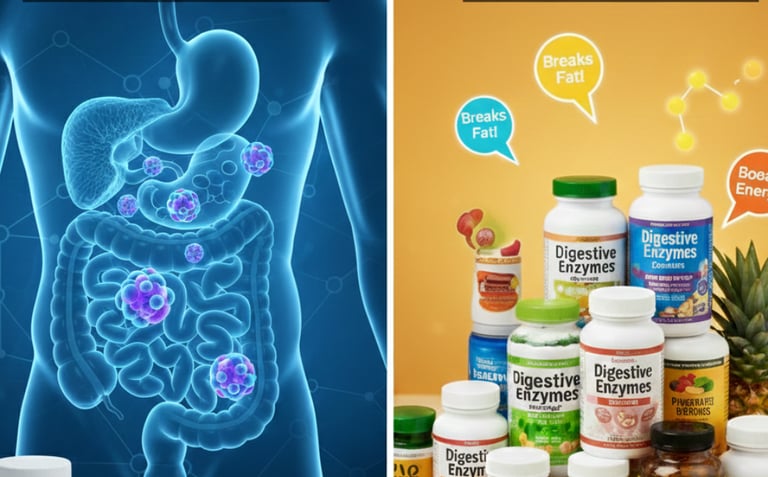
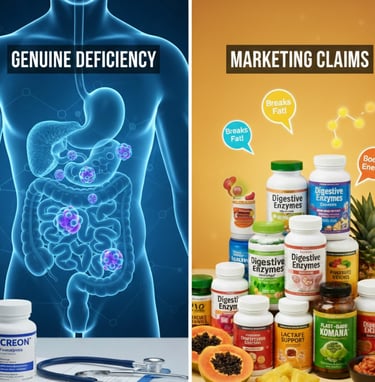
Digestive enzyme supplements are marketed widely for conditions ranging from bloating and gas to nutrient malabsorption and "enzyme deficiency." While digestive enzymes play essential roles in breaking down food, understanding what research actually shows about supplementation—including who genuinely benefits and who likely doesn't—helps make informed decisions.
The digestive system produces numerous enzymes naturally, with most healthy individuals producing adequate amounts for normal digestion. However, specific medical conditions can cause genuine enzyme deficiencies requiring supplementation. Distinguishing between diagnosed enzyme insufficiency and non-specific digestive discomfort is crucial for appropriate use.
Forever Living offers Forever Active Probiotic and other digestive support products, though not specifically enzyme supplements. Understanding digestive enzymes broadly—their functions, when deficiency occurs, evidence for supplementation in various conditions, and limitations—helps evaluate enzyme products and digestive health approaches appropriately.
Important Medical Note: This article discusses digestive enzyme supplementation. These products are not medications and cannot diagnose, treat, cure, or prevent diseases. Serious digestive conditions (chronic diarrhea, significant weight loss, severe abdominal pain, blood in stool) require medical evaluation. Some digestive symptoms indicate conditions requiring medical treatment (inflammatory bowel disease, celiac disease, pancreatic insufficiency, infections). Never self-diagnose or delay medical care for persistent digestive problems. Some enzyme supplements can interact with medications or be contraindicated in certain conditions. This information is for educational purposes only and does not replace medical advice.
Key Takeaways
Most healthy individuals produce adequate digestive enzymes and do not require supplementation
Specific medical conditions (pancreatic insufficiency, lactose intolerance) cause genuine enzyme deficiency with clear diagnostic criteria
Evidence for enzyme supplementation in conditions like IBS, bloating, or non-specific "poor digestion" is limited and inconsistent
Prescription pancreatic enzymes differ significantly from over-the-counter supplements in potency and evidence base
Identifying and addressing underlying causes of digestive symptoms is more important than adding enzymes
Individual response to enzyme supplements varies dramatically; some report subjective improvement while others notice no change
Understanding Digestive Enzymes: Function and Production
Digestive enzymes catalyze the breakdown of macronutrients into absorbable components. Understanding normal digestive enzyme production and function provides context for evaluating when supplementation might be necessary.
Classes of Digestive Enzymes
Proteases (protein digestion):
Pepsin: Produced in stomach (activated by stomach acid), begins protein breakdown
Pancreatic proteases: Trypsin, chymotrypsin, elastase, carboxypeptidase (secreted by pancreas into small intestine)
Brush border peptidases: Final protein digestion on intestinal cell surface
Lipases (fat digestion):
Gastric lipase: Begins fat breakdown in stomach (minor role)
Pancreatic lipase: Primary fat-digesting enzyme (secreted by pancreas)
Requires bile salts for optimal function (emulsify fats)
Carbohydrases (carbohydrate digestion):
Salivary amylase: Begins starch breakdown in mouth
Pancreatic amylase: Continues starch breakdown in small intestine
Brush border enzymes: Maltase, sucrase, lactase (break down disaccharides into monosaccharides)
Other specialized enzymes:
Lactase: Breaks down lactose (milk sugar)—production decreases in many adults (lactose intolerance)
Nucleases: Break down DNA and RNA from food
Phospholipases: Help digest phospholipids
Where Enzymes Are Produced
Salivary glands:
Amylase (carbohydrate digestion begins in mouth)
Stomach:
Pepsinogen (converted to pepsin by stomach acid)
Gastric lipase
Pancreas:
Produces and secretes majority of digestive enzymes
Trypsinogen, chymotrypsinogen, proelastase (activated in intestine)
Pancreatic amylase
Pancreatic lipase
Small intestine (brush border):
Intestinal cells produce enzymes on their surface
Maltase, sucrase, lactase, peptidases
Normal Digestive Enzyme Production
In healthy individuals:
Pancreas produces abundant digestive enzymes (far more than minimum needed)
Production increases in response to food intake (hormonal signals)
Reserve capacity is substantial (can lose 90% of pancreatic function before malabsorption occurs)
Enzyme production continues throughout life in healthy pancreas
The key point:
Most digestive symptoms in people without pancreatic disease are NOT due to enzyme deficiency. The pancreas and intestines produce enzymes in great excess of what's needed for normal digestion.
Medical Conditions Causing Genuine Enzyme Deficiency
Certain diagnosed conditions cause true enzyme deficiency requiring supplementation. These have specific diagnostic criteria and medical management protocols.
Exocrine Pancreatic Insufficiency (EPI)
Definition:
Inadequate pancreatic enzyme secretion causing maldigestion and malabsorption of nutrients.
Causes:
Chronic pancreatitis (most common in adults—often from chronic alcohol use)
Cystic fibrosis (genetic condition affecting pancreas and other organs)
Pancreatic cancer or surgical removal of pancreas
Advanced diabetes (sometimes)
Celiac disease (can cause secondary pancreatic insufficiency)
Diagnosis:
Fecal elastase test (measures pancreatic enzyme in stool—low indicates insufficiency)
Fecal fat test (measures fat malabsorption)
Secretin stimulation test (measures pancreatic secretion—specialized test)
Imaging (CT/MRI showing pancreatic damage)
Clinical symptoms + response to enzyme replacement
Symptoms:
Steatorrhea (fatty, oily, foul-smelling stools that float)
Significant weight loss despite adequate intake
Fat-soluble vitamin deficiencies (A, D, E, K)
Malnutrition
Abdominal pain
Bloating and gas (though these alone are not diagnostic)
Treatment:
Prescription pancreatic enzyme replacement therapy (PERT)
Examples: Creon, Zenpep, Pancreaze
Contain high doses of lipase, protease, amylase
Enteric-coated to survive stomach acid
Dosed based on lipase units per meal
FDA-approved, evidence-based treatment
Important distinction:
Prescription PERT products differ dramatically from OTC enzyme supplements in potency, formulation, and evidence. EPI requires prescription enzymes under medical supervision.
Lactose Intolerance
Definition:
Reduced production of lactase enzyme causing inability to digest lactose (milk sugar).
Types:
Primary lactose intolerance: Normal decline in lactase production after weaning (most common globally—affects 65% of human population)
Secondary lactose intolerance: Temporary reduction from intestinal injury (gastroenteritis, celiac disease, Crohn's disease)
Congenital lactase deficiency: Rare genetic absence of lactase from birth
Diagnosis:
Hydrogen breath test (measures hydrogen from undigested lactose fermented by bacteria)
Lactose tolerance test (measures blood glucose response to lactose)
Clinical diagnosis: Symptoms improve with lactose avoidance, return with lactose consumption
Symptoms:
Bloating, gas, abdominal cramps
Diarrhea
Occur 30 minutes to 2 hours after consuming dairy
Dose-dependent (small amounts may be tolerated)
Management:
Lactose avoidance (primary approach)
Lactose-free dairy products
Lactase enzyme supplements (taken with dairy)
Examples: Lactaid, Dairy Ease
Contain lactase enzyme
Taken immediately before consuming dairy
Effectiveness varies by individual and dose
Generally safe and well-tolerated
Evidence:
Lactase supplements allow lactose-intolerant individuals to consume dairy with reduced symptoms. This is a well-established, evidence-based use of enzyme supplementation.
Sucrase-Isomaltase Deficiency
Definition:
Genetic deficiency of sucrase-isomaltase enzymes causing inability to digest sucrose and some starches.
Prevalence:
Rare (0.05-0.2% of population), though may be underdiagnosed.
Diagnosis:
Genetic testing
Enzyme activity measurement from intestinal biopsy
Clinical response to sucrose restriction
Symptoms:
Chronic diarrhea, abdominal pain, bloating
Begins when sucrose-containing foods introduced (infancy/childhood)
Treatment:
Sucrose restriction
Prescription enzyme (sacrosidase/Sucraid) in some cases
Celiac Disease (Secondary Enzyme Issues)
Not primarily enzyme deficiency:
Celiac disease is autoimmune condition triggered by gluten causing intestinal damage.
Secondary enzyme issues:
Damaged intestinal villi produce fewer brush border enzymes
Can cause secondary lactose intolerance
Can cause secondary pancreatic insufficiency
Treatment:
Gluten-free diet (primary treatment)
Intestinal healing restores enzyme production
Temporary lactose avoidance may be needed during healing
Enzyme supplements do NOT treat celiac disease (gluten avoidance required)
Conditions with Limited or No Evidence for Enzyme Supplementation
Many digestive conditions are marketed as benefiting from enzyme supplements despite limited or absent research support.
Irritable Bowel Syndrome (IBS)
The condition:
IBS is a functional GI disorder characterized by abdominal pain and altered bowel habits (diarrhea, constipation, or both). Affects 10-15% of population.
Cause is NOT enzyme deficiency:
IBS involves gut-brain axis dysfunction, visceral hypersensitivity, altered motility
No evidence of inadequate enzyme production in IBS
Standard IBS treatments: dietary modifications (low-FODMAP diet often effective), stress management, medications for specific symptoms
Research on enzymes for IBS:
Very limited studies
Results inconsistent
Some small studies suggest possible symptom reduction with certain enzymes
No robust evidence supporting routine enzyme use
Low-FODMAP diet has much stronger evidence
Realistic assessment:
Some individuals with IBS report subjective improvement with enzyme supplements. However, this may reflect placebo effect, or enzymes may help with specific food intolerances (lactose, certain carbohydrates) rather than treating IBS itself. Not evidence-based first-line treatment.
Non-Specific Bloating and Gas
Common symptoms, diverse causes:
Bloating and gas can result from:
Dietary factors (beans, cruciferous vegetables, high-fiber foods, carbonated beverages)
Food intolerances (lactose, fructose, specific FODMAPs)
Small intestinal bacterial overgrowth (SIBO)
Constipation
Aerophagia (swallowing air)
Functional GI disorders (IBS)
Serious conditions requiring diagnosis (IBD, celiac, etc.)
Not typically enzyme deficiency:
Most people with bloating/gas have normal enzyme production. Symptoms often reflect:
Normal fermentation of undigested carbohydrates by gut bacteria
Gas production from certain foods (not abnormal)
Visceral hypersensitivity (feeling normal gas more intensely)
Research on enzymes:
Limited evidence for general bloating/gas
Alpha-galactosidase (Beano) shows some benefit for gas from beans/legumes (breaks down oligosaccharides)
Evidence for other enzyme combinations is limited
Better approaches:
Identify specific trigger foods (elimination and reintroduction)
Address SIBO if present (breath testing, antibiotics)
Low-FODMAP diet (strong evidence for reducing symptoms)
Address constipation
Manage stress
"Digestive Enzyme Deficiency" Claims
The marketing narrative:
Some supplement companies claim widespread "digestive enzyme deficiency" due to:
Aging (claimed to reduce enzyme production)
Stress (claimed to impair enzyme release)
Poor diet
Cooking food (claimed to destroy natural enzymes in raw foods)
What research actually shows:
Aging:
Healthy aging does NOT substantially reduce pancreatic enzyme production
Pancreatic function remains adequate throughout life in absence of disease
Some reduction in lactase production is normal (lactose intolerance), but other enzymes remain adequate
Stress:
Acute stress can temporarily affect digestion through reduced motility, altered secretions
Does not cause enzyme deficiency requiring supplementation
Cooked food:
Cooking does denature enzymes in food
However, human digestion relies on human-produced enzymes, not food enzymes
The idea that we need enzymes from raw food for digestion is not supported by physiology
Realistic assessment:
"Digestive enzyme deficiency" as a widespread condition in otherwise healthy people is not supported by medical evidence. Most digestive symptoms have other causes.
Over-the-Counter Enzyme Supplements: Types and Evidence
Various OTC enzyme products are available with different enzyme sources and combinations.
Animal-Derived Enzymes
Pancreatin/pancrelipase:
From porcine (pig) pancreas
Contains lipase, protease, amylase
OTC versions much lower potency than prescription PERT
Variable quality and enzyme activity between brands
Used for general "digestive support"
Evidence:
Limited evidence for OTC pancreatin in people without pancreatic insufficiency. Prescription versions are evidence-based for EPI but require medical diagnosis and supervision.
Plant-Derived Enzymes
Papain (from papaya):
Protease (protein-digesting enzyme)
Traditional use for digestive support
Limited clinical evidence
Bromelain (from pineapple):
Protease
Some evidence for anti-inflammatory effects (separate from digestion)
Limited evidence for digestive benefit
Fungal enzymes (Aspergillus-derived):
Various enzymes: proteases, amylases, lipases
Active across broader pH range than animal enzymes
Used in many commercial enzyme supplements
Limited clinical evidence for digestive benefits
Specific Enzyme Products
Alpha-galactosidase (Beano):
Breaks down oligosaccharides in beans, legumes, cruciferous vegetables
Some evidence for reducing gas from these specific foods
Take before consuming trigger foods
Generally safe
Lactase (Lactaid, Dairy Ease):
Evidence-based for lactose intolerance
Effectiveness established
Individual dosing varies (trial and error to find adequate dose)
Combinations:
Many products combine multiple enzymes (proteases, lipases, amylases from various sources). Evidence for specific combinations is generally lacking.
Quality and Regulation Issues
OTC supplements are not FDA-regulated like medications:
Enzyme activity not standardized
Quality varies between brands
Potency may not match label claims
No requirement for clinical evidence of effectiveness
Prescription enzymes have:
FDA approval
Standardized potency
Clinical trial evidence
Quality control requirements
Consumer considerations:
Choose reputable brands with third-party testing when selecting OTC enzymes. However, recognize that even quality products have limited evidence for many marketed uses.
Who Might Benefit from Enzyme Supplements
Understanding appropriate use helps distinguish evidence-based applications from speculative ones.
Clear Evidence for Benefit
1. Exocrine pancreatic insufficiency (EPI):
Requires prescription pancreatic enzyme replacement therapy (PERT)
Dosed based on lipase units
Medical supervision essential
Life-changing for those with EPI
2. Lactose intolerance:
Lactase supplements allow dairy consumption
Well-established benefit
Safe, generally effective
Individual dose titration needed
3. Congenital enzyme deficiencies:
Rare genetic conditions (sucrase-isomaltase deficiency, etc.)
Specific enzyme supplementation under medical care
Possible Benefit for Some Individuals
1. Alpha-galactosidase for gas from specific foods:
Some evidence for reducing gas from beans/legumes
Safe to try for those affected by these foods
Alternative: Avoid trigger foods
2. Some individuals with IBS (subset):
Limited, inconsistent evidence
Individual response variable
Not first-line treatment (low-FODMAP diet has stronger evidence)
May help some with specific food intolerances
3. Empirical trial basis:
Some people report subjective improvement with enzymes
Placebo effect possible
Individual variation in response
Safe to try for non-serious symptoms (if budget allows and expectations realistic)
Unlikely to Benefit
1. Healthy individuals with normal digestion:
Adequate enzyme production already
No evidence of benefit
Unnecessary expense
2. Conditions not caused by enzyme deficiency:
Celiac disease (requires gluten avoidance)
Inflammatory bowel disease (requires medical treatment)
SIBO (requires antibiotic treatment)
Gastroesophageal reflux disease (GERD)
3. "General digestive support" without specific symptoms:
No evidence for preventive use
Not physiologically necessary
Addressing the Root Cause vs. Symptom Management
Rather than adding enzymes without understanding why symptoms occur, identifying and addressing underlying causes is more effective long-term.
Diagnostic Approach to Digestive Symptoms
When to seek medical evaluation:
Persistent symptoms (>2-3 weeks)
Severe symptoms
Weight loss
Blood in stool
Severe abdominal pain
Chronic diarrhea or constipation
Family history of GI cancers or celiac disease
Tests that may identify actual problems:
Celiac serology (for celiac disease)
Fecal elastase (for pancreatic insufficiency)
Hydrogen breath tests (for lactose intolerance, fructose malabsorption, SIBO)
Stool studies (infections, inflammation)
Endoscopy/colonoscopy (visualize intestinal lining, obtain biopsies)
Imaging (ultrasound, CT, MRI for structural problems)
Better than guessing:
Testing identifies actual problems requiring specific treatment rather than trial-and-error supplementation.
Dietary Approaches with Stronger Evidence
Low-FODMAP diet:
Reduces fermentable carbohydrates
Strong evidence for IBS symptom reduction (70% of IBS patients improve)
Requires guidance from dietitian for proper implementation
Three phases: Elimination, reintroduction, personalization
More effective than enzyme supplementation for most IBS patients
Elimination diets:
Systematically identify food triggers
Remove suspected triggers, reintroduce methodically
Identifies individual intolerances
Specific dietary modifications:
Lactose avoidance if lactose intolerant
Gluten-free diet if celiac disease
Avoiding specific FODMAP triggers identified through reintroduction
Smaller, more frequent meals (can reduce symptoms for some)
Lifestyle Factors
Stress management:
Stress affects digestion (gut-brain axis)
Meditation, yoga, cognitive-behavioral therapy show benefit for functional GI disorders
More impactful than enzymes for stress-related symptoms
Eating habits:
Chewing thoroughly (mechanical breakdown important)
Eating slowly (reduces air swallowing, allows satiety signals)
Avoiding large meals close to bedtime
Staying hydrated
Physical activity:
Regular movement supports healthy digestion
Particularly helpful for constipation
May reduce bloating
Probiotics vs. Enzymes
Different mechanisms:
Probiotics support gut microbiome balance. Enzymes break down specific nutrients.
Evidence comparison:
Probiotics have moderate evidence for some IBS subtypes (specific strains, not all probiotics)
Probiotics may help with antibiotic-associated diarrhea, some infections
Neither probiotics nor enzymes are cure-alls
Individual response varies
Forever Active Probiotic:
Provides beneficial bacteria, not enzymes. Different purpose. May support digestive health through microbiome effects rather than enzyme supplementation.
Safety Considerations and Potential Risks
While generally considered safe, enzyme supplements have some considerations and potential risks.
Generally Recognized as Safe (GRAS)
Most enzyme supplements have good safety profiles when used appropriately:
Digestive enzymes are proteins broken down by stomach acid and digestion
Systemic absorption is minimal
Serious adverse effects are rare
Potential Side Effects
Digestive upset:
Nausea, diarrhea, abdominal cramping
Particularly at high doses
May indicate dose too high or product intolerance
Allergic reactions:
Some individuals allergic to fungal or plant-derived enzymes
Pork allergy relevant for porcine-derived pancreatin
Symptoms range from mild (rash, itching) to severe (anaphylaxis rare but possible)
Drug Interactions
Diabetes medications:
Some enzymes may affect carbohydrate breakdown and blood sugar absorption
Monitor blood sugar if diabetic and taking enzymes
Acarbose (diabetes medication):
Works by inhibiting carbohydrate-digesting enzymes
Taking additional enzymes could counteract medication
Other interactions:
Generally minimal, but inform healthcare providers about all supplements taken.
Contraindications
Active acute pancreatitis:
Pancreatic enzymes could theoretically worsen inflammation
Medical management required, not OTC supplementation
Gout:
Some enzyme products contain purines that could theoretically trigger gout attacks
Clinical significance unclear
Masking Serious Conditions
The risk of self-treatment:
Taking enzymes for digestive symptoms without medical evaluation could delay diagnosis of serious conditions:
Pancreatic cancer (early symptoms: weight loss, steatorrhea)
Inflammatory bowel disease
Celiac disease
Gastrointestinal infections
When in doubt, get evaluated:
Persistent or concerning symptoms warrant medical assessment before assuming enzymes will help.
Realistic Expectations: What Enzymes Can and Cannot Do
Understanding realistic outcomes helps avoid disappointment and unnecessary expense.
What Enzyme Supplements CAN Do (When Appropriate)
For diagnosed enzyme deficiencies:
Prescription PERT dramatically improves symptoms and nutrition in EPI
Lactase supplements allow dairy consumption in lactose intolerance
Life-changing for those with genuine deficiencies
For some individuals without diagnosed deficiency:
May reduce specific symptoms (gas from beans with alpha-galactosidase)
Subjective improvement reported by some (mechanism unclear)
Individual trial reasonable for minor symptoms if expectations realistic
What Enzyme Supplements CANNOT Do
They do NOT:
Cure digestive diseases (celiac, IBD, IBS, GERD)
Replace healthy digestive function in healthy individuals
Work equally for everyone (individual response highly variable)
Compensate for poor diet or eating habits
Address stress, food allergies, infections, or structural GI problems
Eliminate all bloating and gas (some gas production is normal)
Individual Variation
Why some people report benefit while others don't:
Placebo effect is real and powerful for subjective symptoms
Some may have mild, undiagnosed enzyme insufficiency or specific food intolerances
Coincidental improvement (symptoms often fluctuate naturally)
Different underlying causes of similar symptoms
Quality and potency variation between products
The bottom line:
Response is unpredictable. What works for one person may not work for another, even with seemingly identical symptoms.
Creating an Evidence-Based Digestive Health Approach
Rather than defaulting to enzyme supplementation, systematic approach addresses digestive health more comprehensively.
Step 1: Medical Evaluation for Persistent Symptoms
See healthcare provider for diagnosis
Testing to identify actual problems
Rule out serious conditions
Get specific treatment for diagnosed conditions
Step 2: Dietary Assessment and Modification
Food diary to identify triggers
Consider low-FODMAP diet for IBS (with dietitian guidance)
Eliminate lactose if lactose intolerant
Avoid gluten if celiac disease
Identify and avoid individual trigger foods
Step 3: Lifestyle Optimization
Stress management techniques
Regular physical activity
Adequate hydration
Mindful eating habits (chew thoroughly, eat slowly)
Consistent sleep schedule
Step 4: Targeted Supplementation (If Appropriate)
Consider enzymes if:
Diagnosed enzyme deficiency (prescription PERT required for EPI)
Confirmed lactose intolerance (lactase supplements)
Specific food triggers (alpha-galactosidase for beans)
Empirical trial after other approaches tried
Start with:
Single enzyme for specific issue rather than broad-spectrum combinations
Appropriate dose (follow product instructions)
Trial period (2-4 weeks)
Discontinue if no benefit
Step 5: Probiotics vs. Enzymes Consideration
Probiotics may be more appropriate for some digestive issues (dysbiosis, post-antibiotic)
Different mechanism than enzymes
Forever Active Probiotic provides beneficial bacteria
Consider based on specific symptoms and conditions
Step 6: Ongoing Monitoring
Track symptoms objectively
Assess whether intervention helped
Discontinue ineffective supplements
Follow up with healthcare provider as needed
Conclusion
Digestive enzyme supplements serve important roles for individuals with diagnosed enzyme deficiencies—particularly exocrine pancreatic insufficiency requiring prescription PERT and lactose intolerance benefiting from lactase supplements. For these conditions, enzymes provide clear, evidence-based benefits.
However, claims that widespread "enzyme deficiency" causes most digestive complaints or that enzyme supplements benefit everyone with bloating, gas, or non-specific digestive discomfort exceed available evidence. Most healthy individuals produce abundant digestive enzymes and do not require supplementation.
For conditions like IBS, non-specific bloating, or general "poor digestion," evidence for enzyme supplementation is limited and inconsistent. Dietary approaches (low-FODMAP diet for IBS), identifying and avoiding specific food triggers, stress management, and lifestyle modifications have stronger research support.
Individual response to enzyme supplements varies dramatically. Some report subjective improvement while others notice no change. Given generally good safety profiles, empirical trials are reasonable for minor symptoms with realistic expectations. However, this should not replace medical evaluation for persistent or concerning symptoms.
The most important recommendation: Identify and address underlying causes of digestive symptoms rather than assuming enzyme deficiency. Medical evaluation, appropriate testing, and evidence-based dietary and lifestyle approaches provide more sustainable solutions than supplementation without diagnosis.
For those considering enzyme supplements, prioritize: (1) medical evaluation to identify actual problems, (2) evidence-based dietary modifications, (3) lifestyle optimization, and (4) targeted enzyme supplementation only for diagnosed deficiencies or specific empirical trials with realistic expectations.
Frequently Asked Questions
Do I need digestive enzymes if I have frequent bloating and gas?
Not necessarily. Bloating and gas are common and have many causes (dietary triggers, IBS, lactose intolerance, SIBO, constipation). Most people with these symptoms have normal enzyme production. Better approaches: Identify trigger foods through elimination diet, try low-FODMAP diet if IBS suspected, get tested for lactose intolerance or SIBO if appropriate. Enzyme supplements are not first-line treatment and have limited evidence for non-specific bloating.
How do I know if I have enzyme deficiency?
Genuine enzyme deficiencies have specific diagnostic criteria. Pancreatic insufficiency: Fecal elastase test, fecal fat test, imaging showing pancreatic damage, symptoms of steatorrhea and weight loss. Lactose intolerance: Hydrogen breath test or clinical diagnosis (symptoms improve avoiding dairy, return with dairy consumption). Cannot self-diagnose enzyme deficiency—requires medical evaluation and testing. Most digestive symptoms are NOT caused by enzyme deficiency.
Are over-the-counter enzyme supplements as good as prescription ones?
No. Prescription pancreatic enzymes (Creon, Zenpep, etc.) differ dramatically from OTC products: Much higher potency (standardized lipase units), enteric-coated to survive stomach acid, FDA-approved with clinical evidence, quality-controlled manufacturing. OTC supplements have variable potency, no standardization, limited evidence. For diagnosed pancreatic insufficiency, prescription PERT is required—OTC products are inadequate.
Can enzymes help me digest certain foods I'm sensitive to?
Depends on the food and reason for sensitivity. Lactase helps lactose-intolerant individuals digest dairy (well-established). Alpha-galactosidase may reduce gas from beans (some evidence). For gluten sensitivity or celiac disease, enzymes do NOT work—gluten avoidance required. For FODMAP sensitivities, enzymes unlikely to help—low-FODMAP diet more effective. Food allergies require complete avoidance—enzymes won't prevent allergic reactions.
Will digestive enzymes help me absorb more nutrients from food?
If you have diagnosed enzyme deficiency (pancreatic insufficiency), yes—supplementation corrects malabsorption. If you have normal enzyme production (most people), no evidence that additional enzymes improve nutrient absorption. Healthy digestive systems already absorb nutrients efficiently. Enzyme supplements don't enhance normal absorption beyond normal levels.
Are there side effects from taking digestive enzymes?
Generally safe but possible side effects: Nausea, diarrhea, abdominal cramping (especially at high doses), allergic reactions (rare but possible—fungal, plant, or pork proteins). Drug interactions possible (diabetes medications). Can mask symptoms of serious conditions if used without medical evaluation. Most people tolerate well, but individual reactions vary.
How long should I try enzymes to see if they work?
If genuinely helpful, benefits typically apparent within 2-4 weeks. If no improvement after one month of consistent use, unlikely to benefit from continued supplementation. However, be realistic about expectations—normal digestion includes some gas and occasional bloating. Enzymes won't eliminate all digestive sensations. If symptoms persist or worsen, seek medical evaluation rather than continuing ineffective supplements.
Can I take enzymes long-term or will my body stop producing its own?
No evidence that taking enzyme supplements reduces your body's natural enzyme production. Unlike some hormones where supplementation can suppress endogenous production, digestive enzymes don't work that way. Pancreas continues producing enzymes regardless of supplementation. Long-term use is safe for those who genuinely benefit (pancreatic insufficiency, lactose intolerance). However, if symptoms persist long-term, reassess whether underlying cause has been properly addressed.
Should I take enzymes with every meal?
For diagnosed deficiencies (pancreatic insufficiency, lactose intolerance): Yes, with meals/dairy as directed. For empirical trial without diagnosed deficiency: Only if you're experiencing symptoms you think enzymes might help. Healthy individuals don't need enzymes with every meal. If you find yourself relying on enzymes constantly, this suggests either: (1) placebo dependence, (2) undiagnosed condition needing medical evaluation, or (3) dietary triggers that should be identified and avoided.
Are plant-based enzymes better than animal-based ones?
No clear evidence that one source is superior. Plant and fungal enzymes work across broader pH range (stomach and intestine), while animal enzymes work primarily in alkaline intestinal pH. For diagnosed pancreatic insufficiency, prescription animal-derived PERT is standard evidence-based treatment. For OTC use, choose based on personal preference (vegetarian, allergies) and product quality rather than assuming one source is inherently better.
Sources and References
For evidence-based information about digestive enzymes and gastrointestinal health:
National Institute of Diabetes and Digestive and Kidney Diseases (NIDDK): https://www.niddk.nih.gov - Information on digestive diseases and pancreatic insufficiency
American Gastroenterological Association (AGA): Clinical guidelines on pancreatic insufficiency, IBS, and digestive disorders
PubMed/MEDLINE: https://pubmed.ncbi.nlm.nih.gov - Scientific literature on digestive enzymes and clinical evidence
Cochrane Database of Systematic Reviews: Evidence synthesis on enzyme supplementation for various conditions
Gastroenterology: Leading journal on digestive diseases and treatments
About the Author
Naddy is a wellness enthusiast and content creator behind Wellness With Forever. She focuses on simple, practical tips to support a healthy lifestyle through nutrition, movement, and mindful habits. Drawing on personal experience and ongoing research into health and wellness, she aims to break down complex topics into clear, easy-to-follow guidance.
Disclaimer
The information in this article is for educational purposes only and does not replace professional medical advice. These statements have not been evaluated by the Food and Drug Administration. Digestive enzyme supplements are not intended to diagnose, treat, cure, or prevent any disease. Serious digestive conditions require medical evaluation and treatment. Persistent symptoms (chronic diarrhea, weight loss, severe pain, blood in stool) warrant immediate medical attention. Some enzyme supplements can interact with medications. Individual responses vary significantly. The author and publisher assume no responsibility for adverse effects from the use or misuse of information contained herein. Always consult your doctor or qualified health professional before starting supplements, especially if you have medical conditions or take medications.
About Us
Follow
© 2025. WellnessWithForever
SUBSCRIBE