Heart Health Support: Essential Supplements and Nutrition for Cardiovascular Wellness
Protect your heart with Forever Living supplements. Forever Arctic Sea omega-3s reduce triglycerides & support cardiovascular health.Forever Aloe Vera Gel provides anti-inflammatory support.
by WellnessWithForever
1/6/202611 min read

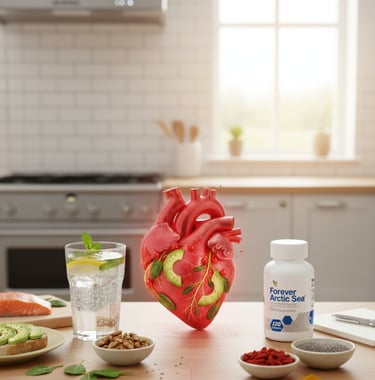
Heart Health Support: Essential Supplements and Nutrition for Cardiovascular Wellness
By WellnessWithForever 6 January 2026: This post might contain affiliate links.
Heart disease remains a leading cause of death globally. While genetics play a role, lifestyle factors including nutrition, physical activity, stress management, and avoiding harmful habits significantly influence cardiovascular health. Understanding what research shows about heart-protective nutrients, realistic expectations from supplementation, and comprehensive cardiovascular wellness helps make informed decisions.
Forever Living offers products including Forever Arctic Sea (omega-3s), Forever Aloe Vera Gel, Forever Daily, and Forever B12 Plus that some people use as part of cardiovascular health strategies. Evaluating these appropriately requires understanding cardiovascular disease prevention, supplement evidence quality, and the critical importance of medical supervision for cardiovascular conditions.
CRITICAL Medical Disclaimer: This article discusses nutritional support for cardiovascular health. Supplements are NOT medications and CANNOT diagnose, treat, cure, or prevent heart disease or cardiovascular conditions. NEVER stop, reduce, or replace prescribed heart medications with supplements. Cardiovascular conditions require ongoing medical management. Some supplements may interact with heart medications or affect cardiovascular parameters. ALWAYS consult your healthcare provider before starting supplements, especially if you have heart disease, take medications, or have cardiovascular risk factors. Seek immediate emergency care for chest pain, severe shortness of breath, or stroke symptoms.
Key Takeaways
Cardiovascular health involves multiple factors: diet, exercise, stress, sleep, avoiding smoking
Omega-3 fatty acids have established cardiovascular benefits (triglyceride reduction, anti-inflammatory)
Supplements complement but NEVER replace heart medications or medical care
Lifestyle factors (Mediterranean diet, regular exercise) have strongest evidence
Medical supervision essential for cardiovascular conditions
Individual cardiovascular risk varies—personalized assessment important
Understanding Cardiovascular Health
Components of Cardiovascular System
The heart: Muscular pump with four chambers circulating blood throughout body.
Blood vessels: Network of arteries, veins, capillaries delivering oxygen and nutrients.
Blood: Transport medium for oxygen, nutrients, immune cells, waste products.
Cardiovascular Disease Development
Atherosclerosis: Plaque buildup (cholesterol, calcium, other substances) inside arteries, narrowing blood flow. Begins with endothelial damage from oxidative stress, inflammation, high blood pressure, or elevated cholesterol.
Hypertension (high blood pressure): Excessive force against artery walls damages vessels over time. Often asymptomatic ("silent killer"). Increases heart attack, stroke, kidney disease risk.
Dyslipidemia (abnormal cholesterol): Elevated LDL ("bad") cholesterol, low HDL ("good") cholesterol, elevated triglycerides increase cardiovascular risk. Oxidized LDL particularly damaging to arteries.
Inflammation: Chronic low-grade inflammation accelerates atherosclerosis. Inflammatory markers (C-reactive protein) predict cardiovascular risk.
Oxidative stress: Excessive free radicals damage cardiovascular tissues, accelerating disease progression.
Risk Factors
Modifiable (can change):
Diet quality
Physical activity level
Smoking status
Alcohol consumption
Weight/obesity
Blood pressure control
Cholesterol management
Diabetes/blood sugar control
Stress levels
Sleep quality
Non-modifiable (cannot change):
Age
Sex
Family history
Genetics
Reality check: Even with genetic predisposition, addressing modifiable factors substantially reduces cardiovascular risk.
When to Seek Medical Attention
Emergency care immediately:
Chest pain or pressure
Pain radiating to arm, jaw, neck, back
Shortness of breath with chest discomfort
Sudden severe headache
Sudden numbness/weakness (especially one-sided)
Sudden difficulty speaking
Schedule medical appointment:
Elevated blood pressure readings
Concerning symptoms (unusual fatigue, palpitations, shortness of breath)
Want cardiovascular risk assessment
Considering supplementation with heart disease/risk factors
Nutrients Researched for Cardiovascular Health
Omega-3 Fatty Acids (EPA and DHA)
Evidence quality: STRONG
Research findings:
Omega-3 fatty acids have extensive research supporting cardiovascular benefits:
Triglyceride reduction: High-quality evidence. Doses of 2-4g EPA+DHA daily can reduce triglycerides 20-30%. Effect so established that prescription omega-3 medications exist.
Blood pressure: Modest reductions, particularly in hypertensive individuals. Effect sizes typically small but meaningful.
Anti-inflammatory: Well-established anti-inflammatory properties. Reduces inflammatory markers associated with cardiovascular disease.
Cardiovascular events: Some large studies show reduced cardiovascular events, though results mixed. Overall evidence suggests benefit, particularly for those with elevated triglycerides or established heart disease.
American Heart Association recommendation: Eating fatty fish 2-3 times weekly. For those with coronary heart disease, omega-3 supplementation may be appropriate under medical guidance.
Sources:
Fatty fish (salmon, mackerel, sardines, herring): Best sources of EPA/DHA
Plant sources (flaxseed, chia, walnuts): Provide ALA, which converts inefficiently (<10%) to EPA/DHA
Supplementation consideration: Appropriate for those not eating fatty fish regularly. Forever Arctic Sea provides EPA and DHA from fish and calamari oil.
Typical doses:
General cardiovascular health: 1-2g EPA+DHA daily
Elevated triglycerides: 2-4g daily (under medical supervision)
Safety:
Mild blood-thinning effects (inform doctor if taking anticoagulants)
Generally well-tolerated
Choose quality supplements to minimize contaminants
Coenzyme Q10 (CoQ10)
Evidence quality: MODERATE to STRONG for specific applications
Functions:
Essential for cellular energy production (particularly important for heart muscle)
Antioxidant properties
Research findings:
Heart failure: Moderate-quality evidence suggests CoQ10 (100-300mg daily) may improve symptoms and outcomes in heart failure patients.
Blood pressure: Some studies show modest blood pressure reductions. Effects typically small.
Statin users: Statins deplete CoQ10. Whether supplementation reduces statin-related muscle symptoms has mixed evidence, but many clinicians recommend it given biological plausibility and safety.
Supplementation consideration:
Those with heart failure (under medical supervision)
Statin users (100-200mg daily commonly recommended)
Older adults (CoQ10 production decreases with age)
Note: Forever Living doesn't currently offer CoQ10. Can be obtained separately.
Magnesium
Evidence quality: MODERATE to STRONG
Functions:
Involved in 300+ enzymatic reactions
Regulates blood pressure
Supports heart rhythm
Affects vascular tone
Research findings:
Blood pressure: Magnesium supplementation (300-400mg daily) shows modest blood pressure reductions, particularly in those with hypertension or magnesium deficiency.
Cardiovascular disease: Observational studies link adequate magnesium to reduced cardiovascular risk. Supplementation trials show mixed results.
Heart rhythm: Magnesium helps maintain normal heart rhythm. Deficiency can contribute to arrhythmias.
Deficiency common: Many people consume inadequate magnesium, particularly those eating processed foods.
Sources: Leafy greens, nuts, seeds, whole grains, legumes, dark chocolate.
Supplementation: Forever Daily contains magnesium. Typical cardiovascular doses: 300-400mg daily.
Safety:
Can cause diarrhea at high doses
Contraindicated in kidney disease (discuss with doctor)
Vitamin D
Evidence quality: MIXED
Research findings:
Observational studies: Vitamin D deficiency associated with increased cardiovascular disease risk.
Intervention trials: Mixed results. Some show modest blood pressure reductions; others show no significant cardiovascular benefits from supplementation.
Current understanding: Correcting deficiency appropriate. Whether supplementation beyond adequacy provides cardiovascular benefits unclear.
Testing recommended: Check vitamin D levels (25-hydroxyvitamin D blood test). Supplement if deficient.
Sources:
Sunlight exposure (varies by location, season, skin tone)
Fatty fish
Fortified foods
Supplements
Supplementation: Forever Daily contains vitamin D. Additional supplementation appropriate if blood tests show deficiency.
B Vitamins (B6, B12, Folate)
Evidence quality: MIXED
Mechanism: B vitamins lower homocysteine (amino acid that damages blood vessels when elevated).
Research findings:
Homocysteine lowering: B vitamin supplementation effectively lowers homocysteine. Well-established.
Cardiovascular outcomes: Despite lowering homocysteine, large trials haven't consistently shown reduced cardiovascular events from B vitamin supplementation in general populations.
Current understanding: B vitamins lower homocysteine but this doesn't automatically translate to reduced cardiovascular events in most people.
Who may benefit:
Those with confirmed elevated homocysteine
Those with B12 deficiency (older adults, vegetarians/vegans, metformin users)
As part of overall nutritional adequacy
Supplementation: Forever B12 Plus provides B12, B6, and folate.
Antioxidants (Vitamins C and E)
Evidence quality: MIXED to WEAK for supplementation
Biological plausibility: Oxidative stress contributes to cardiovascular disease. Antioxidants neutralize free radicals.
Research findings:
Vitamin C: Mixed evidence. Some studies suggest modest blood pressure reductions. Large trials haven't shown dramatic cardiovascular event reductions from supplementation.
Vitamin E: Early enthusiasm tempered by large trials showing no benefit or potential harms at high doses (>400 IU daily). Current recommendation: adequate intake from diet and standard multivitamin, not high-dose supplementation.
Reality check: Antioxidants from FOOD (fruits, vegetables) consistently associated with cardiovascular benefits. Isolated high-dose antioxidant supplements less convincing.
Supplementation: Forever Daily contains vitamins C and E at appropriate levels.
Fiber
Evidence quality: STRONG (from food sources)
Soluble fiber benefits:
Lowers LDL cholesterol (binds bile acids)
Slows glucose absorption
Supports healthy weight
Promotes beneficial gut bacteria
Sources: Oats, barley, beans, lentils, apples, citrus fruits, psyllium.
Recommendation: 25-35g fiber daily from food sources.
Forever Living Products: Realistic Assessment
Forever Arctic Sea
What it provides: EPA and DHA omega-3 fatty acids from fish and calamari oil, plus olive oil.
Evidence-based uses:
Omega-3 supplementation is appropriate for:
Those not eating fatty fish 2-3 times weekly
Elevated triglycerides (under medical guidance)
General cardiovascular health support
Anti-inflammatory benefits
Realistic expectations:
What omega-3s CAN do:
Reduce triglycerides significantly (strong evidence)
Modestly reduce blood pressure (moderate evidence)
Provide anti-inflammatory effects
Support overall cardiovascular health
What omega-3s CANNOT do:
Cure or reverse heart disease
Replace cardiovascular medications
Dramatically lower LDL cholesterol (triglyceride effect stronger)
Guarantee prevention of heart attacks
Dosing: Take 2 softgels twice daily (4 total). For elevated triglycerides, higher doses under medical supervision.
Quality considerations:
Fish and calamari sources
Includes olive oil (additional heart-healthy fats)
Quality manufacturing standards
Safety:
Inform doctor if taking blood thinners
Generally well-tolerated
Take with meals to minimize fishy aftertaste
Forever Aloe Vera Gel
What it is: Stabilized aloe vera inner leaf gel for drinking.
Research on aloe and cardiovascular health:
Evidence is LIMITED and PRELIMINARY. Some small studies suggest possible benefits for lipid profiles or blood sugar, but high-quality, large-scale cardiovascular trials are lacking.
Realistic assessment:
May provide:
Anti-inflammatory compounds
Antioxidant properties
Digestive support (affecting nutrient absorption)
General wellness support
NOT established as:
Cardiovascular medication
Proven heart disease treatment
Guaranteed cholesterol/blood pressure reducer
Usage consideration: May be part of overall wellness strategy. Benefits likely from general health support rather than specific cardiovascular mechanisms.
Forever Daily
What it provides: Comprehensive multivitamin and mineral supplement.
Cardiovascular-relevant nutrients:
Magnesium (blood pressure, heart rhythm)
Vitamin D (maintain adequate levels)
B vitamins (general health, homocysteine)
Vitamins C and E (antioxidants)
Zinc, selenium (overall health)
Appropriate for:
Ensuring nutritional adequacy
Filling dietary gaps
Baseline nutritional insurance
Realistic expectations: Prevents deficiencies. Supports overall health. Not dramatic cardiovascular intervention by itself.
Forever B12 Plus
Contains: B12, B6, folate.
Appropriate for:
Older adults (B12 absorption decreases with age)
Vegetarians/vegans (B12 deficiency risk)
Metformin users (drug depletes B12)
Those with elevated homocysteine
General nutritional adequacy
Evidence: Lowers homocysteine. Whether this translates to cardiovascular event reduction in general populations unclear. Appropriate for those with deficiency or deficiency risk.
Lifestyle: The Foundation
Mediterranean Diet Pattern
Evidence quality: STRONGEST for cardiovascular benefits
The Mediterranean diet has most robust evidence for cardiovascular disease prevention.
Key components:
Abundant vegetables and fruits (7-10 servings daily)
Whole grains
Healthy fats (olive oil primary fat, nuts, seeds, fatty fish)
Moderate fish/poultry, limited red meat
Legumes regularly
Herbs and spices vs. excess salt
Optional moderate red wine
Foods to emphasize:
Fatty fish 2-3 times weekly
Nuts and seeds daily
Berries (antioxidants)
Leafy greens
Legumes (beans, lentils)
Whole grains
Extra virgin olive oil
Limited dark chocolate (70%+ cacao)
Foods to limit:
Processed meats
Red meat (occasional small portions okay)
Refined grains
Added sugars
Trans fats
Excessive sodium (<2,300mg daily, ideally <1,500mg)
Excessive alcohol
Physical Activity
Evidence quality: STRONGEST for cardiovascular benefits
Regular exercise provides robust cardiovascular benefits.
Recommendations:
150 minutes moderate-intensity aerobic activity weekly (or 75 minutes vigorous)
Resistance training 2-3 times weekly
Daily movement (walking, stairs, active hobbies)
Benefits:
Strengthens heart muscle
Improves circulation
Lowers blood pressure
Improves cholesterol profile
Helps control weight and blood sugar
Reduces stress
Getting started safely: Consult doctor before starting exercise if you have heart disease or cardiovascular risk factors.
Stress Management
Why it matters: Chronic stress elevates blood pressure, increases inflammation, promotes unhealthy behaviors.
Strategies:
Meditation/mindfulness
Deep breathing
Yoga, tai chi
Regular exercise
Social connection
Adequate sleep (7-9 hours)
Professional counseling if needed
Sleep
Why it matters: Poor sleep increases blood pressure, promotes weight gain, worsens insulin resistance, increases inflammation.
Sleep hygiene:
Consistent schedule
7-9 hours nightly
Cool, dark, quiet bedroom
Limited screens before bed
Address sleep apnea if present
Avoiding Harmful Habits
Don't smoke: Single most important modifiable cardiovascular risk factor. Quitting dramatically reduces risk.
Limit alcohol: Excessive alcohol raises blood pressure, increases triglycerides. Maximum: 1 drink daily (women), 2 daily (men).
Maintain healthy weight: Even modest weight loss (5-10% body weight) improves cardiovascular health.
Practical Implementation
Evidence-Based Priority Hierarchy
Tier 1: Lifestyle (STRONGEST evidence)
Mediterranean-style diet
Regular exercise (150 min/week aerobic + strength training)
Don't smoke
Maintain healthy weight
Manage stress
Adequate sleep
Tier 2: Supplements with established benefits
Omega-3s if not eating fatty fish (Forever Arctic Sea)
Vitamin D if deficient (test first)
Magnesium if inadequate dietary intake
CoQ10 if taking statins or have heart failure
Tier 3: Nutritional insurance
Comprehensive multivitamin (Forever Daily)
B vitamins if deficient or high-risk (Forever B12 Plus)
Tier 4: Additional considerations
Forever Aloe Vera Gel (general wellness, preliminary cardiovascular research)
Implementation Guidelines
Before starting:
Medical consultation (especially if cardiovascular disease/risk factors)
Consider baseline testing (lipids, blood pressure, vitamin D, homocysteine)
Establish baseline cardiovascular parameters
When starting:
Prioritize lifestyle changes
Start one supplement at a time
Monitor cardiovascular parameters
Keep records
Ongoing:
Maintain consistency
Regular medical monitoring
Adjust medications if needed (under medical supervision only)
Reassess periodically
Critical Safety
NEVER:
Stop heart medications without medical guidance
Replace prescribed treatment with supplements
Assume supplements prevent all cardiovascular events
ALWAYS:
Inform all healthcare providers about supplement use
Monitor cardiovascular parameters
Report unusual symptoms
Maintain regular medical appointments
Realistic Expectations
What Supplements CAN Provide
When used appropriately:
Fill nutritional gaps
Support healthy triglyceride levels (omega-3s)
Provide anti-inflammatory benefits
Support overall cardiovascular wellness as part of comprehensive approach
What Supplements CANNOT Do
Cure or reverse established heart disease
Replace medications for hypertension, high cholesterol, heart failure
Guarantee prevention of heart attacks or strokes
Compensate for poor diet and sedentary lifestyle
Eliminate cardiovascular risk
Evidence Hierarchy
Strongest evidence:
Lifestyle factors (Mediterranean diet, exercise, not smoking)
Omega-3s for triglyceride reduction
CoQ10 for heart failure (under medical supervision)
Moderate evidence:
Magnesium for blood pressure
Vitamin D when deficient
B vitamins for lowering homocysteine (though cardiovascular outcomes unclear)
Limited/preliminary evidence:
Aloe vera for cardiovascular health
High-dose antioxidant supplements
Many other supplements marketed for heart health
Conclusion
Cardiovascular health results from comprehensive approach: Mediterranean-style diet, regular physical activity, healthy weight, stress management, adequate sleep, avoiding smoking, and appropriate medical care. Nutritional supplementation may provide supportive benefits but cannot replace these foundational practices.
Evidence-based supplement priorities:
Omega-3 fatty acids if not eating fatty fish (Forever Arctic Sea) → Strongest supplement evidence
Vitamin D if deficient (test first)
Comprehensive multivitamin for nutritional insurance (Forever Daily)
CoQ10 if taking statins or have heart failure
B vitamins if deficient or high-risk (Forever B12 Plus)
Forever Aloe Vera Gel if interested (preliminary cardiovascular research)
Most effective cardiovascular protection combines:
Prescribed medications as appropriate
Mediterranean-style eating pattern
Regular physical activity (150 min/week)
Healthy weight maintenance
Stress management
Quality sleep (7-9 hours)
Avoiding smoking
Limited alcohol
Appropriate supplementation
Regular medical monitoring
Supplements support but don't replace this comprehensive approach. Omega-3s have strongest cardiovascular supplement evidence. Lifestyle factors (diet, exercise, not smoking) have even stronger evidence than any supplement.
Individual cardiovascular risk varies. Work with healthcare providers for personalized assessment and recommendations based on risk factors, medical history, lab values, and overall health status.
Prioritize lifestyle optimization first, then add appropriate supplementation as supportive rather than primary intervention. Maintain realistic expectations, monitor carefully, and prioritize safety through ongoing medical supervision.
Frequently Asked Questions
Can omega-3 supplements lower cholesterol and triglycerides?
Omega-3s significantly reduce triglycerides (strong evidence). Effect on cholesterol more modest—may slightly raise HDL ("good") cholesterol, minimal LDL effect. Primary lipid benefit is triglyceride reduction (20-30% at 2-4g daily doses). This effect well-established with prescription omega-3 medications available. Forever Arctic Sea provides omega-3s supporting healthy triglyceride levels.
How long before seeing cardiovascular improvements?
Varies by parameter. Triglycerides: Often improve within 4-8 weeks of omega-3 supplementation. Blood pressure: May show modest improvements within 4-12 weeks. Cholesterol: Typically 2-3 months. Inflammatory markers: 2-4 months. Most important benefits (reduced atherosclerosis progression, reduced cardiovascular events) accumulate over months to years of comprehensive approach. Be patient and consistent—cardiovascular health is long-term investment.
Is it safe to take omega-3s with blood thinners?
Omega-3s have mild blood-thinning effects (beneficial for reducing abnormal clots). At normal doses (1-4g daily), rarely causes bleeding problems even with blood thinners. However, ALWAYS inform your doctor if taking anticoagulants (warfarin, aspirin, Plavix, etc.) and supplementing omega-3s. Doctor may want closer monitoring. Don't avoid omega-3s due to blood thinner use—just communicate with healthcare provider.
Should I take CoQ10 with statins?
Many clinicians recommend CoQ10 (100-200mg daily) for statin users. Statins deplete CoQ10, potentially contributing to muscle symptoms. While evidence for symptom reduction is mixed, biological plausibility and safety support this recommendation. Discuss with your doctor. Note: Forever Living doesn't currently offer CoQ10—can be obtained separately.
Can supplements reduce need for heart medications?
Comprehensive approach (diet, exercise, weight management, supplementation) may improve cardiovascular parameters enough that doctors can reduce medication doses in some cases. This MUST occur under medical supervision. NEVER reduce heart medications without explicit medical guidance. Supplements complement treatment, don't replace it. Work with your doctor for appropriate monitoring and adjustments if warranted.
Which supplement is most important for heart health?
Based on evidence strength, omega-3 fatty acids (Forever Arctic Sea) have most robust cardiovascular supplement research. Triglyceride reduction, anti-inflammatory benefits, overall cardiovascular support well-established. However, comprehensive cardiovascular protection benefits from multiple approaches: diet, exercise, healthy weight, stress management, not smoking—all more important than any single supplement.
Will supplements help if I already have heart disease?
If you have established cardiovascular disease, evidence-based supplementation (particularly omega-3s) may provide benefits alongside medical treatment. American Heart Association recommends omega-3s for coronary heart disease. CoQ10 may benefit heart failure patients. However, work CLOSELY with cardiologist, inform about all supplements, NEVER reduce medications without guidance. Supplements are adjunctive, not primary treatment.
Can young, healthy people benefit?
Cardiovascular disease develops over decades. Prevention easier than treatment. Young adults establishing healthy habits (Mediterranean diet, regular exercise, healthy weight, not smoking, appropriate supplementation like omega-3s) invest in long-term cardiovascular health. Supplements like Forever Arctic Sea provide preventive benefits at any age. However, lifestyle factors more important than supplements for young, healthy individuals.
Do I need all these supplements?
Not necessarily. Prioritize based on evidence:
Omega-3s (Forever Arctic Sea) if not eating fatty fish → Strongest supplement evidence
Multivitamin (Forever Daily) for nutritional insurance
Vitamin D if deficient (test first)
B12 Plus if deficient or high-risk
Aloe Vera Gel optional (preliminary evidence)
Individual needs vary. Consult healthcare provider for personalized recommendations.
How do costs compare to heart disease treatment?
Preventive supplementation modest cost compared to cardiovascular disease treatment (heart attacks, bypass surgery, ongoing medications, reduced quality of life). However, most cost-effective prevention is lifestyle: Mediterranean diet, regular exercise, healthy weight, not smoking. Supplements supportive but secondary to lifestyle. Best investment: comprehensive prevention approach combining lifestyle optimization with appropriate supplementation.
Sources and References
American Heart Association: https://www.heart.org
National Heart, Lung, and Blood Institute: https://www.nhlbi.nih.gov
PubMed/MEDLINE: https://pubmed.ncbi.nlm.nih.gov
Circulation (Journal): https://www.ahajournals.org/journal/circ
Journal of the American College of Cardiology: https://www.jacc.org
About the Author
Naddy is a wellness enthusiast and content creator behind Wellness With Forever. She focuses on simple, practical tips to support a healthy lifestyle through nutrition, movement, and mindful habits.
Disclaimer
This information is for educational purposes only and does not replace professional medical advice. Supplements are NOT medications and CANNOT diagnose, treat, cure, or prevent heart disease or cardiovascular conditions. NEVER stop, reduce, or replace prescribed heart medications with supplements. Cardiovascular conditions require ongoing medical management. Some supplements may interact with heart medications. Individual responses vary. ALWAYS consult healthcare providers before starting supplements, especially with heart disease or cardiovascular risk factors. Seek immediate emergency care for chest pain or stroke symptoms.
About Us
Follow
© 2025. WellnessWithForever
SUBSCRIBE