Increasing Fertility in Women and Men: Natural Solutions for Conception
Discover natural solutions for enhancing fertility in both women and men. Forever Living supplements, rich in essential nutrients, can support hormonal balance, improve reproductive health, and create an optimal environment for conception.
by WellnessWithForever
12/21/202514 min read

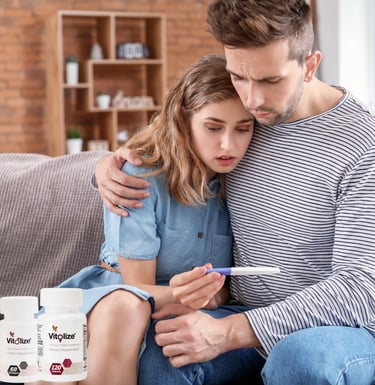
Increasing Fertility in Women and Men: Natural Solutions for Conception
By WellnessWithForever 21 December 2025: This post might contain affiliate links.
Infertility—defined as inability to conceive after 12 months of regular unprotected intercourse—affects approximately 10-15% of couples globally. While the emotional and financial burden of infertility is substantial, understanding what research shows about nutritional factors in reproductive health helps couples make informed decisions about dietary interventions and supplementation.
The causes of infertility are diverse and often multifactorial, involving female factors (40-50%), male factors (30-40%), combined factors (10-15%), and unexplained infertility (10-15%). While some causes require medical intervention (blocked fallopian tubes, severe male factor, ovulatory disorders), nutritional status affects reproductive function in both partners.
Forever Living offers products positioned for reproductive health support including Vitolize for Women, Vitolize for Men, Forever Arctic Sea (omega-3s), and Forever Aloe Vera Gel. Understanding what research actually shows about nutrition and fertility—including limitations, individual variation, and the distinction between deficiency correction and enhancement claims—helps evaluate these and similar products appropriately.
Important Medical Note: This article discusses nutritional considerations for reproductive health. These products are not medications and cannot diagnose, treat, cure, or prevent infertility or any disease. Infertility has numerous causes requiring medical diagnosis and often medical treatment. Nutritional interventions may support reproductive health but cannot address structural problems (blocked tubes, severe sperm abnormalities), ovulatory disorders requiring medication, or many other medical causes of infertility. Couples trying to conceive for 12 months (or 6 months if the woman is over 35) should seek medical evaluation. Some supplements can interact with fertility medications. Always consult reproductive endocrinologists about all supplements during fertility treatment. This information is for educational purposes only and does not replace medical advice.
Key Takeaways
Infertility affects 10-15% of couples and has diverse causes requiring medical evaluation after appropriate timeframes
Nutritional status affects reproductive function, though research evidence varies significantly by nutrient and outcome measured
Male factor infertility (30-40% of cases) is often overlooked but is responsive to some nutritional interventions
Specific nutrients (folate, zinc, omega-3s, antioxidants) have varying levels of research support for reproductive health
Lifestyle factors (weight, stress, sleep, toxin exposure) affect fertility independently of supplements
Individual response to nutritional interventions varies significantly
Medical evaluation and treatment remain essential for diagnosed fertility conditions
Understanding Fertility: The Biology and Challenges
Successful conception requires numerous biological processes functioning optimally in both partners. Understanding these mechanisms provides context for evaluating nutritional interventions.
Female Reproductive Physiology
Ovulation:
Each menstrual cycle, hormonal signals (FSH, LH, estrogen, progesterone) coordinate:
Follicle development in ovaries
Egg maturation
Ovulation (egg release)
Uterine lining preparation
Corpus luteum progesterone production
Disruptions at any point can prevent conception.
Egg quality:
Female fertility declines with age, particularly after 35, due to:
Reduced ovarian reserve (fewer remaining eggs)
Increased chromosomal abnormalities in eggs
Decreased mitochondrial function in eggs
Accumulated oxidative damage over time
Common female factors affecting fertility:
Ovulatory disorders (PCOS most common, affecting 6-12% of reproductive-age women)
Tubal factors (blocked or damaged fallopian tubes from infection, endometriosis, surgery)
Uterine/cervical factors (fibroids, polyps, anatomical abnormalities)
Endometriosis (affects 10% of reproductive-age women)
Age-related decline in ovarian reserve
Hormonal imbalances (thyroid disorders, hyperprolactinemia)
Male Reproductive Physiology
Spermatogenesis:
Sperm production takes approximately 74 days from stem cell to mature sperm:
Constant production in testes (unlike cyclic egg release)
Requires optimal temperature (slightly cooler than body temperature)
Highly sensitive to oxidative stress and toxins
Influenced by hormonal signals (testosterone, FSH, LH)
Sperm parameters:
Male fertility depends on:
Sperm concentration (count)
Motility (movement)
Morphology (shape/structure)
DNA integrity
Common male factors affecting fertility:
Low sperm count/concentration
Poor motility
Abnormal morphology
Varicocele (enlarged veins in scrotum—affects 15% of men, 40% of infertile men)
Hormonal imbalances
Genetic factors
Obstructive issues preventing sperm release
Oxidative Stress and Reproductive Health
The concept:
Reactive oxygen species (ROS) at moderate levels serve signaling functions in reproduction. Excessive ROS causes oxidative stress, potentially damaging:
Sperm DNA (associated with reduced fertilization and increased miscarriage)
Egg cell components (affecting developmental potential)
Reproductive tissues
Sources of oxidative stress:
Normal metabolism (mitochondrial respiration)
Environmental toxins, smoking
Obesity, metabolic syndrome
Varicocele in men
Aging
Inflammation
The antioxidant hypothesis:
Theory suggests antioxidant supplementation might reduce oxidative damage to reproductive cells, improving fertility outcomes. Research evidence for this varies by antioxidant, population studied, and outcome measured.
Research on Nutritional Factors in Fertility
Understanding evidence quality helps distinguish established findings from preliminary research or marketing claims.
Nutrients with Stronger Evidence
Folic acid (folate) - Women:
Functions:
Essential for DNA synthesis and cell division
Reduces neural tube defects when taken periconceptionally (before and early in pregnancy)
May affect egg quality and embryo development
Research evidence:
Neural tube defect prevention: Strong, consistent evidence
Folic acid (400-800 mcg daily) started before conception and continued through first trimester reduces neural tube defects by 50-70%
This is the primary evidence-based recommendation
Fertility outcomes: Limited, mixed evidence
Some studies suggest folic acid supplementation may improve egg quality or IVF outcomes
Evidence is inconsistent and not as robust as for neural tube defect prevention
Recommendations:
All women capable of pregnancy should take 400-800 mcg folic acid daily (CDC, ACOG recommendations)
Primary goal is neural tube defect prevention, not fertility enhancement
Start before attempting conception (neural tube forms in first month, often before pregnancy is known)
Zinc - Men:
Functions:
Essential for testosterone synthesis
Required for spermatogenesis
Antioxidant enzyme cofactor (superoxide dismutase)
Research evidence:
Sperm parameters: Modest supportive evidence
Some studies show zinc supplementation improves sperm concentration, motility, and morphology in zinc-deficient men
Effects strongest when correcting deficiency
Benefits less clear in zinc-replete men
Meta-analysis findings: Inconsistent
Some meta-analyses show modest improvements in sperm parameters
Study quality varies, optimal dose unclear
Individual response variable
Realistic assessment:
May benefit men with documented zinc deficiency or marginal status. Less clear evidence for supplementation in zinc-replete men. Typical supplementation doses: 15-30 mg daily.
Omega-3 fatty acids (EPA/DHA):
Theoretical mechanisms:
Incorporation into sperm and egg cell membranes
Anti-inflammatory effects
May affect hormone production and signaling
Research evidence:
Male fertility: Small studies, mixed results
Some studies show improved sperm count, motility, or morphology
Results inconsistent across studies
Evidence quality limited (small sample sizes, varying doses)
Female fertility: Limited direct evidence
Observational studies suggest associations between omega-3 intake and fertility
Intervention trials specifically testing fertility outcomes are limited
Strong evidence for omega-3s in pregnancy (fetal brain development) but not necessarily for conception
Realistic perspective:
Evidence is suggestive but not definitive. Omega-3s have other health benefits (cardiovascular), so supplementation reasonable for general health. Fertility-specific benefits less established than often claimed.
Nutrients with Mixed or Limited Evidence
Antioxidants (vitamins C, E, selenium) - Men:
Research evidence:
Some studies show improvements in sperm parameters with antioxidant supplementation. However:
Study quality variable
Results inconsistent (positive studies exist, but also many showing no benefit)
Optimal combinations and doses unclear
Individual response varies significantly
Cochrane review conclusions:
Antioxidant supplementation may improve live birth rates in subfertile couples (low-quality evidence)
More research needed to identify which antioxidants, doses, and populations benefit
Important consideration:
High-dose antioxidants have shown risks in other contexts (see antioxidant and aging article). Moderate doses from multivitamins likely safer than megadoses of individual antioxidants.
Coenzyme Q10 (CoQ10):
Theoretical basis:
CoQ10 is involved in mitochondrial energy production. Eggs have high mitochondrial content; aging eggs show mitochondrial dysfunction.
Research evidence:
Female fertility: Very limited human evidence
Small studies suggest possible benefits for egg quality in older women
Evidence insufficient to make strong recommendations
Male fertility: Preliminary evidence
Some small studies show sperm parameter improvements
Larger, high-quality trials needed
Vitamin D:
Associations observed:
Vitamin D deficiency associated with:
PCOS
Endometriosis
Poorer IVF outcomes in some studies
Intervention evidence:
Limited trials directly testing vitamin D supplementation for fertility outcomes
May help some women with PCOS (improving insulin resistance, menstrual regularity)
Insufficient evidence to recommend for fertility enhancement in vitamin D-replete women
Realistic approach:
Correct deficiency if present (test 25-hydroxyvitamin D). Unclear if supplementation beyond deficiency correction improves fertility.
L-carnitine - Men:
Small studies suggest possible sperm parameter improvements. Evidence limited and inconsistent.
Herbal and Proprietary Ingredients
Saw palmetto, pumpkin seed, cranberry (in Vitolize products):
Evidence for fertility enhancement is limited to absent. These ingredients have other uses:
Saw palmetto: Studied for benign prostatic hyperplasia (BPH), not fertility
Pumpkin seed: Contains zinc and other nutrients, but specific fertility evidence lacking
Cranberry: Urinary tract health, not fertility
Lycopene:
Some studies show sperm parameter improvements with lycopene supplementation. Evidence is preliminary, with small sample sizes and variable results.
Aloe vera:
No established evidence for fertility enhancement in humans. Traditional use doesn't equate to demonstrated efficacy in clinical trials.
Vitolize Products: Realistic Assessment
Understanding Forever Living fertility products within the research evidence framework helps set appropriate expectations.
Vitolize for Men
Formula overview:
Contains zinc, lycopene, saw palmetto, pumpkin seed, selenium, vitamin E, and other ingredients.
Evidence-based components:
Zinc: Modest evidence for improving sperm parameters when correcting deficiency
Lycopene: Preliminary evidence, small studies
Selenium + Vitamin E: Mixed evidence, some studies show benefits
Limited evidence components:
Saw palmetto: BPH studies, not fertility
Pumpkin seed: Nutrient source, not specific fertility evidence
Realistic expectations:
May provide modest benefit for men with:
Zinc or selenium deficiency/insufficiency
Oxidative stress affecting sperm (though measuring this is difficult clinically)
Suboptimal sperm parameters
Unlikely to help:
Severe male factor infertility (very low counts, complete motility issues) requiring medical intervention
Structural problems (varicocele, obstructions)
Normal sperm parameters already
Timeline:
Spermatogenesis takes 74 days, so any improvements would appear after 2-3 months minimum.
Not a replacement for:
Medical evaluation (semen analysis)
Treatment of diagnosed conditions (varicocele repair, hormonal treatments)
Lifestyle modifications (weight loss if obese, smoking cessation)
Vitolize for Women
Formula overview:
Contains iron, folic acid, cranberry, B vitamins, and other ingredients.
Evidence-based components:
Folic acid: Strong evidence for neural tube defect prevention; take before conception
Iron: Important if deficient; deficiency can affect ovulation
B vitamins: General health, some evidence B6 may help menstrual regularity
Limited evidence components:
Cranberry: Urinary tract health, not fertility
Other proprietary blend ingredients: Evidence lacking
Realistic expectations:
May provide benefit for women with:
Inadequate dietary folate (though most would benefit from standalone folic acid)
Iron deficiency affecting menstrual cycles
B vitamin insufficiencies
Unlikely to help:
Ovulatory disorders requiring medication (PCOS, hypothalamic amenorrhea)
Structural problems (blocked tubes, severe endometriosis, uterine abnormalities)
Age-related ovarian reserve decline (no supplement can reverse this)
Should not replace:
Medical evaluation for irregular cycles or anovulation
Folic acid supplementation (ensure adequate dose - 400-800 mcg)
Treatment of diagnosed conditions
Forever Arctic Sea (Omega-3s)
Evidence for fertility:
Limited direct evidence for omega-3s improving conception rates. Some small studies suggest possible benefits for sperm parameters and possibly egg quality.
Stronger evidence for:
Pregnancy outcomes (fetal brain development)
Cardiovascular health
Anti-inflammatory effects
Realistic use:
Reasonable supplement for general health. Fertility-specific benefits less established but omega-3s have low risk at typical doses. If not eating fatty fish regularly, supplementation (1-2g combined EPA/DHA daily) reasonable.
Forever Aloe Vera Gel
Evidence for fertility:
No established human clinical trial evidence that aloe vera improves fertility outcomes.
Proposed mechanisms lack supporting data:
Claims about hormonal balance, detoxification, anti-inflammatory effects affecting fertility are speculative, not evidence-based.
Realistic assessment:
May provide general digestive comfort for some individuals. Fertility enhancement claims are not supported by research.
Lifestyle Factors: Equal or Greater Impact
Research consistently shows lifestyle factors affect fertility as much or more than supplements.
Body Weight and Composition
Obesity and fertility:
Women:
Obesity associated with anovulation, PCOS, reduced IVF success
Even modest weight loss (5-10% body weight) can restore ovulation in anovulatory obese women
Mechanisms: Insulin resistance, hormonal imbalances, inflammation
Men:
Obesity associated with reduced sperm quality, erectile dysfunction
Mechanisms: Hormonal changes (increased aromatization of testosterone to estrogen), increased scrotal temperature, oxidative stress
Underweight and fertility:
Women:
Very low body weight (<18.5 BMI) or low body fat can cause hypothalamic amenorrhea (no menstruation)
Mechanism: Energy deficit signals body that conditions aren't optimal for pregnancy
Evidence-based recommendation:
Achieving healthy weight (BMI 20-25 generally) improves fertility more than most supplements. Weight loss interventions show robust effects on fertility restoration in obese anovulatory women.
Smoking and Alcohol
Smoking:
Strong, consistent evidence that smoking impairs fertility in both partners:
Women: Accelerated ovarian aging, increased miscarriage risk, poorer IVF outcomes
Men: Reduced sperm quality (count, motility, morphology, DNA damage)
Alcohol:
Moderate-heavy drinking (>7 drinks/week women, >14/week men) may reduce fertility
Effects dose-dependent
Complete abstinence not necessarily required, but moderation important
Cessation:
Stopping smoking and limiting alcohol have clearer, larger effects on fertility than any supplement.
Exercise
Moderate exercise:
Associated with improved fertility, likely through:
Weight management
Insulin sensitivity improvement
Stress reduction
Excessive exercise:
Particularly in women, excessive intense exercise (especially with low energy availability) can cause:
Menstrual irregularities
Anovulation
Reduced fertility
Recommendation:
Moderate regular activity (30-45 minutes most days) supports fertility. Avoid extreme endurance training or chronic energy deficit.
Stress
Associations:
Severe stress associated with fertility problems, though causation vs. correlation complex (infertility itself is stressful).
Mechanisms:
Chronic stress may affect:
Hormonal regulation (cortisol affecting reproductive hormones)
Sexual function and frequency of intercourse
Adherence to healthy behaviors
Interventions:
Mind-body interventions (meditation, yoga, support groups) show some benefit for reducing stress in infertile couples. Whether they directly improve conception rates is less clear.
Environmental Toxins
Known reproductive toxins:
Certain pesticides, heavy metals, industrial chemicals
BPA (bisphenol A) and phthalates (plastics)
Cigarette smoke
Reducing exposure:
Avoid smoking (personal and secondhand)
Minimize plastic food containers, especially heating food in plastic
Choose organic when feasible for high-pesticide foods
Workplace exposure awareness for occupational hazards
Realistic perspective:
Reducing clear toxin exposures is prudent. Extreme avoidance attempts may increase stress without clear fertility benefit.
Creating an Evidence-Based Approach
Rather than "fertility optimization protocols" promising dramatic results, evidence-based approach addresses known factors affecting reproduction.
Priority 1: Medical Evaluation
Timing for evaluation:
After 12 months of regular unprotected intercourse (women under 35)
After 6 months (women 35 and older)
Immediately if known issues (irregular cycles, previous pelvic infections, known male factor)
Basic evaluation includes:
Women:
Ovulation confirmation (BBT charting, ovulation predictor kits, progesterone testing)
Ovarian reserve testing (AMH, FSH, antral follicle count)
Tubal patency assessment (HSG)
Hormonal evaluation (thyroid, prolactin)
Men:
Semen analysis (count, motility, morphology, volume)
Hormonal testing if indicated
Why this is priority 1:
Some causes require medical treatment (blocked tubes need surgery, anovulation may need medication, severe male factor may need IVF/ICSI). Nutritional interventions won't address these.
Priority 2: Lifestyle Modifications
Higher impact than supplements:
Achieve healthy weight if overweight/underweight
Stop smoking completely
Limit alcohol to minimal/moderate
Regular moderate exercise (avoid excessive)
Manage stress
Adequate sleep (7-8 hours)
Reduce clear toxin exposures
Priority 3: Nutritional Adequacy
Focus on diet quality:
Mediterranean-style diet associated with better fertility outcomes in some studies
Adequate protein, healthy fats, fruits, vegetables, whole grains
Limit processed foods, trans fats, excess sugar
Specific nutrients:
Women:
Folic acid 400-800 mcg daily (start before conception for neural tube defect prevention)
Iron if deficient
Vitamin D if deficient
Men:
Adequate zinc (dietary sources or moderate supplementation if insufficient)
Antioxidant-rich diet (benefits over supplements unclear)
Priority 4: Targeted Supplementation (Individual Assessment)
Rather than blanket "fertility supplements":
Assess actual dietary intake
Test for deficiencies (vitamin D, iron, B12 if suspected)
Supplement confirmed deficiencies or insufficiencies
Consider omega-3s if not eating fish (general health benefit, possible fertility benefit)
Avoid:
Megadosing nutrients without evidence
Expensive proprietary formulas with limited research
Replacing medical evaluation/treatment with supplements
Realistic Expectations and Timelines
What Nutritional Interventions Can Do
When addressing deficiency:
Correct deficiency-related problems (iron-deficiency affecting ovulation, zinc deficiency affecting sperm production)
Support general reproductive health
For some individuals:
Modest improvements in sperm parameters (if oxidative stress or nutritional insufficiency present)
Possibly improved egg quality (evidence limited)
What Nutritional Interventions Cannot Do
They do NOT:
Guarantee pregnancy
Reverse age-related fertility decline
Fix structural problems (blocked tubes, varicocele, severe endometriosis)
Replace medical treatment for ovulatory disorders or severe male factor
Work equally for everyone (individual response varies dramatically)
Realistic Timelines
Sperm parameter improvements: 2-3 months (one spermatogenesis cycle)
Female cycle improvements: 1-3 months if changes occur
Conception: Highly variable
Couples with no fertility issues: 85% conceive within 12 months
Subfertile couples: Success rates vary by cause
No supplement guarantees conception in any timeframe
Individual Variation
Some couples may benefit from nutritional interventions:
Those with nutritional deficiencies
Mild sperm parameter issues potentially responsive to antioxidants/zinc
Women with PCOS possibly benefiting from weight loss, inositol (separate evidence), vitamin D correction
Many couples won't benefit significantly:
Those already nutritionally adequate
Couples with structural problems requiring medical intervention
Unexplained infertility (cause unknown, so intervention uncertain)
Conclusion
Nutritional factors affect reproductive health, though the magnitude of effect varies significantly by nutrient, individual baseline status, and specific fertility issues present. While some nutrients (folic acid for neural tube defect prevention, correcting documented deficiencies) have clear evidence-based roles, many "fertility supplement" claims exceed available research evidence.
Forever Living products including Vitolize for Women, Vitolize for Men, Forever Arctic Sea, and Forever Aloe Vera Gel contain various nutrients and ingredients with varying levels of research support. Vitolize products may provide modest benefit for some individuals with nutritional insufficiencies or oxidative stress, but are not substitutes for medical evaluation or treatment of diagnosed fertility conditions.
The strongest evidence for improving fertility comes from lifestyle modifications: achieving healthy weight, stopping smoking, limiting alcohol, managing stress, and reducing environmental toxin exposure. Medical evaluation after appropriate timeframes (12 months under age 35, 6 months over 35) is essential for identifying causes requiring medical treatment.
Couples considering fertility supplements should:
Seek medical evaluation at appropriate timeframes
Focus first on diet quality and lifestyle factors
Test for nutritional deficiencies rather than assuming deficiency
Use supplements as targeted interventions for identified needs, not blanket approaches
Maintain realistic expectations (modest potential benefits, not guarantees)
Continue medical evaluation and treatment as indicated
The most important message: Infertility has diverse causes requiring individualized assessment and treatment. Nutritional interventions may support reproductive health but cannot replace comprehensive medical evaluation and appropriate treatment when needed.
Frequently Asked Questions
How long should we try supplements before seeking medical help?
Don't delay medical evaluation based on supplement use. Seek evaluation after 12 months of trying (under 35) or 6 months (over 35), regardless of whether you're taking supplements. You can continue supplements during medical evaluation and treatment. Time is particularly important for women over 35 due to age-related fertility decline—don't waste months on supplements if medical issues need addressing.
Do men really need to take fertility supplements?
Male factor contributes to 30-40% of infertility cases, so male health matters. However, whether supplements help depends on individual factors. Semen analysis can identify if sperm parameters are problematic. If semen analysis is normal, supplements unlikely to improve further. If parameters are suboptimal and nutritional deficiency possible, targeted supplementation (zinc, antioxidants) may provide modest benefit. Medical evaluation comes first.
Can Vitolize products replace medical fertility treatment?
No. Vitolize products cannot address structural problems (blocked fallopian tubes, varicocele), severe ovulatory disorders, severe male factor infertility, or many other medical causes of infertility. They are nutritional supplements, not medical treatments. Use alongside (not instead of) appropriate medical evaluation and treatment. Some couples with mild issues may conceive with lifestyle/nutritional changes, but this cannot be predicted without medical assessment.
How do I know if these supplements are working?
For women: More regular menstrual cycles might indicate hormonal improvement, but this doesn't guarantee improved fertility. For men: Repeat semen analysis after 3 months can show if sperm parameters improved. For both: Pregnancy is the only definitive measure, but absence of pregnancy doesn't mean supplements "aren't working"—many factors affect conception beyond nutrition.
Are there any risks to fertility supplements?
Most nutrients at recommended doses are safe. Concerns: High-dose antioxidants have shown risks in other contexts (see antioxidant article). Some herbs may interact with fertility medications. Iron can cause constipation and is toxic in overdose. Excessive vitamin A is teratogenic (harmful in pregnancy). Always inform your reproductive endocrinologist about all supplements, especially during fertility treatment.
Can supplements help with age-related fertility decline?
No supplement can reverse ovarian aging or restore ovarian reserve. Female fertility declines with age due to decreased egg quantity and quality—this is biological reality. Some supplements (CoQ10, antioxidants) are theorized to possibly improve egg quality modestly, but evidence is very limited and effects, if any, are small. Focus on medical evaluation to assess ovarian reserve and discuss appropriate treatment options (IVF if indicated).
Should we take these supplements during IVF?
Discuss with your reproductive endocrinologist. Some clinics recommend continuing certain supplements (folic acid, vitamin D if deficient, omega-3s, moderate antioxidants). Others prefer minimal supplementation during IVF cycles. Folic acid should definitely continue. Other supplements should be coordinated with medical team to avoid interactions with fertility medications.
How much should we spend on fertility supplements monthly?
Cost-benefit considerations matter. Before spending significantly on supplements: (1) Get medical evaluation to identify actual problems, (2) Address no-cost/low-cost lifestyle factors (weight, smoking, alcohol, stress, sleep), (3) Take evidence-based basics (folic acid for women, correct any tested deficiencies), (4) Consider targeted supplements based on individual issues. Expensive proprietary fertility formulas may not provide better results than basic nutritional adequacy.
Can supplements prevent miscarriage?
Folic acid reduces neural tube defects but doesn't prevent most miscarriages (most are due to chromosomal abnormalities). Some research suggests vitamin D, omega-3s, or other nutrients might affect miscarriage risk, but evidence is limited. Recurrent miscarriage (2-3 or more) requires medical evaluation—causes include chromosomal issues, uterine abnormalities, hormonal problems, clotting disorders. Supplements alone won't address most causes.
What if we have "unexplained infertility"?
Unexplained infertility (10-15% of cases) means medical evaluation found no obvious cause. Nutritional optimization reasonable in this situation since underlying factors are unclear. However, realistic expectations essential—if nutrition was the sole issue, diet assessment and targeted supplementation should address it. If 6-12 months of lifestyle/nutritional optimization doesn't result in pregnancy, proceeding to fertility treatments (IUI, IVF) often recommended rather than continued waiting.
Sources and References
For evidence-based information about nutrition and reproductive health:
American Society for Reproductive Medicine (ASRM): https://www.asrm.org - Clinical guidelines and patient education
Centers for Disease Control and Prevention (CDC) - Reproductive Health: Folic acid recommendations, fertility statistics
Cochrane Database of Systematic Reviews: Evidence synthesis on antioxidants for male subfertility, other fertility interventions
PubMed/MEDLINE: https://pubmed.ncbi.nlm.nih.gov - Scientific literature on nutrition and fertility
Human Reproduction: Leading journal on reproductive medicine and fertility research
Fertility and Sterility: Research on fertility treatments and outcomes
About the Author
Naddy is a wellness enthusiast and content creator behind Wellness With Forever. She focuses on simple, practical tips to support a healthy lifestyle through nutrition, movement, and mindful habits. Drawing on personal experience and ongoing research into health and wellness, she aims to break down complex topics into clear, easy-to-follow guidance.
Disclaimer
The information in this article is for educational purposes only and does not replace professional medical advice. These statements have not been evaluated by the Food and Drug Administration. Forever Living products are not intended to diagnose, treat, cure, or prevent infertility or any disease. Infertility has numerous medical causes requiring professional diagnosis and treatment. Couples experiencing difficulty conceiving should seek medical evaluation after appropriate timeframes (12 months under age 35, 6 months over 35). Nutritional interventions may support reproductive health but cannot address structural problems, severe hormonal disorders, or many other medical causes of infertility. Some supplements can interact with fertility medications. Individual responses vary significantly. The author and publisher assume no responsibility for adverse effects from the use or misuse of information contained herein. Always consult reproductive endocrinologists about supplements during fertility treatment.
About Us
Follow
© 2025. WellnessWithForever
SUBSCRIBE