Natural Anti-Inflammatory Supplements for Immune System Support
Anti-inflammatory supplements immune support: Omega-3 STRONGEST (Forever Arctic Sea), vitamin D, curcumin, zinc, probiotics. Lifestyle 70-90% not boosting.
by WellnessWithForever
3/29/202633 min read
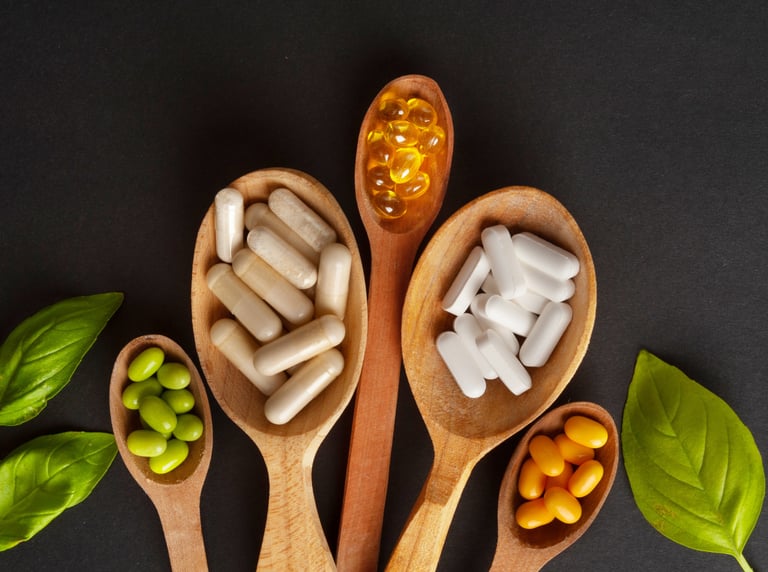
Natural Anti-Inflammatory Supplements for Immune System Support
By WellnessWithForever 29 March 2026: This post might contain affiliate links.
Are you experiencing frequent infections, slow recovery from illness, persistent inflammation, or autoimmune symptoms—wondering whether chronic inflammation might be compromising your immune function and overall health? Confused by conflicting information about which anti-inflammatory supplements genuinely support immune resilience versus products marketed with immune-boosting claims lacking scientific substantiation? Trying to distinguish between evidence-based interventions that may meaningfully modulate inflammation and enhance immune response from expensive formulations capitalizing on immune health anxieties without robust research backing?
Chronic low-grade inflammation represents one of most significant health challenges in modern society—affecting millions through contributions to cardiovascular disease, type 2 diabetes, autoimmune conditions, neurodegenerative diseases, cancer development, accelerated aging, and compromised immune function. According to immunology and inflammation research, acute inflammation serves essential protective function as part of innate immune response to injury, infection, or tissue damage—characterized by classic signs of redness, heat, swelling, pain, and temporary loss of function as immune cells mobilize to eliminate pathogens, remove damaged tissue, and initiate healing. This acute inflammatory response typically resolves within days to weeks once threat eliminated and tissue repair completed.
However, chronic inflammation differs fundamentally from beneficial acute inflammation—representing persistent low-level inflammatory state lasting months to years driven by: unresolved acute inflammation (inadequate resolution mechanisms), persistent infections (viral, bacterial, fungal), autoimmune processes (immune system attacking self-tissues), environmental toxins and pollutants (air pollution, industrial chemicals, pesticides), obesity particularly visceral adiposity (fat cells secrete inflammatory cytokines creating systemic inflammation), poor dietary patterns (excessive refined carbohydrates, sugar, saturated fats, processed foods, omega-6 fatty acids—insufficient anti-inflammatory omega-3s, vegetables, fruits, polyphenols), physical inactivity (sedentary behavior promotes inflammatory state), chronic stress (elevates cortisol and inflammatory markers), inadequate sleep (sleep deprivation increases inflammatory cytokines), smoking and excessive alcohol (promote oxidative stress and inflammation), aging (progressive increase in inflammatory markers—"inflammaging"), and gut dysbiosis (imbalanced intestinal microbiome producing inflammatory compounds).
The intricate relationship between inflammation and immune function creates bidirectional effects: chronic inflammation impairs immune system effectiveness through multiple mechanisms including T-cell exhaustion (continuous inflammatory signaling depletes adaptive immune cells reducing response to new threats), immune senescence acceleration (chronic inflammation hastens age-related immune decline), autoimmune risk (persistent inflammation increases likelihood of immune system targeting self-tissues), reduced pathogen clearance (chronically activated immune system less efficient at eliminating new infections), and impaired vaccine responses (chronic inflammation associates with reduced antibody production following vaccination). Conversely, dysfunctional immune regulation drives chronic inflammation through aberrant cytokine production, inadequate anti-inflammatory signaling, and failure of inflammation resolution pathways.
According to inflammation biomarker research, elevated markers of chronic inflammation—particularly high-sensitivity C-reactive protein (hsCRP), interleukin-6 (IL-6), tumor necrosis factor-alpha (TNF-α), and others—consistently predict increased risk for numerous chronic diseases and mortality. Addressing chronic inflammation through comprehensive approach combining anti-inflammatory dietary patterns, regular physical activity, stress management, adequate sleep, weight management if overweight/obese, and strategic supplementation represents fundamental strategy for supporting immune resilience, reducing chronic disease risk, and promoting healthy longevity.
The supplement industry markets countless products claiming to "boost immunity," "reduce inflammation," or "support immune health"—ranging from individual vitamins and minerals to herbal extracts, mushroom preparations, specialized compounds, and proprietary formulations. Critical evaluation distinguishes supplements with legitimate research supporting anti-inflammatory and immune-supportive effects from those making exaggerated claims without substantive scientific evidence. Additionally, important nuances exist between supporting balanced immune function (optimal goal) versus inappropriately "boosting" immune system (can exacerbate autoimmune conditions or promote excessive inflammatory responses).
This comprehensive evidence-based guide examines anti-inflammatory supplements with strongest research support for immune system benefits, mechanisms by which these compounds modulate inflammation and enhance immune function, what clinical studies actually demonstrate about effectiveness and appropriate use, proper dosing strategies based on health status and inflammatory burden, safety considerations including potential interactions and contraindications particularly for autoimmune conditions, realistic expectations about what supplementation can and cannot accomplish for immune health, how Forever Living products provide quality options for evidence-based anti-inflammatory and immune support, and integration of strategic supplementation into comprehensive wellness approach emphasizing lifestyle foundations of immune resilience.
Important Medical Disclaimer: Frequent infections, persistent illness, unexplained inflammation, or autoimmune symptoms require medical evaluation by qualified healthcare providers. Immune system disorders including primary immunodeficiencies, autoimmune diseases (rheumatoid arthritis, lupus, inflammatory bowel disease, multiple sclerosis, others), or immunosuppression from medications or conditions require specialized medical management—supplements are complementary strategies not substitutes for appropriate medical treatment. Some anti-inflammatory supplements can interact with immunosuppressive medications, affect immune function in ways contraindicated for certain conditions, or cause adverse effects if used inappropriately. People with autoimmune diseases should exercise particular caution with immune-modulating supplements and consult rheumatologists or immunologists before supplementation. Acute infections, severe symptoms, or medical emergencies require immediate professional care—not self-treatment with supplements. This information is educational and does not replace professional medical advice.
Key Takeaways
Omega-3 fatty acids (EPA/DHA) have STRONGEST anti-inflammatory evidence: reduce inflammatory cytokines, support immune cell function—Forever Arctic Sea
Vitamin D critical for immune regulation: correcting deficiency (<30 ng/mL) supports balanced immune response, antimicrobial peptide production
Curcumin (from turmeric) shows MODERATE evidence: anti-inflammatory, antioxidant, immune-modulating properties at high bioavailable doses
Zinc essential for immune function: deficiency impairs immunity, supplementation supports if inadequate—15-30mg daily, avoid excess >40mg long-term
Probiotics support gut-immune axis: strain-specific benefits for immune resilience, inflammation reduction through microbiome modulation
Quercetin flavonoid demonstrates anti-inflammatory, antiviral, immune-supportive properties—emerging evidence
Vitamin C supports immune function during stress/illness: 500-1,000mg daily, higher doses during acute infection
Forever Aloe Vera Gel provides anti-inflammatory compounds supporting digestive and immune wellness
Lifestyle foundations MORE important than supplements: anti-inflammatory diet, exercise, sleep, stress management provide 70-90% benefits
"Immune boosting" marketing misleading—goal is balanced immune function not excessive activation
Understanding Inflammation and Immune Function
Acute vs. Chronic Inflammation
Acute Inflammation (Beneficial, Protective):
When tissue injury, infection, or damage occurs, innate immune system rapidly mobilizes: damaged cells and pathogens release danger signals (PAMPs—pathogen-associated molecular patterns, DAMPs—damage-associated molecular patterns), triggering: tissue-resident immune cells (mast cells, macrophages) detect signals and release inflammatory mediators (histamine, prostaglandins, cytokines including IL-1, IL-6, TNF-α), blood vessels dilate and become more permeable (increases blood flow—causes redness and heat, allows immune cells and proteins to enter tissue—causes swelling), circulating immune cells recruited to site (neutrophils arrive first within minutes-hours, monocytes differentiate into macrophages arriving hours-days, lymphocytes arrive days later if adaptive immunity required).
Functions: Eliminate pathogens or irritants, remove damaged tissue and cellular debris, initiate tissue repair and regeneration, and recruit adaptive immune response if needed.
Timeline: Acute inflammation typically lasts days to weeks, resolving as threat eliminated and tissue healing completes. Resolution involves active anti-inflammatory signaling (specialized pro-resolving mediators—resolvins, protectins, maresins derived from omega-3 fatty acids), clearance of inflammatory cells and mediators, and restoration of tissue homeostasis.
Chronic Inflammation (Harmful, Pathological):
When inflammatory response fails to resolve—persisting months to years—chronic inflammation develops with distinct characteristics: shift from neutrophil-dominant (acute) to macrophage and lymphocyte-dominant infiltration, ongoing tissue damage from persistent inflammatory mediators and oxidative stress, fibrosis (excessive scar tissue formation) replacing normal tissue architecture, and systemic elevation of inflammatory markers (hsCRP, IL-6, TNF-α) measurable in blood.
Consequences: Tissue dysfunction and organ damage (chronic inflammation damages whatever tissues it affects—joints in rheumatoid arthritis, blood vessels in atherosclerosis, brain in neuroinflammation, etc.), metabolic dysfunction (insulin resistance, dyslipidemia, diabetes risk), immune dysregulation (impaired responses to new infections, autoimmune risk), accelerated aging (cellular senescence, telomere shortening), and increased chronic disease risk across virtually all systems.
Inflammation and Immune Function Interactions
How Chronic Inflammation Impairs Immunity:
T-cell exhaustion: Chronic antigenic stimulation and inflammatory signaling causes T-cells to become dysfunctional ("exhausted")—express inhibitory receptors, produce fewer cytokines, have impaired proliferative capacity. This reduces ability to respond effectively to new pathogens or eliminate infected/cancerous cells.
Immune senescence: Chronic inflammation accelerates age-related decline in immune function—thymic involution (shrinking of thymus where T-cells develop), reduced naive T-cell repertoire, accumulation of memory cells limiting space for new responses, impaired antibody production.
Regulatory dysfunction: Balance between pro-inflammatory and anti-inflammatory immune cells (Th1/Th2/Th17 vs. Tregs) becomes disturbed—excessive pro-inflammatory signaling, inadequate regulatory T-cell function controlling inflammation.
Tissue damage: Inflammatory mediators and reactive oxygen species directly damage tissues, impairing local immune surveillance and barrier functions (skin, mucous membranes, gut lining).
How Immune Dysfunction Drives Inflammation:
Autoimmunity: Immune system targeting self-tissues releases inflammatory mediators chronically damaging affected organs.
Persistent infections: Inability to clear certain infections (viral, bacterial, fungal) leads to ongoing immune activation and inflammation.
Allergens and environmental triggers: Inappropriate immune responses to harmless substances (allergies) or environmental exposures create inflammatory states.
Anti-Inflammatory Supplements Supporting Immune Health
1. Omega-3 Fatty Acids (EPA and DHA): Strongest Evidence
Omega-3 fatty acids—specifically EPA (eicosapentaenoic acid) and DHA (docosahexaenoic acid) from marine sources—demonstrate most extensive and robust research supporting anti-inflammatory and immune-supportive effects among nutritional supplements.
Mechanisms of Anti-Inflammatory Action:
Inflammation Resolution: EPA and DHA serve as substrates for specialized pro-resolving mediators (SPMs)—resolvins, protectins, maresins—which actively terminate inflammation and promote resolution rather than simply blocking inflammatory pathways. This represents fundamental mechanism supporting healthy inflammation resolution.
Reduced Pro-Inflammatory Eicosanoids: Omega-3s compete with omega-6 arachidonic acid in cell membranes. When incorporated into membrane phospholipids, EPA/DHA reduce production of pro-inflammatory eicosanoids (series-2 prostaglandins, series-4 leukotrienes derived from arachidonic acid) while increasing less inflammatory or anti-inflammatory eicosanoids.
Inflammatory Cytokine Reduction: Multiple studies demonstrate omega-3 supplementation reduces circulating levels of inflammatory cytokines including IL-6, TNF-α, IL-1β—key mediators of chronic inflammation.
NF-κB Pathway Modulation: Omega-3s inhibit nuclear factor-kappa B (NF-κB)—master regulator of inflammatory gene expression controlling hundreds of inflammatory mediators.
Immune-Supportive Effects:
Enhanced Immune Cell Function: Omega-3s support T-cell and B-cell function, natural killer cell activity, and macrophage function—maintaining immune competence while modulating excessive inflammatory responses.
Balanced Immune Response: Help maintain appropriate balance between pro-inflammatory (Th1, Th17) and regulatory (Th2, Treg) immune cell populations—supporting effective pathogen defense without autoimmune or allergic overreactions.
Research Evidence:
According to systematic reviews and meta-analyses, omega-3 supplementation consistently demonstrates: Reduced inflammatory markers (hsCRP reductions 0.2-0.5 mg/L average, IL-6 and TNF-α reductions in many studies), improved outcomes in inflammatory conditions (rheumatoid arthritis, inflammatory bowel disease, asthma—though effects modest requiring high doses typically 2,000-4,000mg EPA+DHA daily), and potential reduced infection risk and severity (some evidence omega-3s support resistance to respiratory infections, reduce inflammation in critical illness).
Dosing for Anti-Inflammatory Effects:
General anti-inflammatory support: 1,000-2,000mg combined EPA+DHA daily.
Significant inflammatory conditions: 2,000-4,000mg EPA+DHA daily under medical supervision (higher doses used in studies showing clinical benefits for rheumatoid arthritis, inflammatory bowel disease).
Dietary sources: Fatty fish 2-3 servings weekly (salmon, mackerel, sardines, herring) provides 1,000-3,000mg EPA+DHA weekly—Mediterranean diet pattern naturally anti-inflammatory.
Forever Arctic Sea:
Forever Arctic Sea provides omega-3 fatty acids EPA and DHA from fish oil plus omega-9 fatty acids from olive oil—combining marine omega-3s' anti-inflammatory effects with olive oil's polyphenols and monounsaturated fats creating synergistic anti-inflammatory cardiovascular and immune support. Quality third-party tested source convenient for consistent omega-3 intake supporting inflammation resolution and immune balance.
Safety:
Generally very safe at anti-inflammatory doses (1,000-2,000mg EPA+DHA daily). Higher doses (>3,000mg) may increase bleeding risk particularly with anticoagulants—discuss with physician if taking blood thinners. Mild GI upset or fishy aftertaste possible—take with meals, freeze capsules to minimize.
2. Vitamin D: Critical Immune Regulator
Vitamin D functions as steroid hormone with extensive immune-regulatory roles—virtually all immune cells express vitamin D receptors making this nutrient critical for balanced immune function.
Mechanisms Supporting Immune Health:
Antimicrobial Peptide Production: Vitamin D stimulates production of cathelicidin and defensins—antimicrobial peptides with broad-spectrum antibacterial, antiviral, antifungal activity providing first-line innate immune defense.
Immune Cell Regulation: Modulates dendritic cells (present antigens to T-cells), macrophages (pathogen elimination), T-cells (adaptive immunity), and B-cells (antibody production)—supporting effective pathogen defense while preventing excessive inflammation.
Anti-Inflammatory Effects: Reduces pro-inflammatory cytokines (IL-6, TNF-α, IL-17), enhances anti-inflammatory IL-10 production, supports regulatory T-cell function controlling inflammation.
Autoimmune Modulation: Observational studies consistently show low vitamin D associates with increased autoimmune disease risk (multiple sclerosis, rheumatoid arthritis, type 1 diabetes, inflammatory bowel disease, lupus)—adequate vitamin D may reduce autoimmune risk through immune tolerance mechanisms.
Research Evidence:
OBSERVATIONAL STUDIES: Consistently show associations between low vitamin D levels (<20-30 ng/mL) and: increased respiratory infection susceptibility (particularly influenza), more severe infectious disease outcomes, higher inflammatory marker levels, increased autoimmune disease prevalence.
INTERVENTION TRIALS: Show MIXED results—some studies demonstrate vitamin D supplementation reduces respiratory infection incidence and severity particularly in deficient individuals, while other studies show no significant benefits. Meta-analyses suggest modest protective effects particularly for people starting with vitamin D deficiency or insufficiency.
IMMUNE FUNCTION MARKERS: Studies show vitamin D supplementation improves various immune function parameters in deficient individuals—enhanced antimicrobial peptide expression, improved T-cell responses, reduced inflammatory cytokines.
Current Interpretation:
Vitamin D deficiency (<20 ng/mL) clearly impairs immune function—correcting deficiency supports immune resilience and reduces inflammatory burden. However, very high-dose supplementation in people already sufficient (>30 ng/mL) does NOT provide additional immune benefits based on current evidence.
Dosing Strategy:
Test 25-hydroxyvitamin D [25(OH)D] determining status: <20 ng/mL deficiency, 20-30 ng/mL insufficiency, 30-50 ng/mL target sufficiency range.
If deficient: Loading dose 50,000 IU weekly for 8 weeks OR 5,000-10,000 IU daily, then maintenance 2,000-4,000 IU daily. Retest 3 months.
If insufficient: 2,000-4,000 IU daily, retest 3 months.
If sufficient: Maintenance 1,000-2,000 IU daily particularly winter or limited sun exposure.
Vitamin D3 (cholecalciferol) preferred. Take with fat-containing meal (fat-soluble—enhances absorption).
Safety:
Very safe at recommended doses (1,000-4,000 IU daily). Toxicity rare, requires prolonged intake >10,000 IU daily. No increased infection risk from appropriate vitamin D supplementation—deficiency impairs immunity but physiological sufficiency optimal, not supraphysiological excess.
3. Curcumin (From Turmeric): Moderate Anti-Inflammatory Evidence
Curcumin is bioactive polyphenol compound from turmeric (Curcuma longa)—traditional Ayurvedic medicine spice used for inflammatory conditions. Modern research confirms significant anti-inflammatory, antioxidant, and immune-modulating properties though bioavailability challenges affect clinical efficacy.
Mechanisms of Action:
Multi-Target Anti-Inflammatory: Curcumin modulates numerous inflammatory pathways simultaneously—inhibits NF-κB (master inflammatory regulator), COX-2 enzyme (produces inflammatory prostaglandins), lipoxygenase (produces inflammatory leukotrienes), and various inflammatory cytokines (IL-6, TNF-α, IL-1β).
Antioxidant: Directly scavenges reactive oxygen species and enhances endogenous antioxidant enzymes (superoxide dismutase, catalase, glutathione peroxidase)—reducing oxidative stress contributing to inflammation.
Immune Modulation: Affects T-cell, B-cell, macrophage, dendritic cell, and natural killer cell function—generally supporting balanced immune responses while reducing excessive inflammation.
Research Evidence:
Studies show curcumin supplementation: Reduces inflammatory markers (hsCRP, IL-6, TNF-α) in various populations—effects more pronounced in people with elevated baseline inflammation. Improves symptoms in inflammatory conditions including osteoarthritis (pain and function improvements comparable to NSAIDs in some studies), rheumatoid arthritis (adjunctive benefits when combined with standard treatment), inflammatory bowel disease (ulcerative colitis particularly—some studies show symptom improvements and reduced inflammation). May support metabolic health through anti-inflammatory effects (improvements in insulin sensitivity, lipid profiles).
However, critical limitation: Poor bioavailability—curcumin poorly absorbed, rapidly metabolized, quickly eliminated. Standard curcumin supplements provide minimal systemic exposure despite high doses.
Bioavailability Solutions:
Piperine enhancement: Black pepper extract (piperine) inhibits curcumin metabolism increasing bioavailability 2,000%—most curcumin supplements include piperine.
Lipid formulations: Curcumin combined with lipids or phospholipids (e.g., Meriva phytosome) improves absorption.
Nanoparticle formulations: Various proprietary technologies enhancing absorption and tissue distribution.
Dosing:
Effective doses from studies: 500-2,000mg curcumin daily (standardized to 95% curcuminoids) WITH bioavailability enhancer (piperine or lipid formulation).
Without bioavailability enhancement, even high doses provide limited systemic curcumin levels—choose enhanced formulations.
Divide into 2-3 doses daily with meals (fat-containing meals enhance absorption further).
Safety:
Generally safe even at high doses (up to 8,000mg daily in studies). Mild GI upset (nausea, diarrhea) possible at high doses. Yellow staining of skin/clothes possible with very high doses (temporary, harmless). May enhance blood thinner effects—discuss with physician if taking anticoagulants (warfarin, others).
4. Zinc: Essential Immune Mineral
Zinc is essential trace mineral critical for immune system development and function—even mild zinc deficiency significantly impairs immunity making supplementation important when dietary intake inadequate.
Critical Role in Immune Function:
Immune Cell Development: Required for thymus function (where T-cells develop), bone marrow function (producing immune cells), and lymphocyte proliferation—adequate zinc essential for maintaining immune cell populations.
Innate Immunity: Supports neutrophil, macrophage, and natural killer cell function—first-line defenders against pathogens.
Adaptive Immunity: Critical for T-cell and B-cell function, antibody production—deficiency dramatically impairs adaptive immune responses.
Barrier Function: Maintains integrity of skin and mucous membranes (first barriers against infection)—zinc deficiency compromises barrier function increasing infection susceptibility.
Anti-Inflammatory: Zinc inhibits NF-κB pathway, reduces inflammatory cytokine production—helps prevent excessive inflammatory responses.
Antiviral: Direct antiviral effects against various viruses—zinc interferes with viral replication mechanisms.
Zinc Deficiency and Immunity:
Even marginal zinc deficiency common worldwide impairs: T-cell function (reduced proliferation, cytokine production), antibody responses (impaired B-cell function), innate immunity (reduced phagocytosis, natural killer cell activity), increased oxidative stress and inflammation, and thymic atrophy (premature shrinking of thymus reducing T-cell production).
Populations at risk: Vegetarians/vegans (plant zinc less bioavailable than meat zinc), older adults (reduced absorption, often inadequate intake), pregnant/lactating women (increased requirements), people with GI conditions affecting absorption (inflammatory bowel disease, celiac disease, chronic diarrhea), and chronic disease states.
Research Evidence:
Studies demonstrate zinc supplementation: Reduces respiratory infection duration and severity particularly if started within 24 hours of symptom onset (zinc lozenges 75-100mg daily during illness reduce common cold duration ~1-2 days average). Supports immune function in deficient individuals (improves T-cell counts, antibody responses, reduces infection rates). May reduce pneumonia incidence in children (particularly in developing countries with higher deficiency rates). Reduces inflammation markers in various conditions.
Dosing:
Preventive immune support: 15-30mg elemental zinc daily—sufficient for most people without increasing deficiency risk while avoiding excess.
Acute illness (common cold): Zinc lozenges 75-100mg daily divided into multiple doses starting within 24 hours symptom onset, continue 5-7 days. Higher acute doses supported by cold research but short-term only.
Upper limit: 40mg daily from supplements long-term—exceeding this chronically can cause copper deficiency (zinc interferes with copper absorption), immune suppression paradoxically, and GI issues.
Forms: Zinc gluconate, zinc acetate (for lozenges), zinc picolinate, zinc citrate—various forms effective. Take with food if GI upset (though food slightly reduces absorption).
Safety:
Safe at recommended doses (15-30mg daily preventive). Long-term high doses (>40mg daily) cause: copper deficiency (anemia, neurological issues—requires months developing), reduced HDL cholesterol, immune suppression paradoxically, and GI distress. Zinc lozenges can cause bad taste, nausea—tolerable for short-term use during illness.
5. Probiotics: Gut-Immune Axis Support
Probiotics—live beneficial bacteria—support immune function primarily through effects on gut-associated lymphoid tissue (GALT) which comprises approximately 70% of entire immune system.
Gut-Immune Axis Mechanisms:
Physical Barrier: Probiotics strengthen intestinal barrier function preventing harmful bacteria, toxins, and inflammatory compounds from entering bloodstream ("leaky gut").
Immune Cell Modulation: Interact with gut-associated immune cells (dendritic cells, macrophages, T-cells, B-cells) influencing their development and function—promoting balanced immune responses.
Inflammatory Regulation: Reduce pro-inflammatory cytokine production (IL-6, TNF-α, IL-1β), enhance anti-inflammatory IL-10, support regulatory T-cell development.
Pathogen Competition: Compete with pathogenic bacteria for nutrients and attachment sites, produce antimicrobial compounds, modulate gut environment inhospitable to pathogens.
Research Evidence:
Studies show specific probiotic strains: Reduce respiratory infection incidence and duration (Lactobacillus and Bifidobacterium strains most studied—meta-analyses show modest reductions in upper respiratory tract infections particularly in children, athletes, stressed individuals). Support immune parameters (enhanced natural killer cell activity, improved antibody responses to vaccines, increased IgA production protecting mucous membranes). Reduce inflammatory markers in various conditions. Improve outcomes in specific inflammatory conditions (pouchitis after colectomy, some inflammatory bowel disease presentations—strain and condition specific).
Critical Principle—Strain Specificity:
Probiotic benefits are HIGHLY strain-specific—Lactobacillus rhamnosus GG differs completely from different L. rhamnosus strain or different Lactobacillus species. Cannot generalize benefits across all probiotics. Choose products with: Identified strains (genus, species, strain designation—not just "probiotic blend"), clinical research supporting specific strains for intended use, adequate CFU counts (colony-forming units—typically 1-10 billion CFU daily therapeutic doses), proper storage and viability (many require refrigeration), and third-party testing quality assurance.
Dosing:
General immune support: 1-10 billion CFU daily of researched strains (Lactobacillus rhamnosus GG, Lactobacillus acidophilus, Bifidobacterium lactis, others).
Specific conditions may require higher doses or particular strains—follow product research or healthcare provider guidance.
Take on empty stomach or with light meal (food may reduce stomach acid exposure improving bacterial survival to intestines).
Dietary Probiotics:
Fermented foods provide probiotics plus other beneficial compounds: yogurt with live active cultures, kefir (fermented milk with diverse bacteria/yeasts), sauerkraut (unpasteurized), kimchi (Korean fermented vegetables), kombucha (fermented tea), miso, tempeh. Regular consumption supports gut microbiome diversity potentially as beneficial as supplements.
Safety:
Very safe for healthy individuals. People with compromised immune systems or serious illness should consult physician (rare risk of infections from probiotic bacteria in immunocompromised). Initial gas/bloating common as gut adapts—usually resolves 1-2 weeks.
6. Quercetin: Flavonoid with Immune-Supportive Properties
Quercetin is flavonoid polyphenol abundant in onions, apples, berries, tea, and other plant foods—demonstrates anti-inflammatory, antioxidant, antiviral, and immune-modulating properties in research though clinical evidence still developing.
Mechanisms:
Anti-Inflammatory: Inhibits inflammatory pathways (NF-κB, inflammatory cytokines), reduces histamine release from mast cells (anti-allergic effects).
Antioxidant: Scavenges free radicals, enhances endogenous antioxidant systems.
Antiviral: Laboratory studies show quercetin inhibits various viruses including influenza, rhinovirus, coronavirus (including SARS-CoV-2 in vitro)—interferes with viral entry and replication. Clinical significance uncertain—in vitro effects don't always translate to human efficacy.
Immune Modulation: Affects immune cell function—generally supporting balanced responses while reducing excessive inflammation.
Research Evidence:
EMERGING but not yet ROBUST: Some studies suggest quercetin supplementation reduces upper respiratory tract infection incidence particularly in athletes or stressed individuals (500-1,000mg daily). May reduce exercise-induced inflammation and oxidative stress. Potential adjunctive benefits for allergies (antihistamine effects). Laboratory antiviral effects promising but limited clinical trial evidence in humans for infection prevention/treatment.
Bioavailability Challenge:
Like curcumin, quercetin has poor bioavailability—rapidly metabolized, low absorption. Some formulations include bromelain (pineapple enzyme) or vitamin C enhancing absorption and activity.
Dosing:
Typical studied doses: 500-1,000mg daily divided into 2 doses.
Often combined with vitamin C and/or bromelain in immune support formulations.
Safety:
Generally safe at typical doses (500-1,000mg daily). Very high doses (>1,000mg daily) may cause headache, tingling. May interact with certain medications—consult pharmacist if taking multiple medications.
7. Vitamin C: Classic Immune Support
Vitamin C (ascorbic acid) is water-soluble vitamin with well-established roles in immune function—though effects often overstated in popular media, genuine immune-supportive benefits exist particularly during physiological stress.
Immune Functions:
Supports various immune cells: Enhances neutrophil chemotaxis and phagocytosis, supports lymphocyte proliferation, acts as antioxidant protecting immune cells from oxidative damage during respiratory burst (pathogen killing).
Collagen synthesis: Essential for maintaining barrier integrity (skin, mucous membranes).
Research Evidence:
PREVENTING INFECTIONS IN HEALTHY PEOPLE: Regular vitamin C supplementation (200-2,000mg daily) does NOT significantly reduce common cold incidence in general population according to extensive research.
REDUCING DURATION/SEVERITY: May modestly reduce cold duration (~8% reduction in adults, ~14% in children) and symptom severity—effects small but consistent across studies.
SPECIFIC POPULATIONS: Marathon runners, skiers, soldiers exposed to extreme physical stress/cold environments show ~50% reduction in common cold incidence with regular vitamin C supplementation (500-1,000mg daily)—suggests benefits primarily during significant physiological stress.
THERAPEUTIC DOSES DURING ILLNESS: Some evidence higher doses (1,000-2,000mg daily divided into multiple doses) started at illness onset may reduce symptom duration/severity slightly.
Dosing:
General health: 500-1,000mg daily—well above RDA (90mg men, 75mg women) potentially supporting immune function during stress.
During acute illness: 1,000-2,000mg daily divided into 2-3 doses for duration of illness.
Dietary sources: Citrus fruits, strawberries, kiwi, bell peppers, broccoli, Brussels sprouts provide abundant vitamin C—1 orange provides ~70mg, 1 cup strawberries ~90mg, 1 cup raw broccoli ~80mg.
Safety:
Very safe—excess excreted in urine. Doses >2,000mg daily may cause diarrhea (osmotic effect—self-limiting). Reduce dose if experiencing loose stools. People prone to kidney stones (calcium oxalate) should avoid very high doses (>1,000mg daily long-term) as vitamin C metabolizes to oxalate.
Forever Aloe Vera Gel: Anti-Inflammatory Digestive Support
Forever Aloe Vera Gel provides bioactive compounds from aloe vera plant supporting digestive health and overall wellness through anti-inflammatory and immune-modulating effects.
Aloe Vera Properties:
Contains polysaccharides (acemannan particularly) with immune-modulating properties, antioxidant vitamins and enzymes reducing oxidative stress, and anti-inflammatory compounds soothing digestive tract.
Gut-Immune Connection:
Supporting digestive health indirectly benefits immune function given gut-associated lymphoid tissue represents 70% of immune system. Maintaining healthy gut environment, reducing intestinal inflammation, and supporting beneficial gut bacteria all contribute to balanced immune responses.
Usage:
Forever Aloe Vera Gel provides convenient quality aloe vera supporting digestive wellness and overall health as part of comprehensive anti-inflammatory lifestyle approach.
Lifestyle Foundations: More Important Than Supplements
Critical Principle: Supplements provide MARGINAL immune and anti-inflammatory benefits (perhaps 10-20% additional support) compared to lifestyle modifications which provide MAJORITY of effects (70-90% of achievable improvements).
Anti-Inflammatory Dietary Pattern
Mediterranean diet extensively researched for anti-inflammatory effects: Emphasizes vegetables (6+ servings daily—variety colors providing diverse polyphenols and antioxidants), fruits (2-3 servings daily—berries particularly anti-inflammatory), whole grains (brown rice, quinoa, oats, whole wheat), legumes (beans, lentils, chickpeas—fiber, polyphenols), nuts and seeds (almonds, walnuts, flax, chia—anti-inflammatory fats), extra virgin olive oil (primary fat source—rich in oleocanthal and other anti-inflammatory polyphenols), fatty fish (2-3 servings weekly—omega-3s), herbs and spices (turmeric, ginger, garlic, rosemary—anti-inflammatory compounds), moderate wine (optional—polyphenols though alcohol has pro-inflammatory effects limiting benefits), limited red meat and processed foods, and minimal refined carbohydrates, added sugars.
Studies consistently show Mediterranean diet: Reduces inflammatory markers (hsCRP, IL-6), improves metabolic health, reduces chronic disease risk across multiple conditions, and supports healthy immune aging.
Regular Physical Activity
Exercise provides powerful anti-inflammatory and immune-supportive effects: Reduces inflammatory cytokines (IL-6, TNF-α, hsCRP), increases anti-inflammatory IL-10, improves immune surveillance (enhanced circulation of immune cells), reduces visceral adiposity (fat tissue produces inflammatory cytokines—losing visceral fat reduces inflammation), and supports healthy immune aging.
Recommendations: 150+ minutes weekly moderate aerobic activity (brisk walking, cycling, swimming) OR 75+ minutes vigorous, plus resistance training 2+ days weekly. Avoid overtraining (excessive intense exercise without adequate recovery increases inflammation and suppresses immunity).
Stress Management and Sleep
Chronic stress elevates cortisol and inflammatory markers, impairs immune function: Meditation and mindfulness reduce inflammatory markers and support immune parameters, adequate sleep 7-9 hours essential (sleep deprivation dramatically increases inflammatory cytokines and impairs immune responses), yoga and tai chi combine movement with stress reduction, and social connection and support buffer stress effects.
Weight Management
Obesity, particularly visceral adiposity, creates chronic inflammatory state: Adipose tissue (especially visceral fat surrounding organs) secretes inflammatory cytokines (IL-6, TNF-α, resistin, others) creating systemic inflammation. Modest weight loss (5-10% body weight if overweight/obese) significantly reduces inflammatory markers and improves immune function.
Avoid Smoking and Limit Alcohol
Smoking dramatically increases inflammation and oxidative stress, impairs immune function. Excessive alcohol (>1 drink daily women, >2 men) promotes inflammation, disrupts gut barrier, impairs immunity. Moderation or avoidance supports anti-inflammatory goals.
Real Example:
Lisa, 45, experiencing frequent colds (4-5 yearly), slow recovery from illnesses, persistent fatigue, joint stiffness mornings, elevated hsCRP 4.2 mg/L (normal <3 mg/L, elevated indicating inflammation). Concerned about immune health and inflammation, started expensive supplement regimen based on immune-boosting marketing ($200+ monthly): High-dose vitamin C 3,000mg daily, echinacea, elderberry, astragalus, medicinal mushroom blends (reishi, shiitake, maitake), colloidal silver, specialized immune formulas with 20+ ingredients.
After 6 months expensive supplementation while maintaining poor lifestyle habits (processed food diet, minimal vegetables, sedentary job without exercise, chronic work stress, sleep 5-6 hours nightly due to stress and poor habits, overweight BMI 32): No noticeable improvements—still getting frequent infections, fatigue persisting, hsCRP remained elevated 4.0 mg/L, frustrated that expensive "immune-boosting" supplements ineffective.
Consulted integrative medicine physician who explained: immune system doesn't need "boosting" (can worsen autoimmune tendencies)—needs BALANCING through reducing chronic inflammation and supporting resilience via lifestyle primarily, supplements secondarily.
Comprehensive evidence-based approach implemented: ANTI-INFLAMMATORY DIET: Worked with nutritionist adopting Mediterranean pattern (abundant vegetables 7-8 servings daily emphasizing variety, fruits especially berries, whole grains replacing refined carbs, legumes 3-4x weekly, extra virgin olive oil, fatty fish 3x weekly, nuts daily, turmeric in cooking, eliminated processed foods and excess sugar, reduced red meat). EXERCISE: Started walking 30 minutes daily gradually building to 45-60 minutes 5-6x weekly plus yoga 2x weekly. STRESS MANAGEMENT: Daily meditation 15 minutes, therapy addressing work stress and anxiety, established boundaries reducing overcommitment. SLEEP: Prioritized 7-8 hours implementing sleep hygiene (consistent schedule, dark cool bedroom, no screens hour before bed, relaxation routine). WEIGHT LOSS: Through dietary improvements and exercise, lost 22 pounds over 6 months (BMI 32 to 28).
SIMPLIFIED EVIDENCE-BASED SUPPLEMENTS ($50 monthly vs $200): Omega-3 2,000mg EPA+DHA daily (Forever Arctic Sea—anti-inflammatory), vitamin D 4,000 IU daily (tested insufficient 24 ng/mL), zinc 25mg daily, probiotic Lactobacillus rhamnosus GG 10 billion CFU, vitamin C 500mg daily, Forever Aloe Vera Gel digestive support.
After 6 months comprehensive lifestyle-focused approach: DRAMATIC improvements—infections reduced to 1 mild cold (vs previous 4-5 yearly), rapid recovery when ill (2-3 days vs previous 7-10 days), energy significantly improved, joint stiffness resolved, hsCRP decreased to 1.4 mg/L (excellent—below 1 mg/L considered low risk, <3 mg/L moderate), lost 22 pounds, sleep quality excellent, stress management improved, felt "better than I have in 10+ years."
Lesson: Expensive "immune-boosting" supplement cocktails ineffective without addressing root causes of inflammation and immune dysfunction through lifestyle. Lisa spent $1,200 on supplements over 6 months with zero improvement while maintaining inflammatory lifestyle. Once implemented anti-inflammatory Mediterranean diet, regular exercise, stress management, adequate sleep, weight loss, and simplified evidence-based supplements ($50 monthly), achieved remarkable reduction in inflammation, dramatically improved immune resilience, and overall wellness transformation. Lifestyle provided 85-90% of benefits, supplements supported 10-15%—comprehensive approach addressing fundamentals produces results expensive supplements alone cannot deliver.
Frequently Asked Questions
Can supplements "boost" my immune system?
This common marketing claim is misleading—immune system doesn't need "boosting" in sense of making stronger or more active. Instead, goal is supporting BALANCED immune function—effective pathogen defense without excessive inflammation or autoimmune reactions.
Why "Immune Boosting" Is Wrong Concept:
The immune system has two potential dysfunction states: UNDERACTIVE (immunodeficiency—inadequate responses to pathogens causing frequent severe infections) primarily from genetic disorders, HIV/AIDS, immunosuppressive medications, or severe malnutrition. OVERACTIVE (excessive inflammation, autoimmunity, allergies—immune system attacking self-tissues or overreacting to harmless substances).
Simply "boosting" or activating immune system MORE could: Exacerbate autoimmune conditions (if immune system already attacking self, making it more active worsens disease), increase allergic reactions (enhanced immune activity toward allergens intensifies symptoms), promote chronic inflammation (excessive immune activation drives inflammatory diseases), and cause cytokine storm risk (in severe infections like COVID-19, excessive immune activation causes life-threatening inflammation—NOT desired outcome).
What Immune System Actually Needs:
BALANCE and RESILIENCE: Appropriate responses to genuine threats (pathogens, cancer cells) without overreaction to harmless substances (allergens, self-tissues). Effective inflammation when needed (acute infections, injuries) with proper resolution preventing chronic inflammation. Maintained immune surveillance and memory without exhaustion or dysfunction.
How Supplements Support (NOT "Boost"):
Evidence-based immune supplements work by: Correcting deficiencies impairing immune function (vitamin D, zinc, others—restoring to adequacy supports normal immune function, not supranormal activation). Reducing chronic inflammation (omega-3s, curcumin—help resolve excessive inflammation allowing immune system to function optimally). Supporting immune cell development and function (vitamin D, zinc, probiotics—ensure immune cells have nutrients and environment needed for balanced responses). Enhancing resolution mechanisms (omega-3 SPMs—actively terminate inflammation preventing chronic state).
This is fundamentally different from "boosting"—it's optimizing balanced function.
Autoimmune Considerations:
People with autoimmune diseases (rheumatoid arthritis, lupus, multiple sclerosis, inflammatory bowel disease, psoriasis, type 1 diabetes, others) should be CAUTIOUS with "immune-stimulating" supplements. While anti-inflammatory supplements (omega-3s, curcumin, vitamin D correcting deficiency) may help through inflammation reduction, products marketed as "immune boosters" (echinacea, astragalus, certain mushroom extracts, others) could theoretically worsen autoimmune activity by stimulating immune cells already attacking self-tissues.
Consult rheumatologist or immunologist before supplementation if autoimmune condition present.
Evidence-Based Approach:
Rather than seeking "immune boost": Address chronic inflammation through Mediterranean diet, regular exercise, stress management, adequate sleep, weight management if overweight. Correct nutritional deficiencies (vitamin D, zinc particularly) known to impair immunity. Support gut health (probiotics, fiber, fermented foods) given gut-immune axis importance. Use evidence-based anti-inflammatory supplements (omega-3s, curcumin, others) modulating excessive inflammation. Focus on immune RESILIENCE and BALANCE not activation or boosting.
Bottom Line:
"Immune boosting" is marketing term not scientific concept. Immune system needs optimization for balanced function—effective defense without excessive inflammation or autoimmunity. Evidence-based supplements support this through correcting deficiencies, reducing chronic inflammation, enhancing resolution—NOT through nonspecific immune activation which could cause harm particularly in autoimmune conditions.
How long before seeing benefits from anti-inflammatory supplements?
Timeline depends on specific supplement, baseline inflammatory status, comprehensive approach (supplements alone vs. combined with lifestyle modifications), and parameters measured (subjective symptoms vs. objective inflammatory markers).
Omega-3 Fatty Acids:
INCORPORATION: Takes weeks for omega-3s to incorporate into cell membranes replacing omega-6 fatty acids—foundation for effects.
INFLAMMATORY MARKERS: Measurable reductions in hsCRP, IL-6, TNF-α typically emerge 6-8 weeks consistent supplementation (1,000-2,000mg EPA+DHA daily), with continued improvements up to 12+ weeks.
CLINICAL BENEFITS: For inflammatory conditions (joint pain from arthritis, inflammatory bowel symptoms), improvements may be noticed 8-12 weeks though maximal benefits often require 3-6 months sustained use at therapeutic doses (2,000-4,000mg EPA+DHA daily for significant conditions).
Vitamin D:
LEVELS: Testing 3 months after starting supplementation shows whether dosing adequate achieving target 30-50 ng/mL.
IMMUNE BENEFITS: If correcting deficiency, immune function improvements (enhanced antimicrobial peptides, improved T-cell responses, reduced inflammatory cytokines) measurable within 8-12 weeks reaching adequate vitamin D status.
INFECTION RESISTANCE: Reduced infection susceptibility from correcting deficiency may take several months becoming apparent (comparing infection rates over cold/flu season with adequate vs. deficient vitamin D status).
Curcumin:
INFLAMMATORY MARKERS: Some studies show reductions in hsCRP and inflammatory cytokines within 4-8 weeks supplementation (1,000-2,000mg curcumin daily with bioavailability enhancer).
SYMPTOM IMPROVEMENTS: For inflammatory conditions (osteoarthritis particularly), pain and function improvements may be noticed 4-8 weeks though continued benefits accumulate over 8-12+ weeks.
Zinc:
IMMUNE FUNCTION: Correcting deficiency improves immune parameters within weeks (enhanced T-cell function, improved antibody responses).
INFECTION PREVENTION: Reduced infection frequency from adequate zinc status becomes apparent over months (comparing infection rates adequate vs. deficient zinc).
ACUTE ILLNESS: Zinc lozenges during common cold reduce duration if started within 24 hours symptoms—effects seen within days.
Probiotics:
GUT COLONIZATION: Establishing beneficial bacteria populations takes 2-4 weeks consistent use.
IMMUNE PARAMETERS: Improvements in immune markers (enhanced NK cell activity, IgA production) measurable 4-8 weeks.
INFECTION REDUCTION: Reduced respiratory infection incidence apparent over months (comparing infection rates supplemented vs. non-supplemented periods during cold/flu season).
Important Context:
BASELINE INFLAMMATION: People with significant chronic inflammation (elevated hsCRP >3 mg/L, active inflammatory conditions) may notice more dramatic and rapid improvements than those with mild inflammation or normal baseline.
COMPREHENSIVE APPROACH: Supplements combined with anti-inflammatory diet, exercise, stress management, sleep optimization produce MORE NOTICEABLE and FASTER improvements than supplements alone. Lifestyle changes can show benefits within weeks (energy, sleep quality, mood) while supplements provide gradual additional support.
SUBJECTIVE vs. OBJECTIVE: Subjective improvements (energy, wellbeing, fewer infections, reduced pain) may be noticed before objective inflammatory marker changes measurable—both valid though markers provide quantifiable assessment.
Practical Timeline Summary:
Weeks 1-4: Initial adaptation period—establishing supplement routine, minimal noticeable changes yet though omega-3 cell membrane incorporation beginning, vitamin D levels rising if supplementing.
Weeks 4-8: Early effects emerging—possible subjective improvements (energy, wellbeing), inflammatory markers beginning to shift if deficiencies being corrected or chronic inflammation present.
Weeks 8-12: Established effects—measurable inflammatory marker reductions (hsCRP, cytokines) if responding, immune function improvements if correcting deficiencies, symptom improvements for inflammatory conditions.
Months 3-6: Continued optimization—maximal benefits from sustained supplementation combined with lifestyle modifications, reduced infection frequency apparent over time.
Testing inflammatory markers (hsCRP particularly—simple blood test) at baseline and 3 months provides objective assessment whether anti-inflammatory approach working or adjustments needed.
Bottom Line:
Most anti-inflammatory and immune-supportive supplements require 8-12 weeks minimum showing measurable benefits. Testing at 3 months reasonable timeframe assessing response—allows adequate time for effects while not waiting excessively if intervention ineffective. However, optimal immune health is lifelong commitment—supplements play supporting role within comprehensive anti-inflammatory lifestyle requiring sustained effort producing cumulative benefits over months to years.
Are there interactions between immune supplements and medications?
YES—several important interactions exist between common immune supplements and medications requiring awareness and coordination with healthcare providers.
Omega-3 Fatty Acids and Blood Thinners:
CONCERN: Omega-3s have mild antiplatelet effects potentially enhancing anticoagulant/antiplatelet medications increasing bleeding risk.
MEDICATIONS: Warfarin, newer anticoagulants (rivaroxaban, apixaban, dabigatran, edoxaban), antiplatelet agents (aspirin, clopidogrel, others).
RECOMMENDATION: At typical immune-support doses (1,000-2,000mg EPA+DHA daily), clinically significant bleeding interactions appear rare. Higher doses (>3,000mg) may increase risk particularly with multiple blood thinners. Inform physician about omega-3 supplementation. Monitor for unusual bleeding/bruising.
Curcumin and Blood Thinners:
Similar to omega-3s—curcumin may enhance anticoagulant effects. Discuss with physician if taking blood thinners and wanting to supplement curcumin.
Zinc and Antibiotics:
CONCERN: Zinc can reduce antibiotic absorption decreasing effectiveness.
MEDICATIONS: Tetracyclines (doxycycline, minocycline), quinolones (ciprofloxacin, levofloxacin).
RECOMMENDATION: Separate zinc supplement at least 2 hours before or 4-6 hours after antibiotic dose.
Vitamin D and Digoxin:
CONCERN: Vitamin D increases calcium absorption. Elevated calcium (hypercalcemia) can increase digoxin toxicity risk.
MEDICATION: Digoxin (for heart failure, atrial fibrillation).
RECOMMENDATION: If taking digoxin, vitamin D supplementation should be medically supervised with periodic monitoring of digoxin levels and calcium.
Probiotics and Immunosuppressive Medications:
CONCERN: People taking immunosuppressive medications have compromised immunity potentially increasing risk from live bacteria in probiotics (extremely rare but theoretically possible).
MEDICATIONS: Post-transplant immunosuppressants, chemotherapy, high-dose corticosteroids, biologics for autoimmune diseases.
RECOMMENDATION: Consult physician before probiotic use if immunocompromised. Risk very low but medical guidance appropriate.
Echinacea and Immunosuppressants:
CONCERN: Echinacea may stimulate immune system potentially counteracting immunosuppressive medications.
MEDICATIONS: Post-transplant immunosuppressants, biologics, others.
RECOMMENDATION: Avoid echinacea if taking immunosuppressive medications—theoretical interaction reducing medication effectiveness.
General Principles:
INFORM ALL PROVIDERS: Tell physicians, specialists, and pharmacists about ALL supplements—don't assume they'll ask.
MEDICATION TIMING: Strategic supplement timing around medications minimizes interactions (zinc/antibiotics separation particularly).
AUTOIMMUNE MEDICATIONS: People on disease-modifying anti-rheumatic drugs (DMARDs), biologics, or corticosteroids for autoimmune conditions should discuss immune supplements with rheumatologist ensuring compatibility and safety.
Bottom Line:
Most immune supplements can be used safely alongside medications with appropriate awareness. Key interactions include omega-3s/curcumin potentially enhancing blood thinners (inform physician, avoid very high doses), zinc reducing antibiotic absorption (separate timing), vitamin D with digoxin (medical supervision), probiotics in severely immunocompromised (consult physician), and immune-stimulating herbs with immunosuppressants (avoid). Open communication with healthcare providers ensures coordinated safe care.
Should I avoid immune supplements if I have an autoimmune disease?
This requires nuanced answer—some supplements may help autoimmune conditions through anti-inflammatory effects while others theoretically could worsen disease through immune stimulation. Individualized approach with medical guidance essential.
Autoimmune Disease Context:
Autoimmune conditions involve immune system attacking self-tissues causing chronic inflammation and tissue damage: Rheumatoid arthritis (joints), lupus (multiple organs), inflammatory bowel disease (intestines), multiple sclerosis (nervous system), psoriasis (skin), type 1 diabetes (pancreatic beta cells), Hashimoto's thyroiditis (thyroid), and many others.
Treatment typically involves: Immunosuppressive medications (reduce immune activity against self-tissues), anti-inflammatory drugs (reduce inflammation and symptoms), and biologics (target specific immune pathways).
Supplements to AVOID or Use Cautiously:
IMMUNE-STIMULATING HERBS: Echinacea, astragalus, certain medicinal mushrooms (reishi, maitake, shiitake when marketed as immune stimulants)—these may enhance immune activity potentially worsening autoimmune disease by further activating immune cells attacking self-tissues. Limited evidence but theoretical concern warrants caution.
VERY HIGH-DOSE VITAMIN D: While correcting deficiency beneficial (see below), extremely high doses (>4,000 IU daily without medical supervision) may affect immune balance unpredictably—work with physician determining appropriate dosing.
Supplements That May HELP Through Anti-Inflammatory Effects:
OMEGA-3 FATTY ACIDS: Extensive research in rheumatoid arthritis, inflammatory bowel disease, lupus, others shows omega-3 supplementation (2,000-4,000mg EPA+DHA daily) reduces disease activity, inflammatory markers, and may allow reduced medication doses. Anti-inflammatory effects beneficial for autoimmune inflammation. Generally safe and recommended by many rheumatologists as adjunctive therapy.
VITAMIN D (Correcting Deficiency): Low vitamin D associates with increased autoimmune disease prevalence and worse outcomes. Correcting deficiency to 30-50 ng/mL may support immune balance and reduce inflammation—NOT worsening autoimmune activity. Many rheumatologists recommend vitamin D testing and supplementation if deficient.
CURCUMIN: Some evidence in rheumatoid arthritis, inflammatory bowel disease showing symptom improvements and reduced inflammation when added to standard treatment. Anti-inflammatory effects generally beneficial.
PROBIOTICS: May help certain autoimmune conditions particularly inflammatory bowel disease (specific strains for specific conditions—VSL#3 for ulcerative colitis particularly). Gut-immune axis modulation potentially beneficial.
Working With Healthcare Providers:
CRITICAL: People with autoimmune diseases should discuss supplement use with their rheumatologist, gastroenterologist, neurologist, or other specialist managing their condition BEFORE starting supplementation.
Considerations include: Current medications (ensure no interactions with immunosuppressants, biologics, corticosteroids). Disease activity (supplements should complement not replace medical treatment). Monitoring (may need additional lab monitoring assessing disease markers, inflammatory markers, medication levels). Individual variation (some people respond well to certain supplements while others see no benefit or rare adverse effects).
Practical Recommendations:
GENERALLY SAFE WITH MEDICAL AWARENESS: Omega-3s (Forever Arctic Sea 2,000mg EPA+DHA daily as adjunctive anti-inflammatory support), vitamin D (test levels, correct deficiency to 30-50 ng/mL), magnesium (general health support, often adequate from diet), quality multivitamin (Forever Daily nutritional insurance).
USE CAUTIOUSLY WITH MEDICAL GUIDANCE: Curcumin (discuss with physician—generally safe but medical awareness appropriate), probiotics (strain-specific for particular conditions—discuss with gastroenterologist if IBD), zinc (moderate doses 15-25mg generally safe, avoid excess).
AVOID WITHOUT MEDICAL APPROVAL: Immune-stimulating herbs (echinacea, astragalus, medicinal mushroom immune formulas), very high-dose supplements beyond physiological ranges, and untested exotic supplements with uncertain effects on immune function.
Bottom Line:
Autoimmune disease doesn't preclude ALL immune supplements—anti-inflammatory supplements (omega-3s particularly) often beneficial as adjunctive therapy. However, avoid immune-stimulating products potentially enhancing autoimmune activity. Work closely with specialist managing autoimmune condition ensuring coordinated safe supplementation complementing medical treatment rather than conflicting or causing complications.
Can I take these supplements during pregnancy or breastfeeding?
Pregnancy and breastfeeding require conservative supplementation approach—most immune supplements have insufficient safety data requiring caution or avoidance unless specifically recommended by obstetrician.
Omega-3 Fatty Acids—SAFE and BENEFICIAL:
DHA particularly important during pregnancy and breastfeeding supporting fetal and infant brain development. American College of Obstetricians and Gynecologists recommends 200-300mg DHA daily minimum. EPA+DHA 1,000-2,000mg daily (Forever Arctic Sea) generally considered safe—choose quality fish oil tested for mercury and contaminants. Supports maternal health, fetal development, may reduce preterm birth risk, supports infant neurodevelopment through breast milk.
Vitamin D—SAFE and BENEFICIAL:
Adequate vitamin D essential during pregnancy for maternal and fetal bone health, immune function, pregnancy outcomes (may reduce preeclampsia, gestational diabetes risk). Test levels, supplement if deficient targeting 30-50 ng/mL. Typical doses 1,000-4,000 IU daily safe under obstetric guidance. Many prenatal vitamins include 400-600 IU—often insufficient if deficient, additional supplementation may be needed.
Zinc—SAFE at Appropriate Doses:
Zinc requirements increase during pregnancy (11mg daily) and lactation (12mg daily). Prenatal vitamins typically include zinc. Additional supplementation 15-25mg daily generally safe ensuring adequate status but not excessive (excess harmful). Don't exceed 40mg total daily from all sources.
Probiotics—LIKELY SAFE:
Specific probiotic strains studied in pregnancy show safety and potential benefits (reduced gestational diabetes risk, improved maternal gut health, possibly reduced infant eczema). Choose well-studied strains, inform obstetrician. Generally considered safe though medical awareness appropriate.
Vitamin C—SAFE at Moderate Doses:
Moderate supplementation (500-1,000mg daily) considered safe during pregnancy and breastfeeding. Requirements increase slightly during pregnancy (85mg daily) and lactation (120mg daily). Most prenatal vitamins include vitamin C—additional supplementation at moderate doses generally safe.
Curcumin—INSUFFICIENT SAFETY DATA:
Limited human safety data during pregnancy. Animal studies show potential uterine stimulation concerns. Culinary amounts turmeric in food likely safe but concentrated curcumin supplements should be avoided during pregnancy unless specifically recommended by physician. Breastfeeding safety also uncertain—avoid supplementation.
Quercetin—INSUFFICIENT DATA:
Limited safety research during pregnancy and breastfeeding. Avoid supplementation. Dietary quercetin from foods (onions, apples, berries, tea) safe as part of normal diet.
Echinacea, Astragalus, Immune-Stimulating Herbs—AVOID:
Insufficient safety data, theoretical concerns about immune stimulation, uterine effects. Avoid during pregnancy and breastfeeding.
General Recommendations:
PRENATAL VITAMIN: Continue quality prenatal vitamin throughout pregnancy and breastfeeding—provides folic acid (essential), iron, calcium, B vitamins, vitamin D, DHA (in newer formulations).
ADDITIONAL SAFE SUPPLEMENTS IF NEEDED: Omega-3/DHA if prenatal lacks or inadequate (200-300mg DHA minimum), vitamin D if deficient (test-guided supplementation), probiotics if specific indication (discuss with provider), moderate vitamin C if desired.
AVOID: Curcumin, quercetin, immune-stimulating herbs, high-dose individual supplements without medical guidance, exotic or untested supplements.
CONSULT OBSTETRICIAN: Discuss ALL supplement use with obstetrician or midwife—bring supplement bottles to prenatal appointments for review.
Bottom Line:
Pregnancy and breastfeeding require conservative supplementation—prioritize proven safe beneficial supplements (omega-3 DHA, vitamin D, quality prenatal vitamin) while avoiding those with uncertain safety (curcumin, quercetin, immune herbs). When in doubt, consult obstetric provider before taking any supplement during this critical period.
Conclusion
Chronic low-grade inflammation represents fundamental driver of immune dysfunction and numerous chronic diseases—affecting millions through contributions to cardiovascular disease, metabolic disorders, autoimmune conditions, accelerated aging, and compromised immune resilience. According to immunology research, acute inflammation serves essential protective function as innate immune response to injury and infection, typically resolving within days to weeks through active resolution mechanisms. However, chronic inflammation persisting months to years results from unresolved acute inflammation, persistent infections, autoimmune processes, environmental toxins, obesity, poor dietary patterns emphasizing processed foods and lacking anti-inflammatory compounds, physical inactivity, chronic stress, inadequate sleep, and aging—creating persistent low-level inflammatory state measurable through elevated markers (hsCRP, IL-6, TNF-α) that impairs immune function through T-cell exhaustion, accelerated immune senescence, autoimmune risk, reduced pathogen clearance, and impaired vaccine responses.
Lifestyle modifications represent foundation of anti-inflammatory and immune-supportive approach providing 70-90% of achievable benefits: Mediterranean dietary pattern emphasizing abundant vegetables providing diverse polyphenols and antioxidants, fruits particularly berries, whole grains, legumes, nuts, extra virgin olive oil rich in oleocanthal, fatty fish providing anti-inflammatory omega-3s, herbs and spices including turmeric, with limited red meat and processed foods (consistently demonstrates reduced inflammatory markers and improved immune parameters in extensive research). Regular physical activity including 150+ minutes weekly moderate aerobic exercise plus resistance training (reduces inflammatory cytokines, improves immune surveillance, supports healthy immune aging). Stress management through meditation, adequate sleep 7-9 hours nightly (sleep deprivation dramatically increases inflammatory cytokines and impairs immunity), yoga, social connection. Weight management if overweight/obese (visceral adiposity secretes inflammatory cytokines—modest 5-10% weight loss significantly reduces inflammation). Smoking avoidance and alcohol moderation (both promote inflammation and oxidative stress).
Within evidence-based framework prioritizing lifestyle as foundation, specific anti-inflammatory supplements demonstrate promise providing additional immune support though magnitude substantially smaller than lifestyle interventions: Omega-3 fatty acids EPA and DHA show STRONGEST evidence with well-established anti-inflammatory effects through specialized pro-resolving mediator production (resolvins, protectins, maresins actively terminating inflammation), reduced pro-inflammatory eicosanoid synthesis, inflammatory cytokine reduction (IL-6, TNF-α, IL-1β), and immune cell function support at doses 1,000-2,000mg EPA+DHA daily for general support or 2,000-4,000mg daily for significant inflammatory conditions—Forever Arctic Sea provides quality omega-3 source combining fish oil with olive oil omega-9 creating synergistic anti-inflammatory effects.
Vitamin D demonstrates critical immune-regulatory functions through antimicrobial peptide production (cathelicidin, defensins providing broad-spectrum pathogen defense), immune cell modulation supporting balanced responses, anti-inflammatory cytokine reduction, and autoimmune protection with observational evidence showing low vitamin D (<20-30 ng/mL) associates with increased infection susceptibility, elevated inflammation, and autoimmune disease prevalence—correcting deficiency to 30-50 ng/mL through test-guided supplementation (typically 2,000-4,000 IU daily) supports immune resilience though very high-dose supplementation in already-sufficient individuals provides no additional benefits. Curcumin from turmeric shows MODERATE evidence for anti-inflammatory, antioxidant, and immune-modulating properties through multi-pathway effects (NF-κB inhibition, COX-2 reduction, cytokine modulation) at high bioavailable doses 500-2,000mg daily with piperine or lipid enhancement overcoming poor native bioavailability.
Zinc demonstrates essential immune functions (immune cell development, innate and adaptive immunity support, barrier maintenance, antiviral effects) with even marginal deficiency significantly impairing immunity—supplementation 15-30mg daily corrects inadequacy supporting immune function while avoiding excess >40mg long-term causing copper deficiency. Probiotics support gut-immune axis through strain-specific benefits (1-10 billion CFU daily of researched strains like Lactobacillus rhamnosus GG) strengthening intestinal barrier, modulating gut-associated lymphoid tissue, reducing inflammatory cytokines, and competing with pathogens. Quercetin flavonoid and vitamin C provide additional immune-supportive properties though evidence less robust than primary supplements, with Forever Aloe Vera Gel offering anti-inflammatory compounds supporting digestive and overall wellness through gut-immune connection.
Critical context distinguishing evidence-based supplementation from marketing-driven "immune-boosting" products: supplements provide MARGINAL benefits (10-20% additional support) compared to lifestyle modifications providing MAJORITY of anti-inflammatory and immune-protective effects (70-90%), supplements support balanced immune function rather than nonspecifically "boosting" activation (which could exacerbate autoimmune conditions or promote excessive inflammation), and people with autoimmune diseases require particular caution avoiding immune-stimulating herbs (echinacea, astragalus, certain mushroom products) while anti-inflammatory supplements (omega-3s, vitamin D correcting deficiency, curcumin) may provide beneficial adjunctive support under medical supervision.
Lisa's real-world example powerfully illustrated this principle—expensive "immune-boosting" supplement regimen ($200 monthly) for 6 months while maintaining inflammatory lifestyle (processed foods, sedentary behavior, chronic stress, inadequate sleep, obesity) produced zero improvement in frequent infections, persistent fatigue, or elevated inflammatory markers (hsCRP 4.0 mg/L unchanged). Only when implementing comprehensive evidence-based lifestyle approach (Mediterranean anti-inflammatory diet with abundant vegetables and fatty fish, regular exercise, stress management through meditation and therapy, sleep optimization, weight loss) combined with simplified evidence-based supplements ($50 monthly: omega-3 Forever Arctic Sea, vitamin D, zinc, probiotic, vitamin C, Forever Aloe Vera Gel) did dramatic improvements emerge—infections reduced from 4-5 yearly to 1 mild cold, rapid recovery when ill, energy transformation, hsCRP decreased to 1.4 mg/L (excellent), 22 pounds lost, overall wellness dramatically enhanced. The lesson: lifestyle addressing root causes of inflammation provided 85-90% of benefits while supplements supported 10-15%—expensive supplement cocktails cannot overcome inflammatory lifestyle fundamentals.
The evidence-based approach to anti-inflammatory immune support prioritizes: comprehensive anti-inflammatory lifestyle as foundation (Mediterranean diet, regular exercise, stress management, adequate sleep, weight management) providing majority of benefits, strategic supplementation addressing documented needs (omega-3 Forever Arctic Sea 1,000-2,000mg EPA+DHA daily if minimal fish consumption, vitamin D maintaining 30-50 ng/mL through test-guided supplementation, zinc 15-30mg if dietary inadequate, quality probiotic strain-specific support, Forever Aloe Vera Gel digestive wellness), quality over quantity (third-party tested products, appropriate evidence-based doses, reputable manufacturers like Forever Living, avoiding proprietary immune blends with uncertain ingredients), awareness of medication interactions and autoimmune considerations (omega-3s with blood thinners, avoid immune-stimulating herbs if autoimmune disease, consult specialists managing conditions), realistic expectations (supplements support balanced immune function not dramatic "immune boosting," work gradually over 8-12+ weeks, most beneficial combined with comprehensive lifestyle), and periodic reassessment (inflammatory marker testing—hsCRP baseline and 3 months—provides objective assessment, adjust approach based on response, simplify regimen eliminating unnecessary supplements).
Forever Living products including Forever Arctic Sea omega-3 EPA/DHA plus omega-9, Forever Aloe Vera Gel anti-inflammatory digestive support, Forever Daily comprehensive multivitamin, and Forever B12 Plus provide quality evidence-based options manufactured following good practices with established quality standards—offering convenient reliable supplementation at reasonable prices as components of comprehensive anti-inflammatory immune wellness approach emphasizing lifestyle foundations.
The bottom line on anti-inflammatory supplements for immune health: strategic evidence-based supplementation with omega-3 fatty acids (particularly Forever Arctic Sea if inadequate dietary fish), vitamin D (if deficient through testing), zinc (if dietary inadequate), quality probiotics (strain-specific), and supportive nutrients provides modest additional immune resilience and anti-inflammatory support when integrated into foundation of Mediterranean anti-inflammatory dietary pattern, regular physical activity, stress management, adequate sleep, and healthy weight maintenance—while expensive complex "immune-boosting" regimens marketed with exaggerated claims typically provide minimal advantage over simplified evidence-based approach at fraction of cost, representing marketing success rather than immune protection superiority, with resources better invested in nutrient-dense whole foods, exercise, stress reduction, and quality sleep producing far greater anti-inflammatory and immune-protective benefits than any supplement combination.
References and Further Reading
For evidence-based information about inflammation, immune function, supplement research, and comprehensive wellness strategies, consult these authoritative sources:
National Institutes of Health Office of Dietary Supplements — https://ods.od.nih.gov/ Fact sheets on omega-3s, vitamin D, zinc, vitamin C, probiotics, and other immune-related nutrients.
National Center for Complementary and Integrative Health — https://www.nccih.nih.gov/ Research on herbs, supplements, and complementary approaches for immune and inflammatory conditions.
American College of Rheumatology — https://www.rheumatology.org/ Professional resources on autoimmune diseases, inflammation, and treatment approaches.
The Cochrane Library — https://www.cochranelibrary.com/ Systematic reviews of supplements and interventions for immune and inflammatory conditions.
Academy of Nutrition and Dietetics — https://www.eatright.org/ Evidence-based nutrition information on anti-inflammatory dietary patterns and immune health.
About the Author
Naddy is a wellness enthusiast and content creator behind Wellness With Forever. She focuses on simple, practical tips to support a healthy lifestyle through nutrition, movement, and mindful habits.
Disclaimer
This information is for educational purposes only and does not replace professional medical care. Frequent infections, persistent inflammation, or autoimmune symptoms require medical evaluation. Immune disorders require specialized medical management—supplements are complementary not substitutes for appropriate treatment. Some supplements interact with immunosuppressive medications or may be contraindicated for certain conditions. People with autoimmune diseases should consult specialists before supplementation. Acute infections or severe symptoms require immediate professional care. Always consult healthcare providers before starting supplementation for immune health particularly if you have medical conditions, take medications, are pregnant, or breastfeeding.
About Us
Follow
© 2025. WellnessWithForever
SUBSCRIBE