Nutrition Tips for Managing PMS and Menstrual Health
PMS & period nutrition: What actually helps based on research. Calcium, magnesium, omega-3s, diet tips + Forever Living products for menstrual wellness support.
by WellnessWithForever
1/30/202615 min read

Nutrition Tips for Managing PMS and Menstrual Health
By WellnessWithForever 30 January 2026: This post might contain affiliate links.
Premenstrual syndrome (PMS) and menstrual discomfort affect many women, with symptoms ranging from mild to significantly disruptive. While the hormonal fluctuations of the menstrual cycle are natural, research suggests that nutrition, lifestyle factors, and overall health may influence the severity of symptoms some women experience. Understanding what actually helps—based on evidence rather than marketing—empowers you to make informed choices about managing menstrual health.
Forever Living offers nutritional supplements and wellness products that some women incorporate into comprehensive approaches to menstrual health. Understanding how nutrition fits into menstrual wellness, what research actually shows, and when to seek medical care helps you develop realistic, effective strategies.
Important Medical Note: This article discusses nutrition and lifestyle approaches for general menstrual wellness. Severe PMS, premenstrual dysphoric disorder (PMDD), painful periods (dysmenorrhea), heavy bleeding, irregular cycles, or other menstrual concerns require medical evaluation. Some symptoms that seem menstrual may indicate conditions like endometriosis, fibroids, polycystic ovary syndrome (PCOS), thyroid disorders, or other health issues requiring diagnosis and treatment. Nutrition supports general wellness but cannot diagnose, treat, cure, or prevent medical conditions. Always consult your doctor or gynecologist for persistent, severe, or concerning menstrual symptoms. The information here is for educational purposes only and does not replace medical advice.
Key Takeaways
PMS symptoms vary widely between individuals in type and severity
Nutrition may influence menstrual symptoms, though evidence quality varies
No single nutrient or supplement "cures" PMS
Lifestyle factors (sleep, stress, exercise) interact with nutrition
Medical conditions can cause or worsen menstrual symptoms
Individual responses to dietary changes vary significantly
Professional evaluation is important for severe symptoms
Comprehensive approach works better than any single intervention
Understanding PMS and Menstrual Symptoms
Premenstrual syndrome (PMS) refers to physical, emotional, and behavioral symptoms that occur during the luteal phase (after ovulation, before menstruation) and typically resolve with menstruation.
Common PMS Symptoms
Physical symptoms:
Bloating and water retention
Breast tenderness
Fatigue
Headaches
Muscle aches
Food cravings (especially for sweet or salty foods)
Changes in appetite
Digestive changes (constipation or diarrhea)
Acne or skin changes
Emotional and cognitive symptoms:
Mood swings or irritability
Anxiety or tension
Depression or sadness
Difficulty concentrating
Changes in sleep patterns
Social withdrawal
Severity spectrum:
Symptoms range from:
Mild (noticeable but not disruptive)
Moderate (affecting daily activities but manageable)
Severe (significantly impacting quality of life, work, or relationships)
About 75% of menstruating women experience some PMS symptoms. For most, symptoms are mild to moderate. Approximately 3-8% experience severe symptoms meeting criteria for premenstrual dysphoric disorder (PMDD), which requires medical treatment.
What Causes PMS?
Hormonal fluctuations:
The menstrual cycle involves changing levels of estrogen, progesterone, and other hormones. While hormonal fluctuations are normal, individual sensitivity to these changes varies.
Possible contributing factors:
Neurotransmitter responses to hormonal changes (particularly serotonin)
Individual sensitivity to progesterone metabolites
Nutritional status (deficiencies may worsen symptoms)
Stress and lifestyle factors
Inflammation
Genetic factors affecting hormone metabolism
Sleep quality
Important: PMS isn't caused by nutritional deficiency alone, but adequate nutrition supports overall health and may influence symptom severity.
When to See a Doctor
Seek medical evaluation if:
Symptoms are severe enough to significantly impair daily functioning
Mood symptoms are intense (severe depression, anxiety, thoughts of self-harm)
Symptoms don't resolve with menstruation
Bleeding is very heavy or prolonged
Cycles are irregular or absent
Pain is severe
Symptoms worsen over time
You suspect underlying conditions
Medical conditions that may cause or worsen symptoms:
Endometriosis
Uterine fibroids
Polycystic ovary syndrome (PCOS)
Thyroid disorders
Premenstrual dysphoric disorder (PMDD)
Perimenopause
Professional evaluation distinguishes normal PMS from conditions requiring specific treatment.
Nutrition and PMS: What Research Shows
Various nutrients have been studied for effects on PMS symptoms. Understanding what research actually demonstrates—versus what's marketed—helps set realistic expectations.
Important Context
Evidence quality varies:
Some nutrients have multiple well-designed studies
Others have limited or preliminary research
Many studies are small or short-term
Results are often inconsistent between studies
Individual variation is significant
Realistic expectations:
Nutrition influences overall health, which may affect symptoms
Effects are typically modest when they occur
No single nutrient "cures" PMS
Comprehensive approaches work better than single interventions
Not everyone responds to the same dietary changes
Calcium
Research findings:
Calcium is one of the better-studied nutrients for PMS. A clinical trial in the American Journal of Obstetrics and Gynecology found that 1200mg calcium daily reduced PMS symptoms by about 48% compared to placebo.
Proposed mechanisms:
Calcium affects neurotransmitter function and hormone secretion
May help regulate mood and reduce water retention
Levels fluctuate across the menstrual cycle
Food sources:
Dairy products (milk, yogurt, cheese)
Fortified plant milks
Leafy greens (kale, collard greens, bok choy)
Calcium-set tofu
Sardines or salmon with bones
Fortified foods
Supplementation:
RDA for adult women: 1000-1200mg daily
Divided doses absorb better than single large dose
Take with meals for optimal absorption
Reality check: Calcium may help some women with PMS symptoms, but it's not a cure-all. Many factors affect symptoms.
Magnesium
Research findings:
Some studies suggest magnesium supplementation may reduce PMS symptoms, particularly water retention and mood symptoms. However, reviews of evidence note study quality limitations and inconsistent results.
Proposed mechanisms:
Involved in neurotransmitter function
May help regulate mood
Some evidence for reducing water retention and bloating
Food sources:
Nuts and seeds (almonds, cashews, pumpkin seeds)
Whole grains
Leafy greens
Legumes
Dark chocolate
Avocado
Supplementation:
RDA for adult women: 310-320mg daily
Some research uses higher doses (200-360mg additional)
Different forms have varying absorption (magnesium glycinate often well-tolerated)
Caveats: Evidence is promising but not conclusive. Individual responses vary.
Vitamin B6
Research findings:
Some studies suggest vitamin B6 may help with PMS mood symptoms. A Cochrane review found limited evidence of benefit, noting that studies had methodological limitations.
Proposed mechanisms:
B6 is involved in neurotransmitter synthesis (serotonin, dopamine)
May influence hormone metabolism
Food sources:
Poultry, fish, organ meats
Potatoes
Chickpeas and other legumes
Bananas
Fortified cereals
Supplementation:
RDA: 1.3-1.5mg daily
Studies often use 50-100mg daily
Very high doses (>100mg long-term) can cause nerve damage
Stick to moderate doses or food sources
Reality: May provide modest benefit for some women, but evidence isn't strong enough to recommend it universally.
Vitamin D
Research findings:
Some research suggests associations between low vitamin D and increased PMS symptoms. However, whether supplementation improves symptoms is less clear.
Why it might matter:
Vitamin D affects mood regulation
Influences inflammatory processes
Many women have insufficient levels
General health importance extends beyond PMS
Sources:
Sun exposure (15-30 minutes several times weekly)
Fatty fish (salmon, mackerel, sardines)
Fortified dairy or plant milks
Egg yolks
Supplements if levels are low
Recommendation:
Get levels tested if concerned
RDA is 600-800 IU, but many need more for optimal levels
Supplementation makes sense if deficient, regardless of PMS
Perspective: Worth addressing if deficient, but don't expect dramatic PMS improvements from supplementation alone.
Omega-3 Fatty Acids
Research findings:
Some studies suggest omega-3 supplementation may reduce menstrual pain (dysmenorrhea) and possibly some PMS symptoms, though evidence is preliminary.
Proposed mechanisms:
Anti-inflammatory effects
May reduce prostaglandins involved in menstrual cramping
Support overall health and mood regulation
Food sources:
Fatty fish (salmon, mackerel, sardines, herring)
Walnuts, flaxseeds, chia seeds (provide ALA, which converts inefficiently to EPA/DHA)
Algae-based supplements (for vegetarians/vegans)
Supplementation:
1-2g combined EPA+DHA daily
Choose quality products tested for contaminants
Reality: May provide modest benefits, particularly for cramping. Worthwhile for overall health regardless.
Other Nutrients
Vitamin E: Some studies suggest benefit for physical PMS symptoms, but evidence is mixed and limited.
Iron: Important if you have heavy periods or iron deficiency, but doesn't specifically treat PMS unless anemia is present.
Zinc: Limited research on PMS specifically, though important for overall health.
Dietary Patterns and PMS
Beyond specific nutrients, overall dietary patterns may influence menstrual symptoms.
Reducing Inflammation
Why it might matter:
Some research suggests that inflammation may contribute to PMS symptoms. Anti-inflammatory dietary patterns might help.
Anti-inflammatory diet principles:
Emphasize vegetables and fruits (especially colorful varieties)
Include fatty fish 2-3 times weekly
Choose whole grains over refined grains
Include nuts, seeds, olive oil
Limit processed foods, refined sugars, trans fats
Moderate alcohol consumption
Reality: Anti-inflammatory eating supports overall health. Whether it significantly reduces PMS is less clear, but it's a sensible approach.
Blood Sugar Regulation
The connection:
Blood sugar fluctuations may worsen PMS symptoms, particularly mood changes, energy, and cravings.
Strategies for stable blood sugar:
Include protein with meals and snacks
Choose complex carbohydrates (whole grains, legumes) over refined
Eat regular meals—don't skip meals
Include healthy fats (nuts, seeds, avocado, olive oil)
Limit added sugars and sweetened beverages
Why it helps:
Prevents energy crashes that worsen fatigue and mood
Reduces cravings
May help stabilize mood
Evidence: While the blood sugar-PMS connection makes biological sense, direct research is limited. However, stable blood sugar benefits overall health.
Salt and Water Retention
The issue:
Many women experience bloating and water retention premenstrually.
Dietary approach:
Limit very high-sodium processed foods
Focus on whole foods naturally lower in sodium
Ensure adequate water intake (may seem counterintuitive but helps)
Potassium-rich foods (fruits, vegetables) may help balance sodium
Reality: Modest sodium reduction may help some women with bloating, but extreme restriction isn't necessary and may reduce diet quality.
Caffeine and Alcohol
Caffeine:
Some research suggests that high caffeine intake might worsen PMS symptoms, particularly breast tenderness and anxiety. However, evidence is inconsistent.
Consider:
If you experience worse symptoms, try reducing intake
Limit to moderate amounts (200-300mg daily)
Pay attention to individual response
Alcohol:
Excessive alcohol may worsen PMS symptoms and disrupts sleep. Moderate consumption or reduction might help.
Individual variation: Some women notice improvements reducing caffeine or alcohol; others don't. Experiment to see what affects you.
Forever Living Products for Menstrual Health Support
Various Forever Living products provide nutritional support that may benefit overall wellness during the menstrual cycle.
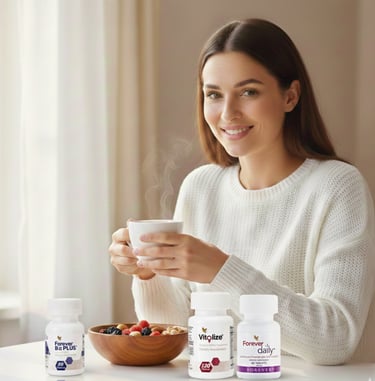
Forever Daily (Multivitamin)
What it provides:
Comprehensive vitamins and minerals
Includes calcium, magnesium, vitamin D, B vitamins
Supports overall nutritional adequacy
How it might help: Provides baseline nutritional support, filling potential gaps in diet. Contains several nutrients studied for PMS (calcium, magnesium, B6, vitamin D) in amounts supporting general health.
Realistic perspective:
A quality multivitamin supports overall nutrition but isn't specifically formulated for PMS. It provides nutrients relevant to menstrual health as part of comprehensive nutritional support. Don't expect it to eliminate symptoms, but adequate nutrition supports overall wellness.
Forever Arctic Sea (Omega-3s)
What it provides:
EPA and DHA from fish and calamari oil
Anti-inflammatory omega-3 fatty acids
Enhanced with olive oil
Potential benefits:
May reduce menstrual cramping (some research support)
Anti-inflammatory effects
Supports overall health and mood regulation
General cardiovascular and brain health benefits
Realistic expectations:
Omega-3s have modest research support for reducing menstrual pain. Effects on other PMS symptoms are less clear. Worthwhile for overall health regardless of menstrual benefits.
Forever Calcium
What it provides:
Calcium from oyster shell
Vitamin D to enhance absorption
Magnesium for balance
Evidence basis:
Calcium has the strongest research support for PMS symptoms among nutrients. This product provides calcium in amounts supported by research (1200mg daily when taking recommended dose).
How to use:
Take with meals for better absorption
Divide doses throughout the day
Consistent daily use required (benefits aren't immediate)
Reality: May help reduce PMS symptoms for some women, based on available research. Individual responses vary.
Forever Aloe Vera Gel
What it is:
Beverage made from aloe vera inner leaf gel
Contains various compounds including polysaccharides, vitamins, minerals
Menstrual health connection:
Research specifically on aloe vera for PMS or menstrual symptoms is very limited. Some people incorporate it into general wellness routines. Any benefits would be indirect through overall health support rather than specific menstrual effects.
Realistic perspective:
Not specifically indicated for menstrual health based on research. Some women include it in wellness routines for general reasons. See our detailed aloe article for comprehensive information.
Forever B12 Plus
What it provides:
Vitamin B12, B6, and folic acid
Supports nervous system and energy metabolism
Potential relevance:
Contains B6, which has some (limited) research for PMS mood symptoms. Supports overall energy and nervous system function.
Reality:
Beneficial if you're deficient in B vitamins (common in vegetarians/vegans for B12). May provide modest support for energy and mood as part of overall nutrition. Not a specific PMS treatment.
Lifestyle Factors and Menstrual Health
Nutrition works synergistically with other lifestyle factors. Comprehensive approaches addressing multiple factors work better than focusing on diet alone.
Exercise and Physical Activity
Research support:
Multiple studies suggest that regular exercise may reduce PMS symptoms, particularly mood symptoms and physical discomfort.
Proposed mechanisms:
Releases endorphins (natural mood elevators)
Reduces stress
May help regulate hormones
Improves sleep quality
Reduces inflammation
Recommendations:
Aim for 150 minutes moderate activity weekly
Mix cardiovascular exercise and strength training
Gentle exercise (yoga, walking) may help during menstruation
Consistency matters more than intensity
Reality: Well-supported by research. Exercise benefits extend beyond menstrual symptoms to overall health.
Stress Management
The connection:
Stress affects hormone balance and may worsen PMS symptoms. High stress is associated with more severe symptoms.
Stress reduction strategies:
Mindfulness meditation
Deep breathing exercises
Yoga
Adequate sleep (7-9 hours)
Time management to reduce overwhelm
Social support and connection
Hobbies and activities you enjoy
Evidence: While direct research on stress reduction interventions for PMS is limited, stress management benefits overall health and wellbeing.
Sleep Quality
Why it matters:
Poor sleep worsens mood, energy, pain perception, and stress resilience—all relevant to PMS.
Sleep hygiene practices:
Consistent sleep schedule (even on weekends)
Dark, cool, quiet bedroom
Limit screens before bed
Avoid caffeine late in day
Regular exercise (but not close to bedtime)
Relaxation routine before sleep
PMS and sleep:
Some women experience sleep disruption premenstrually. Good sleep habits may help minimize this.
Tracking Your Cycle
Benefits of tracking:
Understanding your cycle helps you:
Predict when symptoms typically occur
Identify patterns
Distinguish PMS from other issues
Prepare for symptomatic days
Evaluate whether interventions help
What to track:
Period start and end dates
Symptom type and severity
Mood changes
Energy levels
Sleep quality
Diet and exercise
Stress levels
Tools:
Period tracking apps
Paper calendar or journal
Whatever method you'll actually use consistently
When Nutrition and Lifestyle Aren't Enough
For some women, symptoms are severe enough to require medical intervention beyond nutrition and lifestyle changes.
Premenstrual Dysphoric Disorder (PMDD)
What it is:
A severe form of PMS characterized by significant mood symptoms (severe depression, anxiety, irritability, mood swings) that seriously impair functioning.
Key differences from PMS:
More severe mood symptoms
Significant functional impairment
Meets specific diagnostic criteria
Requires professional treatment
Treatment:
Often includes antidepressants (particularly SSRIs)
Hormonal treatments in some cases
Therapy
Lifestyle modifications as adjuncts
Important: PMDD is a medical condition requiring professional treatment. Nutrition supports overall health but doesn't replace appropriate medical care.
Other Conditions Causing Menstrual Symptoms
Endometriosis:
Tissue similar to uterine lining grows outside the uterus
Causes severe pain, heavy bleeding
Requires medical diagnosis and treatment
Uterine fibroids:
Benign growths in uterus
Can cause heavy bleeding, pain, pressure
May require medical or surgical treatment
PCOS:
Hormonal disorder affecting ovulation
Causes irregular periods, other symptoms
Requires medical management
Thyroid disorders:
Can affect menstrual cycles and symptoms
Require medical diagnosis and treatment
When to seek evaluation:
Severe pain not controlled by over-the-counter medications
Very heavy bleeding (soaking through products hourly)
Mood symptoms that feel unmanageable
Symptoms lasting beyond menstruation
Irregular or absent cycles
Any concerning changes
Practical Implementation
Creating sustainable changes that actually help requires practical, realistic approaches.
Start with Foundations
Before adding supplements:
Evaluate your overall diet quality
Address obvious nutritional gaps
Ensure adequate sleep
Manage stress where possible
Include regular physical activity
Why: Supplements work best supporting a healthy foundation, not compensating for poor basics.
Make Gradual Changes
Avoid overwhelming yourself:
Change one or two things at a time
Give each change 2-3 menstrual cycles to assess impact
Track symptoms to see if changes help
Adjust based on what actually works for you
Example progression:
Month 1: Start tracking symptoms, ensure adequate sleep
Month 2: Add regular exercise if not already doing
Month 3: Evaluate diet, add calcium-rich foods or supplement
Month 4: Assess changes, adjust as needed
Individual Experimentation
What works varies by person:
Try different approaches and honestly assess results:
Does reducing caffeine help your symptoms?
Do you feel better with regular exercise?
Does calcium supplementation reduce your bloating?
Do omega-3s help with cramping?
Track objectively:
Use symptom tracking to compare severity before and after changes. Memory is unreliable—written records help you see what actually helps.
When to Add Supplements
Consider supplements if:
Diet consistently lacks specific nutrients
Tracking shows deficiency symptoms
You can't or don't eat nutrient-rich foods regularly
You've tried dietary sources without adequate improvement
Choose quality:
Reputable brands with quality testing
Appropriate doses (more isn't better)
Forms your body can absorb
Products you'll actually take consistently
Forever Living products:
If you choose these products, use them consistently for at least 2-3 months while tracking symptoms to fairly assess whether they help your individual situation.
Realistic Expectations
Understanding what nutrition and lifestyle changes can and cannot do helps maintain appropriate perspective.
What These Approaches Can Do
Support overall nutritional status
May reduce symptom severity for some women
Improve general health and wellbeing
Provide sense of control over symptoms
Work synergistically with medical treatments
Support long-term health beyond menstrual concerns
What They Cannot Do
Cure PMS or eliminate all symptoms
Replace medical treatment for PMDD or other conditions
Work identically for all women
Provide instant relief
Address underlying medical conditions
Compensate for severe hormonal imbalances
Individual Variation
Responses vary based on:
Severity of baseline symptoms
Underlying nutritional status
Other health conditions
Genetics affecting nutrient metabolism
Lifestyle factors
Placebo effects (real but not lasting)
The takeaway:
Try evidence-based approaches, track honestly, keep what helps, and discard what doesn't work for you personally.
Conclusion
Premenstrual symptoms affect many women to varying degrees. While the hormonal fluctuations of the menstrual cycle are natural, research suggests that nutrition and lifestyle factors may influence symptom severity for some women.
Evidence is strongest for calcium supplementation reducing PMS symptoms. Other nutrients including magnesium, vitamin B6, vitamin D, and omega-3 fatty acids have some research support, though evidence quality and consistency vary. Overall dietary patterns emphasizing nutrient-dense foods, stable blood sugar, and anti-inflammatory choices may help some women.
Forever Living offers nutritional supplements including Forever Daily, Forever Calcium, Forever Arctic Sea, and Forever B12 Plus that provide nutrients relevant to menstrual health as part of overall wellness support. These products complement—but don't replace—a healthy diet and lifestyle.
For best results, combine adequate nutrition with regular exercise, stress management, quality sleep, and symptom tracking. This comprehensive approach addresses multiple factors affecting menstrual health simultaneously.
Remember that severe symptoms require professional evaluation. PMDD, endometriosis, fibroids, and other conditions need appropriate medical treatment. Nutrition supports overall wellness but cannot diagnose, treat, or cure medical conditions.
If you experience menstrual symptoms, start with tracking to understand your patterns. Ensure you're meeting basic nutritional and lifestyle needs. Consider specific interventions based on your symptoms and individual situation. Work with healthcare providers for persistent or severe symptoms. With patience and realistic expectations, you can develop an approach that supports your menstrual health and overall wellbeing.
FAQ
Will taking calcium supplements cure my PMS?
Calcium supplementation may reduce PMS symptoms for some women—research shows about a 48% reduction in symptoms with 1200mg daily. However, this doesn't mean symptoms disappear entirely, and not all women respond. Calcium is the best-studied nutrient for PMS, but it's not a cure. Individual responses vary based on baseline nutritional status, symptom severity, and other factors. Try it consistently for 2-3 menstrual cycles while tracking symptoms to see if it helps you personally. Combine with overall healthy diet and lifestyle for best results.
How long before I notice improvements from dietary changes?
Most nutritional interventions require at least 2-3 menstrual cycles of consistent implementation before you can fairly assess whether they're helping. Some changes (like reducing caffeine if it worsens symptoms) might show benefits sooner. Others (like calcium supplementation) require consistent intake over multiple cycles. Track your symptoms throughout to objectively compare severity before and after changes. Patience is essential—quick fixes don't exist for hormone-related symptoms. Give adequate time while maintaining realistic expectations.
Can supplements replace medical treatment for severe PMS or PMDD?
No. Supplements support overall nutritional status but cannot replace medical treatment for severe premenstrual symptoms or PMDD. PMDD is a medical condition often requiring antidepressants (particularly SSRIs), hormonal treatments, therapy, or combinations of these approaches. Similarly, severe PMS may benefit from medical interventions including hormonal contraceptives or other medications. Use supplements as complements to appropriate medical care, not substitutes. If symptoms significantly impair your functioning or quality of life, see your doctor or gynecologist for proper evaluation and treatment.
What's the best diet for reducing PMS symptoms?
There's no single "best" diet proven to eliminate PMS for everyone. Research suggests that generally healthy eating patterns may help: adequate calcium and magnesium, anti-inflammatory foods (vegetables, fruits, whole grains, fatty fish), stable blood sugar (regular meals with protein, complex carbs, healthy fats), and limiting very high sodium processed foods. Some women find reducing caffeine or alcohol helps. The most effective approach is one that's nutritious, sustainable for you, and addresses any specific deficiencies. Track symptoms while making dietary changes to see what actually helps your individual situation.
Do I need to take supplements if I eat a healthy diet?
It depends on your individual diet quality, nutrient needs, and whether you're experiencing symptoms. Some women get adequate calcium, magnesium, and other nutrients from food alone and don't need supplements. Others have difficulty meeting needs through diet (lactose intolerance affecting calcium intake, not eating fish affecting omega-3s, etc.). If you're experiencing PMS symptoms despite a generally healthy diet, targeted supplementation of nutrients with research support (calcium, magnesium, omega-3s) might help. Start by honestly assessing your actual (not ideal) dietary intake, then supplement strategically to fill genuine gaps.
Can exercise really help with PMS symptoms?
Yes, exercise has good research support for reducing PMS symptoms, particularly mood symptoms, fatigue, and some physical discomfort. Regular physical activity (aim for 150 minutes moderate activity weekly) releases endorphins, reduces stress, may help regulate hormones, improves sleep, and reduces inflammation. Studies consistently show associations between regular exercise and reduced PMS severity. The activity doesn't have to be intense—walking, yoga, swimming, and other moderate activities all help. Consistency matters more than intensity. Exercise benefits overall health beyond menstrual symptoms, making it a worthwhile investment regardless.
Why do I crave sugar and junk food before my period?
Premenstrual food cravings, particularly for sweet or salty foods, are common and likely relate to hormonal fluctuations affecting neurotransmitters and blood sugar regulation. While the exact mechanisms aren't fully understood, progesterone and estrogen changes may influence serotonin and other neurotransmitters affecting appetite and cravings. Some strategies that may help: ensure adequate protein and complex carbs throughout the day, don't skip meals, address any nutrient deficiencies, allow reasonable portions of craved foods rather than strict restriction (which often backfires), and distinguish between genuine hunger and emotional eating.
Is it normal for symptoms to change over time?
Yes, PMS symptoms often change throughout your reproductive life. They may worsen or improve at different life stages, vary with stress levels or life circumstances, change with weight fluctuations, or shift with different contraceptive methods. Some women notice worsening symptoms in their 30s or approaching perimenopause. Tracking helps you notice patterns and changes over time. If symptoms suddenly worsen significantly or change dramatically, discuss with your doctor to rule out new conditions. Changes don't always indicate problems, but significant shifts warrant evaluation.
Can birth control help with PMS symptoms?
Yes, hormonal contraceptives can help some women with PMS symptoms by regulating hormonal fluctuations. Some women find significant symptom relief on certain birth control methods. However, responses vary—some women's symptoms improve, others notice no change, and some experience side effects that are bothersome. Continuous or extended-cycle contraceptives (reducing or eliminating periods) may help some women. This is a discussion to have with your healthcare provider, who can recommend options based on your specific symptoms and medical history. Birth control can be part of comprehensive PMS management.
Should I avoid certain foods during my period?
There's limited research definitively proving you must avoid specific foods during menstruation. However, some women report that certain choices worsen their symptoms: very high sodium foods may increase bloating, excessive caffeine might worsen anxiety or breast tenderness, alcohol can worsen mood and sleep, high-sugar foods may cause energy crashes. Pay attention to your individual responses. You don't need to follow rigid food rules, but noticing what makes you feel worse and adjusting accordingly makes sense. Focus on nourishing, balanced meals rather than strict avoidance unless you clearly notice specific foods worsen your symptoms.
Sources and References
For evidence-based information about PMS, menstrual health, and nutrition, consult these authoritative sources:
American College of Obstetricians and Gynecologists (ACOG): https://www.acog.org - Professional guidance on women's health
Office on Women's Health - U.S. Department of Health and Human Services: https://www.womenshealth.gov - Evidence-based women's health information
National Institute of Child Health and Human Development: https://www.nichd.nih.gov - Research on reproductive health
The North American Menopause Society: https://www.menopause.org - Women's health across lifespan
Cochrane Reviews - Women's Health: Systematic reviews of interventions
Journal of Women's Health: Peer-reviewed research
American Journal of Obstetrics and Gynecology: Research on reproductive health
NIH Office of Dietary Supplements: https://ods.od.nih.gov - Nutrient information
Note: PMS research is ongoing, with varying evidence quality for different interventions. Individual responses to dietary and lifestyle changes vary significantly. Consult healthcare providers for personalized guidance, especially for severe symptoms.
About the Author
Naddy is a wellness enthusiast and content creator behind Wellness With Forever. She focuses on simple, practical tips to support a healthy lifestyle through nutrition, movement, and mindful habits. Drawing on personal experience and ongoing research into health and wellness, she aims to break down complex topics into clear, easy-to-follow guidance.
Disclaimer
The information in this article is for educational purposes only and does not replace professional medical advice. These statements have not been evaluated by the Food and Drug Administration. Forever Living products are not intended to diagnose, treat, cure, or prevent any disease. Always consult your doctor or qualified health professional before starting any new supplements, making changes to your diet, or altering your wellness routine, especially if you are pregnant, nursing, have medical conditions, or take medications. For menstrual health concerns, consult a gynecologist or healthcare provider for proper evaluation and treatment.
About Us
Follow
© 2025. WellnessWithForever
SUBSCRIBE