Protecting Your Vision: Essential Nutrition and Natural Support for Healthy Eyes and Optimal Eyesight
Protect your vision naturally! Learn how Forever Vision + Forever Arctic Sea provide research-proven nutrients to prevent AMD, cataracts & eye disease
by WellnessWithForever
1/18/202622 min read
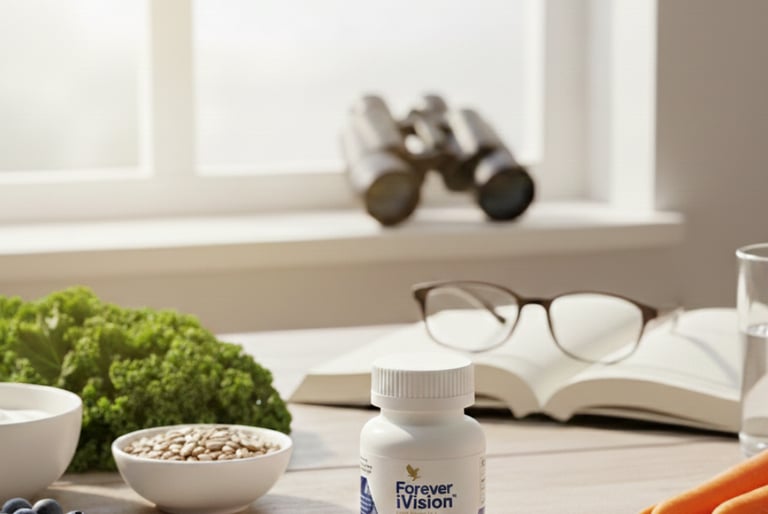
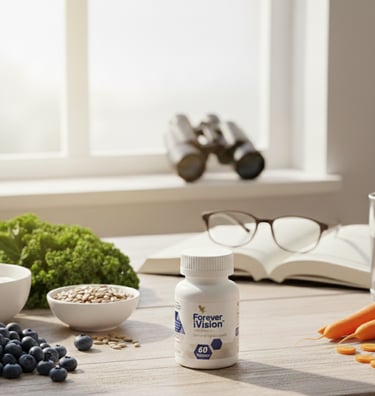
Protecting Your Vision: Essential Nutrition and Natural Support for Healthy Eyes and Optimal Eyesight
By WellnessWithForever 18 January 2026: This post might contain affiliate links.
Over 12 million Americans aged 40+ experience vision impairment, with prevalence projected to double by 2050—yet many cases are preventable through proper nutrition, protective measures, and proactive eye care. Age-related macular degeneration (AMD), cataracts, diabetic retinopathy, and glaucoma cause significant vision loss affecting quality of life, independence, and safety. While genetics and aging play roles, targeted nutrition, supplementation including Forever Vision, UV protection, and lifestyle modifications can help preserve vision for decades.
This guide examines eye health from an evidence-based perspective, explaining what your eyes need, common conditions, and how Forever Vision and other Forever Living products provide complementary support.
Important Medical Disclaimer: Eye health requires professional medical care. Many serious eye conditions (glaucoma, diabetic retinopathy, early AMD, retinal detachment) have NO symptoms until significant, often irreversible damage occurs. Regular comprehensive dilated eye exams are ESSENTIAL for early detection. Forever Vision and other supplements provide nutritional support but do NOT replace medical eye care, treat eye diseases, or reverse existing damage. Sudden vision changes, eye pain, flashes of light, new floaters, or vision loss require IMMEDIATE medical attention. NEVER delay medical care for eye problems. Supplements are complementary to (not replacements for) professional eye care and prescribed treatments. This information is educational and does not replace professional medical advice.
Key Takeaways
Vision impairment affects millions; many cases preventable with proper care
Eyes require specific nutrients: lutein, zeaxanthin, vitamins A/C/E, zinc, omega-3s
AMD, cataracts, diabetic retinopathy are leading causes of vision loss
Forever Vision provides research-based eye nutrients (AREDS2 formulation)
Forever Arctic Sea omega-3s reduce inflammation, support retinal health, help dry eyes
UV protection, blood sugar control, not smoking critical for prevention
Regular dilated eye exams essential (many conditions asymptomatic until advanced)
Diet rich in leafy greens, colorful produce, fatty fish supports eye health
Understanding Your Eyes and What They Need
Evidence quality: VERY STRONG for all basic eye anatomy and nutritional requirements
How Vision Works (Simplified)
The process:
Light enters through cornea (clear front surface providing most focusing power)
Passes through pupil (opening controlled by iris)
Lens fine-tunes focus (changes shape for near/far vision)
Light reaches retina (light-sensitive tissue lining back of eye)
Photoreceptor cells (rods and cones) convert light to electrical signals
Signals travel via optic nerve to brain for processing
Key structures:
Retina:
Contains millions of photoreceptor cells
Highest metabolic rate of any body tissue
Extremely vulnerable to oxidative stress
Macula:
Central retina area responsible for sharp, detailed central vision
Contains highest concentration of photoreceptors
Critical for reading, driving, recognizing faces
AMD destroys this area
Lens:
Must remain crystal clear for sharp vision
Cataracts cloud the lens
What Eyes Need to Stay Healthy
Antioxidant protection:
Eyes constantly exposed to light generating massive free radicals
UV and blue light particularly damaging
Cumulative oxidative damage causes AMD, cataracts
Antioxidants essential for neutralizing free radicals
Specific carotenoids (lutein, zeaxanthin):
Selectively accumulate in macula
Filter harmful blue light
Provide antioxidant protection
Body CANNOT produce these—must obtain from diet/supplements
Essential vitamins (A, C, E):
Vitamin A: Night vision, eye surface health
Vitamin C: Powerful antioxidant, lens/retina protection
Vitamin E: Membrane protection, works synergistically with other antioxidants
Minerals (zinc, copper):
Zinc: Concentrated in retina, essential for vitamin A metabolism
Copper: Works with zinc (prevents deficiency from zinc supplementation)
Omega-3 fatty acids (EPA, DHA):
DHA: Structural component of retinal cell membranes
Anti-inflammatory effects
Support tear production (dry eye relief)
Maintain healthy retinal blood vessels
Adequate blood flow:
Eyes require excellent circulation
Diabetes, high blood pressure, smoking impair circulation
Significantly increases eye disease risk
Protection from UV/blue light:
Cumulative exposure damages retinal cells
Accelerates aging-related conditions
Sunglasses essential, not optional
Stable blood sugar:
Elevated glucose damages retinal blood vessels
Diabetic retinopathy = leading cause of blindness in working-age adults
Blood sugar control CRITICAL
Common Eye Conditions
Evidence quality: VERY STRONG for all conditions, risk factors, and prevention strategies
Age-Related Macular Degeneration (AMD)
What it is: Progressive degeneration of macula, destroying sharp central vision needed for reading, driving, recognizing faces.
Leading cause of severe vision loss in Americans over 50.
Two types:
Dry AMD (90% of cases):
Gradual macular tissue breakdown
Drusen (yellow deposits) accumulation
Progresses slowly over years
Wet AMD (10% of cases):
Abnormal blood vessels grow under retina
Leak fluid and blood
Causes rapid, severe central vision loss
Can develop from dry AMD
Risk factors (Evidence: VERY STRONG):
Age (risk increases dramatically after 60)
Family history/genetics
Smoking (DOUBLES risk!)
Race (more common in Caucasians)
Obesity
High blood pressure
Poor diet low in antioxidants
Excessive UV exposure
Symptoms:
Blurred/fuzzy central vision
Straight lines appearing wavy (hallmark symptom)
Dark/blank spots in central vision
Difficulty recognizing faces
Need brighter light for reading
Prevention and management:
Nutrition (Evidence: VERY STRONG):
AREDS2 study: Specific nutrients (lutein 10mg, zeaxanthin 2mg, vitamins C/E, zinc) reduced AMD progression 10-25%
Diet rich in leafy greens, colorful produce, fatty fish
Forever Vision: Provides AREDS2-based formulation
Forever Arctic Sea: Omega-3s reduce AMD risk
Lifestyle:
DON'T SMOKE (single most modifiable risk factor!)
UV protection (quality sunglasses always)
Control blood pressure, weight
Regular exercise
Medical monitoring:
Regular comprehensive dilated eye exams
Early detection allows intervention
AREDS2 supplementation: For intermediate/advanced AMD, reduces progression 25%
Medical treatments available for wet AMD (anti-VEGF injections, laser)
Cataracts
What it is: Clouding of normally clear lens, causing blurry, hazy, dim vision—like looking through foggy window.
Nearly universal with extreme aging, but timing/severity vary.
Risk factors (Evidence: VERY STRONG):
Age (most common cause)
Diabetes (significantly accelerates formation)
Excessive UV exposure
Smoking
Obesity, high blood pressure
Eye injury, inflammation
Prolonged corticosteroid use
Symptoms:
Cloudy, blurry, dim vision
Difficulty with night vision
Sensitivity to light/glare (especially headlights)
Seeing "halos" around lights
Fading/yellowing of colors
Frequent prescription changes
Prevention and management:
Nutrition (Evidence: MODERATE to STRONG):
Antioxidants (vitamins C, E, carotenoids) may slow development
Forever Vision: Comprehensive antioxidant support
Protection:
UV protection: Consistent sunglasses use significantly reduces risk
Don't smoke
Control diabetes (tight blood sugar control delays formation)
Treatment:
Monitor progression with eye exams
Surgery when necessary: Cataract surgery (lens replacement) safe, highly effective
Diabetic Retinopathy
What it is: Diabetes-related damage to retinal blood vessels causing bleeding, fluid leakage, abnormal vessel growth, potentially severe vision loss or blindness.
Leading cause of blindness in working-age adults.
Risk factors (Evidence: VERY STRONG):
Duration of diabetes (longer = higher risk)
Poor blood sugar control (MAJOR factor)
High blood pressure
High cholesterol
Pregnancy
Smoking
Stages:
Mild nonproliferative: Microaneurysms
Moderate nonproliferative: Blood vessels blocked
Severe nonproliferative: Many vessels blocked
Proliferative: Abnormal new vessels (fragile, leak, cause bleeding/scarring)
Diabetic macular edema: Fluid leakage causing macular swelling, blurred central vision. Can occur at any stage.
Symptoms:
Often NO symptoms in early stages (why exams critical!)
As progresses: Blurred vision, floaters, dark spots, vision loss
Prevention and management (Evidence: VERY STRONG):
Blood sugar control (MOST IMPORTANT):
Maintain HbA1c below 7% (ideally closer to normal)
Intensive control reduces retinopathy risk up to 76%!
Daily monitoring, medication compliance
Blood pressure control:
Equally important as blood sugar
Keep below 130/80
Cholesterol management, don't smoke
Regular dilated eye exams:
Annual exams ESSENTIAL once diagnosed with diabetes
NEVER skip exams even if vision seems fine
Early detection prevents blindness
Nutritional support:
Forever Arctic Sea: Anti-inflammatory omega-3s support vascular health
Forever Aloe Vera Gel: May support healthy blood sugar metabolism
Forever Vision: Antioxidant protection
Medical treatments:
Laser therapy
Anti-VEGF injections
Surgery for advanced cases
Early detection and treatment prevent blindness
Glaucoma
What it is: Group of diseases causing progressive optic nerve damage (typically from elevated eye pressure), resulting in irreversible vision loss starting with peripheral vision.
"Silent thief of sight"—often NO symptoms until significant damage.
Types:
Primary open-angle (most common)
Angle-closure (sudden pressure increase—MEDICAL EMERGENCY!)
Normal-tension (damage despite normal pressure)
Risk factors (Evidence: STRONG to VERY STRONG):
Age (over 60)
Family history
Race (more common in African Americans, Hispanics, Asians)
High intraocular pressure
Diabetes, high blood pressure
Eye injury
Prolonged corticosteroid use
Symptoms:
Primary open-angle: Usually NONE until advanced
Gradual peripheral vision loss ("tunnel vision")
Acute angle-closure: Severe eye pain, headache, nausea, blurred vision, halos (MEDICAL EMERGENCY!)
Prevention and management:
Regular comprehensive eye exams (ONLY way to detect early):
Pressure measurement
Optic nerve examination
Visual field testing
Lifestyle:
Regular exercise (may lower eye pressure)
Control diabetes, blood pressure
Eye protection (prevent injuries)
Nutritional support:
Forever Arctic Sea: Anti-inflammatory support for optic nerve health
Medical treatment:
Prescription eye drops (lower pressure)
Laser procedures
Surgery if needed
Daily medication compliance CRITICAL
Dry Eye Syndrome
What it is: Chronic condition where eyes don't produce enough tears or tears evaporate too quickly, causing discomfort and vision fluctuations.
Causes (Evidence: STRONG):
Aging (decreased tear production)
Female sex (hormonal factors)
Medications (antihistamines, blood pressure meds, antidepressants, many others)
Medical conditions (Sjögren's syndrome, rheumatoid arthritis, diabetes)
Environmental factors (wind, dry air, smoke, screens)
Screen time (reduced blink rate)
Contact lens wear
Meibomian gland dysfunction (blocked oil glands)
Symptoms:
Dryness, grittiness, burning, stinging
Redness, light sensitivity
Blurred vision (worse with prolonged reading/screens)
Eye fatigue
Paradoxically—excessive tearing (reflex from irritation)
Prevention and management:
Omega-3 supplementation (Evidence: STRONG):
Forever Arctic Sea: MOST EFFECTIVE nutritional intervention
Studies show significant dry eye improvement
Dose: 4 softgels daily (≈1,000mg EPA/DHA)
Effects after 8-12 weeks consistent use
Environmental modifications:
Humidifiers
Avoid direct air flow
Screen breaks (20-20-20 rule)
Hydration:
Drink adequate water
Warm compresses:
Unblock oil glands
Improve tear film
Artificial tears:
Preservative-free lubricating drops
Medical treatments:
Prescription anti-inflammatory drops
Punctal plugs (block tear drainage)
In-office procedures
Essential Nutrients for Eye Health
Evidence quality: VERY STRONG for lutein, zeaxanthin, vitamins A/C/E, zinc; STRONG for omega-3s
Lutein and Zeaxanthin: Macular Protection
What they are: Yellow-orange carotenoids that selectively accumulate in macula (macular pigment).
How they protect (Evidence: VERY STRONG):
Blue light filtration: Absorb harmful high-energy blue light before reaching photoreceptors
Antioxidant protection: Neutralize free radicals from light exposure
Anti-inflammatory effects: Reduce chronic inflammation
Support visual function: Higher macular pigment = better visual performance
Research evidence:
AREDS2 study (Evidence: VERY STRONG):
Landmark research
Lutein 10mg + zeaxanthin 2mg supplementation
Reduced AMD progression 10-25% in people with intermediate/advanced AMD
Observational studies:
Higher dietary intake associated with significantly reduced AMD and cataract risk
Higher blood levels = lower risk
Visual performance:
Supplementation improves contrast sensitivity, glare recovery, visual processing speed
Best food sources:
Kale (highest—1 cup cooked ≈23mg!)
Spinach
Collard greens
Turnip greens
Swiss chard
Corn
Egg yolks (highly bioavailable)
Orange peppers
Recommended intake:
10mg lutein + 2mg zeaxanthin daily for eye protection
Typical American intake: 1-2mg daily (INADEQUATE!)
Supplementation:
Forever Vision provides optimal 10mg lutein + 2mg zeaxanthin
Fat-soluble—take with dietary fat
Build up gradually in macula (2-3 months to peak)
No toxicity concerns
Vitamins A, C, E: Essential Antioxidants
Vitamin A (Evidence: VERY STRONG):
Essential for rhodopsin production (night vision)
Maintains healthy eye surface
Supports tear production
Deficiency causes night blindness, dry eyes, corneal damage
Vitamin C (Evidence: STRONG to VERY STRONG):
Highly concentrated in aqueous humor and lens
Powerful antioxidant protecting lens and retina
Collagen synthesis (maintains cornea and blood vessels)
Higher intake associated with reduced cataract risk
Component of AREDS2 formula
Vitamin E (Evidence: MODERATE to STRONG):
Fat-soluble antioxidant protecting cell membranes
Works synergistically with other antioxidants
Component of AREDS formula
May reduce AMD and cataract risk
Forever Vision and Forever Daily provide all three.
Zinc and Copper: Essential Minerals
Zinc (Evidence: VERY STRONG):
Highly concentrated in retina and choroid
Required for vitamin A metabolism
Component of superoxide dismutase (antioxidant enzyme)
AREDS formula component—reduces AMD progression
Copper:
Must accompany zinc supplementation
Prevents copper deficiency from high-dose zinc
Forever Vision provides 20mg zinc + 1mg copper (optimal ratio)
Omega-3 Fatty Acids: Anti-Inflammatory Support
Evidence quality: STRONG for general eye health; VERY STRONG for dry eye
How they support eyes:
Retinal structure:
DHA is predominant fatty acid in photoreceptor membranes
Essential for proper function
Anti-inflammatory:
Reduce inflammatory cytokines
Decrease chronic inflammation contributing to AMD, diabetic retinopathy
Retinal blood vessels:
Maintain healthy, flexible vessel walls
Support vascular health
Dry eye relief (Evidence: VERY STRONG):
Studies show significant improvement in dry eye symptoms
Improve tear quality, reduce evaporation
Dose: 1,000-2,000mg EPA/DHA daily
Effects after 8-12 weeks
AMD prevention (Evidence: MODERATE to STRONG):
Higher omega-3 intake associated with 30-40% reduced AMD risk
May slow progression
Best sources:
Fatty fish: Salmon, mackerel, sardines, herring
Fish oil supplements
Forever Arctic Sea: High-quality EPA/DHA from fish and calamari oil
Recommended intake:
1,000-2,000mg EPA+DHA daily for eye health
Forever Arctic Sea: 2-4 softgels daily
Forever Vision: Research-Based Eye Formula
Evidence quality: VERY STRONG for AREDS2-based formulation effectiveness
What's in Forever Vision
Lutein (10mg):
Clinically studied AREDS2 dose
Macular protection, blue light filtering
Zeaxanthin (2mg):
Optimal ratio with lutein
Macular accumulation for targeted protection
Vitamin A (5,000 IU):
Night vision, eye surface health
Vitamin C (250mg):
Antioxidant protecting lens and retina
Vitamin E (100 IU):
Fat-soluble antioxidant, membrane protection
Zinc (20mg) + Copper (1mg):
Essential for antioxidant enzymes, vitamin A metabolism
Copper prevents deficiency from zinc
Bilberry extract:
European blueberry traditionally used for eye health
Provides anthocyanins (antioxidants)
May improve night vision
Beta-carotene:
Vitamin A precursor
Additional antioxidant protection
Why Forever Vision Works
Research-based formulation:
Contains nutrients and doses from AREDS/AREDS2 studies
AREDS2 showed 10-25% reduction in AMD progression
Optimal bioavailable forms:
Highly absorbable, effective forms
Synergistic combination:
Nutrients work together
Enhanced effectiveness beyond individual nutrients
Comprehensive protection:
Addresses multiple eye health aspects
Antioxidant protection, macular support, lens clarity, retinal function
How to Use Forever Vision
Dosage: 2 softgels daily with meals
Timing: With breakfast or lunch (with dietary fat for fat-soluble vitamins)
Consistency: Daily use essential—nutrients build up gradually over weeks to months
For prevention: Start in 40s or earlier if risk factors
For existing conditions: Use alongside medical treatment (NOT as replacement)
Long-term: Safe for lifelong use
Who Benefits Most
Essential for:
Age 40+ (proactive protection)
Family history of AMD or eye disease
Existing eye conditions (early AMD, cataracts)
High sun exposure
Screen-heavy lifestyles
Smokers and former smokers (dramatically increased risk)
People with diabetes
Light-colored eyes (less protective melanin)
Realistic expectations:
Cannot reverse existing damage
Cannot cure eye diseases
Can slow progression of existing conditions
Can reduce risk of developing new conditions
Long-term preventive benefits
Forever Arctic Sea: Omega-3 Eye Support
Evidence quality: STRONG for omega-3 eye benefits; VERY STRONG for dry eye
Why Omega-3s Critical for Eyes
DHA in retinal structure:
60% of photoreceptor fatty acids are DHA
Literally a structural component
Essential for optimal retinal function
Anti-inflammatory protection:
Reduce harmful inflammation
Support AMD, diabetic retinopathy, glaucoma prevention
Vascular health:
Keep retinal blood vessels healthy, flexible
Critical for oxygen and nutrient delivery
Dry eye relief (Evidence: VERY STRONG):
Multiple studies show significant improvement
Dose: 1,000+ mg EPA/DHA daily
Effects after 6-12 weeks consistent use
Often more effective than artificial tears alone
Neuroprotection:
Protect retinal ganglion cells (optic nerve)
May help prevent glaucomatous damage
Research on Omega-3s for Eyes
AMD prevention (Evidence: MODERATE to STRONG):
Higher intake = 30-40% reduced risk
Slower progression in those with AMD
Dry eye treatment (Evidence: VERY STRONG):
Clinical trials demonstrate significant symptom reduction
Improved tear film stability
Decreased tear evaporation
Diabetic retinopathy (Evidence: MODERATE):
May reduce risk and progression
Vascular health, inflammation reduction
How to Use Forever Arctic Sea for Eyes
Dosage: 2-4 softgels daily (≈500-1,000mg EPA/DHA)
For dry eyes: Higher dose (4 softgels) for 8-12 weeks minimum
Timing: With meals (enhances absorption, reduces fishy aftertaste)
Combine with Forever Vision: Provides comprehensive support
Long-term: Safe for lifelong use
Quality: Forever Arctic Sea purified, free from mercury/PCBs
Lifestyle Strategies for Vision Protection
UV and Blue Light Protection
Evidence quality: VERY STRONG for UV damage; MODERATE for blue light from screens
UV radiation damage:
Cumulative UV exposure significantly increases cataracts, AMD, pterygium risk
Damage irreversible, accumulates over lifetime
UV protection strategies:
Sunglasses (ESSENTIAL):
Wear outdoors EVERY DAY, year-round (even cloudy—80% UV penetrates!)
Choose "UV400" or "100% UV protection" labeled
Larger, wraparound styles better (block peripheral UV)
Polarized reduces glare but doesn't necessarily = more UV protection
Children need protection too
Wide-brimmed hats: Add 50% more protection with sunglasses
Avoid peak sun: UV strongest 10am-4pm
Blue light protection:
Screen habits:
20-20-20 rule: Every 20 min, look 20 feet away for 20 seconds
Reduce screen brightness
Position screens slightly below eye level, 20-26 inches away
Enable "night mode" or blue light reduction (especially evening)
Blue light blocking glasses:
May reduce eye strain
Most beneficial for evening use (blue light suppresses melatonin)
Evidence for AMD prevention limited
Comprehensive Eye Exams: Critical for Early Detection
Evidence quality: VERY STRONG
Why exams matter: Many serious conditions (glaucoma, early AMD, diabetic retinopathy, retinal detachment) have NO symptoms until significant, often irreversible damage.
Only comprehensive exams detect early when most treatable.
Exam frequency:
Ages 20-39: Every 5-10 years (if no risk factors)
Ages 40-54: Every 2-4 years
Ages 55-64: Every 1-3 years
Ages 65+: Every 1-2 years
Higher risk (more frequent):
Family history
Diabetes: At least ANNUALLY
High blood pressure
Previous eye injury/surgery
High myopia
What exams include:
Visual acuity, refraction
Eye movement, alignment
Peripheral vision
Intraocular pressure (glaucoma screening)
Dilated exam (ESSENTIAL): Examines retina, macula, optic nerve, blood vessels
Additional testing as needed
Don't skip dilation: Essential for thorough examination despite temporary blur/light sensitivity (4-6 hours)
Blood Sugar Control (Critical for Diabetics)
Evidence quality: VERY STRONG
Why it matters: Diabetes = leading cause of blindness in working-age adults
High blood sugar damages retinal blood vessels → diabetic retinopathy
Prevention and control:
Maintain HbA1c below 7% (ideally closer to normal)
Monitor blood sugar regularly
Take medications as prescribed
Balanced, low-glycemic diet
Regular exercise
Maintain healthy weight
Control blood pressure and cholesterol
Annual dilated eye exams ESSENTIAL once diagnosed:
Diabetic retinopathy often NO symptoms until advanced
Early detection allows treatment (laser, injections)
NEVER skip exams even if vision seems fine
Nutritional support:
Forever Arctic Sea: Anti-inflammatory vascular support
Forever Aloe Vera Gel: May support healthy blood sugar metabolism
Forever Vision: Antioxidant protection
Don't Smoke (and Quit if You Do!)
Evidence quality: VERY STRONG
Smoking destroys eye health:
DOUBLES AMD risk (quadruples advanced AMD!)
Doubles cataract risk
Increases diabetic retinopathy progression
Increases glaucoma risk
Damages optic nerve
Reduces blood flow to eyes
Smoking is THE single most modifiable risk factor for eye disease!
Quitting helps: Even former smokers have reduced risk vs. current smokers
Blood Pressure Control
Evidence quality: STRONG to VERY STRONG
High blood pressure damages delicate retinal blood vessels:
Hypertensive retinopathy
Retinal vein/artery occlusions (sudden vision loss)
Increased AMD and glaucoma risk
Control strategies:
Keep below 130/80 (ideally closer to 120/80)
Medications as prescribed
Low-sodium diet rich in potassium
Regular exercise
Stress management
Limit alcohol, maintain healthy weight
Forever Arctic Sea: Supports healthy blood pressure
Exercise and Physical Activity
Evidence quality: MODERATE to STRONG
Eye health benefits:
Lowers intraocular pressure (reduces glaucoma risk)
Improves circulation to eyes
Controls blood sugar, blood pressure, cholesterol, weight
Reduces inflammation
Recommended: 150 minutes moderate exercise weekly (30 min, 5 days)
Eye-safe exercise:
Protective eyewear for racquet sports, activities with projectile risk
Sunglasses for outdoor activities
Stay hydrated
Diet for Eye Health
Leafy Greens: Lutein and Zeaxanthin Powerhouses
Best sources:
Kale
Spinach
Collard greens
Turnip greens
Swiss chard
How to eat more:
Add spinach to smoothies
Sauté greens as side dish
Add to soups, omelets, pasta
Cooking tip: Light cooking increases bioavailability. Eat with healthy fat (olive oil, avocado) for better absorption.
Goal: 1-2 cups dark leafy greens daily
Colorful Fruits and Vegetables
Orange/yellow (beta-carotene, vitamin A):
Carrots, sweet potatoes, squash
Cantaloupe, apricots, mangoes
Orange bell peppers
Red/purple (anthocyanins):
Berries (blueberries, blackberries, strawberries)
Red grapes, red bell peppers
Citrus (vitamin C):
Oranges, grapefruit, lemons
Kiwi, bell peppers, broccoli
Goal: Eat a rainbow—multiple colors daily
Fatty Fish: Omega-3 Rich
Best sources:
Salmon (wild-caught ideal)
Mackerel, sardines, herring
Albacore tuna
How much: 2-3 servings (3-4 oz) weekly
Preparation: Baked, grilled, broiled (not fried)
If you don't eat fish: Forever Arctic Sea provides omega-3s
Eggs: Bioavailable Lutein and Zeaxanthin
Why eggs special: Fat content makes lutein/zeaxanthin highly bioavailable
How many: 1-2 eggs daily for healthy adults
The yolk is key: All lutein, zeaxanthin, vitamins A/D/E in yolk—don't discard!
Nuts and Seeds: Vitamin E
Best sources:
Almonds, sunflower seeds
Hazelnuts, peanuts, walnuts
How much: 1-2 oz (small handful) daily
Benefits: Vitamin E, healthy fats, protein, fiber, minerals
Foods to Limit
High-glycemic refined carbs:
White bread, white rice, sugary snacks
Contribute to blood sugar spikes, inflammation
May increase AMD risk
Trans fats, excessive omega-6:
Fried foods, processed snacks
Promote inflammation
Excessive alcohol:
Heavy drinking increases AMD risk
Moderate: ≤1 drink/day women, ≤2 men
When to See Eye Doctor Immediately
Seek IMMEDIATE care for:
Medical emergencies:
Sudden vision loss (partial or complete)
Sudden many new floaters, flashes, curtain/shadow over vision (retinal tear/detachment)
Severe eye pain especially with nausea (acute angle-closure glaucoma)
Eye trauma or injury
Sudden double vision
Urgent (within 24 hours):
Red, painful eye
Sensitivity to light with pain
Discharge, crusting, significant irritation
Foreign body sensation not resolving
Schedule soon:
Gradual vision changes
Persistent dry eye not improving
Straight lines appearing wavy
Difficulty seeing at night
Frequent prescription changes
Trust instincts: If something feels wrong, get checked
Frequently Asked Questions
Can Forever Vision reverse existing eye damage or cure eye diseases?
NO. Forever Vision CANNOT reverse damage that has already occurred or cure eye diseases like AMD, cataracts, or glaucoma. However, it CAN significantly slow progression of existing conditions and reduce risk of developing new ones. The AREDS2 study showed that people with intermediate or advanced AMD who took specific nutritional supplementation reduced their risk of progression to advanced AMD by 10-25%—potentially preserving functional vision for years longer. The key is starting supplementation as early as possible for maximum protective benefit, ideally BEFORE significant damage occurs. ALWAYS use Forever Vision ALONGSIDE medical treatment as prescribed by your eye doctor, NEVER as a replacement. Regular dilated eye exams remain essential for monitoring and medical management.
How long does it take to see benefits from Forever Vision and Forever Arctic Sea?
Timeline varies depending on what you're addressing. For proactive prevention in healthy eyes, you won't "feel" anything different—benefits are long-term cellular protection occurring at molecular level. Lutein and zeaxanthin take approximately 2-3 months of consistent supplementation to reach peak levels in the macula (measured as macular pigment density). For dry eye relief from omega-3s (Forever Arctic Sea), most studies show significant improvement after 8-12 weeks of consistent use at higher doses (4 softgels daily = approximately 1,000mg EPA/DHA). Some people notice subtle improvements in visual clarity or reduced eye fatigue after several weeks to months, though this is subjective. The MOST important benefits—reduced risk of developing AMD and cataracts, and slowed progression of existing disease—occur gradually over months to years of consistent use. View these supplements as long-term investments in eye health, not quick fixes. Consistency is ABSOLUTELY CRITICAL—taking sporadically won't provide meaningful benefits.
At what age should I start taking Forever Vision?
For most people, starting Forever Vision in your early-to-mid 40s provides optimal proactive protection, as age-related eye changes begin accelerating at this time. However, start EARLIER if you have risk factors like strong family history of AMD, light-colored eyes (blue/green have less protective melanin), high sun exposure (outdoor workers, athletes, sunny climates), diabetes, smoking history, poor diet low in antioxidants, or early signs of eye disease detected on exam. If you're already in your 50s, 60s, or older and haven't started supplementation, it's NOT too late—studies show benefits even when started later, particularly for slowing progression of existing conditions. The key principle: EARLIER is better for prevention, but starting at ANY age provides benefits. If you have diagnosed eye conditions at any age (early AMD, cataracts, diabetic retinopathy), discuss Forever Vision with your eye doctor as part of comprehensive management. High-risk individuals should start earlier and be more aggressive with all preventive measures (nutrition, UV protection, exams, lifestyle).
I already eat a healthy diet with lots of vegetables and fish. Do I still need supplements?
While nutrient-rich diet is foundational and absolutely important, most people STILL fall short of optimal intake even with excellent diets. To obtain the AREDS2-proven 10mg lutein daily from food alone, you'd need approximately 1-2 cups of cooked kale or spinach EVERY SINGLE DAY consistently without fail. Therapeutic omega-3 doses (1,000-2,000mg EPA/DHA) require 2-3+ servings of fatty fish WEEKLY consistently. Vitamin levels shown protective in research (particularly vitamins C and E at AREDS2 doses) typically require supplementation beyond dietary sources alone. Additionally, nutrient absorption DECREASES with age (stomach acid declines, reducing mineral absorption), some medications interfere with absorption (PPIs reduce vitamin B12, calcium, etc.), genetic variations affect how efficiently you utilize nutrients, and daily dietary intake varies (travel, busy schedules, seasonal availability, food preferences). View Forever Vision and Forever Arctic Sea as INSURANCE—ensuring consistent optimal intake regardless of daily dietary variations. The combination of nutrient-rich diet PLUS targeted supplementation provides the BEST protection. If you have existing eye disease or significant risk factors (family history, diabetes, smoking history), supplementation is especially important even with excellent diet.
Can children take Forever Vision and Forever Arctic Sea?
Forever Vision and Forever Arctic Sea are formulated for ADULTS with adult dosing. For children, eye nutrition should primarily come from varied, colorful diet rich in fruits, vegetables, fatty fish, eggs, nuts, and seeds. Establishing healthy eating patterns in childhood provides foundation for lifelong eye health. However, omega-3 supplementation (Forever Arctic Sea at reduced dose) MAY benefit children with inadequate fish intake, particularly for dry eye or inflammatory conditions—discuss appropriate pediatric dosing with your pediatrician (generally LOWER than adult doses). Comprehensive eye vitamins like Forever Vision are typically UNNECESSARY for healthy children eating balanced diets, but MIGHT be considered for children with specific eye conditions, significant nutritional deficiencies, strong family history of early-onset eye disease (especially AMD), or diabetes—ALWAYS under medical guidance. NEVER give adult doses to children. Focus on: establishing healthy eating patterns, ensuring adequate outdoor play (reduces myopia/nearsightedness risk—outdoor time protective!), UV protection (start early—cumulative damage begins in childhood), limiting screen time, and regular comprehensive eye exams (first at 6 months, age 3, before kindergarten, then every 1-2 years or as recommended).
I have diabetes. What specific eye protection should I take beyond Forever Vision?
Diabetic retinopathy is the LEADING cause of blindness in working-age adults, making eye protection ABSOLUTELY CRITICAL for anyone with diabetes. Your MOST IMPORTANT action is maintaining EXCELLENT blood sugar control—keeping HbA1c below 7% (ideally as close to normal range as safely possible) DRAMATICALLY reduces diabetic retinopathy risk and progression. Studies show intensive blood sugar control can reduce retinopathy risk by up to 76%! Beyond blood sugar, control blood pressure rigorously (below 130/80)—high blood pressure ACCELERATES diabetic eye damage. Manage cholesterol and triglycerides. DON'T SMOKE—smoking plus diabetes is DEVASTATING for eyes (dramatically accelerates retinopathy). For nutritional support: Take Forever Vision daily for comprehensive antioxidant and macular protection, add Forever Arctic Sea for anti-inflammatory omega-3s supporting retinal vascular health (especially important for diabetic eye disease), use Forever Aloe Vera Gel to support healthy blood sugar metabolism, eat low-glycemic, nutrient-dense diet rich in colorful vegetables, leafy greens, fatty fish (avoid refined carbs, sugary foods). MOST CRITICAL for diabetes: Get annual comprehensive DILATED eye exams starting IMMEDIATELY upon diabetes diagnosis (Type 2) or within 5 years of diagnosis (Type 1), or MORE FREQUENTLY if any retinopathy detected. Diabetic retinopathy often has NO symptoms until ADVANCED stages causing significant damage—ONLY dilated exams detect early changes when they're most treatable. NEVER skip annual exam even if vision seems fine! If retinopathy detected, follow ophthalmologist's recommendations precisely—laser treatment, anti-VEGF injections, or surgery may be necessary and are HIGHLY EFFECTIVE when done promptly. Pregnancy increases retinopathy risk—pregnant women with diabetes need exams EACH TRIMESTER. Understand that diabetic retinopathy is largely PREVENTABLE and TREATABLE with proper blood sugar control and early detection. Your daily choices about blood sugar management DIRECTLY determine your eye health outcomes.
Will Forever Vision help with my dry eyes or computer eye strain?
Forever Vision provides comprehensive nutritional support but isn't SPECIFICALLY formulated for dry eye relief. For dry eyes, Forever Arctic Sea omega-3 supplementation has MUCH STRONGER EVIDENCE—clinical studies show SIGNIFICANT improvement after 8-12 weeks at higher doses (4 softgels daily ≈ 1,000mg EPA/DHA). Multiple well-designed studies demonstrate omega-3s improve tear quality, reduce tear evaporation, decrease ocular surface inflammation, and alleviate dry eye symptoms—often MORE effectively than artificial tears alone for many people. For computer-related eye strain, the MAIN interventions are BEHAVIORAL, not nutritional: Follow 20-20-20 rule religiously (every 20 minutes, look at something 20 feet away for 20 seconds), ensure proper screen positioning (slightly below eye level, 20-26 inches away), maintain adequate lighting (reduce glare, avoid working in dark room), blink deliberately and completely (we blink 60% LESS when using screens), take regular breaks (stand, move, rest eyes), ensure glasses/contact prescription current and optimized for computer distance. That said, Forever Vision STILL provides value for screen users by delivering lutein and zeaxanthin that filter blue light (screens emit blue light) and provide antioxidant protection against cumulative light-induced oxidative stress. For OPTIMAL support against computer-related issues: Combine Forever Vision with Forever Arctic Sea (especially if you have dry eyes), implement ALL behavioral strategies listed above, use preservative-free artificial tears as needed for comfort (choose ones without preservatives if using more than 4x daily), ensure your glasses/contact prescription is current and specifically optimized for your working distance, consider computer glasses with anti-reflective coating and blue light filtering (ask your eye doctor), and get comprehensive eye exam if eye strain persists despite interventions (could indicate uncorrected refractive error or other issue requiring treatment).
Can lifestyle changes and supplements really prevent vision loss, or is it mostly genetics?
While genetics ABSOLUTELY play a role in eye disease risk—you're at HIGHER risk if parents or siblings have AMD, glaucoma, or other conditions—research CLEARLY demonstrates that lifestyle factors and nutrition SIGNIFICANTLY impact whether you actually develop these conditions and how quickly they progress. Consider these FACTS from major research studies: Smoking DOUBLES or QUADRUPLES AMD risk, and quitting REDUCES risk. The AREDS2 study showed specific nutritional supplementation reduced AMD progression by 10-25% in people with existing disease—this is NOT a small effect! Higher dietary omega-3 intake associated with 30-40% reduced AMD risk in observational studies. Maintaining healthy weight, blood pressure, and blood sugar through diet and exercise REDUCES diabetic retinopathy, glaucoma, and AMD risk (strong evidence). Consistent UV protection throughout life significantly REDUCES cataract risk (well-established). These are NOT trivial effects—they represent MAJOR reductions in risk through MODIFIABLE factors. Think of genetics as loading the gun, but LIFESTYLE pulls the trigger. Yes, someone with strong family history of AMD has HIGHER baseline risk than someone without—but that high-risk person who takes Forever Vision, eats nutrient-rich diet, doesn't smoke, controls blood pressure, and wears UV protection will likely fare FAR BETTER than someone with LOWER genetic risk who smokes, eats poorly, and neglects eye care. Even when eye disease DOES develop due to genetics, AGGRESSIVE nutritional and lifestyle management can SLOW PROGRESSION dramatically, potentially preserving functional vision for many additional years or decades. Don't use genetics as excuse for fatalism—use family history as MOTIVATION for even MORE diligent preventive care. The empowering truth: Your DAILY CHOICES matter ENORMOUSLY for your eye health REGARDLESS of your genetic background. You may not control your genes, but you ABSOLUTELY control your nutrition, UV protection, smoking status, blood sugar, blood pressure, exercise, and whether you get regular eye exams—and THESE factors profoundly influence your outcomes.
My eye doctor prescribed AREDS2 vitamins. Should I also take Forever Vision?
If your eye doctor specifically prescribed AREDS2 vitamins for diagnosed AMD, follow their recommendations. However, you might discuss Forever Vision with your doctor as an ALTERNATIVE, particularly if cost is a concern (prescription AREDS2 formulations often expensive), if you prefer the additional ingredients in Forever Vision (like bilberry extract providing anthocyanins), or if you have difficulty accessing your prescribed supplement. The KEY is ensuring you're getting adequate amounts of the CRITICAL nutrients proven protective—lutein (10mg), zeaxanthin (2mg), vitamin C (250-500mg), vitamin E (268-400 IU), zinc (25-80mg), and copper (1-2mg). Forever Vision provides these in appropriate amounts. IMPORTANT: Don't take BOTH prescription AREDS2 vitamins AND Forever Vision SIMULTANEOUSLY without medical guidance, as this could result in EXCESSIVE nutrient intake, particularly zinc (high doses over 100mg daily long-term can cause copper deficiency and other issues), vitamin E (high doses may increase some health risks), and vitamin A/beta-carotene. If you want to switch from prescription AREDS2 to Forever Vision, DISCUSS with your ophthalmologist FIRST—they need to know what you're taking to provide appropriate care. The MOST important thing is taking a research-based eye supplement CONSISTENTLY every SINGLE day without missing doses—whether it's prescription AREDS2 or Forever Vision matters less than CONSISTENCY and having nutrients at protective levels. Don't let perfect be the enemy of good—taking Forever Vision consistently is FAR better than prescription AREDS2 sitting in your cabinet because you forget or can't afford refills.
Can Forever Vision prevent or delay cataracts?
While research evidence is STRONGEST for AMD prevention and slowing progression, there's SUPPORTIVE evidence for cataract benefits, though not as definitive. Observational studies show that HIGHER intake of antioxidants—particularly vitamins C and E, lutein, and zeaxanthin—is ASSOCIATED with REDUCED cataract risk and SLOWER progression. These nutrients PROTECT the lens from OXIDATIVE DAMAGE that causes cloudiness (cataracts result from cumulative oxidative stress and protein glycation in lens over decades). This protection is particularly important because the lens has NO blood supply and LIMITED repair ability—once damaged, it cannot heal. However, cataract evidence isn't as definitive as AMD evidence from large randomized controlled trials. Still, given these nutrients are SAFE, provide PROVEN AMD benefits, and show PROMISING associations with cataract prevention in observational research, Forever Vision is REASONABLE for overall eye health including potential cataract risk reduction. Other IMPORTANT prevention measures for cataracts (strong evidence): Consistent UV protection (strong evidence that UV accelerates cataracts—wear sunglasses!), don't smoke (doubles cataract risk), control blood sugar if diabetic (diabetes dramatically accelerates cataract formation—tight control delays), limit alcohol (excessive drinking increases risk), maintain healthy weight and blood pressure. If cataracts DO develop despite prevention efforts, don't be discouraged—cataract surgery is EXTREMELY safe and effective with EXCELLENT outcomes (one of most successful surgeries in all of medicine—restores clear vision in vast majority of cases).
Conclusion
Your eyes require proactive care, targeted nutrition, protective measures, and regular monitoring throughout life to preserve precious vision. Age-related macular degeneration, cataracts, diabetic retinopathy, glaucoma, and dry eye affect millions, significantly impacting quality of life, independence, and safety. Yet many cases are preventable or can be delayed through comprehensive strategies combining proper nutrition (diet rich in leafy greens, colorful produce, fatty fish), targeted supplementation (Forever Vision providing AREDS2-based nutrients, Forever Arctic Sea delivering anti-inflammatory omega-3s), protective measures (UV-blocking sunglasses always, blue light management, screen breaks), lifestyle modifications (blood sugar and blood pressure control, not smoking, regular exercise), and regular comprehensive dilated eye exams for early detection when problems are most treatable.
The foundation of eye health is nutritional support providing specific nutrients your eyes need but cannot produce. Lutein and zeaxanthin accumulate in macula, filtering harmful blue light and providing antioxidant protection. Vitamins A, C, E protect structures from oxidative damage. Zinc enables critical processes. Omega-3s provide anti-inflammatory benefits, maintain retinal structure, support vascular health, and alleviate dry eyes. While diet provides these naturally, most fall short of optimal intake—Forever Vision and Forever Arctic Sea provide insurance for long-term protection.
Forever Living products offer research-based eye support. Forever Vision delivers optimal lutein, zeaxanthin, vitamins A/C/E, zinc, copper, bilberry extract—nutrients shown in AREDS2 research to reduce AMD progression. Forever Arctic Sea provides high-quality EPA/DHA reducing inflammation, supporting retinal function, improving dry eyes. Forever Daily ensures complete nutrition supporting circulation, nerve function, metabolic processes affecting eyes. Together, comprehensive protection for vision.
Benefits extend beyond clear sight: maintaining independence and ability to drive, work, read; preserving quality of life; reducing fall/injury risk; avoiding depression from vision loss; catching treatable diseases early; enjoying sharp, comfortable vision throughout life. Most people following consistent eye care preserve excellent vision into their 80s and beyond.
Start protecting vision today. Begin Forever Vision (2 softgels daily), add Forever Arctic Sea (2-4 softgels daily), eat diet rich in leafy greens and colorful produce, wear quality UV-blocking sunglasses outdoors, follow 20-20-20 rule during screens, schedule comprehensive dilated eye exam, control blood sugar/blood pressure/cholesterol, don't smoke (or quit), maintain healthy weight and active lifestyle. Your eyes have served you faithfully—give them nutrition, protection, and care they need for decades to come.
Sources and References
National Eye Institute. "Age-Related Macular Degeneration (AMD)." https://www.nei.nih.gov/learn-about-eye-health/eye-conditions-and-diseases/age-related-macular-degeneration
Age-Related Eye Disease Study 2 (AREDS2) Research Group. "Lutein + zeaxanthin and omega-3 fatty acids for age-related macular degeneration." JAMA. https://jamanetwork.com/
American Academy of Ophthalmology. "Eye Health and Nutrition." https://www.aao.org/
Journal of Nutrition. "Dietary Lutein and Zeaxanthin and Eye Health." https://academic.oup.com/jn
American Optometric Association. "Diet and Nutrition for Eye Health." https://www.aoa.org/
British Journal of Ophthalmology. "Omega-3 fatty acids and dry eye syndrome." https://bjo.bmj.com/
Archives of Ophthalmology. "Antioxidants and Age-Related Eye Disease." https://jamanetwork.com/journals/jamaophthalmology
American Diabetes Association. "Diabetic Retinopathy Prevention and Management." https://diabetes.org/
Investigative Ophthalmology & Visual Science. "Nutritional Influences on Eye Health." https://iovs.arvojournals.org/
Centers for Disease Control and Prevention. "Vision Health Initiative." https://www.cdc.gov/visionhealth/
About the Author
Naddy is a wellness enthusiast and content creator behind Wellness With Forever. She focuses on simple, practical tips to support a healthy lifestyle through nutrition, movement, and mindful habits.
Disclaimer
This information is for educational purposes only and does not replace professional medical care. Eye health requires regular comprehensive dilated eye exams—many serious conditions have no symptoms until advanced. Forever Vision and supplements provide nutritional support but do NOT treat, cure, or reverse eye diseases. Sudden vision changes, eye pain, flashes, floaters, or vision loss require IMMEDIATE medical attention. NEVER delay medical care for eye problems. Supplements complement but do not replace professional eye care and prescribed treatments. Always consult eye care professionals for diagnosis, treatment, and management of eye conditions.
About Us
Follow
© 2025. WellnessWithForever
SUBSCRIBE