Safety Considerations When Taking Dietary Supplements: Complete Guide
Critical supplement safety guide covering drug interactions, quality concerns, special populations. Protect yourself with evidence-based information.
by WellnessWithForever
2/21/202613 min read
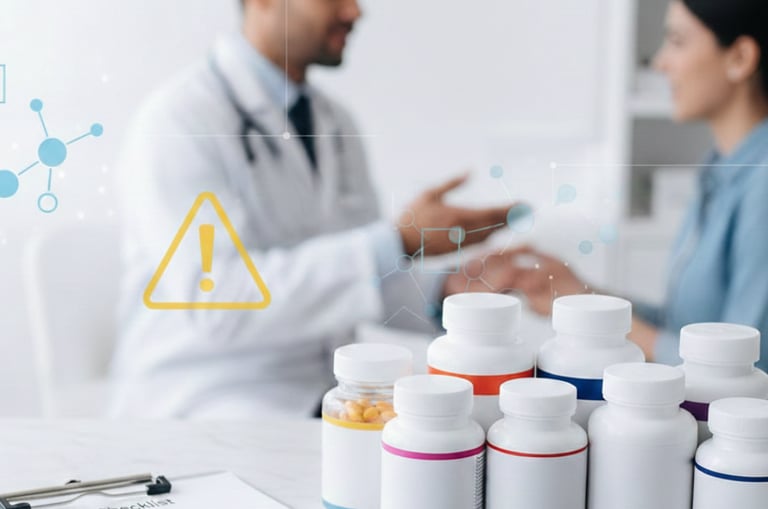

Safety Considerations When Taking Dietary Supplements: Complete Guide
By WellnessWithForever 21 February 2026: This post might contain affiliate links.
Dietary supplements are widely used—over 75% of American adults take at least one supplement regularly. While many supplements can support health when used appropriately, they're not without risks. Supplements can interact with medications, cause side effects, contain contaminants, or be inappropriate for certain health conditions. Understanding supplement safety is essential for making informed decisions and avoiding potential harm.
This comprehensive guide examines supplement safety including regulatory landscape, potential risks, drug interactions, special populations, quality concerns, and safe usage practices. Forever Living offers various supplements, and understanding safety principles applies to all supplement use regardless of brand.
Important Medical Disclaimer: This article discusses supplement safety. Supplements are NOT medications and are NOT regulated like drugs. They can have side effects, drug interactions, and contraindications. Some supplements can be harmful, especially in excessive doses or for certain individuals. ALWAYS consult healthcare providers before starting supplements, especially if you have medical conditions, take medications, are pregnant/breastfeeding, or are considering giving supplements to children. This information is educational and does not replace professional medical advice. When in doubt, consult a healthcare provider, pharmacist, or registered dietitian.
Key Takeaways
Supplements can have side effects, drug interactions, and contraindications
"Natural" does NOT mean "safe"
Quality varies widely—choose reputable manufacturers
Always inform healthcare providers about ALL supplements you take
Special populations (pregnant women, children, elderly, those with medical conditions) require extra caution
More is NOT better—excessive doses can be harmful
Some supplements lack adequate safety research
Understanding the Regulatory Landscape
How Supplements Are Regulated (or Not)
DSHEA (Dietary Supplement Health and Education Act) 1994:
Supplements regulated differently than drugs:
Drugs (FDA approval required):
Must prove safety and efficacy BEFORE marketing
Rigorous testing required
Manufacturing standards strictly enforced
FDA reviews claims
Supplements (FDA does NOT approve):
Can be marketed WITHOUT proving safety or efficacy
Manufacturers responsible for safety (honor system)
FDA acts AFTER problems reported (reactive, not proactive)
Claims limited but loosely enforced
What this means: You're essentially trusting manufacturers to ensure safety and quality. Not all manufacturers are equally trustworthy.
What FDA CAN and CANNOT Do
FDA CAN:
Take action after supplements cause harm (remove from market)
Require warning labels for known risks
Inspect manufacturing facilities
Enforce Good Manufacturing Practices (GMPs)
FDA CANNOT:
Approve supplements before marketing
Require safety testing before sale
Regulate supplements as strictly as drugs
Reality: Supplements can be on market for years before safety issues discovered.
Claims: What's Allowed
Structure/function claims (allowed):
"Supports immune health"
"Promotes heart health"
"Helps maintain healthy bones"
Must include disclaimer: "This statement has not been evaluated by the FDA. This product is not intended to diagnose, treat, cure, or prevent any disease."
Disease claims (NOT allowed without FDA approval):
"Treats arthritis"
"Cures cancer"
"Prevents Alzheimer's"
Reality: Many supplements make implied or borderline claims. Be skeptical of dramatic health claims.
General Safety Principles
"Natural" Does NOT Mean "Safe"
Common misconception: "It's natural, so it must be safe."
Reality: Many natural substances are toxic:
Poison ivy is natural
Arsenic is natural
Hemlock is natural
Many poisonous mushrooms are natural
Natural supplements can:
Have side effects
Interact with medications
Be toxic in high doses
Cause allergic reactions
Vary in potency and purity
More Is NOT Better
Risks of excessive supplementation:
Fat-soluble vitamins (A, D, E, K):
Stored in body tissues
Can accumulate to toxic levels
Vitamin A toxicity: Liver damage, birth defects
Vitamin D toxicity: Kidney damage, calcium buildup
Vitamin E (high doses): Increased bleeding risk, stroke risk
Vitamin K: Can interfere with blood thinners
Water-soluble vitamins (B, C):
Generally excreted in urine
But high doses still have risks
Vitamin B6 (excessive): Nerve damage
Niacin (high doses): Liver damage, flushing
Vitamin C (excessive): Kidney stones, digestive upset
Minerals:
Iron (excessive): Organ damage, especially dangerous for children
Calcium (excessive): Kidney stones, cardiovascular concerns
Zinc (excessive): Copper deficiency, immune suppression
Selenium (excessive): Hair loss, brittle nails, neurological damage
Herbs:
Dose-dependent effects
Some toxic at high doses
Quality and concentration vary
Principle: Follow recommended doses. More is NOT better and can be harmful.
Individual Variation
People respond differently to supplements:
Genetics affect metabolism and response
Age influences how body processes substances
Weight and body composition matter
Existing health conditions modify effects
Medications interact differently in different people
Gut microbiome affects absorption and metabolism
What works safely for one person may not be safe for another.
Drug-Supplement Interactions
Why Interactions Matter
Mechanisms of interaction:
Additive effects: Supplement + medication both affect same pathway → excessive effect Example: Vitamin E + warfarin (blood thinner) → excessive bleeding risk
Opposing effects: Supplement counteracts medication → reduced medication efficacy Example: Calcium + thyroid medication → reduced thyroid med absorption
Metabolic interference: Supplement affects how body processes medication Example: St. John's Wort increases liver enzymes that break down many drugs → reduces drug levels
Common Problematic Interactions
Blood thinners (Warfarin, aspirin, Plavix):
INTERACT with:
Vitamin E (high doses): Increased bleeding risk
Vitamin K: Counteracts warfarin (reduces efficacy)
Fish oil/omega-3s (high doses): Mild blood-thinning (usually not problematic but inform doctor)
Ginkgo biloba: Increased bleeding risk
Garlic supplements (high doses): Increased bleeding risk
Feverfew: Increased bleeding risk
Dong quai: Affects warfarin
Action: If taking blood thinners, discuss ALL supplements with doctor. Maintain consistent vitamin K intake. Inform doctor before surgery about ALL supplements.
Thyroid medications (Levothyroxine, Synthroid):
INTERACT with:
Calcium: Reduces thyroid medication absorption (take 4 hours apart)
Iron: Reduces absorption (take 4 hours apart)
Soy: May affect absorption
Biotin (high doses): Can interfere with thyroid tests (false results)
Action: Take thyroid medication on empty stomach, wait at least 1 hour before supplements (preferably 4 hours for calcium/iron).
Diabetes medications:
INTERACT with:
Chromium: May lower blood sugar (monitor closely)
Cinnamon supplements: May lower blood sugar
Ginseng: May affect blood sugar
Alpha-lipoic acid: May lower blood sugar
Bitter melon: May lower blood sugar
Action: If diabetic, monitor blood glucose closely when starting supplements. Inform doctor. May need medication adjustment.
Blood pressure medications:
INTERACT with:
Licorice: Can raise blood pressure (counteracts medication)
Calcium (high doses): May lower blood pressure (additive effect)
Coenzyme Q10: May lower blood pressure
Hawthorn: May lower blood pressure
Garlic: May lower blood pressure
Action: Monitor blood pressure. Inform doctor about supplements. May need medication adjustment.
Antidepressants (especially SSRIs, MAOIs):
INTERACT with:
St. John's Wort: Dangerous interaction with SSRIs (serotonin syndrome risk), reduces effectiveness of many other drugs
SAMe: May increase serotonin (risk with SSRIs)
5-HTP: May increase serotonin (risk with SSRIs)
Action: NEVER combine St. John's Wort with antidepressants without explicit medical supervision. Inform doctor about ALL supplements.
Immunosuppressants (organ transplant medications, biologics):
INTERACT with:
Echinacea: May counteract immunosuppression
Astragalus: May stimulate immune system
Ginseng: May affect immune function
Cat's claw: May stimulate immune system
Action: If taking immunosuppressants, discuss supplements with transplant team or prescribing physician BEFORE use.
Statins (cholesterol medications):
INTERACT with:
Red yeast rice: Contains natural statin (additive effect, side effect risk)
Coenzyme Q10: Statins deplete CoQ10 (supplementation may help, not harmful interaction)
Niacin (high doses): Increased muscle damage risk when combined with statins
Chemotherapy and cancer treatments:
INTERACT with:
Many antioxidants: May protect cancer cells from treatment (controversial, discuss with oncologist)
Various herbs: Unknown interactions
Action: Discuss ALL supplements with oncologist. Some supplements may interfere with cancer treatment.
Birth control pills:
AFFECTED by:
St. John's Wort: Reduces effectiveness (pregnancy risk!)
Various antibiotics (not supplements, but important to know)
How to Avoid Dangerous Interactions
Inform ALL healthcare providers about ALL supplements (including vitamins, minerals, herbs, protein powders)
Ask pharmacist about interactions when picking up prescriptions
Research interactions before starting new supplements (reliable sources: MedlinePlus, Natural Medicines Database)
Start one supplement at a time (easier to identify problems)
Be especially cautious with the medications listed above
Never stop medications without doctor guidance just because taking supplements
Special Populations Requiring Extra Caution
Pregnant and Breastfeeding Women
Why extra caution needed:
Supplements can cross placenta to baby
Some supplements cause birth defects
Safety data limited for many supplements during pregnancy
Breast milk can contain supplement compounds
Generally safe (when used appropriately):
Prenatal vitamins (specifically formulated for pregnancy)
Folic acid/folate (essential for preventing neural tube defects)
Iron (if deficient)
Calcium
Vitamin D
Omega-3s/DHA (from purified sources, avoid high-mercury fish oil)
AVOID during pregnancy:
Vitamin A (retinol) >10,000 IU daily (birth defects)
High-dose vitamin E
Many herbal supplements (safety data insufficient)
Weight loss supplements
"Detox" supplements
Energy supplements with stimulants
Herbs to AVOID during pregnancy (non-exhaustive list):
Black cohosh (may induce labor)
Blue cohosh (may induce labor)
Dong quai
Feverfew
Goldenseal
Pennyroyal (toxic)
Saw palmetto
Yohimbe
Action: Consult obstetrician before taking ANY supplement during pregnancy or while breastfeeding.
Infants and Children
Why extra caution needed:
Developing bodies process substances differently
Dosing errors dangerous (adult doses can be toxic for children)
Long-term safety data limited for many supplements in children
Risk of accidental overdose (supplements can look like candy)
Iron poisoning: Leading cause of fatal poisoning in young children. Keep iron supplements in child-proof containers, out of reach.
Vitamin D: Appropriate supplementation important for breastfed infants (400 IU daily recommended). But excessive doses toxic.
Multivitamins for children: Use products specifically formulated for children. NEVER give adult supplements to children.
Herbs: Most herbal supplements not adequately studied in children. Avoid unless specifically recommended by pediatrician.
Action:
Consult pediatrician before giving supplements to children
Use age-appropriate formulations ONLY
Follow dosing instructions precisely
Store supplements securely out of reach
Teach children supplements are medicine, not candy
Older Adults
Why extra caution needed:
Multiple medications (interaction risk)
Age-related changes in metabolism
Kidney and liver function may decline (affects supplement processing)
May take supplements based on outdated information
Common issues:
Polypharmacy: Taking many medications increases interaction risk
May not inform all doctors about supplements
May take excessively high doses ("if some is good, more is better")
May have difficulty swallowing pills
Potentially beneficial for older adults:
Vitamin D (deficiency common, bone health)
Calcium (bone health, but don't exceed recommendations)
Vitamin B12 (absorption decreases with age)
Omega-3s (cardiovascular, brain health)
Action:
Regular medication reviews with doctor or pharmacist (include ALL supplements)
Ensure adequate nutrition from food first
Check for interactions
Use pill organizers to avoid confusion
People with Medical Conditions
Kidney disease:
Avoid potassium supplements (dangerous accumulation)
Be cautious with magnesium
Protein supplements may be problematic
Many supplements processed by kidneys
Liver disease:
Many supplements processed by liver
Some supplements (high-dose niacin, kava, others) can damage liver
Avoid hepatotoxic herbs
Autoimmune conditions:
Some immune-stimulating supplements may worsen conditions
Discuss with rheumatologist or specialist
Bleeding disorders:
Avoid supplements that thin blood or affect clotting
Upcoming surgery:
Discontinue most supplements 2 weeks before surgery (especially blood-thinning supplements)
Inform surgeon and anesthesiologist about ALL supplements
Action: Discuss ALL supplements with specialist managing your condition.
Quality and Purity Concerns
Contamination Issues
Common contaminants:
Heavy metals:
Lead, mercury, arsenic, cadmium found in some supplements
Particularly concerning in herbal supplements, bone meal, calcium from oyster shells
Long-term exposure causes serious health problems
Microbiological contamination:
Bacteria, mold, yeast
Poor manufacturing conditions
Pesticides:
Residues from herbal products
Pharmaceutical adulterants:
Illegal addition of actual drugs to supplements
Common in weight loss, sexual enhancement, bodybuilding supplements
Dangerous: unlabeled drugs, unknown doses
Action:
Choose reputable manufacturers
Look for third-party testing (USP, NSF, ConsumerLab)
Be especially cautious with weight loss, sexual enhancement, bodybuilding supplements
Mislabeling and Fraud
Problems:
Product doesn't contain what label claims
Contains different species of herb
Contains fillers with no active ingredients
Dosage incorrect
DNA barcoding studies: Found many herbal supplements don't contain labeled plant, contain substitutes or fillers.
Action:
Choose established, reputable brands
Look for third-party verification
Be skeptical of products making dramatic claims
Report suspected fraud to FDA
Third-Party Testing
What it means: Independent organization tests product to verify:
Contains ingredients listed
Amounts match label
Free from contaminants
Manufactured properly
Reputable third-party certifiers:
USP (US Pharmacopeia): Verified mark indicates testing for identity, strength, purity, quality
NSF International: Tests for contaminants, proper manufacturing
ConsumerLab: Independent testing, publishes results
Informed-Choice/Informed-Sport: Tests for banned substances (for athletes)
Action: Look for these certifications on supplement labels.
Specific Supplement Safety Concerns
Herbal Supplements
Lack of standardization:
Active compound concentrations vary widely
Same plant species can have different effects based on growing conditions
Different parts of plant have different effects
Extraction methods affect potency
Aristolochic acid:
Toxic compound in some herbs
Causes kidney failure, cancer
Found in Aristolochia species (sometimes substituted for other herbs)
Banned in many countries
Liver toxicity: Some herbs can damage liver:
Kava (linked to liver failure in some people)
Comfrey (contains pyrrolizidine alkaloids—toxic)
Germander
Chaparral
High-dose green tea extract (rare)
Action:
Research herbs thoroughly before use
Choose quality sources
Inform healthcare providers
Monitor for side effects
Discontinue if liver symptoms (jaundice, dark urine, abdominal pain)
Weight Loss Supplements
High-risk category:
Often contain:
Stimulants (sometimes unlabeled)
Pharmaceutical adulterants
Unproven or dangerous ingredients
Banned substances sometimes found:
Ephedra (banned, but sometimes hidden)
DMAA (dimethylamylamine—dangerous stimulant)
Sibutramine (removed from market due to heart risks)
Risks:
Cardiovascular problems (heart attack, stroke, arrhythmias)
High blood pressure
Seizures
Liver damage
Death (documented cases)
Action:
Extreme caution with weight loss supplements
Many are unsafe
Focus on diet and exercise for weight loss
Consult healthcare provider
Bodybuilding/Sports Supplements
Concerns:
Prohormones (hormonal effects, side effects)
Stimulants (cardiovascular risks)
Contamination with banned substances
Protein powders (generally safer but quality varies)
Anabolic steroids:
Sometimes sold as "natural" muscle builders
Serious side effects
Illegal without prescription
Action:
If competitive athlete, use only Informed-Choice/Informed-Sport certified products
Be cautious with exotic ingredients
Protein supplements from reputable sources generally safer
Sexual Enhancement Supplements
High-risk category:
Often contain:
Unlabeled pharmaceutical drugs (sildenafil [Viagra], tadalafil [Cialis], similar compounds)
Dangerous in unknown doses
Can interact dangerously with heart medications (nitrates)
Risks:
Cardiovascular events
Dangerous blood pressure drops
Drug interactions
Deaths documented
Action:
Avoid these supplements
If experiencing sexual dysfunction, see doctor for legitimate treatment
Safe Supplement Use Practices
Before Starting Supplements
Identify specific need: Don't take supplements randomly
Try food first: Can you get nutrients from diet?
Research thoroughly: Use reliable sources (NIH Office of Dietary Supplements, MedlinePlus)
Check for interactions: Medications, other supplements
Consult healthcare provider: Especially if medical conditions, medications, pregnancy, or special populations
Choose quality products: Reputable manufacturers, third-party testing
Set realistic expectations: Supplements support, don't cure
While Taking Supplements
Follow dosing instructions: Don't exceed recommended amounts
Be consistent: Most supplements require regular use
Monitor effects: Keep journal of supplements and any changes (positive or negative)
Watch for side effects: Discontinue if problems occur
Inform all healthcare providers: Include dentist, surgeons, all doctors
Store properly: Cool, dry place unless refrigeration required
Check expiration dates: Potency decreases over time
When to Stop or Adjust
Discontinue immediately if:
Allergic reaction (rash, itching, swelling, difficulty breathing)
Severe side effects
Unexpected symptoms
Pregnancy (unless specifically safe)
Upcoming surgery (2 weeks before)
Reassess regularly:
Is supplement still necessary?
Is it helping?
Any new medications or conditions?
Any new research on safety?
Reporting Problems
FDA MedWatch: Report adverse events from supplements to FDA:
Online: www.fda.gov/medwatch
Phone: 1-800-FDA-1088
Why report:
Helps FDA identify dangerous products
Protects others
May lead to recalls or warnings
Forever Living Product Safety
General Quality Standards
Forever Living:
Established company with manufacturing standards
Products undergo quality testing
Follow Good Manufacturing Practices (GMPs)
However:
Same general supplement principles apply
Not immune to interaction risks
Individual responses vary
Medical conditions may contraindicate use
Pregnancy/breastfeeding requires caution
Forever Product Specific Considerations
Forever Aloe Vera Gel:
Generally well-tolerated
Use inner leaf gel ONLY (outer leaf contains aloin—laxative, potentially harmful long-term)
Some people experience digestive changes initially
Discuss with doctor if pregnant or on medications
Forever Daily:
Comprehensive multivitamin
Follow dosing instructions (don't take multiple multivitamins)
Check for interactions with medications
Appropriate for most adults when used as directed
Forever Arctic Sea (Omega-3s):
Generally safe
Mild blood-thinning effects (inform doctor if taking blood thinners)
Discontinue 2 weeks before surgery
Choose purified products to avoid mercury
Forever B12 Plus:
B vitamins generally safe
High-dose B6 (long-term) can cause nerve damage (follow dosing)
B vitamins can interfere with some lab tests (biotin)
Action: Discuss ALL Forever products with healthcare provider, especially if medical conditions or medications.
Red Flags: When to Be Suspicious
Avoid supplements that:
Make dramatic health claims ("cures cancer," "melts fat," "miracle")
Claim to treat serious diseases
Sound too good to be true
Use personal testimonials as primary evidence
Pressure you to buy immediately
Lack contact information
Don't list ingredients clearly
Come from questionable sources (spam emails, unknown websites)
Make claims without scientific support
Be cautious if:
Very cheap (may indicate poor quality or fraud)
Marketed primarily through social media or multi-level marketing
Secret or proprietary formulas
"Ancient wisdom" claims without evidence
Promises quick results
Conclusion
Dietary supplements can support health when used appropriately, but they're not without risks. Understanding supplement safety principles—including regulatory limitations, potential drug interactions, special population considerations, quality concerns, and safe usage practices—is essential for making informed decisions and avoiding harm.
Key safety principles:
Supplements are NOT risk-free: Natural ≠ safe; can have side effects, interactions, contraindications
Quality varies: Choose reputable manufacturers with third-party testing
More is NOT better: Follow recommended doses; excessive amounts can be harmful
Inform healthcare providers: About ALL supplements (include vitamins, minerals, herbs, protein powders)
Special populations: Pregnant women, children, elderly, those with medical conditions require extra caution
Watch for interactions: Especially with blood thinners, diabetes medications, thyroid medications, antidepressants
Monitor effects: Discontinue if adverse reactions occur
Be skeptical: Of dramatic claims and products promising miracles
Forever Living products, like all supplements:
Should be used as directed
Require same safety considerations
May interact with medications
Should be discussed with healthcare providers
Are not substitutes for medical treatment or balanced diet
Empower yourself: Make informed decisions, use supplements responsibly, work with healthcare team, prioritize safety over convenience, and remember supplements complement healthy lifestyle—they don't replace it.
When in doubt, consult a healthcare provider, pharmacist, or registered dietitian. Your safety is worth the extra step of professional guidance.
Frequently Asked Questions
Do I need to tell my doctor about vitamins and supplements?
YES—absolutely! Many healthcare providers report patients don't mention supplements, assuming they're not important. However, supplements can interact with medications, affect surgical outcomes, interfere with lab tests, and provide important diagnostic information. Bring all supplement bottles to appointments or keep list on phone. Include vitamins, minerals, herbs, protein powders, fiber supplements—everything. Your doctor cannot provide safe care without complete information.
Are supplements from health food stores safer than those from drugstores?
Not necessarily. Location of purchase doesn't guarantee quality or safety. Both health food stores and drugstores carry range of quality levels. What matters is manufacturer reputation, third-party testing, and ingredient quality. Some excellent supplements sold at drugstores; some poor-quality supplements sold at specialty stores. Look for third-party certifications (USP, NSF, ConsumerLab) regardless of where you shop.
Can I take supplements if I'm on multiple medications?
You CAN, but requires extra caution and medical supervision. More medications = higher interaction risk. ESSENTIAL to discuss ALL supplements with doctor and pharmacist. They can check for interactions, monitor for problems, adjust medication doses if needed. Never assume supplements are safe just because they're "natural"—interactions can be dangerous. Work closely with healthcare team to use supplements safely alongside medications.
How do I know if a supplement is high quality?
Look for: (1) Reputable, established manufacturer; (2) Third-party testing certification (USP, NSF, ConsumerLab); (3) Clear labeling with ingredient amounts; (4) Contact information for manufacturer; (5) Expiration date; (6) Sealed packaging; (7) Manufactured in facilities following GMPs. Research manufacturer's reputation. Check ConsumerLab for independent test results. Be willing to pay fair price—extremely cheap supplements may indicate poor quality. Quality matters more than price.
Are supplements regulated by the FDA?
Yes and no. FDA regulates supplements under DSHEA, but VERY differently than drugs. Supplements DON'T require FDA approval before marketing. Manufacturers responsible for safety (honor system). FDA can act AFTER problems reported, but cannot require pre-market safety testing. This means supplements can be sold for years before safety issues discovered. FDA does enforce Good Manufacturing Practices and can remove dangerous products, but regulation is far less stringent than for pharmaceuticals. You're largely trusting manufacturers.
Can children take adult supplements in smaller doses?
NO—do NOT give children adult supplements even in reduced doses. Children's bodies process substances differently than adults. They need different nutrient ratios. Adult supplements may contain inappropriate amounts even when reduced. Some ingredients in adult supplements not safe for children. ALWAYS use supplements specifically formulated for children's age group, with appropriate dosing. Consult pediatrician before giving children ANY supplements. And store supplements securely out of children's reach—iron poisoning leading cause of fatal poisonings in young children.
What should I do if I experience side effects from a supplement?
(1) STOP taking the supplement immediately; (2) Contact healthcare provider, especially if symptoms severe; (3) Report to FDA MedWatch (www.fda.gov/medwatch or 1-800-FDA-1088); (4) Save the supplement bottle for reference; (5) Document symptoms, when they started, when they resolved; (6) If severe reaction (difficulty breathing, swelling, severe pain), seek emergency care. Don't restart supplement without medical guidance. Report even seemingly minor reactions—your report could protect others.
Should I stop taking supplements before surgery?
GENERALLY YES. Discuss with surgeon and anesthesiologist, but standard recommendation is stopping most supplements 2 weeks before surgery. Particularly important for: (1) Blood-thinning supplements (vitamin E, fish oil, ginkgo, garlic); (2) Herbs affecting anesthesia; (3) Stimulants affecting blood pressure/heart rate. However, some supplements might be safe to continue (discuss with surgeon). Bring complete list of ALL supplements to pre-operative appointment. Don't assume surgeon knows you take supplements—tell explicitly.
Are expensive supplements better than inexpensive ones?
Not always, but quality often costs more. Extremely cheap supplements may indicate: (1) Low-quality ingredients; (2) Poor manufacturing standards; (3) Minimal active ingredients; (4) Potential contamination; (5) Fraud. However, expensive doesn't guarantee quality either—some overpriced due to marketing. Best approach: Look for third-party testing regardless of price, research manufacturer reputation, read independent reviews (ConsumerLab), be willing to pay fair price for quality, avoid both suspiciously cheap and unnecessarily expensive options.
Can supplements cure my medical condition?
NO. Supplements are NOT medications and cannot cure diseases. By law, supplements cannot claim to diagnose, treat, cure, or prevent diseases (unless specifically approved by FDA, which is rare). Supplements may SUPPORT health, provide nutrients you're deficient in, or complement medical treatment—but they don't replace medical care for diagnosed conditions. If supplement claims to cure serious disease, it's making illegal claim and is likely fraudulent. For medical conditions, see healthcare provider for evidence-based treatment.
Sources and References
FDA Office of Dietary Supplement Programs: https://www.fda.gov/food/dietary-supplements
NIH Office of Dietary Supplements: https://ods.od.nih.gov
Natural Medicines Database: https://naturalmedicines.therapeuticresearch.com
MedlinePlus Drug/Supplement Interactions: https://medlineplus.gov
ConsumerLab: https://www.consumerlab.com
About the Author
Naddy is a wellness enthusiast and content creator behind Wellness With Forever. She focuses on simple, practical tips to support a healthy lifestyle through nutrition, movement, and mindful habits.
Disclaimer
This information is for educational purposes only and does not replace professional medical advice. Supplements can have side effects, drug interactions, and contraindications. Some supplements can be harmful, especially in excessive doses or for certain individuals. ALWAYS consult healthcare providers before starting supplements, especially if you have medical conditions, take medications, are pregnant/breastfeeding, or are considering supplements for children. Individual responses vary significantly. When in doubt, consult a healthcare provider, pharmacist, or registered dietitian.
About Us
Follow
© 2025. WellnessWithForever
SUBSCRIBE