The Benefits of a Daily Supplement Routine for Men's Health: Supporting Vitality, Energy, and Long-Term Wellness
Men's health supplement guide: Forever Vitolize Men for prostate, Arctic Sea for heart health, energy support & more. Evidence-based nutrition for men 40+!
by WellnessWithForever
1/26/202627 min read
The Benefits of a Daily Supplement Routine for Men's Health: Supporting Vitality, Energy, and Long-Term Wellness
By WellnessWithForever 26 January 2026: This post might contain affiliate links.
Men's health needs change across the lifespan, from maintaining energy and muscle mass in younger years to supporting prostate health, cardiovascular function, and healthy aging later in life. While a balanced diet provides the foundation for good health, modern lifestyles, processed foods, soil depletion, and age-related changes in nutrient absorption can create nutritional gaps that impact men's vitality, performance, and long-term wellness.
Many men approach health reactively—waiting until problems arise rather than taking proactive steps to maintain optimal function. This approach often leads to preventable issues: declining energy, reduced muscle mass, prostate concerns, cardiovascular problems, sexual health issues, and chronic diseases that could have been delayed or prevented through better nutritional support and lifestyle habits.
The empowering truth? A strategic daily supplement routine, combined with proper nutrition, regular exercise, adequate sleep, and stress management, can help men maintain energy, strength, sexual health, and overall vitality throughout life. Understanding which supplements are supported by research for men's specific health concerns—and which are merely marketing hype—enables informed decisions about your health investment.
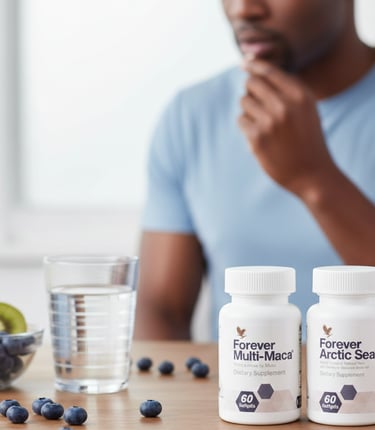
Forever Living offers targeted supplements for men's health, including Forever Vitolize Men (comprehensive prostate and urinary support), Forever Multi-Maca (energy and stamina), Forever Arctic Sea (cardiovascular and anti-inflammatory support), and Forever Daily (complete nutritional foundation). These products provide convenient, quality options for men seeking to optimize their health at any age.
Important Medical Note: This article discusses supplements for general wellness and nutritional support, not medical treatment. Supplements cannot cure diseases, reverse aging, or replace healthy lifestyle habits and proper medical care. Men's health involves complex factors including genetics, lifestyle, stress, sleep quality, diet, exercise, and medical history. If you experience concerning symptoms—fatigue, sexual dysfunction, urinary problems, chest pain, unexplained weight changes, depression—consult a healthcare provider for proper diagnosis and evidence-based treatment. Blood work can identify actual deficiencies requiring targeted supplementation. The information here is for educational purposes only and does not replace professional medical advice.
Key Takeaways
Men have specific nutritional needs that change with age, activity level, and health status
Common deficiencies in men include vitamin D, magnesium, zinc, and omega-3 fatty acids
Prostate health becomes increasingly important after age 40—targeted support can help
Cardiovascular disease is the leading cause of death in men—prevention is critical
Testosterone naturally declines with age—certain nutrients support healthy hormone levels
Quality matters enormously—not all supplements deliver what labels claim
Forever Vitolize Men provides comprehensive prostate and urinary health support
Supplements work best alongside healthy diet, regular exercise, adequate sleep, and stress management
Realistic expectations are essential—supplements support health gradually over months, not overnight
Understanding Men's Nutritional Needs Across the Lifespan
Men's bodies have different nutritional requirements than women's due to differences in muscle mass, metabolism, hormones, and age-related changes. Understanding these needs helps target supplementation effectively.
Nutritional Demands of Male Physiology
Higher muscle mass: Men typically have 30-40% more muscle mass than women, increasing daily protein and nutrient requirements for muscle maintenance and repair.
Testosterone metabolism: The male hormone testosterone requires specific nutrients (zinc, magnesium, vitamin D) for production and regulation. Testosterone affects muscle mass, bone density, energy, mood, and sexual function.
Prostate health: The prostate gland—which only men have—requires specific nutritional support, particularly after age 40 when prostate issues become more common.
Cardiovascular risk: Men develop heart disease 10-15 years earlier than women on average. Nutritional support for cardiovascular health is particularly important for men.
Higher caloric needs: Men generally require more calories due to larger body size and higher muscle mass, which increases micronutrient requirements proportionally.
Real Example: My father, now in his 60s, always dismissed supplements as "something women worry about." After his annual physical revealed low vitamin D and borderline cholesterol, his doctor recommended specific supplements. He was surprised to learn that men have distinct nutritional needs and that "eating healthy" doesn't automatically mean meeting all nutrient requirements, especially as we age.
How Nutritional Needs Change with Age
Ages 20-30: Building Foundation
High energy demands from active lifestyle
Building peak muscle mass and bone density
Establishing long-term health habits
Key nutrients: protein, B vitamins, magnesium, zinc, vitamin D
Ages 30-40: Maintaining Vitality
Metabolism begins slowing slightly
Balancing career, family, stress
Maintaining muscle mass requires more effort
Key nutrients: same as 20s plus antioxidants, omega-3s
Ages 40-50: Prevention Focus
Testosterone begins declining (about 1% per year after 40)
Prostate health becomes important
Cardiovascular risk increases
Muscle loss accelerates without intervention
Key nutrients: saw palmetto, lycopene, CoQ10, additional vitamin D, omega-3s
Ages 50-60: Active Management
Prostate issues more common (BPH affects 50% of men in their 50s)
Cardiovascular disease risk high
Bone density concerns emerge
Sexual health changes common
Key nutrients: comprehensive prostate support, higher-dose omega-3s, vitamin K2, continued focus on previous nutrients
Ages 60+: Healthy Aging
Nutrient absorption decreases
Muscle loss (sarcopenia) accelerates
Chronic disease management often necessary
Maintaining independence critical
Key nutrients: all of the above plus potentially higher doses, digestive enzymes, protein supplementation
Questions to Ask Your Doctor About Supplements:
Should I have blood work to check for actual deficiencies before supplementing?
Given my medical conditions and medications, are these supplements safe?
What symptoms might indicate a supplement is helping or causing problems?
How often should I recheck blood levels if supplementing for deficiency?
Are there better-researched options for my specific health concerns?
Common Nutritional Deficiencies in Men
Vitamin D: Up to 40% of men have insufficient vitamin D levels, particularly those living in northern climates, working indoors, or with darker skin. Low vitamin D is linked to low testosterone, cardiovascular disease, weakened immunity, and depression.
Magnesium: About 45% of Americans don't meet daily magnesium requirements. Magnesium supports muscle function, heart health, sleep quality, stress response, and testosterone production.
Zinc: Many men consume inadequate zinc, particularly vegetarians. Zinc is essential for testosterone production, immune function, and prostate health.
Omega-3 fatty acids: Most men consume far more omega-6 than omega-3 fats, creating inflammatory imbalance. Omega-3s (EPA/DHA) support heart health, reduce inflammation, and support brain function.
B vitamins: Particularly B12 (as men age and stomach acid decreases), B6, and folate. B vitamins support energy production, cardiovascular health (by reducing homocysteine), and nervous system function.
Fiber: While not a supplement per se, most men consume only 15-16g daily versus the recommended 30-38g. Inadequate fiber affects digestive health, cholesterol levels, and prostate health.
Real Example: My colleague James, a 45-year-old office worker, complained of constant fatigue despite "eating well." His doctor ordered comprehensive blood work revealing vitamin D at 18 ng/mL (deficient—should be 30-50+) and low-normal magnesium. After three months supplementing with quality vitamin D and magnesium, his energy improved dramatically. He learned that "I'm tired because I'm busy" was actually "I'm tired because I'm nutritionally deficient."
Forever Vitolize Men: Comprehensive Prostate and Urinary Health Support
Prostate health becomes a primary concern for men after age 40. By age 60, over 50% of men experience benign prostatic hyperplasia (BPH)—non-cancerous prostate enlargement causing urinary symptoms that significantly impact quality of life.
Forever Vitolize Men is specifically formulated to support prostate health, urinary function, and male vitality.
Understanding Prostate Health and BPH
The prostate: A walnut-sized gland surrounding the urethra (tube carrying urine from bladder). It produces fluid that nourishes and transports sperm.
Benign Prostatic Hyperplasia (BPH): Non-cancerous prostate enlargement occurring as men age. As the prostate enlarges, it can compress the urethra, causing urinary symptoms.
BPH symptoms:
Frequent urination, especially at night (nocturia)
Weak or interrupted urine stream
Difficulty starting urination
Feeling that bladder doesn't empty completely
Urgency (sudden need to urinate)
Dribbling at the end of urination
Impact on quality of life: These symptoms disrupt sleep (multiple nighttime bathroom trips), limit activities (need to be near bathrooms), and cause anxiety. Many men suffer silently, thinking symptoms are "just part of aging."
Important: While BPH is benign, similar symptoms can indicate prostate cancer or other serious conditions. Any urinary changes warrant medical evaluation for proper diagnosis.
Cultural Practice Example: In Germany, saw palmetto (a key Vitolize Men ingredient) is prescription medicine for BPH, reflecting stronger research evidence recognized there than in the U.S., where it's sold as a supplement. This illustrates how the same natural ingredient can be viewed differently across medical systems, though research shows benefits regardless of regulatory classification.
Key Ingredients in Forever Vitolize Men
Saw Palmetto Berry (Serenoa repens):
Most researched herbal ingredient for BPH
Multiple studies show it reduces urinary symptoms in men with mild-to-moderate BPH
Works by inhibiting 5-alpha-reductase (enzyme converting testosterone to DHT, which promotes prostate growth)
May also have anti-inflammatory effects on prostate tissue
Research shows saw palmetto can be as effective as prescription medications (finasteride) for BPH symptoms with fewer side effects
Pygeum Bark (Prunus africana):
Traditional African remedy for urinary problems
Research suggests it improves urinary flow and reduces nighttime urination
May reduce prostate inflammation
Often used in combination with saw palmetto for synergistic effects
Pumpkin Seed:
Rich in zinc (essential for prostate health)
Contains phytosterols that may reduce prostate growth
Traditional use for urinary and prostate health
Lycopene:
Powerful antioxidant (carotenoid giving tomatoes red color)
Concentrates in prostate tissue
Observational studies link higher lycopene intake to reduced prostate cancer risk
May reduce PSA levels and slow prostate growth
Vitamin E and Selenium:
Antioxidants that may support prostate health
Note: The SELECT trial showed high-dose vitamin E and selenium didn't prevent prostate cancer (and may have slightly increased risk), but moderate amounts in combination formulas are generally considered safe
Amino Acids (L-Alanine, L-Glycine, L-Glutamic Acid):
Specific amino acids studied for BPH symptom reduction
May help reduce nighttime urination and improve urinary flow
How to Use Forever Vitolize Men:
Dosage: 3 tablets daily
Best taken with meals for optimal absorption
Consistency essential—benefits typically appear after 4-8 weeks of daily use
Continue long-term for sustained prostate health support
Research on Prostate Health Supplements
Saw palmetto: Multiple studies and meta-analyses show benefits for BPH symptoms:
One meta-analysis found saw palmetto improved urinary symptoms and flow compared to placebo
Another study showed comparable efficacy to finasteride (prescription BPH medication) with fewer sexual side effects
Effects are modest but meaningful for mild-to-moderate BPH
Pygeum: Research shows:
Significant reduction in nighttime urination
Improved urinary flow
Reduced residual urine (amount left in bladder after urination)
Lycopene and prostate cancer: While evidence is mixed, higher lycopene intake from tomatoes is associated with reduced prostate cancer risk in observational studies. Whether supplemental lycopene provides the same benefit requires more research.
Important caveat: Research shows benefits for mild-to-moderate BPH. Severe BPH may require prescription medications or surgery. Supplements complement medical care but don't replace it.
Real Example: My uncle began experiencing frequent nighttime urination in his mid-50s—up 3-4 times nightly, disrupting his sleep and leaving him exhausted. His urologist diagnosed mild BPH and suggested trying saw palmetto before prescription medication. He started Forever Vitolize Men. After 6 weeks, nighttime trips decreased to 1-2, and his urinary stream improved. Two years later, he continues taking it daily and his symptoms remain well-controlled without medication. His experience matches research showing supplements can effectively manage mild-to-moderate BPH.
Forever Multi-Maca: Energy, Stamina, and Vitality Support
Maca root (Lepidium meyenii) is a Peruvian plant traditionally used to enhance energy, stamina, and sexual function. Forever Multi-Maca combines maca with other supportive ingredients for male vitality.
What is Maca and How Might It Help Men?
Traditional use: Indigenous Peruvians have used maca for thousands of years to enhance fertility, energy, and endurance, particularly at high altitudes where oxygen is limited.
Active compounds: Maca contains unique compounds called macamides and macaenes, plus vitamins, minerals, and amino acids.
Potential benefits for men:
Sexual function: Several studies suggest maca may improve sexual desire and function:
One study found maca increased sexual desire in men after 8 weeks
Another showed improved erectile function in men with mild ED
Effects are modest but statistically significant compared to placebo
Energy and stamina: While research is limited, some studies suggest maca may improve energy and exercise performance:
Athletes report improved endurance
Possible mechanisms include effects on mitochondrial function (cellular energy production)
Mood and stress resilience: Preliminary research suggests maca may reduce anxiety and depression, possibly through effects on stress hormones and neurotransmitters.
Sperm quality: Some studies show maca improves sperm concentration, motility, and volume—relevant for men concerned about fertility.
Important: Research on maca is limited and often industry-funded. Effects are generally modest. Maca is not a cure for erectile dysfunction, infertility, or chronic fatigue—medical conditions require proper diagnosis and treatment.
How to Use Forever Multi-Maca
Dosage: As directed on label (typically 2-4 tablets daily)
Timing: Can be taken anytime, though some men prefer morning for energy support
Consistency: Daily use for at least 6-8 weeks before assessing benefits
Combine with healthy lifestyle for best results
Real Example: My friend Tom, a 52-year-old runner, started taking Multi-Maca before a period of intensive marathon training. He reported feeling more resilient during hard training blocks and recovered better between workouts. Is it the maca? Better sleep? Improved nutrition? Training adaptation? Likely a combination—but he felt it helped enough to continue taking it. This illustrates how supplements often work synergistically with lifestyle factors rather than as isolated "magic bullets."
Forever Arctic Sea: Cardiovascular and Anti-Inflammatory Support for Men
Cardiovascular disease is the leading cause of death in men, killing one in four men annually. Heart attacks occur more frequently and earlier in men compared to women. Omega-3 fatty acids (EPA and DHA) provide powerful cardiovascular protection backed by extensive research.
Why Men Need Omega-3s
Cardiovascular protection:
Reduce triglycerides (20-50% reduction with therapeutic doses)
Reduce inflammation (chronic inflammation drives atherosclerosis)
Stabilize arterial plaque (reducing heart attack risk)
Modestly lower blood pressure
Reduce blood clotting tendency
May reduce risk of sudden cardiac death
Anti-inflammatory effects: Chronic inflammation contributes to numerous men's health concerns:
Cardiovascular disease
Joint pain and arthritis
Prostate inflammation
Metabolic syndrome
Cognitive decline
Brain health: DHA comprises 60% of brain fat. Adequate omega-3s support cognitive function, reduce depression risk, and may slow cognitive decline with aging.
Joint health: Many men experience joint pain from sports injuries, arthritis, or aging. Omega-3s reduce inflammatory joint pain.
Testosterone support: Some research suggests omega-3s may support healthy testosterone levels, though evidence is preliminary.
Research on Omega-3s for Men's Health
Cardiovascular disease: Extensive research shows omega-3 supplementation:
Reduces cardiovascular events (heart attacks, strokes, cardiovascular death) in people with existing heart disease
Particularly beneficial for men with elevated triglycerides
Most powerful evidence is for fish consumption and high-quality supplements
Triglyceride reduction: FDA has approved prescription omega-3 medications for high triglycerides based on powerful evidence of 20-50% reduction.
Prostate health: Research is mixed, but some studies suggest higher omega-3 intake may reduce aggressive prostate cancer risk, while other studies show no association. The relationship between omega-3s and prostate cancer requires more research.
How to Use Forever Arctic Sea
Dosage:
General health: 2 softgels daily (provides ~500mg EPA/DHA)
Cardiovascular protection or elevated triglycerides: 4-6 softgels daily (1,000-1,500mg EPA/DHA)
High triglycerides (>500 mg/dL): Higher doses under medical supervision
Timing: Take with meals containing fat for best absorption
Quality matters: Forever Arctic Sea provides purified fish and calamari oil free from contaminants (mercury, PCBs) that can accumulate in fish.
Consistency: Daily use for at least 8-12 weeks to see full benefits on triglycerides and inflammation markers
Common Mistake: My neighbor Mark bought the cheapest fish oil he could find at a discount store. After six months, he noticed no benefits and complained that "fish oil doesn't work." When I asked about the dosage, he was taking only 300mg EPA/DHA daily—far below therapeutic levels. Quality fish oil providing adequate dosing (1,000mg+ EPA/DHA) costs more, but cheap, low-dose fish oil is wasted money. He switched to Forever Arctic Sea at proper dosing and noticed improvements in joint pain and energy within weeks. Dosage and quality matter enormously.
Forever Daily: Complete Nutritional Foundation for Men
While targeted supplements address specific men's health concerns, a comprehensive multivitamin/mineral formula ensures no nutritional gaps that could undermine health.
Why Men Need a Quality Daily Multivitamin
Nutritional insurance: Even men eating "healthy" diets often have nutritional gaps due to:
Soil depletion (modern produce contains fewer minerals than decades ago)
Food processing (removes nutrients)
Individual variation in absorption and metabolism
Increased nutrient needs from stress, exercise, aging
Inadequate fruit and vegetable consumption (most men eat far less than recommended)
Supporting optimal function: Vitamins and minerals serve as cofactors for thousands of biochemical reactions. Suboptimal levels—even if not clinically deficient—can impair energy production, immune function, cognitive performance, and overall vitality.
Disease prevention: Adequate micronutrient intake reduces chronic disease risk. For example:
B vitamins (B6, B12, folate) lower homocysteine, reducing cardiovascular disease risk
Vitamin D supports immune function, testosterone production, bone health, mood
Magnesium supports heart rhythm, blood pressure, muscle function, sleep quality
Key Nutrients in Forever Daily for Men
B-Complex Vitamins:
Energy production (convert food to cellular energy)
Nervous system function
Cardiovascular health (reduce homocysteine—an artery-damaging amino acid)
Mood and cognitive function
B12 particularly important as men age (stomach acid decreases, reducing B12 absorption)
Vitamin D3:
Supports testosterone production
Bone health (along with calcium, vitamin K2, magnesium)
Immune function
Mood (low vitamin D linked to depression)
Cardiovascular health
Most men have insufficient levels without supplementation
Magnesium:
Over 300 biochemical reactions depend on magnesium
Muscle function and recovery
Heart health (rhythm, blood pressure)
Testosterone production
Sleep quality
Stress response
Many men consume inadequate magnesium
Zinc:
Testosterone production and regulation
Immune function
Prostate health
Wound healing
Protein synthesis (important for muscle maintenance)
Selenium:
Antioxidant (protects cells from oxidative damage)
Thyroid function
Immune function
Prostate health (though very high doses may be problematic—moderate amounts in multivitamins are safe)
Chromium:
Supports healthy blood sugar metabolism
Important for men at risk for metabolic syndrome or type 2 diabetes
Vitamin E, Vitamin C, and other antioxidants:
Protect cells from oxidative stress
Support cardiovascular health
Immune function
How to Use Forever Daily
Dosage: 4 tablets daily
Timing: Take with meals (2 tablets with 2 different meals for better absorption)
Long-term use: Safe for lifelong daily use
Foundation: Think of Forever Daily as your nutritional foundation; targeted supplements (Vitolize Men, Arctic Sea, etc.) build on this foundation
Real Example: My brother-in-law, a 38-year-old construction worker, dismissed multivitamins as unnecessary—"I eat meat and potatoes, I'm fine." After persistent fatigue and irritability, his wife convinced him to try Forever Daily. Within a month, he noticed more consistent energy throughout his demanding workdays and better mood. Blood work six months later showed his previously low-normal vitamin D had increased to optimal range and a borderline B12 had normalized. He's now a multivitamin convert, acknowledging that "meat and potatoes" doesn't provide comprehensive nutrition.
Additional Supplements for Specific Men's Health Goals
Beyond the core Forever Living products, other supplements may benefit specific health goals or conditions.
For Muscle Maintenance and Fitness
Protein supplementation (Forever Lite Ultra):
Men need adequate protein for muscle maintenance (0.8-1.2g per kg body weight daily, higher for athletes)
Protein needs increase with age (to prevent sarcopenia—age-related muscle loss)
Forever Lite Ultra provides 17g high-quality protein per serving
Convenient for men who struggle to meet protein needs through food alone
Creatine monohydrate:
One of the most researched sports supplements
Increases muscle strength, power, and size when combined with resistance training
May support cognitive function
Safe for long-term use in healthy men
3-5g daily is standard dosing
Vitamin D (additional if levels are low):
Supports muscle function and strength
Athletes often have better performance with optimal vitamin D levels
For Sexual Health
Maca (Forever Multi-Maca): As discussed earlier, may support sexual desire and function.
Zinc: Essential for testosterone production; deficiency impairs sexual function.
Magnesium: Supports healthy testosterone levels.
L-Arginine and L-Citrulline: Amino acids that may improve blood flow (relevant for erectile function), though evidence is mixed.
DHEA: A hormone precursor that may support testosterone in older men, though should only be used under medical supervision.
Important: Erectile dysfunction often indicates underlying cardiovascular disease or diabetes. If you experience ED, consult a doctor rather than relying solely on supplements. Prescription medications (Viagra, Cialis) are more effective for ED than supplements.
For Cardiovascular Health
Omega-3s (Forever Arctic Sea): As discussed extensively, critical for heart health.
Coenzyme Q10 (CoQ10):
Antioxidant supporting cellular energy production
Particularly important for men on statin medications (statins deplete CoQ10)
May support heart function and reduce blood pressure
100-200mg daily is typical dosing
Aged Garlic Extract (Forever Garlic-Thyme):
May modestly reduce blood pressure and cholesterol
Anti-inflammatory and antioxidant properties
Supports overall cardiovascular health
Plant sterols:
Block cholesterol absorption in intestines
Can reduce LDL cholesterol 10% with 2g daily
For Cognitive Health and Aging
Omega-3s (especially DHA): Support brain structure and function.
B vitamins: Reduce homocysteine (high levels damage blood vessels in brain and heart).
Vitamin D: Low levels associated with cognitive decline and depression.
Antioxidants: Protect brain cells from oxidative damage.
Forever Pomesteen Power: Provides diverse antioxidants from pomegranate, mangosteen, and other fruits.
Creating a Comprehensive Men's Health Supplement Routine
Rather than taking every supplement available, create a strategic routine based on age, health status, goals, and budget.
Core Routine for All Adult Men
Foundation (everyone benefits):
Forever Daily (4 tablets daily with meals)
Comprehensive nutritional insurance
Fills gaps from diet
Forever Arctic Sea (2-4 softgels daily)
Cardiovascular protection
Anti-inflammatory benefits
Brain and joint health
Optional additions based on individual needs:
Protein (Forever Lite Ultra) if:
Struggling to meet protein needs through food
Highly active or strength training
Over age 50 (increased protein needs for muscle maintenance)
Age-Specific Recommendations
Ages 20-30:
Forever Daily (foundation)
Forever Arctic Sea (if not eating fatty fish 2-3x weekly)
Protein supplementation if training hard
Focus on establishing healthy habits
Ages 30-40:
Continue Forever Daily and Arctic Sea
Consider adding antioxidants (Pomesteen Power) for long-term health
Protein if active
Begin prostate awareness (family history matters)
Ages 40-50:
Forever Daily (non-negotiable at this age)
Forever Arctic Sea (cardiovascular protection increasingly important)
Forever Vitolize Men (prostate support before problems arise)
CoQ10 if on statins
Higher-dose vitamin D if levels low
Ages 50-60:
All of the above
Potentially increase Arctic Sea dosage (cardiovascular protection)
Continue Vitolize Men (BPH risk increases)
Consider digestive enzymes if experiencing digestive changes
Ensure adequate protein for muscle maintenance
Ages 60+:
All core supplements
May need higher doses of certain nutrients (absorption decreases with age)
Protein supplementation likely beneficial (prevent sarcopenia)
Continue cardiovascular and prostate support
Regular blood work to identify deficiencies
Sample Daily Routine (50-year-old man):
Morning (with breakfast):
2 Forever Daily tablets
2 Forever Arctic Sea softgels
1 Forever Vitolize Men tablet
Lunch:
1 Vitolize Men tablet
Dinner (with meal):
2 Forever Daily tablets
2 Forever Arctic Sea softgels
1 Vitolize Men tablet
Post-workout (if applicable):
Forever Lite Ultra protein shake
Before bed (if taking additional supplements):
Magnesium (if not getting adequate from Forever Daily)
Total daily cost: Approximately $3-5 depending on products and quantities—less than a daily coffee, invested in long-term health.
Practical Tip: My father-in-law uses a weekly pill organizer with AM and PM compartments. Every Sunday evening, he fills the organizer for the week. This habit ensures he never forgets doses and makes it easy to track compliance. When traveling, he brings a small container with a few days' supply. Consistency is the key to benefits, and systems that make supplementation automatic prevent sporadic use.
Lifestyle Factors That Maximize Supplement Benefits
Supplements work best as part of comprehensive healthy lifestyle, not as a replacement for good habits.
Nutrition: The Foundation
Whole foods first: Supplements complement diet, they don't replace it. Prioritize:
Lean proteins (chicken, fish, lean beef, eggs, legumes)
Vegetables (variety of colors—different antioxidants)
Fruits (berries particularly rich in antioxidants)
Whole grains (fiber, B vitamins, minerals)
Healthy fats (olive oil, avocados, nuts, fatty fish)
Adequate protein: Crucial for men, especially as you age:
0.8-1.0g per kg body weight minimum
1.2-1.6g per kg if active or over 50
Example: 180-lb (82 kg) active man needs 100-130g protein daily
Limit processed foods, excess sugar, and alcohol: These undermine health regardless of supplementation.
Real Example: My friend's father, a 65-year-old retiree, took a handful of expensive supplements daily while eating fast food most meals, drinking heavily, and barely moving. His health continued declining. His doctor bluntly told him, "Supplements can't overcome a terrible lifestyle. Fix your diet and exercise, then supplements will actually help." He made changes—home-cooked meals, daily walks, moderate drinking. Combined with his supplement routine, his health markers improved dramatically within six months. The lesson: supplements enhance good foundations; they can't create them from scratch.
Exercise: Non-Negotiable for Men's Health
Resistance training: Essential for maintaining muscle mass, bone density, testosterone, and metabolic health:
At least 2-3 sessions weekly
Full-body compound movements (squats, deadlifts, presses, rows)
Progressive overload (gradually increasing weight/intensity)
Cardiovascular exercise: Critical for heart health:
150+ minutes moderate-intensity weekly (brisk walking, cycling, swimming)
Or 75 minutes vigorous-intensity (running, HIIT)
Benefits of exercise for men:
Maintains testosterone (declines less in active men)
Builds/maintains muscle mass
Supports cardiovascular health
Improves mood and reduces depression
Better sleep quality
Enhances sexual function
Reduces chronic disease risk
Supplements that support exercise:
Forever Lite Ultra (protein for recovery)
Forever Arctic Sea (reduces exercise-induced inflammation)
Creatine (strength and power)
Forever Daily (ensures micronutrients needed for recovery)
Sleep: The Ultimate Recovery Tool
Why sleep matters for men:
Testosterone production peaks during deep sleep
Muscle recovery and growth occur during sleep
Poor sleep increases cortisol (stress hormone that lowers testosterone)
Sleep deprivation linked to weight gain, cardiovascular disease, diabetes
Cognitive function impaired without adequate sleep
Optimization strategies:
7-9 hours nightly (non-negotiable)
Consistent schedule (even weekends)
Cool, dark, quiet bedroom
Limit screens 1-2 hours before bed
Avoid large meals, alcohol, and caffeine close to bedtime
Supplements that may support sleep:
Magnesium (Forever Daily provides some; additional before bed may help)
Avoid stimulants after 2 PM
Common Mistake: My colleague worked 60-hour weeks, slept 5-6 hours nightly, and took expensive testosterone-boosting supplements hoping to maintain energy and muscle mass. Despite supplements, his testosterone was low-normal, he was exhausted, and he was gaining belly fat. When he prioritized sleep (7-8 hours minimum), his testosterone increased naturally, energy improved, and body composition improved—without changing supplements. Sleep is more powerful than any supplement for hormone health.
Stress Management
Chronic stress impacts men's health:
Elevates cortisol (reduces testosterone)
Increases cardiovascular disease risk
Impairs immune function
Contributes to weight gain (particularly belly fat)
Worsens sexual function
Accelerates aging
Effective stress reduction:
Regular exercise (powerful stress reliever)
Meditation or mindfulness (10-20 minutes daily)
Social connection (men often neglect this)
Hobbies and activities you enjoy
Professional help (therapy/counseling) when needed
Setting boundaries (work, commitments)
Real Example: My uncle, a high-stress corporate executive, took every supplement imaginable for "executive health"—but remained chronically stressed, worked 70-hour weeks, and barely saw his family. Despite supplementation, his health declined (high blood pressure, weight gain, frequent illness). After a health scare, he restructured his life—better boundaries, daily meditation, prioritized family time. Combined with his existing supplement routine, his health transformed within a year. Managing stress was the missing piece supplements couldn't provide alone.
When to See a Doctor vs. Self-Manage with Supplements
While supplements support general wellness, certain symptoms require professional medical evaluation rather than self-treatment.
Symptoms Requiring Medical Evaluation
Urinary symptoms:
Blood in urine
Severe pain with urination
Complete inability to urinate
Sudden worsening of urinary symptoms
While mild BPH can be managed with supplements, serious urinary problems need medical diagnosis.
Sexual dysfunction:
Erectile dysfunction (often indicates cardiovascular disease or diabetes)
Complete loss of libido
Persistent problems despite lifestyle improvements
Cardiovascular symptoms:
Chest pain or pressure
Shortness of breath
Irregular heartbeat
Swelling in legs/ankles
Mental health concerns:
Persistent depression or anxiety
Thoughts of self-harm
Inability to function normally
Fatigue that persists despite:
Adequate sleep
Good nutrition
Supplementation
Could indicate thyroid problems, anemia, sleep apnea, depression, diabetes, or other conditions
Unexplained weight changes:
Rapid weight gain or loss without dietary changes
Could indicate hormonal problems, diabetes, or other conditions
Any new, concerning, or worsening symptoms
Questions to Ask Your Doctor:
Could my symptoms indicate a serious condition requiring treatment?
Should I have blood work to check hormone levels, nutrient deficiencies, or disease markers?
Are supplements appropriate for my condition, or do I need prescription medication?
Could my medications be causing these symptoms or interacting with supplements?
What symptoms would indicate I need urgent care?
When Supplements Are Appropriate
Mild symptoms (after medical clearance):
Occasional fatigue (not chronic)
Mild urinary symptoms from early BPH
General wellness maintenance
Nutritional insurance
Supporting healthy aging
Prevention:
Cardiovascular protection
Prostate health support before problems arise
Maintaining muscle mass and testosterone with age
Cognitive health support
Complementing medical treatment:
Alongside prescribed medications (with doctor's knowledge)
After physician confirms supplements are safe with your medications
To fill nutritional gaps while managing chronic conditions
Real Example: My neighbor noticed gradually worsening nighttime urination over several months. Before starting Vitolize Men, he wisely saw his urologist, who diagnosed mild BPH, checked his PSA (prostate-specific antigen blood test), and ruled out prostate cancer. His doctor approved trying saw palmetto-based supplements before prescription medication. This proper sequence—medical evaluation first, then supplements with medical guidance—is the smart approach. He could have had prostate cancer, which supplements wouldn't treat. Proper diagnosis matters.
Understanding Supplement Quality and What to Look For
Not all supplements deliver what their labels claim. Quality varies enormously, affecting safety and effectiveness.
Why Quality Matters
Contamination: Cheap supplements may contain heavy metals, pesticides, or other contaminants.
Inaccurate labeling: Studies show many supplements don't contain amounts listed on labels—some have far less, others have far more (potentially dangerous).
Inactive ingredients: Cheap supplements may use forms of nutrients with poor bioavailability (not well absorbed).
Lack of testing: Without third-party verification, you're trusting manufacturer claims.
Quality Indicators
Third-party testing: Look for certifications like:
USP (United States Pharmacopeia)
NSF International
ConsumerLab.com verification
IASC (for aloe products)
GMP (Good Manufacturing Practices) certification: Ensures consistent quality control during manufacturing.
Transparent sourcing: Quality companies provide information about ingredient sources and processing.
Appropriate forms of nutrients: For example:
Vitamin D3 (not D2—D3 is more effective)
Magnesium glycinate or citrate (not oxide—poorly absorbed)
Methylcobalamin B12 (not cyanocobalamin—better utilized)
No unnecessary fillers: Quality supplements minimize fillers, binders, and artificial ingredients.
Forever Living quality standards:
Rigorous testing and quality control
GMP-certified facilities
Transparent ingredient information
Consistent potency
Common Mistake: My coworker bought ultra-cheap multivitamins online—one-third the price of Forever Daily. After six months with no noticeable benefits, he had independent testing done (Consumer Labs). The product contained 40-60% of listed amounts for several nutrients and used poorly absorbed forms of others. He'd wasted months and money on ineffective products. Quality costs slightly more but actually delivers results. With supplements taken daily for years, quality is worth the investment.
Realistic Expectations: What Supplements Can and Cannot Do
Understanding what supplements realistically accomplish—and what they cannot—prevents disappointment and ensures you don't rely on supplements when medical care is needed.
What Supplements CAN Do
Fill nutritional gaps: Ensure adequate micronutrient intake when diet falls short.
Support general wellness: Provide nutrients that support energy, immune function, and overall health.
Reduce disease risk: Adequate nutrition (including supplements when needed) reduces chronic disease risk.
Support specific body systems: Targeted supplements (like Vitolize Men for prostate) provide concentrated nutrients for specific health concerns.
Complement medical treatment: Work alongside proper medical care to optimize health.
Support healthy aging: Help maintain function, vitality, and independence as you age.
What Supplements CANNOT Do
Cure diseases: Supplements don't cure diabetes, heart disease, cancer, or other medical conditions.
Replace medications: If you need prescription medication, supplements can't substitute.
Compensate for terrible lifestyle: You can't out-supplement a poor diet, sedentary lifestyle, chronic sleep deprivation, and excessive stress.
Work overnight: Supplements work gradually over weeks to months, not immediately.
Guarantee specific results: Individual responses vary based on genetics, lifestyle, absorption, and numerous other factors.
Prevent aging: Aging is inevitable. Supplements support healthy aging; they don't stop or reverse the aging process.
Dramatically transform health alone: Supplements are ONE piece of the health puzzle—diet, exercise, sleep, stress management, and medical care all matter.
Timeline for Realistic Results
Weeks 1-2: Most supplements produce no noticeable changes. Your body is adjusting and building up nutrient levels.
Weeks 2-4: Early responders might notice subtle improvements—slightly more energy, better sleep, improved mood. Many still notice nothing—this is normal.
Weeks 4-8: Benefits become more apparent for those who respond well. Targeted supplements (like Vitolize Men) often show effects during this window—reduced nighttime urination, better urinary flow.
Weeks 8-12: Clearer assessment possible. Energy levels more consistent, symptoms improving, overall wellness enhanced.
3-6 months: Full benefits evident. Blood work (if done) may show improvements in vitamin D levels, inflammatory markers, cholesterol, etc.
Important: Not everyone experiences dramatic benefits. Some notice subtle improvements. Others feel no different despite supplementation—but may still receive protective benefits shown in research (like cardiovascular protection from omega-3s) even without subjective "feeling better."
Real Example: When my father started a comprehensive supplement routine at age 58 (Forever Daily, Arctic Sea, Vitolize Men), he tracked his experience. Month 1: "No changes I can feel." Month 2: "Maybe slightly more energy? Hard to say." Month 3: "Definitely sleeping better and nighttime bathroom trips reduced from 3 to 1." Month 6: Blood work showed vitamin D improved from 22 to 48 ng/mL, triglycerides dropped 40 points, and inflammatory markers improved. He felt moderately better but didn't experience a dramatic transformation—which is realistic. Supplements provided measurable health benefits without being life-changing overnight.
Conclusion
Men face unique health challenges across the lifespan, from maintaining energy, strength, and sexual function in younger years to managing prostate health, cardiovascular disease risk, and healthy aging later in life. While genetics and aging play roles, daily choices—including targeted nutritional supplementation—profoundly impact men's vitality, longevity, and quality of life.
A strategic supplement routine addressing men's specific needs provides valuable support when combined with healthy diet, regular exercise, adequate sleep, and stress management. Forever Living offers research-based products tailored to men's health: Forever Vitolize Men for comprehensive prostate and urinary support, Forever Multi-Maca for energy and vitality, Forever Arctic Sea for cardiovascular and anti-inflammatory protection, and Forever Daily for complete nutritional foundation.
The key to successful supplementation is consistency, realistic expectations, and viewing supplements as one component of comprehensive wellness—not magic bullets that compensate for poor habits or replace medical care when needed. Start with core supplements appropriate for your age and health status, build from there based on individual needs, and track your progress over months to honestly assess whether supplementation benefits you personally.
Remember: Supplements support general wellness and healthy aging but don't cure diseases, reverse aging, or replace healthy lifestyle habits and proper medical care. Concerning symptoms—whether urinary problems, sexual dysfunction, cardiovascular symptoms, persistent fatigue, or mental health concerns—require professional evaluation for proper diagnosis and evidence-based treatment. Blood work can identify actual deficiencies requiring supplementation rather than guessing. Work with healthcare providers who understand both conventional medicine and appropriate supplement use.
Your health is your most valuable asset. Invest in it wisely through quality supplementation, nutritious food, regular movement, restorative sleep, meaningful relationships, stress management, and preventive medical care. The habits and choices you make today determine your vitality, independence, and quality of life for decades to come.
FAQ
At what age should men start taking supplements?
While nutritional needs exist at all ages, most men benefit from starting a supplement routine in their 30s-40s when nutrient needs increase, absorption may decline, and prevention becomes more important. Men in their 20s who eat varied, nutritious diets may not need extensive supplementation beyond possibly vitamin D and omega-3s (if not eating fatty fish regularly). However, specific circumstances warrant earlier supplementation: intensive athletic training, restrictive diets (vegetarian/vegan), medical conditions affecting absorption, documented deficiencies on blood work, or family history of certain conditions. Prostate support (Vitolize Men) becomes relevant in the 40s, though men with strong family history of prostate problems might start earlier. The best approach is baseline blood work in your 30s to identify actual deficiencies, then supplementing accordingly while establishing healthy habits that serve you for decades.
Can supplements really improve testosterone levels naturally?
Some nutrients support healthy testosterone production, but effects are modest and primarily benefit men with deficiencies or suboptimal levels—not those with normal testosterone. Zinc, magnesium, and vitamin D are essential for testosterone production; deficiency in any of these can impair testosterone, and supplementation may restore normal levels. However, if you already have adequate levels, more doesn't necessarily increase testosterone further. Lifestyle factors—particularly strength training, adequate sleep, stress management, and healthy body weight—impact testosterone more powerfully than supplements. If you have genuinely low testosterone (confirmed by blood work, not just "feeling low"), causes should be medically investigated (thyroid problems, pituitary issues, obesity, medications, sleep apnea, chronic diseases). Prescription testosterone replacement therapy is more effective than supplements for clinically low testosterone, though lifestyle optimization should be tried first. Bottom line: Supplements support healthy testosterone as part of overall wellness but aren't testosterone boosters producing dramatic increases in normal men.
Is Forever Vitolize Men effective for BPH, or do I need prescription medication?
Forever Vitolize Men contains saw palmetto, pygeum, and other ingredients shown in research to reduce mild-to-moderate BPH symptoms comparably to some prescription medications (particularly in early stages) with fewer side effects. Men with early BPH often respond well to saw palmetto-based supplements, experiencing improved urinary flow and reduced nighttime urination after 4-8 weeks of consistent use. However, effectiveness varies individually, and supplements work best for mild-to-moderate symptoms. Severe BPH—with significant urinary retention, complete blockage risk, kidney problems, or bladder stones—typically requires prescription medications (alpha-blockers, 5-alpha-reductase inhibitors) or surgical intervention. The appropriate approach: See a urologist for proper diagnosis (ruling out prostate cancer or other serious conditions), discuss whether trying supplements first is reasonable for your situation, give supplements adequate trial (8-12 weeks), and escalate to medications if symptoms don't adequately improve. Many men successfully manage BPH with supplements for years; others need medications eventually. Work with your doctor rather than self-treating urinary symptoms without diagnosis.
Do I need to take supplements if I eat a healthy diet?
"Healthy diet" is subjective and means different things to different people. Even men eating nutritious whole foods may have gaps due to: soil depletion (modern produce contains fewer minerals), food processing removing nutrients, inadequate variety (eating same foods repeatedly), increased nutrient needs from stress/exercise/aging, individual variations in absorption and metabolism, and practical realities (busy schedules, travel, imperfect adherence). Most men don't consume recommended amounts of vegetables, fruits, fatty fish, and whole grains consistently. Blood work often reveals deficiencies in vitamin D, magnesium, and B12 even in "healthy eaters." The research-supported perspective: whole foods should be your primary nutrient source, but supplements provide insurance against gaps and supply concentrated nutrients (like omega-3s, saw palmetto, specific antioxidants) difficult to obtain in optimal amounts from food alone. View supplements as complementing diet, not replacing it. If you're truly eating 8-10 servings of varied vegetables/fruits daily, fatty fish 2-3x weekly, adequate protein, whole grains, nuts, and seeds—you may need minimal supplementation beyond vitamin D and possibly omega-3s. Most men aren't achieving this consistently, making basic supplementation (multivitamin, omega-3s) prudent.
Can I take these supplements if I'm on medications?
It depends on your specific medications. Some supplements interact with medications; others are safe to combine. Important interactions include: Omega-3s have mild blood-thinning effects—use cautiously with warfarin, aspirin, or other blood thinners (inform your doctor). Saw palmetto (in Vitolize Men) may interact with hormonal medications or affect PSA blood test results (tell your doctor you're taking it before PSA testing). Some herbs interact with blood pressure medications, diabetes medications, or antidepressants. Vitamin K (if supplementing separately) interferes with warfarin. The safest approach: Make a complete list of all supplements you take or plan to take, bring it to your doctor and pharmacist, ask specifically about interactions with your medications, and never stop prescribed medications to take supplements instead. Most men on common medications can safely take basic supplements (multivitamin, omega-3s, prostate support), but individual assessment based on your specific medication regimen is essential. Don't assume "natural" means safe with all medications—interactions are real and can be serious.
How long until I notice benefits from Forever Vitolize Men?
Most men taking Forever Vitolize Men consistently notice improvements in BPH symptoms (reduced nighttime urination, better urinary flow, less urgency) after 4-8 weeks of daily use, with continued improvement over 2-3 months. However, timeline varies: Some men notice subtle improvements within 3-4 weeks. Others require 8-12 weeks for clear benefits. A few experience minimal improvement even after consistent use. Factors affecting response include BPH severity (mild cases respond better than severe), consistency of use (daily without missing doses), individual absorption and metabolism, whether you're addressing other factors (weight loss, exercise, reducing alcohol—which also improve BPH), and realistic expectations (supplements provide modest-to-moderate symptom reduction, not complete elimination). If you notice no improvement after 12 weeks of consistent use, re-evaluate with your doctor—you may need prescription medications or other interventions. Don't give up after two weeks thinking "it doesn't work"—prostate supplements require patience and consistency.
Are there side effects from taking multiple supplements together?
When taking multiple supplements, interactions are possible, though generally less concerning than drug-drug interactions. Potential issues include: Taking very high doses of fat-soluble vitamins (A, D, E, K) from multiple sources can lead to toxicity over time—this is why using a balanced multivitamin as foundation is safer than randomly taking individual vitamins. Taking many supplements that thin blood (omega-3s, vitamin E, garlic, ginger) simultaneously might increase bleeding risk, particularly if also taking blood-thinning medications. Some minerals compete for absorption (high zinc can deplete copper; high calcium can interfere with iron/magnesium absorption)—quality formulations balance these. Taking numerous supplements may cause digestive upset even if individual products are well-tolerated. The safest approach: Use a comprehensive multivitamin (Forever Daily) as foundation, add 2-3 targeted supplements addressing specific needs (Arctic Sea, Vitolize Men), avoid duplicating nutrients across multiple products, take supplements with food to reduce digestive upset, and inform your doctor about everything you take. Most men tolerate a basic routine (multivitamin, omega-3s, prostate support, protein) without issues, but listen to your body and adjust if you experience problems.
Sources and References
For evidence-based information about men's health, supplements, and nutrition, consult these authoritative sources:
National Institutes of Health (NIH) - Office of Dietary Supplements: https://ods.od.nih.gov - Evidence-based information on vitamins, minerals, and supplements
American Urological Association: https://www.auanet.org - Professional guidelines on prostate health, BPH, and men's urological health
American Heart Association: https://www.heart.org - Cardiovascular health information, particularly relevant given heart disease is the leading cause of death in men
Mayo Clinic - Men's Health: https://www.mayoclinic.org/healthy-lifestyle/mens-health - Medical information about men's specific health concerns
Harvard Men's Health Watch: https://www.health.harvard.edu/mens-health - Research-based men's health information from Harvard Medical School
Urology Care Foundation: https://www.urologyhealth.org - Patient education about prostate health, BPH, and urological conditions
Journal of Urology: Peer-reviewed research on prostate health, BPH, and supplements like saw palmetto
Journal of the American College of Cardiology: Research on cardiovascular health and omega-3 fatty acids
Endocrine Society: https://www.endocrine.org - Information about testosterone, hormonal health, and aging in men
Note: When researching supplements, look for peer-reviewed studies in reputable medical journals. Be aware that supplement industry funding is common (not automatically invalid, but worth noting). Individual results vary significantly from study averages. Always discuss supplementation with healthcare providers, particularly if you have medical conditions or take medications.
About the Author
Naddy is a wellness enthusiast and content creator behind Wellness With Forever. She focuses on simple, practical tips to support a healthy lifestyle through nutrition, movement, and mindful habits. Drawing on personal experience and ongoing research into health and wellness, she aims to break down complex topics into clear, easy-to-follow guidance.
Disclaimer: The information in this article is for educational purposes only and does not replace professional medical advice. These statements have not been evaluated by the Food and Drug Administration. Forever Living products are not intended to diagnose, treat, cure, or prevent any disease. Supplements support general wellness but cannot cure medical conditions, reverse aging, or replace healthy lifestyle habits and proper medical care. Men's health involves complex factors beyond supplementation. Concerning symptoms—including urinary problems, sexual dysfunction, chest pain, persistent fatigue, or mental health concerns—require professional medical evaluation and treatment, not self-treatment with supplements. Blood work can identify actual nutrient deficiencies requiring targeted supplementation. Individual results from supplements vary widely based on genetics, lifestyle, absorption, baseline nutritional status, and overall health. Always consult your doctor or qualified health professional before starting any new supplements, especially if you have medical conditions, take medications, or are planning surgery. Prostate supplements may affect PSA blood test results—inform your doctor about all supplements you take. Never stop prescribed medications to take supplements instead. Work with healthcare providers who understand both conventional medicine and appropriate supplement use for comprehensive, personalized care.

About Us
Follow
© 2025. WellnessWithForever
SUBSCRIBE