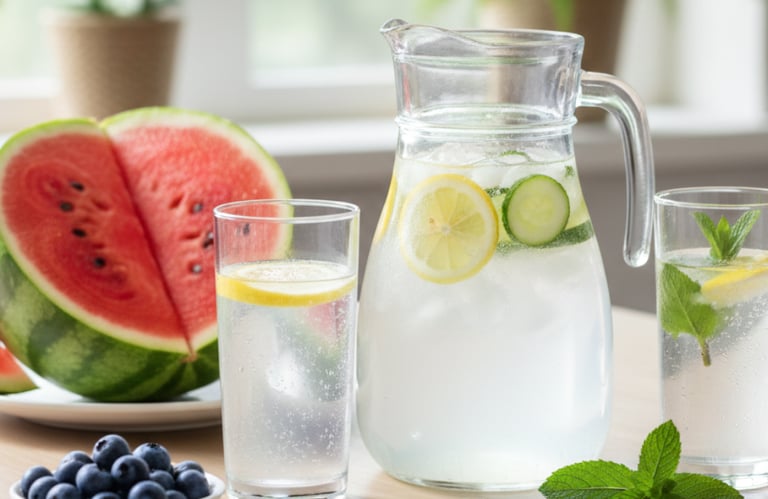
The Complete Guide to Hydration: More Than Just Water for Optimal Health
Discover how hydrating foods can boost your water intake naturally! Learn which fruits and vegetables contain 90%+ water and support your health while keeping you refreshed and energized.
by WellnessWithForever
12/29/202541 min read


Did you know that by the time you feel thirsty, you're already dehydrated? Your body is approximately 60% water, and even mild dehydration—losing just 1-2% of your body's water content—impairs physical performance, cognitive function, mood, and virtually every physiological process. The concerning reality? Up to 75% of people are chronically underhydrated, unknowingly operating at suboptimal levels every single day.
Thirst is a late-stage indicator, not an early warning system. Your body has been compensating for water deficit long before that dry-mouth sensation kicks in. By the time you notice thirst, your cells have already been struggling with inadequate hydration for hours.
Chronic low-level dehydration has become so normalized in modern society that it feels "normal." Most people can't remember the last time they felt truly, optimally hydrated. They've adapted to feeling suboptimal—accepting persistent fatigue, afternoon energy crashes, chronic headaches, dry aging skin, digestive issues, joint pain, and brain fog as just "how they are" or "getting older."
The consequences of chronic dehydration extend far beyond occasional thirst or fatigue. Poor hydration contributes to kidney stones, urinary tract infections, constipation, dry premature aging of skin, sluggish metabolism, impaired detoxification, joint pain and stiffness, poor exercise recovery, and increased disease risk. When your cells lack adequate water, every system in your body suffers.
But here's the critical insight that changes everything: drinking plain water alone doesn't equal cellular hydration. True optimal hydration requires adequate water intake plus electrolyte balance for absorption, minerals that help cells retain water, and specific compounds—like those found in aloe vera—that enhance hydration at the cellular level.
Forever Living products offer science-backed solutions for achieving optimal hydration beyond what water alone can provide. Forever Aloe Vera Gel contains mucopolysaccharides that enhance cellular water absorption and retention. Forever Active Boost provides essential electrolytes for proper hydration. Combined with hydrating foods and lifestyle strategies, these products help you achieve the cellular hydration your body desperately needs.
Key Takeaways
By the time you feel thirsty, you're already 1-2% dehydrated
Up to 75% of people are chronically underhydrated without realizing it
Your body is 60% water; every biochemical reaction occurs in aqueous environments
Drinking water alone doesn't guarantee cellular hydration—you need electrolytes and supportive compounds
Optimal hydration requires water + electrolytes + cellular support + hydrating foods
Most people notice significant improvements within 2-4 weeks of proper hydration
Understanding Your Body's Water Composition
Before you can optimize hydration, you need to understand just how dependent your body is on water. You're not just made partly of water—you're essentially a sophisticated water-based organism with some solid components mixed in.
Recognizing how fundamental water is to every bodily function helps you prioritize hydration appropriately.
Your Body Is Essentially Water
The average adult body is approximately 60% water by weight, but this percentage varies based on age, sex, and body composition. Infants are about 75% water, elderly adults may be closer to 50%, and muscular individuals have higher percentages than those with more body fat (muscle tissue contains more water than fat tissue).
Breaking down your body's water content reveals just how water-dependent you are: your brain and heart are 73% water, your lungs are 83% water, your muscles and kidneys are 79% water, your skin is 64% water, and even your bones are 31% water. Your blood is 90% water, serving as the primary transport system for nutrients, oxygen, hormones, and waste products throughout your body.
Water isn't randomly distributed—it's carefully compartmentalized. About two-thirds of your body's water is intracellular (inside cells), while one-third is extracellular (in blood plasma, lymph, and between cells). This precise distribution is essential for cellular function, nutrient delivery, waste removal, and maintaining the electrical gradients necessary for nerve signals and muscle contractions.
When you become dehydrated, these compartments shrink, and the careful balance is disrupted. Blood volume decreases, forcing your heart to work harder. Cells become dehydrated, impairing their function. The spaces between cells lose fluid, affecting nutrient and waste exchange. Every system suffers.
Critical Functions That Depend on Adequate Hydration
Temperature regulation: Water has exceptional heat capacity, allowing your body to maintain stable core temperature despite external temperature fluctuations and metabolic heat production. Sweating (evaporative cooling) is your primary temperature control mechanism, and it requires adequate hydration to function. When dehydrated, your ability to regulate temperature becomes impaired, increasing risk of heat exhaustion or heat stroke in hot conditions.
Nutrient transport and delivery: Blood is 90% water. Every nutrient—vitamins, minerals, glucose, amino acids, fatty acids—travels through your bloodstream dissolved in water-based plasma. Dehydration reduces blood volume, thickening your blood and impairing nutrient delivery to cells throughout your body. Even if you're eating a perfect diet, cells can't receive those nutrients efficiently when you're dehydrated.
Waste removal and detoxification: Your kidneys filter approximately 200 quarts of blood daily, removing waste products and toxins dissolved in urine. Inadequate hydration concentrates these waste products, increasing risk of kidney stone formation and impairing your body's ability to eliminate toxins. Your liver, skin, lungs, and intestines also depend on adequate water for effective waste removal.
Cellular communication: Electrical signals between cells—including nerve impulses, hormonal messages, and immune responses—depend on proper fluid balance and electrolyte concentrations. Dehydration disrupts these signals, affecting everything from muscle contraction to cognitive processing to immune function.
Joint lubrication and cushioning: Synovial fluid in joints is primarily water. Cartilage is about 80% water. When dehydrated, joint lubrication decreases, increasing friction, discomfort, and injury risk. This is why dehydration often manifests as joint pain or stiffness, particularly in the morning after overnight fluid loss.
Digestive function: Saliva production, stomach acid secretion, enzyme activity, nutrient absorption, and bowel regularity all depend on adequate hydration. Chronic dehydration is a primary contributor to constipation, as your colon absorbs excess water from stool to compensate for overall fluid deficit. The entire digestive process from swallowing to elimination requires proper hydration.
Cognitive performance: Your brain is 73% water, making it exceptionally sensitive to hydration status. Even mild dehydration (1-2% body water loss) impairs attention, memory, mood, and cognitive processing speed. Brain imaging studies show that dehydration causes temporary brain tissue shrinkage, making mental tasks more difficult and requiring greater brain activation to achieve the same performance level.
Physical performance: Dehydration reduces blood volume, forcing your heart to work harder to circulate oxygen and nutrients to working muscles. This decreases endurance, strength, power output, and increases perceived exertion—exercise feels harder when you're dehydrated. Losing just 2% of body weight through sweat significantly impairs athletic performance.
Skin health and appearance: Your skin is approximately 64% water. Adequate hydration maintains skin elasticity, plumpness, and resilience. Chronic dehydration contributes to dryness, fine lines, premature wrinkles, and accelerated visible aging. No amount of expensive topical products can compensate for chronic internal dehydration.
Metabolic function: Water is directly involved in metabolic reactions, including the breakdown of carbohydrates, fats, and proteins for energy. Dehydration can slow metabolism by up to 2%, affecting weight management and energy production. Water also helps suppress appetite—many people mistake thirst for hunger.
Understanding that water is involved in literally every bodily function makes the importance of optimal hydration crystal clear. You cannot achieve optimal health while chronically dehydrated—it's physiologically impossible.
How Much Water Do You Actually Need?
The often-repeated "8 glasses a day" recommendation is oversimplified and not based on rigorous science. Individual hydration needs vary dramatically based on multiple factors, and a one-size-fits-all approach doesn't account for this variation.
Understanding what influences your personal hydration needs helps you determine your optimal intake.
Factors Affecting Your Hydration Needs
Body size and composition: Larger bodies require more water simply because there's more mass to hydrate. Additionally, muscle tissue contains more water than fat tissue (muscle is about 75% water, fat is about 10% water), so more muscular individuals need proportionally more hydration.
Activity level: Physical activity increases water loss through sweat and increased respiration. Light exercise might add 1-2 cups to your daily needs, while intense exercise can increase fluid requirements by 2-4+ cups per hour, depending on duration, intensity, and environmental conditions.
Climate and environment: Hot, humid conditions increase sweat production dramatically. Hot, dry conditions also increase losses through both sweat and respiration. High altitude increases respiratory water loss as you breathe faster in thin air. Air-conditioned or heated indoor environments can be surprisingly dehydrating, creating dry air that increases insensible water loss through skin and breathing.
Diet composition: High-protein diets increase water needs because your kidneys require more water to eliminate the nitrogen waste products from protein metabolism. Salty foods increase fluid requirements. Caffeinated and alcoholic beverages have mild diuretic effects (though less than commonly believed for regular caffeine consumers who develop tolerance). Conversely, water-rich foods (fruits, vegetables) contribute significantly to hydration.
Health status: Fever increases fluid needs (about 1 cup per day for each degree above normal temperature). Vomiting and diarrhea cause rapid fluid losses that must be replaced. Certain medications, particularly diuretics, increase urination and fluid requirements. Pregnancy and breastfeeding significantly increase hydration needs (an additional 2-3 cups daily for pregnancy, 3-4 cups for breastfeeding).
Age: Older adults face unique hydration challenges. Thirst sensation decreases with age, kidney concentration ability declines (requiring more water to excrete the same waste), and medications often affect fluid balance. Despite potentially lower total water needs, many older adults are chronically dehydrated because they don't feel thirsty.
Evidence-Based Hydration Guidelines
Instead of arbitrary cup counts, use these evidence-based approaches:
General baseline (from National Academies of Sciences): Men need about 15.5 cups (3.7 liters) of total water daily. Women need about 11.5 cups (2.7 liters) of total water daily. This includes water from all beverages and foods—about 20% of water intake typically comes from food.
Practical daily fluid goals: Men should aim for 12-13 cups (96-104 ounces) of total fluids from beverages. Women should aim for 9-10 cups (72-80 ounces) of total fluids from beverages. Increase by 1-2 cups for each hour of intense exercise, hot weather exposure, or other factors that increase losses.
Personalized calculation: A useful individualized approach is to aim for approximately half your body weight in ounces of water daily as a baseline. For example: a 150-pound person would target 75 ounces (about 9 cups) baseline, a 200-pound person would target 100 ounces (about 12 cups) baseline. Then adjust upward based on activity, climate, and other factors.
Better Than Cup Counting: Listen to Your Body
The most reliable indicator of hydration status isn't counting cups—it's monitoring your body's signals:
Urine color (the gold standard): Pale yellow or lemonade color indicates good hydration. Dark yellow or apple juice color indicates dehydration. Clear or colorless urine may indicate overhydration (or B vitamin supplementation). Dark amber urine indicates significant dehydration. Check your first morning urine (which will be more concentrated from overnight) and throughout the day. Aim for pale yellow most of the time.
Urination frequency: Well-hydrated people typically urinate every 2-4 hours during waking hours, about 6-8 times daily. Less frequent urination may indicate insufficient intake, though individual variation is normal.
Additional hydration indicators: Energy levels—fatigue is often an early sign of dehydration. Headaches—very common with dehydration. Dry mouth and lips—though this is a relatively late indicator. Skin turgor—pinch the skin on the back of your hand; it should snap back quickly if well-hydrated. Thirst—remember, by the time you're thirsty, you're already mildly dehydrated. Mental clarity—brain fog often improves dramatically with proper hydration. Exercise performance—decreased endurance or strength may indicate dehydration.
The goal is pale yellow urine, regular urination throughout the day, good sustained energy, clear thinking, and absence of dehydration symptoms—not hitting a specific number of cups.
Why Water Alone Isn't Enough: The Electrolyte Factor
Here's a critical concept many people miss: drinking plain water doesn't automatically equal cellular hydration. You can drink gallon after gallon of water and still experience dehydration symptoms if your body can't properly absorb and retain that water at the cellular level.
This is where electrolytes become essential, and understanding this mechanism changes everything about how you approach hydration.
What Are Electrolytes and Why Do They Matter?
Electrolytes are minerals that carry electrical charges and dissolve in body fluids. The primary electrolytes are sodium (Na+), potassium (K+), magnesium (Mg2+), calcium (Ca2+), chloride (Cl-), phosphate (PO4 3-), and bicarbonate (HCO3-).
These charged particles are absolutely critical for: water absorption and retention at the cellular level, fluid balance between cells and bloodstream, nerve signal transmission (electrical impulses), muscle contraction including your heartbeat, pH balance (acid-base regulation), and nutrient transport across cell membranes.
Without adequate electrolytes, water cannot be properly absorbed, retained, or utilized by your cells. This is why you can be drinking water constantly yet still feel dehydrated—the water isn't getting where it needs to go.
The Sodium-Water Connection: The Absorption Mechanism
Here's the key mechanism: sodium is the primary electrolyte that helps your body absorb and retain water. This is fundamental to understanding cellular hydration.
When you drink plain water without adequate sodium, several problems occur: water can pass through your digestive system without being properly absorbed into your bloodstream. Your kidneys may excrete excess water to maintain electrolyte balance, actually worsening hydration status. Cells cannot adequately absorb water from your bloodstream. The osmotic balance necessary for cellular hydration is disrupted.
This is why: athletes who drink only plain water during prolonged exercise can develop hyponatremia (dangerously low sodium levels), people who "drink tons of water" but still feel dehydrated often lack adequate electrolytes, and electrolyte-containing beverages (like sports drinks or coconut water) hydrate more effectively than plain water alone in many situations.
The small intestine uses sodium-glucose cotransport to absorb water. Sodium ions create an osmotic gradient that literally pulls water across the intestinal lining into your bloodstream. Without adequate sodium, this mechanism doesn't work efficiently, and water passes through without being absorbed.
The Potassium Partnership: Cellular Retention
While sodium helps water enter your bloodstream from the digestive tract and helps maintain extracellular fluid volume, potassium helps cells retain that water and maintain proper intracellular hydration.
The sodium-potassium pump is a cellular mechanism that actively transports sodium out of cells and potassium into cells. This creates the electrical gradient necessary for nerve impulse transmission, muscle contraction, cellular hydration balance, and nutrient absorption into cells.
Modern diets typically contain excessive sodium (from processed foods) but inadequate potassium (which requires fresh fruits and vegetables). This imbalance impairs cellular hydration and contributes to high blood pressure, kidney stress, and cellular dysfunction.
The optimal ratio is approximately 2:1 potassium to sodium intake. Most people consume far more sodium than potassium, creating an inflammatory, dehydrating internal environment.
Magnesium: The Overlooked Hydration Hero
Magnesium is involved in over 300 enzymatic reactions, including those that regulate fluid balance. It helps convert food into cellular energy (ATP), supports muscle relaxation (preventing cramps), regulates electrolyte transport across cell membranes, maintains calcium and potassium balance, and supports proper nerve function.
Many people are deficient in magnesium due to soil depletion (foods contain less than they used to), processed food consumption (refining removes magnesium), inadequate intake of magnesium-rich foods (leafy greens, nuts, seeds, whole grains), and stress (which depletes magnesium).
Magnesium deficiency contributes to muscle cramps (a common sign of electrolyte imbalance), fatigue and weakness, irregular heartbeat, and poor hydration despite adequate water intake.
Signs You Need Electrolytes, Not Just Water
Muscle cramps or spasms: Especially during or after exercise, this usually indicates electrolyte imbalance, particularly sodium, potassium, or magnesium deficiency.
Drinking lots of water but still feeling thirsty: If you're constantly drinking water but never feel hydrated, you likely need electrolytes to help your body actually use that water.
Frequent urination with clear urine: If you're urinating constantly with completely clear urine, you may be overhydrated with plain water and actually flushing out minerals, making cellular dehydration worse.
Headaches despite drinking water: Headaches that don't improve with water intake often indicate electrolyte imbalance rather than simple dehydration.
Fatigue that doesn't improve with hydration: If increasing water intake doesn't improve energy, electrolyte deficiency may be the issue.
Dizziness when standing up: Orthostatic hypotension (dizziness upon standing) can indicate electrolyte imbalance affecting blood pressure regulation.
Heart palpitations or irregular heartbeat: Electrolytes, particularly potassium and magnesium, are essential for normal heart rhythm.
Poor exercise recovery: Slow recovery after workouts often indicates inadequate electrolyte replacement.
If you're experiencing these symptoms despite drinking adequate water, adding electrolytes can make a dramatic difference in how you feel and function.
Forever Living Hydration Solutions: Enhanced Cellular Hydration
While drinking adequate water and consuming electrolyte-rich foods form the foundation of hydration, certain supplements can significantly enhance your body's ability to absorb, utilize, and retain hydration at the cellular level.
Forever Living offers specialized products designed to optimize hydration beyond what water alone can achieve.
Forever Aloe Vera Gel: The Cellular Hydration Enhancer
Forever Aloe Vera Gel isn't just moisturizing on your skin—when consumed internally, it provides remarkable hydration support at the cellular level through its unique composition of over 200 bioactive compounds.
What makes aloe vera unique for hydration: Aloe vera contains mucopolysaccharides (particularly acemannan) that help the body absorb and retain water more effectively at the cellular level. These compounds increase the bioavailability of water and nutrients, making the hydration you consume more effective.
Key hydration benefits:
Enhanced water absorption: The mucopolysaccharides in aloe vera help your digestive tract absorb water more efficiently. Since approximately 70-80% of water absorption occurs in the small and large intestines, supporting digestive health directly impacts overall hydration status.
Electrolyte content: Aloe vera naturally contains essential electrolytes including potassium, sodium, magnesium, and calcium. These minerals support optimal fluid balance and cellular hydration alongside the water you're consuming.
Digestive support: Since the vast majority of water absorption happens in your intestines, digestive health is fundamental to hydration. Aloe vera soothes the digestive tract lining, supports gut barrier integrity, and enhances nutrient absorption—all contributing to better overall hydration and nutrient utilization.
Vitamin and mineral delivery: Aloe vera contains vitamins A, C, E, and B vitamins, plus minerals like calcium, magnesium, potassium, and zinc. These nutrients support cellular function and hydration status throughout the body, ensuring cells have what they need to maintain proper fluid balance.
Amino acids: Aloe provides 20 of the 22 amino acids your body needs, including 7 of the 8 essential amino acids. These protein building blocks support cellular structure and function, including the proteins that regulate water transport into and out of cells.
Anti-inflammatory properties: Aloe's anti-inflammatory compounds reduce digestive inflammation that could impair water absorption. By maintaining a healthy gut lining, aloe ensures maximum hydration from the water you consume.
How to use Forever Aloe Vera Gel: Drink 60-120ml (2-4 ounces) twice daily—first thing in the morning before breakfast and again in the afternoon or evening. This provides consistent cellular hydration support throughout the day.
Take it on an empty stomach when possible for maximum absorption. The compounds in aloe vera are most effective when they can interact directly with your digestive tract lining without competition from food.
Most people notice improved hydration, digestive comfort, and energy within 3-7 days of consistent use. The benefits build over time as gut health improves and cellular hydration optimizes.
Why Forever's aloe is superior: Forever Living's stabilized aloe vera gel maintains the beneficial compounds found in fresh aloe through a proprietary stabilization process, ensuring potency and effectiveness. The gel is 99.7% pure inner leaf aloe vera, providing maximum benefit in every serving. Many cheaper aloe products are heavily diluted, contain primarily the outer leaf (which has laxative effects), or have been processed in ways that destroy beneficial compounds.
Forever Aloe Peaches: Hydration with Flavor and Function
For those who struggle to drink plain aloe or water, Forever Aloe Peaches provides the same cellular hydration benefits of Aloe Vera Gel with delicious natural peach flavor and added vitamin C.
Additional benefits: Vitamin C supplementation provides 100% Daily Value per serving, supporting immune function, collagen production (important for skin and connective tissue hydration), and antioxidant protection. Natural peach flavor makes daily hydration more enjoyable and sustainable for people who find plain aloe unappealing.
This is perfect for people who find plain aloe gel unappealing in taste, want vitamin C support along with hydration, prefer flavored beverages over plain water, or are looking to replace sugary drinks with functional hydration.
Many people find that alternating between original Aloe Vera Gel and Aloe Peaches provides variety while maintaining consistent aloe intake, or choosing whichever you'll actually drink consistently is most important—the best hydration product is the one you'll use daily.
Forever Aloe Bits n' Peaches: Textured Hydration Experience
Forever Aloe Bits n' Peaches takes hydration further by including pieces of aloe vera leaf for added texture and even more concentrated aloe content.
Unique benefits: Aloe vera pieces provide additional fiber and concentrated aloe compounds. Enhanced mouthfeel makes drinking more satisfying for people who enjoy textured beverages (like pulp in orange juice). Higher aloe concentration per serving provides extra hydration-supporting compounds. Peach flavor with natural sweetness makes it pleasant to consume. Vitamin C fortification provides immune and antioxidant support.
The aloe pieces contain concentrated gel from the inner leaf, providing extra mucopolysaccharides and other hydration-supporting compounds in each serving.
Who benefits most: People who enjoy textured beverages, those wanting maximum aloe vera content per serving, anyone looking for a more substantial hydrating drink, or people replacing soda or juice with functional alternatives.
Forever Pomesteen Power: Antioxidant Hydration
Forever Pomesteen Power combines aloe vera with exotic fruits (pomegranate, pear, mangosteen, raspberry, blackberry, blueberry, and grape seed) for hydration plus powerful antioxidant support.
Hydration + antioxidant benefits: Aloe vera base provides cellular hydration support. Xanthones from mangosteen are powerful antioxidants with anti-inflammatory properties. Ellagic acid from pomegranate provides antioxidant and anti-inflammatory effects. Anthocyanins from berries offer protective antioxidant compounds. Natural fruit electrolytes from diverse fruit sources support hydration.
This formula addresses both hydration and oxidative stress—important because dehydration can increase oxidative damage to cells, while oxidative stress can impair cellular hydration. The relationship is bidirectional.
When to choose Pomesteen Power: You want antioxidant protection along with hydration. You experience high oxidative stress (intense training, environmental exposure, aging). You enjoy exotic fruit flavors. You're looking for a functional beverage with multiple health benefits beyond basic hydration.
Forever Freedom: Hydration + Joint Support
Forever Freedom combines aloe vera with glucosamine, chondroitin, and MSM—targeting hydration alongside joint health.
Why this matters for hydration: Remember that cartilage is approximately 80% water and synovial fluid is primarily water. Joint health depends on adequate hydration. This formula provides aloe vera for overall cellular hydration, glucosamine and chondroitin for cartilage structural support, MSM (methylsulfonylmethane) for joint comfort and flexibility, and vitamin C for collagen synthesis.
Since joint lubrication and cartilage health both depend on adequate hydration, this formula addresses joint health from both structural (glucosamine, chondroitin) and hydration (aloe, water) perspectives.
Best for: Athletes and active individuals who need joint support. People with joint discomfort or stiffness. Anyone over 40 (when natural cartilage degradation accelerates). Those wanting joint support alongside daily hydration.
Forever Active Boost: Electrolyte Energy Hydration
While the aloe-based drinks provide cellular hydration support, Forever Active Boost specifically targets electrolyte replacement and energy—perfect before, during, or after physical activity.
Key electrolytes: Sodium (helps water absorption from digestive tract), potassium (helps cells retain water), magnesium (supports muscle function and fluid balance), and calcium (essential for muscle contraction).
Additional benefits: B vitamins for energy metabolism and cellular function. Vitamin C for antioxidant protection and immune support. Carbohydrates for quick energy during activity. Natural caffeine from guarana provides alertness without jitters.
When to use Active Boost:
Before exercise: Prepare your body with electrolytes and energy, ensuring you start workouts properly hydrated at the cellular level.
During prolonged activity: Replace minerals lost through sweat during extended exercise (longer than 60 minutes) or high-intensity sessions.
After exercise: Replenish electrolytes and support recovery after workouts, particularly important for intense or long-duration training.
Hot weather: Prevent dehydration during heat exposure when sweat losses are significant.
Travel: Combat dehydration from flying (airplane cabins are extremely dry) or long drives.
Busy days: When you need sustained energy and proper hydration throughout demanding schedules.
This is the product to reach for during workouts, hikes, hot weather, travel, or any situation where you'll be sweating significantly or need enhanced hydration plus energy support.
How to Combine Forever Living Hydration Products
My personal hydration protocol:
Morning (upon waking): 60-120ml Forever Aloe Vera Gel or Aloe Peaches, followed by 16-20 ounces water within 30 minutes. This rehydrates after overnight fast and supports morning digestion.
Mid-Morning: Forever Active Boost if exercising or have an active day ahead. Provides electrolytes and energy for optimal performance.
Afternoon: 60-120ml Forever Aloe Vera Gel or Pomesteen Power, followed by 16-20 ounces water. Maintains hydration and provides antioxidant support.
During Exercise: Forever Active Boost mixed with water, sipped throughout workout. Replaces electrolytes and sustains energy.
Evening: Forever Freedom (for joint support) OR second serving of aloe product. Supports overnight hydration and recovery.
Throughout day: Plain water between aloe/electrolyte servings. Aim for pale yellow urine as indicator of proper hydration.
This comprehensive approach provides cellular hydration (aloe vera compounds), electrolyte balance (Active Boost minerals), antioxidant protection (Pomesteen Power), joint support (Freedom formula), digestive comfort (aloe's soothing properties), and consistent fluid intake (plain water).
You don't need all products—choose based on your specific needs and goals. Even just adding Forever Aloe Vera Gel twice daily significantly enhances overall hydration beyond plain water alone.
The key is consistency. Pick the products that fit your lifestyle and preferences, then use them daily. Sporadic use provides minimal benefit—hydration is an ongoing need that requires ongoing support.
15 Hydrating Foods to Eat Daily
While drinking adequate fluids is essential, approximately 20% of your daily water intake should come from foods. Water-rich foods provide hydration plus vitamins, minerals, electrolytes, and fiber that support overall health and fluid balance.
Food-based hydration offers advantages that plain water cannot: nutrients support cellular function, electrolytes enhance water absorption and retention, fiber supports digestive health (important for water absorption), and phytonutrients provide additional health benefits.
Ultra-High Water Content (90%+ water)
Cucumbers (96% water): Extremely refreshing and hydrating, cucumbers are perfect for summer or anytime you need serious hydration. They contain potassium, magnesium, and vitamin K. With extremely low calories and high volume, they're great for satiety and weight management. Add to salads, infused water, or eat as crunchy snacks with hummus.
Lettuce (95% water): Iceberg lettuce has the highest water content but lowest nutrients. Romaine and butterhead offer better balance of hydration plus vitamins. All varieties provide folate, vitamin K, and vitamin A. Perfect as base for salads, wraps, and sandwiches.
Celery (95% water): Crunchy texture makes hydration satisfying and enjoyable. Good source of potassium and vitamin K. Contains beneficial plant compounds including apigenin. Perfect with nut butter, in soups, or juiced for concentrated hydration.
Radishes (95% water): Spicy, crisp, and refreshing with a unique flavor profile. Provide vitamin C and antioxidants. Support digestive function with their fiber content. Add to salads, pickle them, or eat raw as a snack.
Tomatoes (94% water): Rich in lycopene, a powerful antioxidant especially concentrated when tomatoes are cooked. Good source of vitamin C and potassium. Contain electrolytes that support hydration. Eat fresh in salads, cooked in sauces, or as juice.
Zucchini (94% water): Mild flavor makes it versatile for many recipes. Contains potassium, vitamin C, and vitamin A. Low calorie and nutrient-dense for overall health. Spiralize for "zoodles," grill, roast, or add to soups.
Watermelon (92% water): Extremely hydrating and refreshing, especially in summer heat. Contains lycopene, vitamin C, and vitamin A. Natural source of L-citrulline which supports circulation. Electrolyte content helps with absorption. Perfect as a snack, in smoothies, or grilled for unique flavor.
Strawberries (91% water): Sweet, satisfying hydration that feels like a treat. Excellent source of vitamin C (more than oranges per serving). Contain antioxidants and fiber for digestive health. Eat fresh, blend into smoothies, or freeze for later.
High Water Content (85-90% water)
Grapefruit (88% water): Tart, refreshing citrus with substantial hydration. High in vitamin C and antioxidants for immune function. Supports metabolism and blood sugar regulation. Eat fresh or juice (but check medication interactions—grapefruit affects many drugs).
Cantaloupe (90% water): Sweet, hydrating melon perfect for breakfast or snacks. Excellent source of vitamins A and C for immune and skin health. Contains potassium for electrolyte balance. Perfect in fruit salads or as post-workout recovery food.
Peaches (89% water): Juicy summer fruit that provides serious hydration. Good source of vitamins C and A for antioxidant protection. Contains potassium and fiber for digestive health. Eat fresh, add to smoothies, or grill for dessert.
Oranges (87% water): Classic hydrating citrus fruit rich in vitamin C. Provide folate and potassium for cellular function. Contain fiber (when eating whole fruit vs. juice). Eat fresh segments or juice (whole fruit preferred for fiber retention).
Bell Peppers (92% water): Crunchy, sweet vegetables with exceptional hydration. Red peppers have more vitamin C than oranges per serving. Good source of vitamin A and antioxidants. Eat raw for maximum vitamin C, roasted, or sautéed.
Moderate-High Water Content (80-85% water)
Pineapple (86% water): Tropical hydration with sweet, tangy flavor. Contains bromelain, a digestive enzyme that supports protein digestion. Good source of vitamin C and manganese. Eat fresh, grilled for caramelized sweetness, or blended in smoothies.
Spinach (91% water when cooked): Nutrient-dense leafy green with substantial hydration. Excellent source of vitamin K, folate, and iron. Contains magnesium and potassium for electrolyte balance. Add to salads raw, smoothies, or sauté as a side dish.
Honorable Mentions: Other Highly Hydrating Foods
Plain yogurt (85-88% water): Provides hydration plus probiotics for gut health, protein for satiety and muscle support, and calcium for bone health. Choose unsweetened varieties and add your own fruit.
Skim milk (91% water): Hydration plus calcium and vitamin D (if fortified), protein for sustained energy, and natural electrolytes. Whole milk has slightly less water but more nutrients.
Coconut water (95% water): Natural electrolyte beverage with potassium-rich composition, lower sugar than sports drinks, and refreshing tropical flavor. Great for post-exercise hydration.
Soups and broths (92%+ water): Hydrating plus nourishing with minerals from bones/vegetables, warming comfort during cold weather, and easy to digest when feeling unwell.
Berries (blueberries, raspberries: 85-88% water): Antioxidants plus hydration, fiber for digestive health, and relatively low sugar compared to other fruits.
How to Incorporate Hydrating Foods Daily
Breakfast ideas: Smoothie with spinach, berries, and coconut water provides hydration, nutrients, and energy. Yogurt parfait with strawberries and melon combines protein, probiotics, and hydration. Omelet with bell peppers, tomatoes, and spinach delivers protein plus hydrating vegetables.
Lunch ideas: Large salad with lettuce, cucumber, tomatoes, bell peppers provides maximum hydration from food. Vegetable soup with zucchini, celery, and tomatoes warms you while hydrating. Wrap with lots of fresh vegetables adds crunch and hydration to meals.
Snack ideas: Watermelon or cantaloupe slices refresh between meals. Cucumber and bell pepper sticks with hummus provide satisfying crunch. Fresh strawberries or oranges offer sweet hydration. Celery with almond butter combines healthy fat with hydration.
Dinner ideas: Zucchini noodles with tomato sauce replaces pasta with hydration. Grilled vegetables (peppers, zucchini, tomatoes) pair perfectly with protein. Salad alongside main protein adds volume and hydration. Vegetable-based soup as starter primes digestion.
Goal: Include at least 3-5 servings of high-water-content foods with each meal. This provides hydration, electrolytes, vitamins, minerals, and fiber—supporting overall fluid balance beyond just drinking water.
The combination of drinking adequate fluids (plain water, Forever aloe products, electrolyte beverages) plus eating water-rich foods creates optimal hydration from multiple sources. This diverse approach ensures you're not just drinking water, but actually hydrating your cells effectively.
Lifestyle Factors That Impact Hydration
Beyond how much you drink and what you eat, several lifestyle factors dramatically affect your hydration status. Understanding and optimizing these factors helps you maintain better hydration with less conscious effort.
Addressing these lifestyle elements creates a foundation for sustained optimal hydration.
Exercise and Physical Activity: Adjusting for Increased Losses
How activity affects hydration: Increased sweat production causes water and electrolyte loss that must be replaced. Elevated respiratory rate increases water vapor loss through breathing. Higher metabolic rate increases water needed for cellular processes. Muscle glycogen depletion releases stored water that must be replenished.
Hydration strategy for exercise:
Before: Drink 16-20 ounces of water 2-3 hours before exercise to ensure you start properly hydrated. Drink 8 ounces of water 20-30 minutes before starting activity. Consider Forever Active Boost before workouts for electrolyte preload, especially for intense or prolonged exercise.
During: Drink 7-10 ounces every 10-20 minutes during activity—don't wait until you're thirsty. For exercise longer than 60 minutes, include electrolytes (Active Boost) to replace minerals lost in sweat. For intense or long workouts, consume 16-32 ounces per hour depending on sweat rate and conditions.
After: Drink 16-24 ounces for every pound of body weight lost through sweat—weigh yourself before and after if possible. Include electrolytes in recovery drink to optimize rehydration. Continue hydrating for 2-3 hours post-exercise until urine color returns to pale yellow. Forever Freedom provides hydration plus joint recovery support after demanding workouts.
Signs you need more during exercise: Decreased performance or endurance despite adequate training. Muscle cramps or spasms during or after activity. Excessive fatigue beyond normal workout difficulty. Dizziness or lightheadedness during exercise. Dark urine after workout indicates insufficient hydration during activity. Headache developing during or shortly after exercise.
Athletes and highly active individuals may need 3-4+ liters of fluid daily, significantly more than sedentary baseline recommendations. Individual sweat rates vary enormously—some people lose 2-3+ liters per hour of intense exercise, while others lose far less.
Climate and Environment: Adapting to Conditions
Heat increases hydration needs through: Increased sweat production for evaporative cooling. Higher metabolic rate in hot conditions. Greater respiratory water loss when breathing harder to cool down.
Cold also affects hydration: Reduced thirst sensation makes you feel less thirsty when cold, even though you still need water. Increased respiratory water loss from breathing cold, dry air (you can see this as visible "breath fog"). Increased urine production in cold environments (cold-induced diuresis). People often forget to hydrate in winter, assuming they don't need as much water.
Altitude increases needs: Greater respiratory water loss due to faster breathing in thin air. Increased urine production at high altitude. Higher metabolic rate requires more water for cellular processes.
Dry indoor air (heating/AC): Increases insensible water loss through skin evaporation. Dries mucous membranes in nose, throat, and respiratory tract. Contributes to dehydration without obvious sweating. Indoor humidity is often 10-20% in winter (Sahara Desert is about 25%!).
Hydration adjustments: Hot weather: Add minimum 1-2 cups per day, more with activity or extreme heat. Cold weather: Consciously drink despite reduced thirst—set reminders if needed. Altitude: Increase by 1-2 cups baseline, monitor urine color closely as altitude affects kidney function. Dry indoor air: Keep water accessible at all times, use a humidifier if possible (especially bedrooms).
Sleep Quality and Duration: The Hydration-Sleep Connection
Poor sleep impairs hydration in multiple ways:
Hormonal disruption: Vasopressin (antidiuretic hormone) helps kidneys retain water overnight, preventing excessive nighttime urination. Sleep deprivation disrupts vasopressin release, leading to increased nighttime urination and morning dehydration. This creates a vicious cycle where poor sleep causes dehydration, and dehydration impairs sleep.
Increased cortisol: Sleep deprivation elevates stress hormone cortisol, which can affect fluid balance and electrolyte regulation.
Reduced recovery: Sleep is when cellular repair and hydration balance are optimized. Poor sleep impairs these processes, affecting overall hydration status.
Hydration strategy for better sleep: Stop drinking large amounts 1-2 hours before bed to minimize nighttime urination (which disrupts sleep quality). Hydrate well during the day so you're not trying to "catch up" at night. Take morning aloe vera gel to help rehydrate after overnight fast. Consider magnesium supplementation before bed—supports sleep quality and hydration balance. Aim for 7-9 hours of quality sleep for optimal hormonal balance.
The relationship is bidirectional: poor sleep impairs hydration, and dehydration impairs sleep. Optimizing one helps the other.
Stress and Cortisol: The Hydration-Stress Connection
Chronic stress affects hydration through:
Elevated cortisol: Affects kidney function and fluid retention. Can cause electrolyte imbalances, particularly sodium and potassium. Increases inflammation, which affects cellular hydration.
Altered behavior: Stressed people often forget to drink adequately or ignore thirst signals. May increase caffeine intake (mild diuretic effect). May drink more alcohol (dehydrating and disrupts sleep).
Digestive impact: Stress impairs digestion and nutrient absorption. Reduces water absorption in intestines. May cause diarrhea (rapid fluid loss) or constipation (inadequate fluid).
Hydration + stress management: Prioritize consistent water intake even when busy or stressed—set phone reminders if needed. Forever Aloe Vera Gel supports digestive comfort during stressful periods. Magnesium helps manage stress response and supports hydration (found in nuts, seeds, leafy greens, or supplement). Limit caffeine and alcohol when stressed—both can worsen hydration status. Practice stress reduction techniques: meditation, deep breathing, exercise, time in nature. Adaptogenic herbs in some supplements support stress resilience.
Caffeine and Alcohol Consumption: Understanding the Impact
Caffeine: Has mild diuretic effect, slightly increasing urine production. Effect diminishes with regular consumption as tolerance develops. Moderate intake (1-3 cups coffee daily) has minimal net dehydrating impact in habitual users. Excessive intake (4+ cups) can contribute to dehydration. Strategy: For every cup of coffee/tea, drink an additional 8 ounces of water.
Alcohol: Stronger diuretic effect than caffeine—significantly increases urination. Suppresses vasopressin (antidiuretic hormone), causing excessive water loss through urine. Impairs sleep quality, affecting overnight hydration balance and morning recovery. Contributes to "hangover" symptoms (largely dehydration-related). Damages gut health over time, affecting water absorption. Strategy: For every alcoholic drink, consume 8-16 ounces of water. Drink water before bed after alcohol consumption. Take Forever Active Boost for electrolyte replacement. Focus on rehydration next day with water plus electrolytes.
Medication Effects: Adjusting for Drug-Induced Changes
Many common medications affect hydration status:
Diuretics (for blood pressure, heart conditions): Intentionally increase urine production and electrolyte loss. Strategy: Work with doctor on timing, increase electrolyte-rich foods, monitor hydration closely.
Blood pressure medications: Some affect fluid balance. Strategy: Maintain consistent hydration, regular monitoring.
Antihistamines: Cause dry mouth and reduced saliva production. Strategy: Increase water intake, use sugar-free gum or lozenges to stimulate saliva.
Laxatives: Increase water loss through bowel movements. Strategy: Increase fluid intake, address underlying constipation causes (often inadequate fiber and water).
Antibiotics: Some cause diarrhea (fluid loss). Strategy: Take probiotics (Forever Active Probiotic) alongside, increase fluids during treatment.
Always: Discuss hydration strategies with your healthcare provider if taking medications that affect fluid balance. Never stop prescribed medications without medical guidance.
Age-Related Considerations: Special Needs Across the Lifespan
Older adults face unique hydration challenges:
Reduced thirst sensation: Hypothalamus becomes less sensitive to dehydration signals, so they may not feel thirsty despite significant fluid deficit.
Decreased kidney function: Reduced ability to concentrate urine means more water is needed to excrete the same amount of waste.
Multiple medications: Often take several medications that affect fluid balance.
Mobility limitations: May drink less to avoid frequent bathroom trips, or access to water may be physically challenging.
Cognitive changes: May forget to drink regularly or not recognize thirst signals.
Strategy for older adults: Set hydration schedule rather than relying on thirst (e.g., glass of water every 2 hours). Keep water accessible at all times within easy reach. Monitor urine color daily as objective indicator. Forever Aloe Vera Gel provides easy-to-consume hydration support. Hydrating foods at every meal (soups, fruits, vegetables). Caregiver awareness and assistance with hydration monitoring.
Infants and children: Higher surface area to volume ratio means greater proportional insensible losses. Less developed thirst mechanism requires caregiver attention. Rely on caregivers for hydration—cannot self-regulate like adults. Strategy: Offer water frequently throughout the day, provide hydrating foods (watermelon, berries, cucumbers), monitor diaper output (infants) or urine color (children).
Signs of Dehydration: What to Watch For
Understanding dehydration symptoms helps you identify and correct fluid deficits before they become serious. Dehydration exists on a spectrum from mild to life-threatening.
Recognizing early signs allows intervention before severe complications develop.
Mild Dehydration (1-2% body water loss)
Physical signs: Thirst (though this is actually a late indicator—you're already mildly dehydrated when thirsty). Dry mouth and lips becoming noticeable. Slightly darker urine (yellow instead of pale yellow). Reduced urine output—urinating less frequently. Mild fatigue that seems disproportionate to activity.
Cognitive effects: Reduced concentration and mental focus. Mild headache, particularly frontal (forehead area). Slight mood changes like irritability. Decreased alertness and attention span.
Performance impact: Reduced physical endurance (noticeable during exercise). Decreased motivation to continue activities. Higher perceived exertion for same activity level (exercise feels harder than it should).
Action: Drink 16-24 ounces of water immediately. Add electrolytes if exercising or sweating (Forever Active Boost). Resume regular hydration schedule. Most mild dehydration resolves quickly with increased fluid intake.
Moderate Dehydration (3-5% body water loss)
Physical signs: Increased thirst becoming quite noticeable. Very dry mouth and lips, possibly cracked. Dark yellow urine (amber/apple juice color). Significantly reduced urine output—may not urinate for 6-8+ hours. Noticeable fatigue and weakness. Dizziness, especially when standing up quickly. Rapid heartbeat as heart works harder with reduced blood volume. Dry skin with reduced elasticity (skin "tents" when pinched).
Cognitive effects: Difficulty concentrating on tasks. Moderate headache, often persistent. Mood changes including increased irritability and anxiety. Mental fog and confusion beginning to appear.
Performance impact: Significantly impaired physical performance (30-40% reduction possible). Muscle cramps or spasms becoming common. Reduced strength and power output. Prolonged recovery time after activity.
Action: Drink fluids with electrolytes immediately (Forever Active Boost or similar). Consume water-rich foods (watermelon, cucumbers, oranges). Rest in cool environment if overheated. If symptoms don't improve within 1-2 hours of fluid replacement, seek medical attention.
Severe Dehydration (>5% body water loss) - MEDICAL EMERGENCY
Physical signs: Extreme thirst or paradoxically absence of thirst (very bad sign). Very dark urine (dark amber) or no urination for 12+ hours. Sunken eyes becoming visibly apparent. Severe dry mouth, tongue, and skin—skin may feel papery. Rapid heartbeat and breathing as body tries to compensate. Low blood pressure, especially when standing. Fever can develop from dehydration. Complete lack of sweating despite heat (inability to cool body).
Cognitive effects: Severe confusion or delirium—may not know where they are. Extreme irritability or lethargy—personality changes. Loss of consciousness possible. Seizures in extreme cases from electrolyte imbalances.
Performance impact: Inability to perform any physical activity. Risk of heat stroke if in hot environment. Organ failure possible (kidneys, heart). Death is possible with severe untreated dehydration.
Action: THIS IS A MEDICAL EMERGENCY. Call emergency services immediately (911 in US). While waiting for help, give small sips of water if conscious (not large amounts rapidly). Move to cool location immediately. Apply cool (not cold) cloths to skin. Do not give anything by mouth if unconscious. Severe dehydration requires IV fluids and medical monitoring.
Chronic Low-Level Dehydration: The Insidious State
Many people operate in a state of chronic mild dehydration (1-3% deficit) without recognizing it. This subtle, ongoing deficit causes long-term effects:
Long-term effects: Persistent fatigue and low energy that never fully resolves. Chronic headaches occurring multiple times weekly. Ongoing digestive issues including chronic constipation. Dry skin and accelerated visible aging appearance. Joint pain and stiffness, particularly morning stiffness. Poor exercise recovery taking days instead of hours. Decreased cognitive performance becoming "normal." Increased kidney stone and UTI risk. Reduced metabolic function affecting weight management. Compromised immune function with frequent minor illnesses.
The insidious nature: Because the dehydration is constant and gradual, it feels "normal"—people adapt to feeling suboptimal. They assume fatigue is from stress, headaches are genetic, constipation is just their body type, dry skin needs more expensive creams, joint pain is aging. They don't connect these disparate symptoms to the common thread of inadequate hydration.
The revelation: When people finally achieve optimal hydration consistently (proper water intake plus cellular support from aloe vera plus electrolyte balance), they're shocked by how much better they feel. Energy improves dramatically, headaches disappear, digestion normalizes, skin glows naturally, mental clarity sharpens, joint pain resolves. They realize they'd been living with suboptimal function for years, accepting it as normal.
This is why hydration optimization is so transformative—most people have never experienced what optimal cellular hydration actually feels like.
Special Populations at Higher Risk
Who needs extra vigilance: Athletes and highly active individuals (massive sweat losses during training). Outdoor workers (prolonged heat exposure, physical labor). Older adults (reduced thirst sensation, kidney changes, medications). Infants and young children (cannot communicate thirst, depend on caregivers). Pregnant and breastfeeding women (significantly increased needs for fetal development and milk production). People with chronic illnesses (diabetes, kidney disease affect hydration regulation). Those taking certain medications (diuretics, laxatives, others affecting fluid balance). Anyone with fever, vomiting, or diarrhea (acute rapid losses requiring aggressive replacement).
If you're in a higher-risk category, be proactive about hydration rather than waiting for symptoms. Establish schedules, use reminders, monitor urine color regularly, and use supportive products like Forever Aloe Vera Gel and Forever Active Boost.
The Complete 4-Week Hydration Transformation Plan
Optimal hydration isn't achieved overnight—it requires consistent implementation of new habits. This 4-week plan progressively builds sustainable hydration practices that will transform how you feel.
The key is building foundations gradually rather than overwhelming yourself with too many changes at once.
Week 1: Foundation & Awareness
Goal: Establish baseline hydration habits and increase awareness of current status.
Daily Actions:
Morning Routine: Upon waking, drink 60-120ml Forever Aloe Vera Gel on empty stomach. Within 30 minutes, drink 16 ounces of plain water. With breakfast, include one hydrating food (berries, melon, or yogurt).
Throughout Day: Set phone reminders every 2 hours to drink water (until this becomes automatic). Keep water bottle visible on desk or counter as visual reminder. Track water intake using app, tally marks, or water bottle markers. Aim for pale yellow urine by end of week.
Afternoon: Mid-afternoon (2-4 PM), take second serving of Forever Aloe Vera Gel (60-120ml) or Aloe Peaches. Drink 16 ounces of water alongside. Include healthy hydrating snack (cucumber sticks, celery, watermelon).
Evening: With dinner, include large salad or vegetable-based soup for food-based hydration. Stop major fluid intake 1-2 hours before bed to minimize nighttime urination. Total daily goal: Your body weight in ounces divided by 2 as baseline (e.g., 150 lb = 75 oz minimum).
Tracking: Record daily water intake in notebook or app. Note urine color morning and afternoon (goal: pale yellow). Track energy levels on 1-10 scale throughout day. Monitor any headaches, digestive changes, or other symptoms.
Week 1 Expected Results: Increased urination frequency (body adjusting to better hydration). Possibly clearer, more hydrated-looking skin. May notice slight increase in energy levels. Urine color should be lightening toward pale yellow. Possible reduction in afternoon headaches.
Week 2: Optimize & Add Electrolytes
Goal: Enhance hydration quality with electrolytes and refine timing.
Continue all Week 1 habits PLUS:
Morning Enhancement: Consider Forever Active Boost before exercise or on particularly active days. Add electrolyte-rich foods to breakfast (yogurt with banana, spinach in eggs or smoothie).
Activity-Based Hydration: Before exercise: 16-20 ounces of water 2 hours prior to starting. During exercise lasting 60+ minutes: 7-10 ounces every 10-20 minutes plus Forever Active Boost for electrolyte replacement. Post-exercise: 16-24 ounces per pound of body weight lost through sweat (weigh before and after if possible).
Food Integration: Include 3-5 hydrating foods with every meal for consistent food-based hydration. Focus on variety: leafy greens, cucumbers, tomatoes, berries, melons, bell peppers. Add soups or smoothies 3-4 times weekly for additional fluid intake. Experiment with infused water (cucumber, berries, citrus) if plain water is boring.
Electrolyte Strategy: On workout days, always use Forever Active Boost before, during, or after exercise. In hot weather, increase electrolyte-rich foods and consider Active Boost even on non-workout days. If experiencing muscle cramps despite hydration, add magnesium-rich foods (spinach, pumpkin seeds, almonds) or supplement.
Refinement: Adjust total fluid intake based on Week 1 observations and urine color. If urine still consistently dark despite increased intake, add 16-32 ounces daily and ensure electrolyte balance. If urinating excessively with completely clear urine, slightly reduce plain water and ensure adequate electrolytes.
Week 2 Expected Results: More consistent energy throughout day without afternoon crashes. Better exercise performance and faster recovery after workouts. Reduced muscle soreness post-exercise. Improved skin texture and appearance (skin looks more hydrated). Better digestion and increased regularity. Mental clarity and focus improving noticeably.
Week 3: Fine-Tune & Address Specific Needs
Goal: Personalize hydration strategy for your lifestyle, activity level, and health goals.
Continue Weeks 1-2 habits PLUS:
Targeted Product Selection:
For Joint Support: Add Forever Freedom to replace one daily aloe serving. Contains glucosamine, chondroitin, and MSM for joint health. Take morning or post-workout for maximum benefit. Particularly valuable for active individuals or those over 40.
For Antioxidant Boost: Add Forever Pomesteen Power to replace one aloe serving. Provides high antioxidant activity from exotic fruits. Especially beneficial for athletes, high stress periods, or anyone with increased oxidative stress.
For Flavor Variety: Rotate between Aloe Vera Gel, Aloe Peaches, and Aloe Bits n' Peaches throughout the week. Prevents flavor fatigue while maintaining aloe consistency. Choose based on daily preference and needs.
Lifestyle Optimization:
Sleep: Ensure adequate hydration during day so you're not drinking excessively before bed. Stop major fluid intake 1-2 hours before sleep to reduce nighttime bathroom trips. Consider magnesium supplement before bed (supports both sleep quality and hydration balance). Aim for 7-9 hours of quality sleep nightly for optimal hormonal balance.
Stress Management: During stressful periods, maintain hydration discipline (stress makes people forget). Aloe Vera Gel supports digestive comfort which often suffers under stress. Consider adaptogenic herbs or stress-reducing practices (meditation, yoga, deep breathing). Avoid using caffeine or alcohol as stress coping mechanisms (both affect hydration).
Environmental Adaptation: Hot weather: Increase baseline intake by 16-32 ounces minimum, use Active Boost more liberally. Cold weather: Set reminders to drink (thirst sensation decreases in cold despite continued needs). Dry indoor air: Keep water accessible at all times, consider using a humidifier especially in bedrooms. High altitude: Increase intake, monitor urine color very closely.
Travel Hydration: Airplane flights: Drink 8 ounces of water per hour of flight time (cabin air is extremely dry). Bring Forever Active Boost for electrolyte support during travel. Carry empty water bottle to fill after security checkpoints. Long car trips: Plan regular stops for bathroom breaks and water refills.
Medication Considerations: If taking diuretics, discuss optimal hydration timing with doctor and increase electrolyte-rich foods. If on medications affecting hydration, adjust intake accordingly and monitor more closely. Never stop prescribed medications without medical guidance.
Week 3 Expected Results: Hydration feels automatic and habitual rather than forced or difficult. Sustained energy levels all day without any crashes or dips. Exercise performance noticeably better with faster recovery. Skin looking healthier, more radiant, and visibly more hydrated. Digestive system regular and comfortable without any issues. Mental sharpness and focus at their peak. Overall sense of vitality and wellbeing.
Week 4: Sustainable Habits & Long-Term Strategy
Goal: Solidify hydration as automatic lifestyle practice and plan for long-term maintenance.
Continue Weeks 1-3 habits PLUS:
Habit Reinforcement:
Morning: Drinking aloe vera gel plus water upon waking is now as automatic as brushing teeth. You naturally reach for these without conscious thought.
Throughout day: Water intake happens naturally without phone reminders—your body now signals clearly when it needs fluids. Thirst appears earlier (when you're actually just slightly thirsty, not already significantly dehydrated).
Meals: Including hydrating foods is standard part of every meal, not an afterthought or special effort. You naturally choose water-rich options.
Activity: You automatically reach for Forever Active Boost before workouts—it's part of your pre-exercise routine. Hydration during exercise is habitual.
Long-Term Planning:
Stock Up: Order Forever Living products in advance to avoid running out (consistency requires availability). Keep backup water bottles in car, office, and gym bag for easy access. Always have hydrating foods available in your kitchen.
Social Situations: Bring your own water to events and gatherings. Choose hydrating alcoholic beverages when drinking (vodka soda vs. sugary cocktails). Alternate each alcoholic drink with 8-16 ounces of water. Don't let social pressure derail your hydration habits.
Special Occasions: Travel: Pack Forever products (aloe is shelf-stable, Active Boost travels easily). Research water access at destination. Holidays: Maintain hydration despite busy schedules and festive meals. Illness: Increase fluids immediately at first sign of illness (fever, vomiting, diarrhea require aggressive fluid replacement).
Ongoing Optimization: Reassess total hydration needs every 3 months or with major life changes. Adjust for seasonal changes (more in summer heat, continued vigilance in winter). Modify based on activity level changes (increased exercise = increased needs). Continue monitoring urine color as easiest daily indicator.
Problem-Solving:
If you slip back into old habits: Don't judge yourself harshly—just restart without guilt. Identify why habits lapsed (busy period, travel, stress, illness). Put systems in place to prevent future lapses (better planning, more reminders). Recommit to Week 1 basics if needed to reset foundations.
If you plateau or stop noticing benefits: Reassess total intake (you may need more than you think). Check electrolyte balance (might need more Active Boost or electrolyte-rich foods). Review lifestyle factors (sleep, stress, exercise all affect hydration needs). Consider whether you need different Forever products for your current goals.
Week 4 Expected Results: Optimal hydration is now your new normal baseline. You can't imagine going back to chronic dehydration. You notice immediately when underhydrated (body signals are clear and early). Energy, skin quality, digestion, and mental clarity are consistently at their best. Friends and family notice your transformation and ask what changed. You're now an advocate for proper hydration and help others understand its importance.
Beyond Week 4: Maintenance & Mastery
Continue these practices indefinitely:
Daily Non-Negotiables: Morning aloe vera gel plus water upon waking (foundation of daily hydration). Throughout day: adequate fluid intake guided by urine color (pale yellow goal). Afternoon second aloe serving or Active Boost if needed for activity/stress. Meals: include hydrating foods at every meal (vegetables, fruits, soups). Exercise: proper hydration protocol before, during, and after all workouts.
Monthly Check-Ins: Review hydration consistency over past month. Adjust for seasonal changes (summer heat vs. winter cold). Restock Forever Living products before running out. Assess overall health improvements attributed to better hydration.
Quarterly Assessments: Deep evaluation of hydration strategy and results. Modify approach based on life changes (new job, relocation, activity level changes, age). Try new Forever products if desired (variety can enhance compliance). Celebrate improvements and transformations in how you feel.
The Lifestyle: Optimal hydration is no longer a "program" you're following—it's simply how you live now. Your body functions at its best capacity. You feel genuinely amazing. You can't imagine going back to the chronic low-level dehydration you once accepted as normal. Hydration is as fundamental to your daily routine as sleeping or eating.
Hydration Myths Debunked
Let's address common misconceptions that prevent people from optimizing their hydration. Understanding what's actually true helps you make informed decisions.
Clearing up these myths removes barriers to optimal hydration.
MYTH 1: "8 glasses a day is the magic number for everyone"
TRUTH: Individual hydration needs vary dramatically based on body size, activity level, climate, diet, health status, age, and more. Some people genuinely need only 6 cups daily, while others require 15+ cups. Using urine color (pale yellow goal) and how you feel are better indicators than arbitrary cup counts. The "8 glasses" guideline is an oversimplification that doesn't account for individual variation.
MYTH 2: "If you're thirsty, you're too late"
PARTIAL TRUTH: Thirst does indicate you're already mildly dehydrated (about 1-2% body water deficit). However, this level of dehydration, while suboptimal, isn't dangerous for healthy individuals. The important thing is to respond to thirst promptly rather than panicking about being "too late." The real issue is chronic ignoring of thirst signals, not occasional mild thirst. Stay aware of thirst and respond quickly.
MYTH 3: "Coffee and tea don't count toward hydration"
TRUTH: While caffeine has mild diuretic effects, the water content in coffee and tea still contributes meaningfully to overall hydration. Regular caffeine consumers develop tolerance to the diuretic effects, further minimizing impact. Moderate coffee and tea consumption (1-3 cups daily) has minimal net dehydrating effect in habitual users. However, plain water should still be your primary fluid source, with coffee and tea as additions rather than replacements.
MYTH 4: "You need sports drinks for any exercise"
TRUTH: Plain water is perfectly adequate for exercise under 60 minutes at moderate intensity in normal temperatures. Sports drinks (or Forever Active Boost) become beneficial for longer duration exercise (60+ minutes), high-intensity sessions, or exercise in hot/humid conditions where significant electrolyte loss occurs through heavy sweating. For a casual 30-minute walk or light workout, plain water is sufficient. Save electrolyte drinks for situations with substantial sweat losses.
MYTH 5: "Clear urine means perfect hydration"
TRUTH: Completely clear urine often indicates overhydration and possible electrolyte dilution. Optimal hydration produces pale yellow urine similar to lemonade color. Completely clear urine means you're drinking more water than your body needs or can effectively utilize, potentially flushing out beneficial minerals. Some clear urine is fine occasionally, but consistently clear urine all day suggests you should slightly reduce water intake and ensure adequate electrolyte consumption.
MYTH 6: "You can't drink too much water"
TRUTH: Overhydration (hyponatremia) is real and potentially dangerous. It occurs when excessive water dilutes blood sodium to dangerously low levels. This is rare in normal daily life but can happen during endurance events if drinking excessive plain water without electrolytes, or with certain medical conditions affecting water regulation. Listen to your body's signals—don't force excessive water consumption beyond what feels comfortable. Balance is key.
MYTH 7: "Drinking water will cure all health problems"
TRUTH: While chronic dehydration contributes to many health issues and symptoms, proper hydration alone won't cure serious diseases or medical conditions. However, optimizing hydration does improve how your body functions overall and can alleviate symptoms of various conditions. It's foundational but not a complete cure-all. Hydration should be part of comprehensive health approach, not viewed as a miracle solution to everything.
MYTH 8: "Bottled water is always better than tap"
TRUTH: In most developed countries, tap water meets strict safety standards and is perfectly healthy. Some tap water is actually higher in beneficial minerals than purified bottled water (which often has minerals removed). The environmental impact of bottled water is substantial. If concerned about tap water quality, use a quality filter rather than defaulting to bottled. Forever Aloe products work excellently with filtered tap water—no need for expensive bottled water.
MYTH 9: "You don't need to worry about hydration in cold weather"
TRUTH: Cold weather actually increases dehydration risk in several ways. Thirst sensation decreases significantly when cold, so you feel less thirsty despite continued water needs. Respiratory water loss increases from breathing cold, dry air (visible as "breath fog"). Cold-induced diuresis increases urination. People typically drink far less in winter despite needing adequate hydration. Be proactive about winter hydration—don't rely on thirst alone.
MYTH 10: "Aloe vera is just for sunburns and skin"
TRUTH: While aloe vera is indeed famous for topical skin healing, consumed internally (like Forever Aloe Vera Gel) it provides remarkable benefits including cellular hydration support through mucopolysaccharides, digestive benefits and gut healing, nutrient delivery (vitamins, minerals, amino acids), immune support, and anti-inflammatory effects. The compounds in aloe vera help your body absorb and retain water at the cellular level—something plain water alone cannot achieve. Internal aloe consumption is vastly different from topical application.
Conclusion
Optimal hydration is the foundation upon which all other health interventions rest. Your body is approximately 60% water—every single biochemical reaction occurs in aqueous environments. You cannot achieve optimal health while chronically dehydrated. It's physiologically impossible.
By the time you feel thirsty, you're already 1-2% dehydrated. Thirst is a late-stage indicator, not an early warning. Most people have lived with chronic low-level dehydration for so long that they've forgotten what optimal hydration feels like. They've adapted to feeling suboptimal—accepting fatigue, headaches, digestive issues, joint pain, and brain fog as just "how they are."
But here's the transformative truth: drinking plain water alone doesn't equal cellular hydration. True optimal hydration requires adequate water intake plus electrolyte balance for absorption, minerals that help cells retain water, and specific compounds like aloe vera mucopolysaccharides that enhance cellular water uptake. This is why people can drink water all day yet still feel dehydrated—the water isn't being properly absorbed and utilized at the cellular level.
Forever Living products provide the comprehensive hydration support your body needs. Forever Aloe Vera Gel contains over 200 bioactive compounds including mucopolysaccharides that enhance cellular water absorption and retention. Forever Active Boost provides essential electrolytes that enable proper hydration at the cellular level. Combined with hydrating foods and lifestyle optimization, these products help you achieve the genuine cellular hydration your body desperately needs.
The transformation from chronic dehydration to optimal hydration is profound. Energy becomes consistent throughout the day without afternoon crashes. Headaches disappear. Mental clarity sharpens dramatically. Skin glows naturally. Digestion normalizes. Joint pain resolves. Exercise performance improves. Overall vitality increases. You don't just feel "a little better"—you feel genuinely transformed.
Start today with the 4-week hydration transformation plan. Begin with Forever Aloe Vera Gel twice daily. Add Forever Active Boost for electrolyte support during activity and hot weather. Eat 3-5 hydrating foods at every meal. Monitor your urine color (pale yellow is the goal). Prioritize sleep and stress management. Within weeks, you'll notice meaningful changes. Within a month, optimal hydration will become your new normal.
Your body is 60% water. Every cell depends on adequate hydration to function. Give your body the cellular hydration support it needs, and watch every system optimize. Energy increases. Mental performance sharpens. Physical performance improves. Skin health enhances. Digestion normalizes. Overall wellbeing transforms.
The water (and aloe) is waiting. Your better-hydrated, more energized, optimally functioning self is waiting too. Start hydrating properly today—your body will thank you.
Frequently Asked Questions
Can I drink too much aloe vera gel?
Forever Aloe Vera Gel is safe for daily consumption at recommended serving sizes (60-120ml twice daily). Some people consume more without issues, but it's best to start with recommended amounts and increase gradually if desired. Excessive aloe consumption well beyond recommendations may have mild laxative effects in some individuals. Listen to your body's response and follow product guidelines. Most people find 60-120ml twice daily provides optimal benefits without any issues.
Will I be running to the bathroom constantly if I drink this much water?
Initially, yes—increased urination is completely normal as your body adjusts to better hydration. This adaptation period typically lasts 1-2 weeks. After adjustment, you'll urinate regularly (6-8 times daily is normal) but not excessively. If urinating very frequently with completely clear urine after the adjustment period, you may be overhydrating with plain water or lacking electrolytes—add Forever Active Boost and slightly reduce plain water intake.
Can I get enough hydration from foods alone without drinking fluids?
No. While hydrating foods provide approximately 20% of daily water needs and are valuable for overall hydration strategy, you still absolutely need to drink fluids. The combination of drinking water, aloe products, and electrolyte beverages plus eating water-rich foods provides optimal hydration. Food alone cannot meet your body's substantial fluid requirements.
How do I know if I need electrolytes or just water?
Add electrolytes (Forever Active Boost) when exercising longer than 60 minutes or at high intensity, sweating heavily due to heat or vigorous activity, experiencing muscle cramps despite drinking water, drinking lots of water but still feeling dehydrated or thirsty, during illness with vomiting or diarrhea (rapid electrolyte losses), in very hot weather or humid conditions, or during extended travel (especially flying). For typical daily life with moderate activity, water plus aloe vera products usually provide adequate hydration support without additional electrolyte supplementation.
What if I don't like the taste of aloe?
Try these options: Forever Aloe Peaches or Forever Aloe Bits n' Peaches for fruity flavor instead of plain. Mix aloe gel with juice or add to smoothies. Start with smaller amounts (30-60ml) and gradually increase as you become accustomed. Serve very cold—many people prefer cold aloe over room temperature. Add to sparkling water with fresh lemon for a refreshing drink. Remember that the taste becomes familiar and even pleasant as you develop the daily habit.
Is hydration really that important, or is this overhyped?
Hydration is genuinely foundational to health—this isn't hype or exaggeration. Your body is 60% water. Every single biochemical reaction occurs in aqueous (water-based) environments. Dehydration impairs literally every bodily function from cellular metabolism to cognitive processing. The difference between chronic low-level dehydration (how most people live) and optimal cellular hydration is dramatic and immediately noticeable. Try the complete 4-week plan and experience the difference yourself—you'll understand why hydration matters so profoundly.
Can children have Forever Living hydration products?
Forever Aloe Vera Gel and other aloe-based products are generally safe for children. Adjust serving sizes based on age and weight: young children (under 12) can have 30-60ml daily, adolescents can follow adult guidelines of 60-120ml daily. Always consult your pediatrician before starting children on any supplements, especially if they have health conditions or take medications. Forever Active Boost contains natural caffeine from guarana, so check with your healthcare provider before giving to young children.
Will proper hydration help me lose weight?
Adequate hydration supports weight management in several beneficial ways: reduces false hunger signals (thirst is often mistaken for hunger), supports optimal metabolism (dehydration can slow metabolism by 2%), improves exercise performance (allowing more effective workouts and greater calorie burn), helps eliminate metabolic waste products, and reduces water retention paradoxically (dehydration causes the body to retain water). However, hydration alone isn't a weight loss solution—it's one important component of comprehensive healthy lifestyle that includes proper nutrition and regular activity.
How long until I notice results from better hydration?
Timeline varies by individual and severity of chronic dehydration, but most people notice: Days 1-3: Increased energy, possible reduction in headaches; Week 1: Clearer thinking and mental focus, better skin texture, improved digestion; Weeks 2-3: Sustained energy throughout day, better exercise performance and recovery, noticeable skin improvement; Week 4+: All systems optimized, new baseline established, can't imagine going back to chronic dehydration. Most people notice meaningful improvements within 7-14 days of consistent optimal hydration with Forever products.
Is expensive alkaline water better than regular water?
The health claims around alkaline water are largely unsupported by rigorous scientific evidence. Your body tightly regulates blood pH regardless of water pH—drinking alkaline water doesn't significantly change your body's pH. Save your money. Quality filtered tap water combined with Forever Aloe Vera Gel (which has natural alkalizing properties and proven benefits) provides superior hydration support compared to expensive alkaline water alone. Focus on cellular hydration with aloe rather than water pH.
Should I drink water during meals or wait until after?
Drinking water with meals is generally fine and doesn't significantly dilute stomach acid or impair digestion for most people. However, some individuals with digestive issues may benefit from limiting fluids during meals and drinking more between meals instead. Listen to your body's response. The most important factor is total daily intake and consistency, not the precise timing of every glass. If you notice digestive discomfort when drinking with meals, experiment with drinking primarily between meals.
About Us
Follow
© 2025. WellnessWithForever
SUBSCRIBE