The Role of Vitamin K in Bone and Heart Health: Evidence-Based Guide to the Forgotten Vitamin
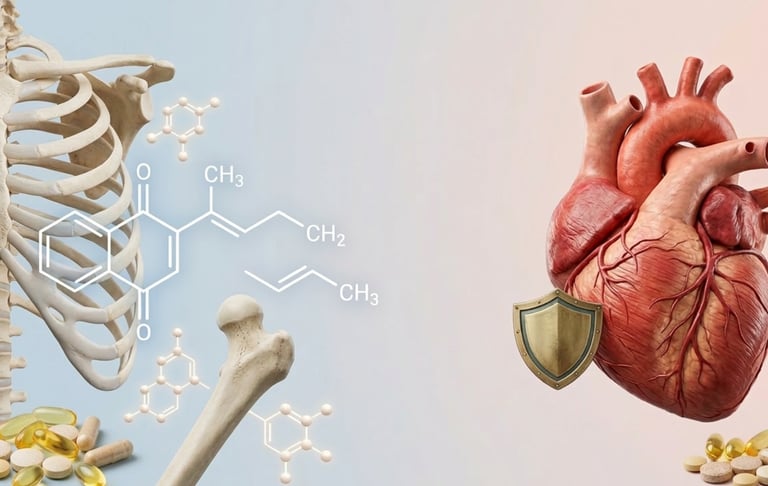
Vitamin K2 activates osteocalcin (bone) and MGP (prevents arterial calcification). MODERATE evidence improves bone/cardiovascular health. K1 vs K2 guide.
by WellnessWithForever
3/15/202636 min read
The Role of Vitamin K in Bone and Heart Health: Evidence-Based Guide to the Forgotten Vitamin
By WellnessWithForever 15 March 2026: This post might contain affiliate links.
Are you taking calcium and vitamin D supplements for bone health but experiencing disappointing bone density scan results despite years of consistent supplementation? Concerned about cardiovascular disease running in your family and wondering if there's a nutritional factor beyond cholesterol and blood pressure you're overlooking? Confused about whether the vitamin K in your multivitamin provides meaningful health benefits or if you need additional supplementation?
Vitamin K has long been recognized as essential for blood clotting—the "K" comes from the German word "Koagulation"—but emerging research over the past two decades reveals this fat-soluble vitamin plays critical roles far beyond preventing bleeding. Specifically, vitamin K appears essential for directing calcium to where it belongs (bones and teeth) while preventing calcium deposition where it doesn't (arteries and soft tissues)—a dual function with profound implications for both skeletal health and cardiovascular disease prevention.
Yet vitamin K remains one of the most overlooked and misunderstood vitamins in nutrition. Most people can name benefits of vitamin D (bone health, immunity), vitamin C (immune function, collagen), or B vitamins (energy metabolism), but few understand what vitamin K does beyond blood clotting. Multivitamins often contain minimal vitamin K amounts focused solely on meeting basic clotting needs, ignoring emerging evidence suggesting much higher intakes may be necessary for optimal bone mineralization and arterial health.
The research raises compelling questions: Does vitamin K deficiency contribute to osteoporosis even when calcium and vitamin D are adequate? Can vitamin K supplementation reverse arterial calcification—the hardening of arteries strongly predicting heart attack and stroke risk? Which form of vitamin K matters most for bone and cardiovascular health—the K1 found in leafy greens or the K2 forms found in fermented foods and produced by gut bacteria? Should you be supplementing vitamin K beyond what's in your multivitamin, and if so, how much?
This comprehensive evidence-based guide examines the science behind vitamin K's roles in bone and cardiovascular health, the different forms of vitamin K and their unique functions, what research shows about vitamin K supplementation for osteoporosis prevention and arterial calcification, optimal intake levels and food sources, safety considerations and medication interactions, and how to determine whether vitamin K supplementation makes sense for your individual health situation.
Important Medical Disclaimer: Vitamin K affects blood clotting and can interact significantly with anticoagulant medications (warfarin/Coumadin). Anyone taking blood thinners must consult their healthcare provider before changing vitamin K intake through diet or supplements. Sudden increases in vitamin K can reduce warfarin effectiveness potentially causing dangerous blood clots, while sudden decreases can increase bleeding risk. Bone health and cardiovascular disease involve complex factors requiring comprehensive medical evaluation—osteoporosis needs proper diagnosis through bone density testing and may require prescription medications, cardiovascular disease requires assessment of multiple risk factors and may need medical treatment vitamin K alone cannot replace. This information is educational and does not replace professional medical advice. Consult healthcare providers—physicians, registered dietitians, or qualified nutritionists—before starting vitamin K supplementation, especially if you have medical conditions, take medications, or have clotting disorders.
Key Takeaways
Vitamin K exists as K1 (phylloquinone from plants) and K2 (menaquinones from fermented foods/bacteria) with different functions
K1 primarily for blood clotting, K2 (especially MK-7) better for bone/cardiovascular health due to longer half-life and tissue distribution
Vitamin K activates proteins directing calcium to bones while preventing arterial calcification through Matrix Gla-protein (MGP)
MODERATE evidence K2 supplementation improves bone mineral density and reduces fracture risk in some studies (Japanese research strongest)
MODERATE evidence K2 reduces arterial stiffness and may slow vascular calcification progression
Most people get adequate K1 for clotting but may be K2-insufficient for optimal bone/cardiovascular benefits
Best dietary K1 sources: dark leafy greens (kale, spinach, collards), broccoli, Brussels sprouts
Best dietary K2 sources: natto (extremely rich MK-7), fermented cheeses, egg yolks from pastured chickens, liver
Forever Calcium provides calcium WITH vitamin K supporting proper calcium utilization for bone health
Vitamin K supplementation interacts with warfarin—NEVER change intake without medical supervision if taking blood thinners
Understanding Vitamin K: Forms and Functions
Two Main Forms with Different Roles
Vitamin K exists in nature as two primary forms with distinct chemical structures, dietary sources, and physiological functions:
Vitamin K1 (Phylloquinone): Found predominantly in green leafy vegetables and plant oils, vitamin K1 represents 75-90% of total vitamin K intake in typical Western diets. After absorption, K1 concentrates primarily in the liver where it serves as cofactor for clotting factor synthesis—specifically factors II (prothrombin), VII, IX, and X plus proteins C and S regulating coagulation.
According to nutritional biochemistry research, the body tightly regulates vitamin K1 for clotting purposes, maintaining liver concentrations even when dietary intake fluctuates. However, K1 has relatively short half-life (approximately 1-2 hours in circulation) and limited distribution to extrahepatic tissues like bone and arteries, suggesting K1 may be less optimal for non-clotting vitamin K functions despite being the predominant dietary form.
Vitamin K2 (Menaquinones): Vitamin K2 encompasses a family of related compounds called menaquinones designated MK-4 through MK-13 based on the length of their side chains. The most important forms for human health appear to be MK-4 (found in animal products, also synthesized in tissues from K1) and MK-7 (produced by bacterial fermentation, particularly abundant in natto—fermented soybeans).
According to comparative research, vitamin K2 (especially MK-7) demonstrates several advantages over K1 for bone and cardiovascular health: much longer half-life (MK-7 approximately 72 hours versus K1's 1-2 hours) allowing sustained blood levels with less frequent dosing, better distribution to extrahepatic tissues including bone and arterial walls where vitamin K-dependent proteins function, and higher bioavailability meaning greater absorption and utilization.
MK-4 has shorter half-life (~1 hour) similar to K1 but distributes well to bone and brain tissues. MK-7's long half-life makes it the preferred supplemental form for bone and cardiovascular applications.
Vitamin K-Dependent Proteins: Beyond Blood Clotting
The discovery of vitamin K-dependent proteins outside the liver revolutionized understanding of vitamin K's importance beyond preventing bleeding. These proteins require vitamin K for "carboxylation"—a chemical modification adding carboxyl groups to glutamic acid residues creating "Gla" (gamma-carboxyglutamic acid) proteins that can bind calcium.
Osteocalcin (Bone Gla-Protein): Produced by osteoblasts (bone-forming cells), osteocalcin is the most abundant non-collagen protein in bone matrix. Vitamin K-dependent carboxylation activates osteocalcin enabling it to bind calcium ions and incorporate calcium into bone mineral hydroxyapatite crystals. According to bone metabolism research, undercarboxylated osteocalcin (ucOC)—the inactive form resulting from inadequate vitamin K—cannot effectively bind calcium, serving as biomarker of vitamin K insufficiency for bone health.
Studies measuring ucOC levels show many people (even those meeting basic vitamin K requirements for clotting) have elevated ucOC indicating suboptimal vitamin K status for bone mineralization. Higher ucOC levels correlate with lower bone mineral density and increased fracture risk in observational research.
Matrix Gla-Protein (MGP): Produced by vascular smooth muscle cells and chondrocytes (cartilage cells), MGP represents the most potent inhibitor of vascular calcification discovered. Vitamin K-dependent carboxylation activates MGP enabling it to bind calcium and prevent calcium crystal formation in arterial walls and soft tissues.
According to cardiovascular research, undercarboxylated MGP (ucMGP)—the inactive form—cannot prevent arterial calcification, and elevated ucMGP levels serve as biomarker of vitamin K insufficiency for cardiovascular health. Animal studies show vitamin K deficiency causes severe arterial calcification, while MGP-knockout mice die from massive arterial calcification within weeks demonstrating MGP's critical protective role.
Gas6 (Growth Arrest-Specific Gene 6 Protein): Another vitamin K-dependent protein involved in cell signaling, proliferation, and survival with roles in bone metabolism, cardiovascular health, and nervous system function. Research on Gas6 still emerging but suggests additional vitamin K benefits beyond osteocalcin and MGP.
The Vitamin K Paradox
An important phenomenon called the "vitamin K paradox" illustrates differential vitamin K requirements for different functions:
Vitamin K intake adequate for normal blood clotting (preventing bleeding) may be insufficient for complete carboxylation of osteocalcin and MGP (optimal bone mineralization and arterial calcification prevention). This occurs because the liver prioritizes vitamin K for clotting factor synthesis—when intake is marginal, the liver takes what it needs for clotting leaving insufficient amounts for extrahepatic tissues like bone and arteries.
According to research measuring carboxylation status, many people show normal clotting but elevated ucOC and ucMGP indicating vitamin K deficiency for bone/cardiovascular functions despite adequate status for preventing bleeding. This suggests current dietary guidelines (based primarily on clotting requirements) may underestimate vitamin K needs for optimal skeletal and cardiovascular health.
Vitamin K and Bone Health
Biological Mechanisms
Vitamin K influences bone health through several interconnected mechanisms:
Osteocalcin Activation: As described above, carboxylated osteocalcin incorporates calcium into bone matrix mineralizing new bone. Without adequate vitamin K, osteocalcin remains undercarboxylated and cannot effectively bind calcium even when calcium intake is adequate. This may explain why some people develop osteoporosis despite sufficient calcium and vitamin D—the calcium cannot be properly incorporated into bone without vitamin K activating osteocalcin.
Regulation of Bone Remodeling: Beyond osteocalcin, vitamin K appears to influence bone cell activity. According to bone cell research, vitamin K2 (particularly MK-4) may promote osteoblast (bone-building cell) differentiation and activity while inhibiting osteoclast (bone-resorbing cell) formation, potentially shifting bone remodeling balance toward bone formation. Mechanisms may involve activation of certain transcription factors and signaling pathways though details still being elucidated.
Interaction with Vitamin D: Vitamin K and vitamin D work synergistically for bone health. Vitamin D increases production of osteocalcin and MGP, but vitamin K is required to activate these proteins through carboxylation. Taking vitamin D without adequate vitamin K may increase inactive ucOC and ucMGP potentially having limited benefit or even causing calcium to deposit in arteries rather than bones—an important consideration given widespread vitamin D supplementation.
Reducing Calcium Loss: Some research suggests vitamin K may reduce urinary calcium excretion helping maintain calcium balance, though evidence is less consistent than for osteocalcin activation.
Observational Research: K Intake and Bone Health
Observational epidemiological studies examining relationships between vitamin K intake and bone outcomes show mixed but generally supportive evidence:
Fracture Risk: According to meta-analyses synthesizing multiple studies, higher vitamin K1 intake from diet is associated with reduced hip fracture risk—approximately 20-25% lower risk comparing highest versus lowest intake categories. The association appears stronger for hip fractures than other fracture types and shows dose-response relationship suggesting genuine causation rather than confounding.
However, some large studies (Nurses' Health Study, for example) found no significant association between K1 intake and fracture risk, creating inconsistent evidence. Vitamin K2 intake shows similar or stronger inverse associations with fracture risk in studies measuring it (fewer studies assess K2 specifically due to limited food database information).
Bone Mineral Density (BMD): Studies measuring bone density show weak and inconsistent associations between vitamin K intake and BMD. Some studies find modest positive associations (higher K intake correlates with slightly higher BMD), others show no relationship. The weak BMD findings despite stronger fracture associations suggest vitamin K may improve bone quality and strength independent of density—a distinction important because fractures ultimately matter more than density numbers.
Undercarboxylated Osteocalcin: Studies measuring ucOC (biomarker of vitamin K insufficiency for bone) consistently show elevated ucOC levels predict lower BMD and increased fracture risk, supporting biological plausibility that vitamin K status affects skeletal health independent of calcium/vitamin D.
Limitations: Observational studies cannot prove causation (people eating more K-rich foods may have healthier lifestyles overall), K1 intake correlates with vegetable consumption (other beneficial nutrients/compounds in vegetables may drive associations), and most studies didn't distinguish K1 versus K2 or measure biomarkers like ucOC directly assessing K status.
Intervention Trials: K2 Supplementation and Bone Outcomes
Randomized controlled trials testing vitamin K supplementation (primarily K2 as MK-4 or MK-7) for bone health show variable results with strongest evidence from Japanese studies:
Japanese Research (MK-4): Multiple trials in Japan using high-dose MK-4 (45mg daily—far exceeding dietary intake) in postmenopausal women with osteoporosis showed: significant reductions in fracture risk (approximately 50-80% reduction vertebral fractures, though sample sizes modest), improvements or attenuation of BMD decline compared to placebo, reductions in ucOC levels indicating improved vitamin K status.
A meta-analysis of Japanese trials concluded vitamin K2 supplementation reduces fractures and BMD loss, though noted small study sizes and questioned applicability to non-Japanese populations (genetic differences, dietary patterns, lower baseline K2 intake in Japan from natto consumption).
European Research (MK-7): Dutch studies using MK-7 (180-360mcg daily—amounts achievable through diet or modest supplementation) showed: improved bone strength and quality measures in some studies, reduced ucOC levels consistently, inconsistent effects on BMD (some showing slight improvements, others no significant change compared to placebo), no clear fracture reduction though studies often not powered to detect fracture endpoints.
North American Research: Fewer trials in North America with mixed results—some showing modest BMD improvements with vitamin K supplementation (both K1 and K2), others showing no significant effects. Differences in baseline vitamin K status, calcium/vitamin D supplementation in control groups, study populations, and dosing may explain variability.
Meta-Analyses Conclusions: Systematic reviews synthesizing all trials conclude: MODERATE evidence vitamin K2 supplementation (particularly MK-4 at high doses) may reduce fracture risk and prevent BMD loss in postmenopausal women with osteoporosis, effects appear stronger in Asian populations (Japanese specifically) than Western populations possibly due to dietary/genetic differences, insufficient evidence to definitively recommend K supplementation for all people for bone health but reasonable to consider in osteoporosis treatment alongside calcium/vitamin D/bisphosphonates.
Vitamin K and Cardiovascular Health
Biological Mechanisms
Vitamin K influences cardiovascular health primarily through preventing vascular calcification—the abnormal deposition of calcium in arterial walls contributing to atherosclerosis, arterial stiffness, and cardiovascular events:
Matrix Gla-Protein Activation: As described earlier, carboxylated MGP potently inhibits arterial calcification by binding calcium and preventing crystal formation. According to vascular biology research, MGP-deficient mice develop severe arterial calcification and die within weeks, while vitamin K deficiency in animals causes arterial calcification demonstrating MGP's critical protective role.
In humans, elevated ucMGP (inactive form indicating vitamin K deficiency) correlates with greater arterial calcification, increased arterial stiffness, and higher cardiovascular disease risk in observational studies. Vitamin K2 supplementation reduces ucMGP levels suggesting improved vascular vitamin K status.
Other Potential Mechanisms: Beyond MGP, vitamin K may influence cardiovascular health through: reducing inflammation (some studies suggest anti-inflammatory effects though mechanisms unclear), improving insulin sensitivity (preliminary evidence in some trials), effects on lipid metabolism (inconsistent evidence), and protecting against oxidative stress (antioxidant properties vitamin K compounds in laboratory studies).
However, MGP activation preventing calcification represents the most well-established mechanism with strongest biological plausibility and supporting evidence.
Observational Research: K Intake and Cardiovascular Outcomes
Observational studies examining vitamin K intake and cardiovascular disease show intriguing patterns:
Rotterdam Study: This landmark Dutch prospective study followed ~4,800 elderly subjects 7-10 years assessing dietary vitamin K intake and cardiovascular outcomes. Results showed: high vitamin K2 intake (primarily from cheese in Dutch diet) associated with significantly reduced risk of coronary heart disease mortality (approximately 50% reduction highest versus lowest tertile), inverse association between K2 intake and arterial calcification (higher K2 intake correlated with less severe calcification), NO association between vitamin K1 intake and cardiovascular outcomes despite K1 being predominant dietary form.
The K2-specific findings (K1 showing no association despite much higher intake) suggest K2's longer half-life and better tissue distribution make it more relevant for vascular health than K1.
Other Observational Studies: Additional European studies have shown similar patterns—higher K2 intake associated with reduced cardiovascular risk, K1 intake showing weaker or no associations. A meta-analysis found approximately 10% reduction in coronary heart disease risk per 10mcg daily increase in K2 intake (modest but potentially meaningful at population level).
Arterial Calcification: Studies measuring coronary artery calcium (CAC) scores—a marker of atherosclerosis burden strongly predicting future cardiovascular events—show inverse associations between vitamin K status (measured as ucMGP levels or dietary K2 intake) and CAC scores. Higher ucMGP (indicating K deficiency) correlates with more extensive calcification.
Limitations: Observational studies cannot prove causation (people eating K2-rich foods like fermented dairy may have healthier overall diets/lifestyles), residual confounding possible despite statistical adjustments, and most studies assessed dietary intake through questionnaires (measurement error inevitable).
Intervention Trials: K2 Supplementation and Vascular Health
Randomized controlled trials testing vitamin K2 supplementation for cardiovascular outcomes remain limited with most focusing on surrogate markers (arterial stiffness, calcification progression) rather than hard endpoints (heart attacks, strokes, cardiovascular death):
Arterial Stiffness: Several trials using MK-7 supplementation (180-360mcg daily) for 6 months to 3 years showed: modest improvements in arterial elasticity/compliance in some studies (approximately 5-10% improvement), reductions in arterial stiffness markers, more consistent benefits in people with preexisting arterial stiffness or calcification than healthy young individuals.
A meta-analysis concluded MK-7 supplementation modestly improves vascular elasticity particularly in populations with existing arterial stiffness, though effects are moderate and clinical significance uncertain (whether small improvements in stiffness translate to reduced cardiovascular events unknown).
Calcification Progression: A Dutch trial in chronic kidney disease patients (population at extremely high vascular calcification risk) found MK-7 supplementation slowed progression of arterial calcification compared to placebo over 18 months. However, other trials in dialysis patients showed no significant effects, creating mixed evidence in this high-risk population.
Trials in general populations without kidney disease show inconsistent results—some suggesting slowed calcification progression with K2 supplementation, others showing no difference. Differences in baseline calcification severity, supplementation duration (calcification develops slowly over years/decades), and populations may explain variability.
Cardiovascular Events: NO large randomized controlled trials have tested whether vitamin K supplementation reduces actual cardiovascular events (heart attacks, strokes, cardiovascular death) compared to placebo—this represents critical evidence gap. Surrogate marker improvements (stiffness, calcification) suggest potential benefit but don't guarantee event reduction without dedicated endpoint trials.
Current Evidence Status: MODERATE evidence vitamin K2 (MK-7) supplementation modestly improves arterial stiffness and may slow calcification progression, particularly in people with existing arterial disease or stiffness. However, whether these improvements translate to reduced cardiovascular events remains unproven—large long-term trials needed to definitively establish cardiovascular benefit.
Vitamin K Forms: K1 vs K2 for Bone and Heart Health
Comparative Pharmacokinetics
The different forms of vitamin K show markedly different behavior in the body affecting their utility for bone and cardiovascular applications:
Absorption and Bioavailability: Vitamin K1 from leafy greens is tightly bound to chloroplasts in plant cell walls, making bioavailability relatively poor (approximately 10-15% absorbed from raw vegetables, improving to 15-25% when cooked with fat). Vitamin K2 from fermented foods and animal products shows higher bioavailability (approximately 40-50% absorbed) because it's not bound to plant structures and often consumed with fat (cheese, egg yolks, meat contain fat enhancing K absorption as fat-soluble vitamin).
Tissue Distribution: After absorption, K1 concentrates primarily in liver with limited distribution to extrahepatic tissues. In contrast, K2 (especially long-chain menaquinones like MK-7) distributes more widely to bone, arteries, brain, and other tissues where vitamin K-dependent proteins function.
Half-Life: K1 has short half-life (~1-2 hours) requiring frequent intake maintaining blood levels. MK-4 similarly short (~1 hour). MK-7 demonstrates much longer half-life (approximately 72 hours) allowing sustained blood levels with once-daily or even less frequent dosing—this prolonged presence may better support continuous carboxylation of osteocalcin and MGP in peripheral tissues.
Conversion: The body can convert K1 to MK-4 in certain tissues (brain, arteries, bone, pancreas, testes, mammary glands) through a process not fully understood. However, this conversion may be inefficient and tissue-specific, potentially insufficient to fully support MK-4 needs particularly when K1 intake marginal. Humans cannot synthesize long-chain menaquinones (MK-7 through MK-13) requiring dietary intake or gut bacterial production.
Gut Bacteria Production
Bacteria in the large intestine produce menaquinones (primarily MK-10, MK-11, MK-12, MK-13—longer-chain forms). However, the nutritional significance remains debated:
According to intestinal physiology, most vitamin K absorption occurs in the small intestine where dietary K1 and K2 are absorbed, while bacterial menaquinone production happens in the colon (large intestine) where absorption is much less efficient. Additionally, menaquinones remain bound to bacterial membranes rather than free in colonic contents, further limiting bioavailability.
Studies show antibiotics disrupting gut bacteria don't cause acute vitamin K deficiency or clotting abnormalities (if dietary intake adequate), suggesting bacterial contribution may be modest. However, long-chain menaquinones produced by gut bacteria may contribute meaningfully to tissue stores over time even if not preventing acute deficiency.
Current consensus: gut bacterial menaquinones likely contribute to vitamin K status particularly long-term, but dietary intake remains primary source—relying solely on bacterial production insufficient ensuring optimal status.
Implications for Supplementation
Given pharmacokinetic differences, which form makes most sense for bone and cardiovascular health?
For Blood Clotting Only: K1 from diet (leafy greens) or supplements works perfectly well—liver concentrates K1 effectively for clotting factor synthesis even with short half-life and poor tissue distribution.
For Bone and Cardiovascular Health: K2 (particularly MK-7) appears superior based on: longer half-life sustaining blood levels, better distribution to bone and arterial tissues where osteocalcin and MGP function, higher bioavailability, and clinical trial evidence (most bone/cardiovascular trials used MK-4 or MK-7, not K1).
MK-4 requires higher more frequent doses (45mg daily in Japanese osteoporosis trials split into multiple doses due to short half-life). MK-7 effective at much lower doses (180-360mcg daily once-daily dosing) due to long half-life making it more practical supplemental form.
Combination Approach: Eating K1-rich leafy greens regularly for overall health/clotting plus MK-7 supplementation (if indicated based on bone/cardiovascular risk) may provide comprehensive vitamin K support addressing all functions.
Dietary Sources and Intake Recommendations
Food Sources
Vitamin K1 (Phylloquinone) - Best Sources:
Dark leafy greens: Kale (cooked, 1 cup: ~1,000mcg), spinach (cooked, 1 cup: ~890mcg), collard greens (cooked, 1 cup: ~770mcg), Swiss chard (cooked, 1 cup: ~300mcg), turnip greens (cooked, 1 cup: ~530mcg)
Cruciferous vegetables: Broccoli (cooked, 1 cup: ~220mcg), Brussels sprouts (cooked, 1 cup: ~220mcg)
Herbs: Parsley (fresh, ¼ cup: ~300mcg), basil, cilantro (fresh herbs very concentrated K1)
Vegetable oils: Soybean oil (1 Tbsp: ~25mcg), canola oil (1 Tbsp: ~10mcg), olive oil (1 Tbsp: ~8mcg)
Other vegetables: Asparagus, green beans, peas, lettuce (amounts vary)
Cooking leafy greens with fat (olive oil, butter) significantly improves K1 absorption due to fat-soluble nature.
Vitamin K2 (Menaquinones) - Best Sources:
Natto (fermented soybeans): Extremely rich MK-7 source (100g/3.5oz: ~1,000mcg MK-7)—by far the most concentrated food source, though acquired taste many Westerners find challenging
Fermented cheeses: Gouda, Brie, Edam, Jarlsberg contain moderate MK-7 and MK-9 (amounts vary widely 10-75mcg per 100g depending on fermentation)
Egg yolks: Particularly from pastured/free-range chickens (higher MK-4 content ~15-30mcg per yolk versus conventional eggs ~5-10mcg)
Liver: Chicken, goose liver contain MK-4 (~50-100mcg per 100g)
Meat: Beef, pork, chicken contain small amounts MK-4 (generally <10mcg per serving)
Butter/ghee: From grass-fed animals contains MK-4 (~15mcg per tablespoon)
Certain aged cheeses: Not fermented but aging process may produce some K2
Most Western diets provide minimal K2 (estimated 10-50mcg daily) unless regularly consuming natto, fermented cheeses, or organ meats. Japanese diets average higher K2 intake primarily from natto consumption (those eating natto regularly may get 200-400mcg MK-7 daily).
Gut Bacteria Production: As noted, colonic bacteria produce long-chain menaquinones (MK-10, MK-11, MK-12, MK-13) though contribution to overall vitamin K status uncertain and likely modest compared to dietary intake.
Current Recommended Intakes
Official dietary recommendations for vitamin K based primarily on amounts needed to maintain normal blood clotting (preventing bleeding):
United States (Adequate Intake - AI):
Adult men: 120mcg/day
Adult women: 90mcg/day
Pregnancy/lactation: 90mcg/day
Children: 30-75mcg/day (age-dependent)
Europe: Similar recommendations ranging 65-80mcg/day adults depending on country.
Important Context: These recommendations established based on vitamin K requirements for normal coagulation (clotting factor synthesis). According to Institute of Medicine/National Academy of Sciences, insufficient evidence existed when recommendations were set to determine separate higher requirements for bone and cardiovascular health beyond clotting needs.
Given emerging evidence suggesting vitamin K status adequate for clotting may be insufficient for optimal osteocalcin and MGP carboxylation (the vitamin K paradox), some researchers argue recommended intakes may underestimate needs for skeletal and cardiovascular benefits. However, official recommendations haven't been updated pending more definitive trial evidence.
Practical Dietary Strategies
Meeting Basic K1 Needs: Eating 1-2 servings daily dark leafy greens (cooked with fat) easily provides 200-1,000mcg K1 exceeding current recommendations. Include cruciferous vegetables (broccoli, Brussels sprouts), use vegetable oils for cooking/dressings, eat green vegetables variety.
Increasing K2 Intake: Unless regularly consuming natto (most practical concentrated MK-7 source but challenging taste/texture for many), achieving high K2 intake through diet alone difficult. Strategies: eat fermented cheeses regularly (Gouda, Brie, aged cheeses), choose pastured eggs over conventional (higher MK-4 in yolks), include grass-fed butter/ghee, consider occasional liver consumption (if tolerated), eat quality meats from grass-fed/pastured animals (higher K2 than grain-fed).
Supplementation Considerations: For people unable/unwilling to regularly consume K2-rich foods (especially natto or fermented cheeses), MK-7 supplementation (100-200mcg daily) provides amounts shown beneficial in cardiovascular trials. For osteoporosis treatment, higher doses (180-360mcg MK-7 or 15-45mg MK-4) used in clinical trials though such high MK-4 doses require multiple daily dosing.
Forever Calcium Advantage: Forever Calcium combines calcium with vitamin K supporting proper calcium utilization—calcium for providing building material plus vitamin K for activating osteocalcin directing calcium into bone matrix rather than soft tissues. This complementary approach recognizes calcium alone insufficient without vitamin K ensuring appropriate calcium deposition.
Safety, Interactions, and Contraindications
Safety Profile
Vitamin K shows very low toxicity with no established upper tolerable intake level (UL) due to lack of adverse effects even at high supplemental doses in research studies:
K1 Safety: No known toxicity from food sources or supplements at doses used in research (up to 10mg/day in some trials). The body tightly regulates K1 levels and excretes excess efficiently preventing accumulation.
K2 Safety: Similarly safe—Japanese trials using 45mg daily MK-4 (extremely high dose) for osteoporosis treatment over years showed no adverse effects. European trials using MK-7 up to 360mcg daily well tolerated. Natto consumption in Japan provides very high MK-7 intakes (regular consumers may get 400-1,000mcg daily) without apparent toxicity.
No Risk of "Excessive Blood Clotting": A common misconception: vitamin K does NOT cause excessive clotting or increase clot risk in healthy people. Vitamin K enables normal clot formation when bleeding occurs but doesn't cause inappropriate clotting in intact vasculature. Thrombosis (inappropriate clot formation) results from vascular damage, blood stasis, hypercoagulable states—not vitamin K.
Critical Drug Interaction: Warfarin (Coumadin)
MOST IMPORTANT SAFETY CONSIDERATION:
Vitamin K directly antagonizes warfarin/Coumadin (vitamin K antagonist anticoagulant working by blocking vitamin K recycling in liver preventing clotting factor synthesis). Changes in vitamin K intake—sudden increases OR decreases—can significantly affect warfarin effectiveness:
Increased vitamin K intake (eating more leafy greens, starting K supplement) → reduced warfarin effectiveness → INR (International Normalized Ratio clotting time test) decreases → increased clot risk potentially causing dangerous blood clots (stroke, pulmonary embolism, deep vein thrombosis).
Decreased vitamin K intake (eating fewer greens, stopping K supplement) → increased warfarin effectiveness → INR increases excessively → bleeding risk (potentially dangerous internal bleeding, hemorrhagic stroke).
Critical Requirements for Warfarin Patients:
NEVER change vitamin K intake (diet or supplements) without consulting prescribing physician and monitoring INR closely
Maintain CONSISTENT vitamin K intake day-to-day (if you eat leafy greens, eat similar amounts regularly rather than large amounts sporadically)
Inform all healthcare providers you take warfarin before they recommend vitamin K supplements
If starting/stopping K supplements for any reason, require INR monitoring and likely warfarin dose adjustment by physician
This is NOT theoretical concern—vitamin K-warfarin interactions cause significant bleeding/clotting complications when not properly managed
Alternative Anticoagulants: Newer anticoagulants (dabigatran/Pradaxa, rivaroxaban/Xarelto, apixaban/Eliquis, edoxaban/Savaysa) work through different mechanisms than warfarin and do NOT interact with vitamin K—people taking these medications can adjust vitamin K intake without concern for drug interaction. However, always confirm with prescriber.
Other Medication Considerations
Antibiotics: Long-term broad-spectrum antibiotic use may reduce gut bacterial menaquinone production potentially affecting vitamin K status over time, particularly if dietary intake marginal. Short-term antibiotic courses unlikely to cause problems.
Bile Acid Sequestrants: Medications binding bile acids (cholestyramine, colestipol) can reduce fat-soluble vitamin absorption including vitamin K. Long-term use may require vitamin K monitoring/supplementation.
Orlistat (Alli, Xenical): Weight-loss medication inhibiting fat absorption can reduce vitamin K absorption. Users should ensure adequate intake and consider supplementation.
Mineral Oil: Long-term regular use as laxative can reduce vitamin K absorption.
Contraindications and Cautions
No Absolute Contraindications (except warfarin interaction requiring management not avoidance):
Relative Cautions:
History of blood clots: While vitamin K doesn't cause clots, people with clotting disorders should discuss supplementation with hematologist ensuring appropriate given medical history
Pregnancy/lactation: Current AI (90mcg daily) considered safe, higher supplemental doses (200+ mcg K2) not extensively studied in pregnancy though no evidence suggesting harm—discuss with obstetrician
Upcoming surgery: Some surgeons recommend discontinuing supplements 1-2 weeks pre-surgery though vitamin K specifically not usually problematic (unlike blood-thinning supplements)—follow surgeon's pre-operative instructions
Should You Supplement Vitamin K?
Who Might Benefit from K2 Supplementation
Strong Consideration:
Osteoporosis or osteopenia (low bone density): particularly postmenopausal women at high fracture risk, alongside calcium/vitamin D/bisphosphonates as part of comprehensive bone health strategy
Established cardiovascular disease or high cardiovascular risk: particularly if arterial calcification documented, multiple risk factors (diabetes, chronic kidney disease, family history), as potential complementary preventive measure
Low dietary K2 intake: people avoiding dairy/fermented foods/organ meats, vegans (no animal source K2), those who don't consume natto or fermented cheeses regularly
Taking high-dose vitamin D: vitamin D increases osteocalcin and MGP production but vitamin K needed to activate—D supplementation without adequate K may be suboptimal or potentially problematic
Chronic kidney disease: extremely high vascular calcification risk, though trial evidence mixed and should be discussed with nephrologist
Moderate Consideration:
Postmenopausal women preventing osteoporosis: even without diagnosed osteopenia/osteoporosis, as preventive strategy alongside calcium/vitamin D/weight-bearing exercise
Family history osteoporosis or cardiovascular disease: genetic predisposition may benefit from preventive nutritional optimization
Older adults (>65 years): age-related increases in bone loss and arterial stiffness may benefit from K2 supporting bone/vascular health
Less Clear Benefit:
Young healthy adults with no risk factors, good diet including K1/K2 sources: likely meeting needs through food, supplementation benefits uncertain though probably safe
Children/adolescents: growing bone benefits from adequate vitamin K but food sources should suffice, supplementation generally unnecessary except specific medical indications
Supplement Selection and Dosing
Recommended Form: MK-7 (menaquinone-7) preferred over MK-4 or K1 for bone/cardiovascular supplementation due to longer half-life, once-daily dosing, lower effective doses, better tissue distribution, and most clinical trial evidence for cardiovascular benefits using MK-7.
Dosing:
General bone/cardiovascular support: 100-200mcg MK-7 daily (amounts used in many European trials showing arterial benefits)
Osteoporosis treatment: 180-360mcg MK-7 daily (higher end of trial doses) or 45mg MK-4 daily split into 3 doses (Japanese osteoporosis dose)
Take with fat-containing meal for optimal absorption (fat-soluble vitamin)
Quality Considerations: Choose MK-7 supplements: derived from natto extract (natural source) or synthesized (both forms effective), third-party tested (USP, NSF, ConsumerLab verification), from reputable manufacturers, clearly stating MK-7 amount (some products list "vitamin K2" without specifying menaquinone form or confusingly list MK-4 and MK-7 combined).
Combination Products: Many bone health supplements combine calcium, vitamin D3, and vitamin K2—convenient approach ensuring nutrients work together. Forever Calcium provides calcium with vitamin K supporting coordinated bone mineralization and proper calcium utilization.
Some products combine K2 with vitamin D3 only (without calcium) useful for people getting adequate calcium from diet but supplementing D and wanting complementary K2.
Realistic Expectations
What Vitamin K2 Supplementation Likely CAN Do:
Improve vitamin K status for bone and cardiovascular function (reduce ucOC and ucMGP)
Modestly improve or maintain bone mineral density in combination with calcium/vitamin D
Potentially reduce fracture risk when used as part of comprehensive osteoporosis treatment (strongest evidence in Japanese populations)
Modestly improve arterial elasticity and potentially slow calcification progression over time
Support proper calcium utilization ensuring calcium deposits in bones rather than arteries
What Vitamin K2 Supplementation CANNOT Do:
Replace calcium, vitamin D, or prescription osteoporosis medications when those are indicated—K2 is complementary not alternative to primary treatments
Rapidly reverse advanced osteoporosis or arterial calcification (bone and vascular remodeling occur slowly over months/years)
Prevent cardiovascular events without addressing other risk factors (smoking, hypertension, cholesterol, diabetes, inactivity)—K2 may help but isn't magic bullet
Compensate for poor diet lacking other bone/cardiovascular-supporting nutrients
Guarantee benefit in all individuals (genetic variation, baseline status, diet, medications, health conditions create individual differences in response)
Timeline: Bone and vascular benefits accrue slowly over months to years, not weeks. Trials showing fracture reduction or arterial improvements typically ran 6 months to 3 years. Biomarker improvements (ucOC, ucMGP reduction) measurable within weeks to months.
Frequently Asked Questions
Can vitamin K supplementation reverse arterial calcification or do I need it only for prevention?
Current evidence suggests vitamin K2 supplementation may slow progression of arterial calcification and potentially stabilize existing calcification, but dramatic reversal of advanced calcification unlikely based on available research. The cardiovascular benefit appears primarily preventive and stabilizing rather than rapidly reversing established disease.
According to trials measuring calcification progression, MK-7 supplementation (180-360mcg daily) over 6 months to 3 years showed: slowed progression of coronary artery and aortic calcification in some studies (calcification progressing more slowly in K2 group versus placebo but still progressing), stabilization of calcification in others (no significant increase in calcification scores over study period in supplemented group while placebo group worsened), improvements in arterial elasticity suggesting functional vascular benefits even without dramatic calcification reduction.
A trial in chronic kidney disease patients (extremely high calcification risk population) found MK-7 supplementation significantly slowed calcification progression compared to placebo, though didn't reverse existing calcification. Another dialysis trial showed no benefit, creating mixed evidence in this severe population.
Biological mechanisms support K2's ability to prevent calcium deposition (MGP activation inhibiting crystal formation) but removing calcium already deposited in arterial walls represents different process requiring vascular remodeling occurring very slowly if at all. Some animal studies show regression of vascular calcification with vitamin K treatment, but human evidence for reversal limited.
Practical implications: Vitamin K2 supplementation most beneficial started before severe calcification develops (preventive strategy in people with cardiovascular risk factors) or alongside calcification to slow progression. For people with established significant calcification, K2 may provide modest benefit stabilizing/slowing progression but unlikely to dramatically reverse disease—comprehensive cardiovascular risk management (addressing blood pressure, cholesterol, diabetes, smoking, inflammation) remains essential. Consider K2 complementary to not replacement for standard cardiovascular preventive/treatment strategies.
If you have documented arterial calcification (coronary calcium scan, carotid ultrasound, CT imaging), discuss vitamin K2 supplementation with cardiologist as part of overall cardiovascular risk reduction plan. They can help determine if benefits likely outweigh any considerations for your specific situation and ensure K2 doesn't interfere with any medications (particularly warfarin if prescribed).
I'm taking vitamin D supplements—do I need vitamin K2 also?
Vitamin D and vitamin K work synergistically for both bone and cardiovascular health, and taking vitamin D supplements (particularly high doses) without adequate vitamin K may be suboptimal or potentially problematic creating theoretical concern about calcium misdirection.
According to nutritional biochemistry, vitamin D increases intestinal calcium absorption and increases production of vitamin K-dependent proteins including osteocalcin (bone) and Matrix Gla-protein (arteries). However, vitamin K is required to activate these proteins through carboxylation—without adequate vitamin K, increased osteocalcin and MGP from vitamin D supplementation remain inactive (undercarboxylated) unable to properly direct calcium.
Theoretical concern: high-dose vitamin D supplementation increasing calcium absorption without adequate vitamin K activating calcium-regulating proteins might cause calcium to deposit inappropriately in arteries and soft tissues rather than bones. While this concern is largely theoretical (not definitively proven causing harm in humans), the biological plausibility has led some researchers to recommend K2 supplementation alongside vitamin D particularly at doses above 2,000-4,000 IU daily.
Observational research shows some concerning patterns: studies finding people with high vitamin D levels but low vitamin K status have increased arterial calcification compared to those with adequate both nutrients, suggesting vitamin D without adequate K may have different effects than vitamin D with sufficient K (though causation not proven).
Intervention trials specifically testing vitamin D with versus without vitamin K2 are limited. One study in postmenopausal women found vitamin D plus K2 improved bone strength more than vitamin D alone. Another trial showed K2 addition to vitamin D/calcium improved arterial elasticity versus D/calcium alone.
Practical recommendations based on current evidence:
If taking vitamin D supplements (particularly ≥2,000 IU daily), ensuring adequate vitamin K status through diet or supplementation represents reasonable precautionary strategy. Options include: eating K1-rich leafy greens regularly (1-2 servings daily cooked with fat ensuring absorption) plus some K2 sources (fermented cheeses, pastured eggs, natto if tolerated), OR supplementing MK-7 (100-200mcg daily) alongside vitamin D for comprehensive support.
Many bone health supplements now combine vitamin D3, calcium, and K2 recognizing synergistic relationship. Forever Calcium includes vitamin K supporting proper calcium utilization alongside calcium supplementation.
If you're taking vitamin D alone (not combined with K), assess your vitamin K intake from diet. If eating leafy greens regularly and some K2 sources, you're probably adequate. If diet minimal in K1/K2, consider adding MK-7 supplement particularly if taking higher-dose vitamin D (4,000+ IU) or having cardiovascular risk factors where arterial calcification prevention important.
Discuss with healthcare provider prescribing your vitamin D supplementation. They can help evaluate your specific situation (dose of vitamin D, cardiovascular/bone health status, dietary intake, other risk factors) determining whether K2 addition makes sense for you.
Will vitamin K help my osteoporosis if I'm already taking bisphosphonates?
Vitamin K2 supplementation may provide complementary benefits to bisphosphonate therapy for osteoporosis, working through different mechanisms to support bone health, though evidence for added benefit when combining treatments is limited requiring discussion with your treating physician.
Bisphosphonates (alendronate/Fosamax, risedronate/Actonel, ibandronate/Boniva, zoledronic acid/Reclast) work by inhibiting osteoclasts (bone-resorbing cells), reducing bone breakdown (resorption) and shifting bone remodeling balance toward net bone formation. These are first-line pharmacological treatments for osteoporosis with strong evidence for fracture risk reduction—typically 30-50% reduction in vertebral fractures, 20-40% reduction in hip fractures in major trials.
Vitamin K2 works through different complementary mechanisms: activating osteocalcin allowing it to bind calcium and incorporate calcium into bone matrix (supporting bone formation/mineralization), possibly promoting osteoblast activity while inhibiting osteoclast formation (shifting remodeling balance toward bone formation through pathways different from bisphosphonates), and potentially improving bone quality/strength independent of density.
According to the limited research combining treatments, some Japanese trials tested bisphosphonates plus vitamin K2 (MK-4) versus bisphosphonates alone in osteoporotic women finding: modestly greater BMD improvements with combination versus bisphosphonate alone (small additional benefit), potential synergistic effects on fracture reduction though studies often underpowered for fracture endpoints, improvements in bone strength and quality markers combining treatments.
However, other studies showed no significant additional benefit adding K2 to bisphosphonate therapy, and most research on combination therapy comes from Japan (applicability to other populations uncertain given dietary/genetic differences). Well-designed large trials directly comparing bisphosphonate monotherapy versus bisphosphonate plus K2 combination lacking in Western populations.
Current expert consensus: Bisphosphonates remain primary pharmacological treatment for osteoporosis fracture risk reduction proven effectiveness. Vitamin K2 may provide modest additional benefit supporting bone quality and calcium utilization alongside bisphosphonate but insufficient evidence to definitively recommend combination therapy as standard practice. Individual physicians vary in enthusiasm for adding K2—some view it as reasonable complementary low-risk intervention, others prefer focusing on proven therapies (bisphosphonates, calcium, vitamin D, weight-bearing exercise).
If you're taking bisphosphonates for osteoporosis and interested in vitamin K2 supplementation:
Discuss with your endocrinologist or primary care physician managing your osteoporosis. They can review your specific situation (fracture history, bone density trends, other medications, dietary intake) and help determine if K2 addition reasonable. Ensure you're taking adequate calcium (1,200mg daily total from diet plus supplements for postmenopausal women) and vitamin D (2,000 IU daily or dose maintaining blood levels 30-50 ng/mL optimal for bone health)—these foundational nutrients more important than K2 if not already adequate. If adding K2, typical osteoporosis dose 180-360mcg MK-7 daily or 15-45mg MK-4 daily (higher MK-4 dose based on Japanese trials).
Most important: Continue bisphosphonate therapy as prescribed—it's the primary treatment reducing fracture risk. Don't substitute K2 for bisphosphonates. Maintain weight-bearing exercise, fall prevention strategies, adequate protein intake, and healthy lifestyle supporting bone health. K2 if added represents complementary optimization not alternative to primary treatments.
Can I get enough vitamin K from diet or do I need supplements?
Whether you can obtain sufficient vitamin K from diet alone versus needing supplementation depends on which vitamin K functions you're optimizing for (clotting versus bone/cardiovascular health), your dietary patterns, and individual health situation.
For BLOOD CLOTTING FUNCTION (preventing bleeding), most people eating varied diets easily obtain adequate vitamin K1 from food without supplementation. Current recommendations (90-120mcg daily adults) based on clotting needs are achievable through: 1 cup cooked leafy greens (kale, spinach, collards providing 300-1,000mcg), OR combination 1 cup broccoli (~220mcg) plus mixed green salad plus vegetable oil dressings, OR regular inclusion of green vegetables (Brussels sprouts, asparagus, green beans, peas) throughout diet.
According to dietary surveys, average vitamin K1 intake Western populations 60-200mcg daily depending on vegetable consumption—many people meet basic clotting requirements through food, though those eating minimal vegetables may fall short.
For BONE AND CARDIOVASCULAR HEALTH (optimal osteocalcin and MGP carboxylation), dietary adequacy less certain and may depend on vitamin K2 intake specifically:
VITAMIN K1: While abundant in leafy greens, K1's poor bioavailability from vegetables (~10-20% absorbed), short half-life, and limited tissue distribution mean very high dietary K1 intake may be needed to fully saturate bone and vascular K-dependent proteins. Some research suggests 200-500mcg daily K1 (several servings leafy greens) might be necessary for optimal bone/cardiovascular carboxylation status versus 90-120mcg for basic clotting.
VITAMIN K2: Much more challenging obtaining meaningful amounts from typical Western diets. Average K2 intake estimated only 10-50mcg daily unless regularly consuming natto (providing 200-1,000mcg MK-7 per 3oz serving), fermented cheeses (Gouda, Brie, aged cheeses providing 10-75mcg per 3oz), pastured egg yolks (15-30mcg per yolk versus 5-10mcg conventional eggs), liver/organ meats (50-100mcg per serving), OR grass-fed dairy products (higher K2 than conventional).
Most Americans/Europeans eat minimal fermented foods, choose conventional eggs/dairy over pastured/grass-fed, and rarely consume organ meats—resulting in low K2 intake far below doses showing cardiovascular benefits in trials (180-360mcg MK-7 daily).
Dietary strategies maximizing K2 without supplementation:
TRY NATTO: Despite acquired taste, small serving 2-3x weekly (40-50g/1.5-2oz) provides substantial MK-7 (300-500mcg). Some people gradually develop tolerance mixing with soy sauce, rice, or other foods masking texture/flavor.
EAT FERMENTED CHEESES REGULARLY: Incorporate Gouda, Brie, Edam, aged cheddar regularly (2-3oz serving 3-4x weekly) provides moderate K2 (30-200mcg weekly) plus calcium, protein.
CHOOSE PASTURED EGGS: Switch from conventional to pastured eggs (3-4x higher MK-4 content), eating yolks regularly (not just whites).
USE GRASS-FED BUTTER/GHEE: Replace conventional butter with grass-fed (higher K2), using generously.
INCLUDE OCCASIONAL LIVER: If tolerated, chicken or beef liver every 1-2 weeks provides substantial K2 plus other nutrients (iron, B vitamins, vitamin A).
EAT LEAFY GREENS ABUNDANTLY: Even though K1 less optimal than K2 for bone/cardiovascular functions, very high K1 intake from daily leafy greens (1-2 cups cooked with fat) may help saturate vitamin K-dependent proteins particularly if combined with modest K2 sources above.
When supplementation makes more sense:
If you CANNOT or WILL NOT regularly consume K2-rich foods (don't like natto, avoid fermented cheeses, eat only conventional eggs/dairy, minimal organ meats), supplementing MK-7 (100-200mcg daily) provides amounts shown beneficial cardiovascular trials practical convenient way ensuring adequate K2 status.
If you have OSTEOPOROSIS or CARDIOVASCULAR DISEASE, therapeutic K2 doses used in clinical trials (180-360mcg MK-7 or 15-45mg MK-4 daily) are essentially impossible achieving through diet alone requiring supplementation.
If taking HIGH-DOSE VITAMIN D (4,000+ IU daily), ensuring adequate vitamin K through supplementation may be prudent if dietary K2 intake low.
Practical balanced approach: Eat leafy greens regularly with fat (providing K1 for clotting plus contributing to bone/cardiovascular functions), include some K2 dietary sources when possible (fermented cheeses, pastured eggs, grass-fed butter), consider MK-7 supplement (100-200mcg daily) if dietary K2 minimal or if higher-risk population (postmenopausal women preventing bone loss, people with cardiovascular risk factors, those taking high-dose vitamin D). Forever Calcium combining calcium with vitamin K provides coordinated bone support through supplementation.
Does vitamin K2 supplementation interfere with blood thinners other than warfarin?
Vitamin K2 supplementation does NOT interfere with newer anticoagulants (direct oral anticoagulants or DOACs) that work through mechanisms different from warfarin—people taking these medications can adjust vitamin K intake without concern for drug interaction affecting anticoagulation effectiveness.
Newer anticoagulants NOT affected by vitamin K:
Dabigatran (Pradaxa) - direct thrombin inhibitor
Rivaroxaban (Xarelto) - factor Xa inhibitor
Apixaban (Eliquis) - factor Xa inhibitor
Edoxaban (Savaysa) - factor Xa inhibitor
These medications work by directly inhibiting specific clotting factors (thrombin or factor Xa) rather than blocking vitamin K recycling like warfarin does. Since their mechanism doesn't involve vitamin K metabolism, changes in vitamin K intake through diet or supplements don't affect how well these medications work.
According to pharmacology research and clinical guidance, patients taking DOACs can eat green leafy vegetables freely, start or stop vitamin K supplements, and vary vitamin K intake day-to-day without affecting anticoagulation levels or requiring dose adjustments. This represents significant advantage over warfarin requiring consistent vitamin K intake and dietary restrictions.
Important clarifications:
ANTIPLATELET MEDICATIONS also NOT affected by vitamin K:
Aspirin - works by irreversibly inhibiting platelet cyclooxygenase
Clopidogrel (Plavix) - blocks platelet ADP receptors
Ticagrelor (Brilinta) - reversibly blocks platelet ADP receptors
Prasugrel (Effient) - blocks platelet ADP receptors
These medications prevent platelet aggregation (platelets sticking together forming clots) through mechanisms independent of vitamin K-dependent clotting factors. Vitamin K intake doesn't affect antiplatelet medication effectiveness.
HEPARIN/LOW MOLECULAR WEIGHT HEPARINS also NOT affected by vitamin K:
Unfractionated heparin (UFH) - enhances antithrombin activity inhibiting clotting factors
Enoxaparin (Lovenox) - low molecular weight heparin
Dalteparin (Fragmin) - low molecular weight heparin
These injectable anticoagulants work by activating antithrombin which inactivates several clotting factors. Vitamin K doesn't interfere with this mechanism.
Critical point about warfarin:
Warfarin (Coumadin) is ONLY commonly used anticoagulant significantly interacting with vitamin K. If you take warfarin, NEVER change vitamin K intake without consulting prescribing physician and monitoring INR closely—this interaction can cause life-threatening bleeding or clotting complications if not properly managed.
Practical guidance:
If taking ANY blood thinner medication (anticoagulant or antiplatelet), confirm with your prescribing physician or pharmacist which specific medication you're on. If it's one of the newer DOACs listed above, aspirin, clopidogrel, or heparins—vitamin K supplementation safe from drug interaction perspective (though discuss any new supplements with doctor as general practice).
If it's warfarin/Coumadin specifically—vitamin K supplementation requires careful medical supervision, INR monitoring, and likely dose adjustment. This doesn't mean you CAN'T take vitamin K with warfarin, but it MUST be done under physician guidance with appropriate monitoring ensuring anticoagulation remains therapeutic range.
Some people on warfarin actually take vitamin K supplements to STABILIZE warfarin response (consistent daily vitamin K intake can make INR more stable/predictable than widely varying dietary K intake)—but this strategy requires close physician supervision and is NOT something to initiate on your own.
Always carry updated medication list and inform all healthcare providers (physicians, dentists, pharmacists, other clinicians) about anticoagulant medications before starting new supplements or treatments.
Can children and teenagers benefit from vitamin K2 for bone development?
Children and adolescents need adequate vitamin K for supporting growing bone development, though most can meet needs through balanced diet rich in leafy greens and some K2 sources without requiring supplementation unless specific medical indications exist.
According to pediatric nutrition research, vitamin K plays important roles in growing skeleton: activating osteocalcin directing calcium incorporation into rapidly forming/remodeling bone during growth spurts, supporting proper bone mineralization density and strength, potentially influencing peak bone mass attainment (maximum bone density reached by early adulthood setting foundation for lifelong skeletal health).
Current vitamin K adequate intake (AI) recommendations for children: 30mcg daily (ages 1-3), 55mcg (ages 4-8), 60mcg (ages 9-13), 75mcg (ages 14-18). These based on amounts supporting normal blood clotting, though whether higher amounts optimize bone development uncertain (similar to adult recommendations possibly underestimating needs for skeletal health).
Evidence for vitamin K and pediatric bone health:
Observational studies in children/adolescents show: higher vitamin K intake correlates with better bone mineral density in some studies (though not all), lower ucOC (undercarboxylated osteocalcin indicating better vitamin K status for bone) associates with better bone outcomes, vitamin K intake during adolescence may influence peak bone mass attainment affecting osteoporosis risk decades later.
Intervention trials testing vitamin K supplementation in healthy children are very limited (ethical considerations conducting trials in healthy pediatric populations when deficiency not established). Small studies suggest vitamin K supplementation may improve bone mineral accrual during growth, reduce ucOC levels, and support bone health markers, but large definitive trials lacking.
Dietary approach preferred for healthy children:
For generally healthy children/teens without specific bone health concerns, obtaining vitamin K through balanced nutrient-dense diet represents preferred approach over supplementation:
VITAMIN K1 SOURCES: Encourage regular vegetable consumption including leafy greens (spinach in smoothies, kale chips, salads for older kids comfortable with greens), broccoli, Brussels sprouts, green beans, peas, asparagus prepared in kid-friendly ways. Even small servings provide substantial K1 (½ cup cooked broccoli ~110mcg, 1 cup raw spinach ~145mcg).
VITAMIN K2 SOURCES: Include some K2-rich foods naturally: cheeses especially fermented varieties (many kids enjoy cheese—Gouda, Brie, aged cheddar), egg yolks from pastured eggs if available (scrambled eggs, omelets, baked goods), grass-fed butter, occasional chicken liver pate if tolerated (nutrient-dense though many kids reject organ meats).
COMBINED WITH OTHER BONE NUTRIENTS: Ensure adequate calcium (dairy, fortified plant milks, leafy greens, calcium-set tofu), vitamin D (sunlight exposure, fatty fish, fortified dairy/plant milks, supplementation if needed based on blood testing particularly in northern latitudes/limited sun exposure), protein (meat, fish, dairy, eggs, legumes, nuts—growing bones need adequate protein), magnesium (whole grains, nuts, seeds, leafy greens), regular physical activity including weight-bearing and muscle-strengthening exercises (jumping, running, sports building bone strength during growth).
When pediatric vitamin K supplementation might be considered:
SPECIFIC MEDICAL CONDITIONS: Children with malabsorption disorders (cystic fibrosis, celiac disease, inflammatory bowel disease, short bowel syndrome), liver disease affecting vitamin K metabolism, or other conditions impairing nutrition may require vitamin K supplementation under physician/pediatric dietitian guidance.
VEGETARIAN/VEGAN CHILDREN: If diet lacks animal sources (minimal eggs, dairy, no meat), ensuring adequate K1 from abundant vegetables particularly important. While bacterial K2 production and conversion of K1 to MK-4 may help, some practitioners recommend ensuring robust total vitamin K intake.
EXTREMELY PICKY EATERS: Children refusing all vegetables and K-rich foods may benefit from pediatric multivitamin containing vitamin K (typically 25-60mcg depending on age-appropriate formulation) as nutritional insurance, though behavioral/feeding interventions expanding dietary variety preferred long-term solution.
BONE HEALTH CONCERNS: Children/adolescents with documented low bone density, history of fragility fractures, or other skeletal concerns may benefit from comprehensive bone health evaluation including vitamin K assessment—supplementation might be recommended as part of treatment plan under pediatric endocrinologist/orthopedist guidance.
Safety considerations pediatric K supplementation:
Vitamin K appears very safe in children based on available evidence—no established upper limit due to lack of toxicity even at high intakes. However, unnecessary supplementation in healthy children eating adequately not recommended (food-first approach better supporting overall nutrition and healthy eating patterns).
Pediatric multivitamins with age-appropriate vitamin K amounts (30-75mcg depending on child's age) are safe and reasonable for children with inadequate dietary intake. Higher-dose isolated vitamin K2 supplements (100-200mcg MK-7) used in adult bone/cardiovascular applications not typically necessary in healthy growing children without specific indications.
Discuss any supplementation with pediatrician, particularly if child has medical conditions, takes medications, or has specific bone health concerns requiring evaluation.
Conclusion
Vitamin K represents one of the most overlooked yet potentially important vitamins for long-term bone and cardiovascular health—a nutrient where current understanding and recommendations may significantly underestimate optimal intake levels for preventing osteoporosis and arterial calcification despite adequate amounts preventing the acute deficiency symptom of abnormal bleeding.
The emerging scientific evidence reveals critical dual roles beyond blood clotting: activating osteocalcin to bind calcium and mineralize bone matrix (supporting skeletal strength and potentially reducing fracture risk), and activating Matrix Gla-protein to prevent calcium deposition in arterial walls (inhibiting vascular calcification that contributes to atherosclerosis, arterial stiffness, and cardiovascular events). The "vitamin K paradox" demonstrates intake levels adequate for normal clotting may leave osteocalcin and MGP partially inactive—elevated undercarboxylated forms serving as biomarkers of vitamin K insufficiency for bone and cardiovascular functions even when bleeding risk is normal.
The distinction between vitamin K forms matters profoundly for practical applications: vitamin K1 (phylloquinone) from leafy greens effectively supports clotting factor synthesis in liver but shows poor bioavailability from vegetables, short circulation half-life, and limited distribution to bone and arterial tissues. Vitamin K2 (menaquinones, particularly MK-7) demonstrates superior pharmacokinetics for bone/cardiovascular applications—longer half-life sustaining blood levels with less frequent dosing, better tissue distribution to sites where osteocalcin and MGP function, and clinical trial evidence (most bone/cardiovascular research used MK-4 or MK-7 rather than K1).
The research evidence base, while growing, shows important patterns and limitations: MODERATE evidence from Japanese trials that vitamin K2 supplementation (particularly high-dose MK-4 at 45mg daily) reduces fracture risk and prevents bone mineral density loss in postmenopausal women with osteoporosis, though applicability to Western populations uncertain and effect sizes modest. MODERATE evidence from European studies that MK-7 supplementation (180-360mcg daily) modestly improves arterial elasticity and may slow vascular calcification progression, particularly in people with existing arterial stiffness or calcification. Observational epidemiology showing inverse associations between vitamin K2 intake and cardiovascular disease risk (Rotterdam Study finding ~50% reduction coronary mortality with high K2 intake), though observational studies cannot prove causation.
Critical evidence gaps remain: NO large randomized controlled trials have tested whether vitamin K supplementation reduces actual cardiovascular events (heart attacks, strokes, death) compared to placebo—surrogate marker improvements suggest potential benefit but don't guarantee event reduction without dedicated endpoint trials. Limited research directly comparing K1 versus K2 for bone/cardiovascular outcomes or testing optimal doses in diverse populations. Inconsistent results across trials possibly reflecting differences in baseline vitamin K status, genetic factors, concurrent calcium/vitamin D supplementation, study populations, and doses used.
Dietary strategies can significantly boost vitamin K intake: eating dark leafy greens regularly with fat (1-2 cups cooked kale, spinach, collards daily providing 300-1,000mcg K1), including cruciferous vegetables (broccoli, Brussels sprouts), consuming K2-rich fermented foods (natto providing extraordinary MK-7 amounts though acquired taste, fermented cheeses like Gouda, Brie, aged varieties containing moderate MK-7 and MK-9), choosing pastured eggs over conventional (3-4x higher MK-4 in yolks), using grass-fed butter/ghee, and occasionally eating liver/organ meats. However, achieving K2 intakes matching clinical trial doses (180-360mcg MK-7 or 15-45mg MK-4 daily) through typical Western diets is essentially impossible without natto consumption, making supplementation practical approach for those seeking therapeutic doses.
Vitamin K2 supplementation (MK-7 100-200mcg daily for general bone/cardiovascular support, 180-360mcg for therapeutic applications) appears safe with no established toxicity and may provide meaningful benefits for specific populations: postmenopausal women with osteoporosis or osteopenia (alongside calcium, vitamin D, prescription osteoporosis medications when indicated), people with established cardiovascular disease or high cardiovascular risk (particularly if arterial calcification documented), those with low dietary K2 intake (avoiding fermented foods, conventional eggs/dairy, no organ meats), individuals taking high-dose vitamin D (ensuring adequate K2 to activate calcium-regulating proteins D increases), and possibly older adults preventing age-related bone loss and arterial stiffening. Forever Calcium exemplifies integrated approach combining calcium with vitamin K supporting coordinated bone mineralization and proper calcium utilization.
However, critical safety considerations apply: Vitamin K directly antagonizes warfarin/Coumadin anticoagulant—anyone taking warfarin must NEVER change vitamin K intake without physician supervision and INR monitoring (sudden increases reduce warfarin effectiveness risking dangerous clots, sudden decreases increase bleeding risk). This represents most important vitamin K safety consideration and absolute requirement for warfarin patients. Newer anticoagulants (dabigatran, rivaroxaban, apixaban, edoxaban) do NOT interact with vitamin K allowing free dietary variation and supplementation. Anyone with medical conditions, taking medications, or considering therapeutic doses should consult healthcare providers for personalized guidance.
Realistic expectations remain essential: vitamin K2 supplementation likely provides modest complementary benefits to comprehensive bone health strategies (calcium, vitamin D, weight-bearing exercise, prescription medications when needed) and cardiovascular disease prevention (addressing blood pressure, cholesterol, diabetes, smoking, inflammation, physical activity)—it's not magic bullet replacing primary treatments but rather supporting nutrient optimizing calcium metabolism and potentially reducing long-term fracture and calcification risk through biological mechanisms increasingly recognized as important for skeletal and vascular health.
The verdict on vitamin K for bone and cardiovascular health: Emerging evidence suggests many people may benefit from ensuring robust vitamin K status (particularly K2) beyond minimal amounts preventing bleeding—either through dietary optimization (abundant leafy greens with fat plus fermented foods/pastured animal products providing K2) or strategic MK-7 supplementation for those unable/unwilling to obtain adequate K2 from food. While definitive proof of hard endpoint benefits (fracture reduction, cardiovascular event prevention) awaits larger trials, the biological plausibility (osteocalcin and MGP activation), consistent biomarker improvements (ucOC and ucMGP reduction), modest positive findings in existing trials, and excellent safety profile make vitamin K optimization reasonable consideration for bone and cardiovascular health—particularly in higher-risk populations where potential benefits likely outweigh minimal risks and modest costs.
References and Further Reading
For evidence-based information about vitamin K, bone health, cardiovascular disease, and nutritional optimization, consult these authoritative sources:
National Institutes of Health Office of Dietary Supplements — https://ods.od.nih.gov/ Comprehensive vitamin K fact sheet covering forms, functions, dietary sources, recommended intakes, and health roles including bone and cardiovascular applications.
Linus Pauling Institute Micronutrient Information Center — https://lpi.oregonstate.edu/mic Detailed scientific information on vitamin K including K1 versus K2 differences, vitamin K-dependent proteins (osteocalcin, MGP, Gas6), research on bone and vascular health.
National Osteoporosis Foundation — https://www.nof.org/ Information on osteoporosis prevention and treatment including role of nutrition (calcium, vitamin D, vitamin K) and lifestyle factors supporting bone health.
American Heart Association — https://www.heart.org/ Cardiovascular disease prevention information including risk factors, nutrition, and emerging research on vascular calcification and arterial health.
The Cochrane Library — https://www.cochranelibrary.com/ Systematic reviews of vitamin K supplementation trials for bone health and cardiovascular outcomes providing evidence-based analysis of intervention research.
About the Author
Naddy is a wellness enthusiast and content creator behind Wellness With Forever. She focuses on simple, practical tips to support a healthy lifestyle through nutrition, movement, and mindful habits.
Disclaimer
This information is for educational purposes only and does not replace professional medical care. Vitamin K affects blood clotting and can interact significantly with anticoagulant medications (warfarin/Coumadin)—anyone taking blood thinners must consult healthcare providers before changing vitamin K intake through diet or supplements. Bone health and cardiovascular disease involve complex factors requiring comprehensive medical evaluation—osteoporosis needs proper diagnosis through bone density testing and may require prescription medications, cardiovascular disease requires assessment of multiple risk factors and may need medical treatment vitamin K alone cannot replace. Quality varies dramatically across supplement industry—choose reputable brands with third-party testing. Always consult healthcare providers—physicians, registered dietitians, or qualified nutritionists—before starting vitamin K supplementation, especially if you have medical conditions, take medications, or have clotting disorders.
About Us
Follow
© 2025. WellnessWithForever
SUBSCRIBE