This Is How Gum Disease Affects the Whole Body
Discover how gum disease affects your heart, brain & entire body! Learn natural solutions with Forever Living products to protect your oral & overall health.
by WellnessWithForever
12/7/202513 min read
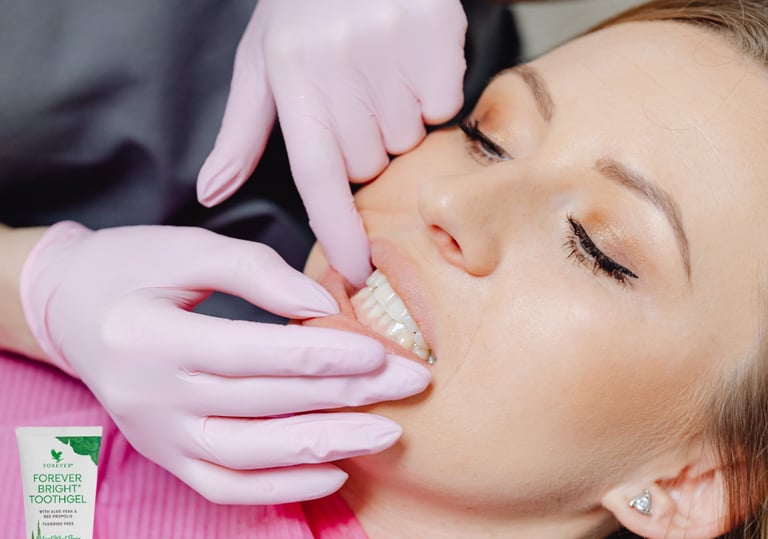

This Is How Gum Disease Affects the Whole Body
By WellnessWithForever 7 December 2025: This post might contain affiliate links.
Gum disease (periodontal disease) is a common inflammatory condition affecting the tissues that support your teeth. While primarily an oral health concern requiring professional dental treatment, research suggests connections between periodontal health and various aspects of overall wellness. Understanding what gum disease is, how to prevent it, and when to seek treatment helps you maintain both oral and general health.
Forever Living offers various products—including oral care items like Forever Bright Toothgel and nutritional supplements—that some people incorporate into comprehensive wellness routines. Understanding how these fit into proper dental care helps you make informed decisions about oral health practices.
Important Medical and Dental Note: This article discusses gum disease and oral health for general educational purposes. Gum disease is a dental condition requiring professional diagnosis and treatment by a dentist or periodontist. Self-treatment with supplements or products cannot cure gum disease or replace professional dental care. Symptoms like bleeding gums, loose teeth, persistent bad breath, or gum recession require dental evaluation. Some systemic health conditions (heart disease, diabetes, respiratory problems) require medical treatment, not just oral care. The research on connections between oral and systemic health is ongoing and complex. Always consult appropriate healthcare professionals—dentists for oral health, physicians for medical concerns.
Key Takeaways
Gum disease is a bacterial infection affecting gums and bone supporting teeth
Professional dental diagnosis and treatment are essential
Good oral hygiene is the foundation of prevention
Research suggests possible connections between oral health and systemic conditions
These connections are correlational; causation is less clear in many cases
Supplements may support overall health but cannot treat gum disease
Regular dental visits are crucial for prevention and early detection
Individual risk factors vary based on genetics, health status, and lifestyle
What Is Gum Disease?
Gum disease (periodontal disease) is inflammation and infection of the gums and surrounding tissues that support your teeth. It's caused primarily by bacterial plaque—a sticky film that constantly forms on teeth.
Stages of Gum Disease
Gingivitis (early stage):
Inflammation of gum tissue
Red, swollen gums that may bleed when brushing or flossing
Usually reversible with improved oral hygiene and professional cleaning
No permanent damage to bone or connective tissue yet
Often painless, so people may not realize they have it
Periodontitis (advanced stage):
Inflammation extends below gum line
Gums pull away from teeth, creating "pockets"
Bacteria and plaque accumulate in these pockets
Bone and connective tissue that hold teeth begin to break down
Can lead to tooth loosening or loss
Not reversible, but progression can be halted with treatment
What Causes Gum Disease?
Primary cause: Bacterial plaque accumulation from inadequate oral hygiene
Contributing factors:
Smoking (most significant modifiable risk factor)
Diabetes (impairs healing and immune function)
Genetic susceptibility (some people more prone)
Hormonal changes (pregnancy, menopause)
Certain medications (that reduce saliva flow)
Stress (may affect immune function)
Poor nutrition
Teeth grinding or clenching
Misaligned teeth (harder to clean effectively)
Signs and Symptoms
Warning signs of gum disease:
Red, swollen, or tender gums
Bleeding when brushing or flossing
Persistent bad breath
Receding gums (teeth appear longer)
Loose or shifting teeth
Changes in how teeth fit together when biting
Pus between teeth and gums
Important: Many people with early gum disease have no obvious symptoms. Regular dental checkups detect problems before symptoms appear.
Gum Disease and Systemic Health: What Research Shows
Various studies have explored possible connections between periodontal disease and other health conditions. Understanding what research actually demonstrates—versus what's speculated—helps maintain realistic expectations.
Important Context
Correlation vs. Causation:
Most research shows associations or correlations between gum disease and systemic conditions. This means they occur together more often than expected by chance. However:
Correlation doesn't prove one condition causes the other
Both might be caused by common underlying factors (genetics, inflammation, lifestyle)
Some associations may be coincidental
More research is needed to establish definitive causation in many cases
Shared risk factors:
Gum disease and many systemic diseases share risk factors including:
Poor diet
Smoking
Obesity
Stress
Inadequate healthcare access
Socioeconomic factors
These shared factors may partially explain associations independent of any direct biological connection.
Cardiovascular Health
What research suggests:
Multiple studies have found associations between periodontal disease and cardiovascular conditions. A review in the Journal of Periodontology noted correlations between periodontitis and atherosclerosis, heart attack, and stroke.
Proposed mechanisms:
Bacteria from oral infections entering bloodstream
Chronic inflammation contributing to arterial plaque
Inflammatory molecules affecting cardiovascular tissues
Immune responses triggered by oral bacteria
Important caveats:
Most evidence is observational (showing associations, not causation)
People with gum disease often have other cardiovascular risk factors
Whether treating gum disease reduces cardiovascular events is less clear
The association is real but the clinical significance is debated
What this means: Maintain good oral health as part of overall wellness, but don't expect gum disease treatment alone to prevent heart disease. Address all cardiovascular risk factors.
Diabetes
The bidirectional relationship:
Research clearly shows that diabetes and gum disease influence each other:
Diabetes increases gum disease risk:
High blood sugar impairs immune function
Reduced ability to fight oral infections
Impaired healing of gum tissue
People with poorly controlled diabetes have higher periodontal disease rates
Gum disease may affect blood sugar:
Inflammation from periodontitis may worsen insulin resistance
Some research in Diabetes Care suggests treating gum disease modestly improves glycemic control
Effects are generally small but may be clinically relevant
Clinical implications:
People with diabetes need excellent oral care
Gum disease treatment may provide modest metabolic benefits
Neither replaces standard diabetes treatment
Respiratory Health
Research findings:
Some studies suggest connections between oral bacteria and respiratory infections, particularly in vulnerable populations.
Proposed mechanisms:
Aspiration of oral bacteria into lungs
Higher bacterial load in people with gum disease
Immune responses affecting respiratory tissue
What studies show:
Research in Journal of Periodontology found associations between periodontal disease and respiratory infections
Effects most significant in elderly, immunocompromised, or hospitalized individuals
General population effects less clear
Reality check: Good oral hygiene is sensible for overall health, but don't expect it to prevent or cure respiratory diseases.
Pregnancy Outcomes
What research indicates:
Some studies have found associations between periodontal disease and adverse pregnancy outcomes.
Findings:
Women with gum disease may have modestly higher risk of preterm birth or low birth weight babies
A review in Obstetrics & Gynecology noted associations but inconsistent intervention study results
Whether treating gum disease during pregnancy reduces risks is unclear from current evidence
Pregnancy changes and oral health:
Hormonal changes can worsen gum inflammation (pregnancy gingivitis)
Morning sickness may affect oral hygiene
Good dental care during pregnancy is important regardless
Clinical guidance: Pregnant women should maintain good oral health and see their dentist, but gum disease treatment doesn't guarantee prevention of pregnancy complications.
Cognitive Health
Emerging research:
Some preliminary research has explored possible connections between periodontal disease and cognitive decline.
What studies suggest:
Some research has found oral bacteria in brain tissue of Alzheimer's patients
Associations between gum disease and cognitive decline in some populations
Chronic inflammation as a possible connecting mechanism
Important limitations:
Research is preliminary and observational
Many confounding factors
No evidence that treating gum disease prevents dementia
Correlation doesn't establish causation
Realistic perspective: This is an interesting research area but far from establishing that gum disease causes Alzheimer's or that dental treatment prevents it.
Professional Dental Care: The Foundation
No supplement, natural remedy, or home care product can replace professional dental diagnosis and treatment for gum disease.
Importance of Regular Dental Visits
Prevention and early detection:
Professional cleanings remove plaque and tartar you can't remove at home
Dentists detect early gum disease when treatment is most effective
Regular monitoring tracks oral health over time
Recommended frequency:
Most people: every 6 months
Higher risk (smokers, diabetics, history of gum disease): every 3-4 months
Individual needs vary—follow your dentist's recommendations
Professional Treatment for Gum Disease
For gingivitis:
Professional cleaning (scaling)
Improved home care instructions
Usually sufficient to reverse condition
For periodontitis:
Scaling and root planing (deep cleaning below gum line)
Sometimes antibiotics (topical or oral)
More frequent monitoring and cleanings
In severe cases, surgical interventions
Follow-up care:
Regular maintenance cleanings
Ongoing monitoring of pocket depths
Home care compliance crucial for maintaining improvements
Reality: Professional treatment addresses the bacterial infection. Supplements or natural products can't clean below the gum line or remove hardened tartar.
Home Oral Hygiene Practices
Good daily oral care is essential for preventing gum disease and maintaining oral health between professional visits.
Effective Brushing
Best practices:
Brush at least twice daily (morning and before bed)
Use soft-bristled toothbrush (hard bristles can damage gums)
Brush for 2 full minutes
Gentle circular motions (aggressive brushing harms gums)
Don't forget to brush along gum line where plaque accumulates
Replace toothbrush every 3 months or when bristles fray
Flossing and Interdental Cleaning
Why it matters: Brushing alone can't reach between teeth where significant plaque accumulates and gum disease often starts.
How to floss effectively:
Once daily (before bed typically works well)
Use about 18 inches of floss
Wrap around fingers and use clean section for each tooth
Curve floss around each tooth in a C-shape
Slide gently beneath gum line
Use clean section for each space
Alternatives:
Floss picks or floss holders
Interdental brushes
Water flossers (oral irrigators)
Choose what you'll actually use consistently
Additional Oral Care
Antimicrobial mouth rinses:
May help reduce bacteria
Not a substitute for brushing and flossing
Some research supports benefit for gum health
Follow product directions
Tongue cleaning:
Bacteria accumulate on tongue surface
Gentle brushing or tongue scrapers remove bacteria
May help with bad breath
Forever Bright Toothgel
Forever Bright Toothgel is an oral care product containing aloe vera and bee propolis.
What it contains:
Aloe vera (soothing, traditional use for oral health)
Bee propolis (natural substance with antibacterial properties)
Peppermint and spearmint oils (freshness)
No fluoride (appeals to people preferring fluoride-free options)
Realistic perspective:
Aloe vera has been used traditionally for various health purposes including oral care. Some research suggests topical aloe may have soothing and mild antimicrobial properties. Bee propolis contains compounds with antibacterial activity in laboratory studies.
However, robust clinical trials demonstrating that toothpastes containing these ingredients significantly prevent or treat gum disease compared to standard toothpastes are limited. The most important factors in toothpaste are:
Using it consistently with proper brushing technique
Choosing one you find pleasant enough to use regularly
Fluoride consideration:
This product is fluoride-free. Fluoride is well-established for preventing tooth decay. If you choose fluoride-free toothpaste, discuss with your dentist whether you need supplemental fluoride from other sources.
How it might fit: Some people prefer natural ingredient toothpastes. Forever Bright Toothgel provides an option for those seeking aloe and propolis-based oral care. Effectiveness depends primarily on consistent proper use.
Nutritional Support for Overall Health
While nutrition cannot cure gum disease, adequate nutrients support immune function, tissue health, and healing—all relevant for oral and systemic wellness.
Nutrients Important for Oral and Overall Health
Vitamin C:
Essential for collagen synthesis (gum tissue structure)
Supports immune function
Severe deficiency causes scurvy (includes gum disease)
Adequate intake important for tissue health
Vitamin D:
Supports immune function
Some research links low vitamin D to increased periodontitis risk
Needed for calcium absorption (bone health)
Calcium:
Jawbone health
Tooth structure
Adequate intake throughout life important
B Vitamins:
Support tissue repair and cellular function
Deficiencies can affect oral tissues
Antioxidants:
Combat oxidative stress associated with inflammation
Found in colorful fruits and vegetables
Best sources: Varied, nutrient-dense diet with fruits, vegetables, whole grains, lean proteins, dairy or alternatives
Forever Living Nutritional Supplements
Forever Daily (multivitamin): Provides comprehensive vitamins and minerals supporting overall nutritional adequacy. While it won't cure gum disease, adequate nutrition supports immune function and tissue health.
Forever Arctic Sea (omega-3s): Omega-3 fatty acids have anti-inflammatory properties. Some research suggests modest benefits for periodontitis, though evidence is preliminary. Primarily valuable for cardiovascular health support.
Forever Aloe Vera Gel: Aloe vera beverage consumed internally. Traditional use for various wellness purposes. Research on internal aloe for oral health specifically is limited. Some people incorporate it into general wellness routines.
Forever Bee Propolis: Supplement containing bee propolis. Propolis has antibacterial properties in laboratory studies. Human clinical evidence for preventing or treating gum disease through oral supplementation is limited.
Forever B12 Plus: Provides B vitamins important for tissue health and cellular function. Particularly relevant for vegetarians/vegans or people with absorption issues.
Realistic expectations: These supplements support general nutrition and wellness but don't replace dental treatment for gum disease. They're complements to proper oral hygiene and professional care, not substitutes.
Lifestyle Factors Affecting Oral Health
Various lifestyle choices significantly impact gum disease risk and overall oral health.
Smoking and Tobacco
Most significant modifiable risk factor:
Smokers 2-7 times more likely to develop gum disease
Impairs blood flow to gums
Reduces immune response to infection
Interferes with healing after treatment
Masks symptoms (less bleeding, hiding inflammation)
Disease progresses faster and more severely in smokers
Quitting benefits:
Risk decreases over time after quitting
Healing improves
Treatment becomes more effective
Never too late to quit
Stress Management
How stress affects oral health:
May suppress immune function
Can lead to neglected oral hygiene
Associated with teeth grinding (bruxism)
Linked to poor health behaviors
Stress management supports overall health: While connections to oral health specifically are less direct, managing stress benefits general wellness.
Diet and Nutrition
Foods that may harm oral health:
High sugar and refined carbohydrates (feed bacteria)
Frequent snacking (constant bacterial acid production)
Acidic foods and beverages (can erode enamel)
Foods that support oral health:
Crunchy vegetables (stimulate saliva, help clean teeth)
Dairy (calcium, casein)
Green tea (some antibacterial compounds)
Adequate protein (tissue repair)
Colorful fruits and vegetables (vitamins, antioxidants)
Hydration: Adequate water intake supports saliva production (natural protection against bacteria)
General Health Management
Diabetes control:
Good blood sugar management reduces gum disease risk
Regular dental care crucial for people with diabetes
Medications:
Some reduce saliva flow (dry mouth increases bacterial growth)
Discuss with dentist and doctor
May need extra preventive care
When to See a Dentist
Seek dental evaluation if you notice:
Bleeding gums when brushing or flossing
Red, swollen, or tender gums
Gums pulling away from teeth
Persistent bad breath
Loose teeth or changes in bite
Pus between teeth and gums
Any concerning oral changes
Don't delay: Early intervention prevents progression and is less invasive and less expensive than treating advanced disease.
Regular checkups: Don't wait for symptoms. Many people with early gum disease have no obvious signs. Regular dental visits detect problems early.
Conclusion
Gum disease is a common dental condition caused primarily by bacterial plaque accumulation from inadequate oral hygiene. Professional dental diagnosis and treatment are essential—no supplement or natural product can replace proper dental care.
Research suggests various associations between periodontal disease and systemic health conditions including cardiovascular disease, diabetes, and respiratory issues. However, these connections are primarily correlational, with shared risk factors possibly explaining some associations. More research is needed to establish causation and determine whether treating gum disease significantly affects systemic conditions.
The foundation of prevention remains good daily oral hygiene (brushing, flossing) combined with regular professional dental care. Lifestyle factors like not smoking, managing stress, eating nutritiously, and controlling chronic conditions all support oral health.
Forever Living offers oral care products like Forever Bright Toothgel and nutritional supplements that some people incorporate into wellness routines. While these may support general health and provide nutrients important for tissue function, they cannot prevent or cure gum disease without proper oral hygiene and professional dental care.
If you have concerns about your gum health, see a dentist for proper evaluation and treatment. Maintain regular dental visits, practice good daily oral hygiene, and support your overall health through proper nutrition and lifestyle choices.
FAQ
What are the first signs of gum disease?
Early signs include red, swollen, or tender gums that bleed when you brush or floss. You might notice persistent bad breath or a bad taste in your mouth. However, many people with early gum disease (gingivitis) have no obvious symptoms, which is why regular dental checkups are important for early detection. If you notice bleeding gums or other concerning changes, schedule a dental appointment for evaluation. Early treatment can reverse gingivitis before it progresses to more serious periodontitis.
Can gum disease be cured?
Gingivitis (early stage) is completely reversible with improved oral hygiene and professional cleaning. Once gum disease progresses to periodontitis, you cannot reverse the bone and tissue loss that has already occurred. However, with proper treatment and maintenance, you can halt progression and prevent further damage. This requires professional treatment to remove bacteria below the gum line, followed by excellent home care and regular dental visits to keep the condition controlled. Think of it as managing the condition rather than curing it.
How often should I see my dentist if I have gum disease?
People with active gum disease typically need professional cleanings every 3-4 months rather than the standard 6-month interval. More frequent visits keep bacterial populations under control and allow your dentist to monitor your progress. Once your gum disease is stable and well-controlled with good home care, your dentist may adjust this schedule based on your individual situation. People with higher risk factors (smoking, diabetes, genetic susceptibility) may need even more frequent visits.
Can supplements cure gum disease?
No. Supplements cannot cure gum disease or replace professional dental treatment. Gum disease requires removal of bacterial plaque and tartar, which can only be done by dental professionals with specialized instruments. While adequate nutrition supports overall health, immune function, and tissue healing—all relevant for oral health—supplements don't eliminate the bacterial infection causing gum disease. Use supplements to support general wellness alongside proper dental care, not as alternatives to it.
Is there really a connection between gum disease and heart disease?
Research shows associations between periodontal disease and cardiovascular conditions, but the relationship is complex. Multiple studies have found that people with gum disease have higher rates of heart disease, stroke, and atherosclerosis. Proposed mechanisms include bacteria from oral infections entering the bloodstream and chronic inflammation affecting cardiovascular tissues. However, both conditions share risk factors (smoking, poor diet, diabetes, stress), which may partially explain the association. Whether treating gum disease reduces cardiovascular risk is less clear. The prudent approach is maintaining good oral health as part of overall wellness while addressing all cardiovascular risk factors.
Does diabetes make gum disease worse?
Yes, diabetes significantly affects gum disease in both directions. People with diabetes are more susceptible to infections including gum disease because high blood sugar impairs immune function and healing. Poorly controlled diabetes increases periodontal disease risk substantially. Conversely, gum disease can make blood sugar harder to control—the inflammation from periodontitis may worsen insulin resistance. Treating gum disease can modestly improve glycemic control in some people with diabetes. This bidirectional relationship means people with diabetes need especially vigilant oral care and regular dental visits.
What's the best toothpaste for preventing gum disease?
The most important factor isn't which brand or type you choose—it's using proper brushing technique consistently twice daily. That said, fluoride toothpaste is well-established for preventing tooth decay. Antimicrobial toothpastes containing ingredients like stannous fluoride or triclosan may provide modest additional benefits for gum health. Some people prefer natural ingredient toothpastes like Forever Bright Toothgel with aloe and propolis. Choose a toothpaste you find pleasant enough to use consistently. Discuss options with your dentist if you have specific concerns or preferences.
Can I treat gum disease at home without seeing a dentist?
No. While good home care is essential for preventing gum disease and maintaining oral health between dental visits, you cannot treat existing gum disease without professional care. Home brushing and flossing can't remove hardened plaque (tartar) or reach bacteria deep below the gum line in periodontal pockets. Professional dental instruments and expertise are necessary for treating gum disease. Delaying professional treatment allows the disease to progress, causing more damage and requiring more extensive (and expensive) treatment later. See a dentist for proper diagnosis and treatment, then maintain improvements with excellent home care.
Will oil pulling or other natural remedies cure my gum disease?
Natural approaches like oil pulling, herbal rinses, or dietary supplements cannot cure gum disease. While some natural substances may have mild antibacterial or anti-inflammatory properties, they cannot remove the bacterial biofilm and calculus (tartar) causing periodontal disease. Only professional dental instruments can thoroughly clean below the gum line where disease progresses. Natural approaches might complement good oral hygiene and professional care but cannot replace them. If you're interested in natural options, discuss them with your dentist as additions to—not substitutes for—conventional treatment.
How does smoking affect gum disease and treatment?
Smoking is the most significant modifiable risk factor for gum disease. Smokers are 2-7 times more likely to develop periodontal disease than non-smokers. Smoking impairs blood flow to gums, reduces immune response to bacterial infections, interferes with tissue healing, and may mask symptoms by reducing bleeding (so disease progresses unnoticed). Treatment is less effective in smokers, and disease progresses faster and more severely. Quitting smoking dramatically improves outcomes—healing improves, treatment becomes more effective, and risk decreases over time. It's never too late to quit, and your dental health will benefit significantly.
Sources and References
For evidence-based information about gum disease, oral health, and connections to systemic health, consult these authoritative sources:
American Academy of Periodontology: https://www.perio.org - Professional organization dedicated to periodontal health
American Dental Association: https://www.ada.org - Evidence-based oral health information
National Institute of Dental and Craniofacial Research: https://www.nidcr.nih.gov - Research on oral health
Centers for Disease Control and Prevention - Oral Health: https://www.cdc.gov/oralhealth/ - Public health perspective on oral health
Journal of Periodontology: Peer-reviewed research on periodontal disease
Journal of Clinical Periodontology: Research on periodontal health and treatment
Mayo Clinic - Oral Health: https://www.mayoclinic.org - Medical perspective on oral health connections
Note: The connections between periodontal disease and systemic health are areas of active research. Associations are better established than causation in many cases. Individual risk factors and health situations vary. Consult dental and medical professionals for personalized guidance.
About the Author
Naddy is a wellness enthusiast and content creator behind Wellness With Forever. She focuses on simple, practical tips to support a healthy lifestyle through nutrition, movement, and mindful habits. Drawing on personal experience and ongoing research into health and wellness, she aims to break down complex topics into clear, easy-to-follow guidance.
Disclaimer
The information in this article is for educational purposes only and does not replace professional medical or dental advice. These statements have not been evaluated by the Food and Drug Administration. Forever Living products are not intended to diagnose, treat, cure, or prevent any disease. Always consult your doctor or qualified health professional before starting any new supplements, making changes to your diet, or altering your wellness routine, especially if you are pregnant, nursing, have medical conditions, or take medications. For oral health concerns, consult a dentist or periodontist for proper diagnosis and treatment.
About Us
Follow
© 2025. WellnessWithForever
SUBSCRIBE