7 Best Vitamins and Supplements for Acne and Skin Health: Evidence-Based Guide
Vitamins for acne: Zinc works (8-12 weeks), omega-3 reduces inflammation, avoid vitamin A supplements (use topical retinoids). Evidence-based approach.
by WellnessWith
3/23/202634 min read
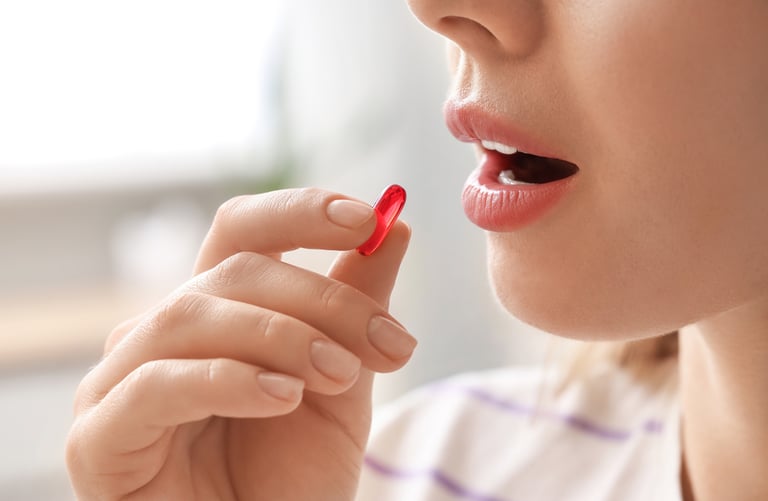
7 Best Vitamins and Supplements for Acne and Skin Health: Evidence-Based Guide
By WellnessWithForever 23 March 2026: This post might contain affiliate links.
Are you struggling with persistent acne, breakouts, or skin inflammation despite trying numerous topical treatments, cleansers, and skincare routines? Wondering if nutritional deficiencies or dietary factors might be contributing to your skin issues? Confused by conflicting information about whether vitamins and supplements can actually improve acne, or if claims about "clear skin from within" are just marketing hype? Trying to determine which supplements have genuine scientific evidence for skin health versus expensive products with questionable benefits?
Acne affects approximately 85% of people at some point during their lives—not just teenagers but increasingly adults in their 20s, 30s, and beyond. According to dermatology research, adult acne (particularly in women) is rising, often persisting from adolescence or developing for the first time in adulthood despite never having significant acne during teenage years. While acne is primarily driven by hormonal influences, excess sebum (oil) production, bacterial overgrowth (Cutibacterium acnes, formerly Propionibacterium acnes), and inflammation, emerging research suggests nutritional factors play supporting roles in acne development and severity.
The relationship between nutrition and skin health is complex and often oversimplified in supplement marketing. Clear skin fundamentally requires addressing root causes—hormonal balance, appropriate topical treatments (retinoids, benzoyl peroxide, salicylic acid, azelaic acid), skincare routine, and sometimes oral medications (antibiotics, hormonal therapy, isotretinoin for severe cases). Supplements alone cannot cure acne or replace dermatological treatment. However, certain vitamins and nutrients show evidence for supporting skin health, reducing inflammation, regulating sebum production, or addressing specific deficiencies that may exacerbate acne in some individuals.
The challenge is distinguishing between supplements with legitimate research support versus products marketed with exaggerated claims lacking scientific backing. Some nutrients show promising evidence in clinical studies for improving acne outcomes when combined with standard treatments or correcting deficiencies, while others have minimal research or inconsistent results despite widespread promotion for "skin health." Additionally, individual responses vary dramatically—a supplement helping one person may do nothing for another depending on underlying causes, deficiency status, hormone levels, gut health, and genetics.
This comprehensive evidence-based guide examines the 7 vitamins and supplements with strongest research support for acne and skin health, mechanisms by which they may improve skin, what clinical studies actually show about effectiveness, proper dosing and safety considerations, realistic expectations about what supplements can and cannot do, and how to integrate evidence-based supplementation into comprehensive acne management strategy alongside dermatological care.
Important Medical Disclaimer: Acne can have various underlying causes requiring medical diagnosis and treatment—including hormonal imbalances (PCOS, hyperandrogenism), medication side effects, underlying medical conditions, or severe inflammatory acne causing scarring. Persistent, severe, or scarring acne requires dermatological evaluation and treatment—supplements are complementary strategies not substitutes for medical care. Some supplements can interact with acne medications (vitamin A with isotretinoin causing toxicity, zinc with antibiotics), cause side effects in excessive doses (vitamin A toxicity, zinc-induced copper deficiency), or worsen acne in some individuals (iodine, B12 in susceptible people, dairy-based protein supplements). Acne treatments during pregnancy require special consideration—some medications (isotretinoin, certain antibiotics) are contraindicated. This information is educational and does not replace professional medical advice. Consult healthcare providers—dermatologists, physicians, or registered dietitians—before starting supplementation for acne, especially if taking medications, have medical conditions, are pregnant, or planning pregnancy.
Key Takeaways
Zinc shows MODERATE evidence improving acne (reduces inflammation, regulates sebum) - 30-40mg elemental daily most studied dose
Vitamin D deficiency common acne patients (50-60% studies) - correct deficiency may help, optimal levels 30-50 ng/mL
Omega-3 fatty acids (EPA/DHA) have MODERATE evidence reducing inflammatory acne through anti-inflammatory effects
Vitamin A deficiency rare developed countries but adequate intake supports skin cell turnover (supplements risky, get from diet/topical retinoids)
Probiotics show EMERGING evidence specific strains may modestly improve acne (gut-skin axis), strain/dose matters
Vitamin E antioxidant often low in acne patients but supplementation evidence WEAK - focus on dietary sources
B-complex vitamins support overall skin health but B12 high doses may worsen acne in some (individual variation)
NO supplement cures acne alone - work alongside topical treatments, medications, skincare, dermatological care
Address underlying causes first (hormones, proper treatment) before expecting supplements to significantly improve acne
Quality matters - third-party tested products, avoid megadoses, monitor for side effects
Understanding Acne: Root Causes Beyond Nutrition
What Causes Acne
Acne develops through four primary interconnected mechanisms:
1. Excess Sebum (Oil) Production: Sebaceous glands in skin produce sebum—oily substance protecting and moisturizing skin. Androgens (hormones including testosterone, DHT—dihydrotestosterone) stimulate sebaceous glands increasing sebum production. According to dermatology research, people with acne often have: increased sebum production volume (oilier skin), altered sebum composition (different fatty acid ratios potentially more comedogenic), and enhanced androgen sensitivity in sebaceous glands (even with normal hormone levels, glands may respond more strongly).
2. Follicular Hyperkeratinization (Clogged Pores): Normally, skin cells lining hair follicles shed gradually into follicle opening. In acne, these cells shed excessively and stick together forming plug (comedone—blackhead when open to surface, whitehead when closed). This abnormal shedding process (hyperkeratinization) driven by: androgens promoting excessive skin cell production, inflammation triggering increased shedding, and altered skin cell maturation.
3. Bacterial Overgrowth (C. acnes): Cutibacterium acnes (C. acnes, formerly Propionibacterium acnes) is bacteria naturally present on skin and in follicles. When follicles become clogged with sebum and dead cells, C. acnes proliferates in this oxygen-poor environment. Bacterial overgrowth causes: production of inflammatory mediators (bacteria release enzymes and substances triggering immune response), breakdown of sebum into free fatty acids (irritating to follicle lining), and biofilm formation (bacteria create protective structure resistant to treatments).
4. Inflammation: Immune system responds to clogged follicle and bacterial presence creating inflammation—redness, swelling, pain characteristic of inflammatory acne (papules, pustules, nodules, cysts). According to research, inflammation may actually precede visible acne lesions (micro-inflammation occurring before comedone formation), suggesting inflammatory processes are fundamental to acne development not just consequence of bacterial overgrowth.
Hormonal Influences
Androgens are primary hormonal drivers of acne:
Puberty: Rising androgens trigger sebaceous gland development and increased sebum production explaining why acne typically begins during adolescence.
Menstrual Cycle: Many women experience premenstrual acne flares (7-10 days before period) due to: rising progesterone in luteal phase (increases sebum production), declining estrogen (loses anti-androgenic protective effects), relative androgen dominance even when absolute levels normal.
Polycystic Ovary Syndrome (PCOS): Women with PCOS often have elevated androgens (testosterone, DHEA-S) causing acne, hirsutism (excess hair), irregular periods, insulin resistance. PCOS-related acne typically affects lower face, jawline, neck.
Other Hormonal Conditions: Congenital adrenal hyperplasia, androgen-secreting tumors (rare), Cushing's syndrome can cause acne through hormone excess.
Why Nutrition Matters (But Isn't Everything)
While hormones, genetics, bacterial factors, and inflammation drive acne pathophysiology, nutritional factors can influence these processes:
Insulin and IGF-1 (Insulin-like Growth Factor-1): High-glycemic diets (refined carbohydrates, sugar) cause rapid blood sugar spikes → insulin surges → increased IGF-1 production. According to research, elevated insulin and IGF-1: stimulate androgen production (ovaries, adrenal glands produce more testosterone), increase androgen bioavailability (reduce SHBG—sex hormone binding globulin that normally binds androgens making them less active), directly stimulate sebaceous glands increasing sebum production, and promote follicular hyperkeratinization (excessive skin cell production and shedding).
Observational studies show populations consuming low-glycemic traditional diets (Kitavan Islanders, Aché hunter-gatherers) have virtually no acne, while Western high-glycemic diets associate with higher acne prevalence. Intervention trials show low-glycemic diets modestly improve acne compared to high-glycemic diets.
Dairy: Multiple observational studies associate dairy consumption (particularly skim milk) with increased acne prevalence and severity. Proposed mechanisms: dairy contains hormones and bioactive molecules (IGF-1, precursors to DHT—dihydrotestosterone) potentially influencing sebaceous glands, whey protein in milk may stimulate insulin and IGF-1 more than other proteins, and dairy may affect gut microbiome influencing systemic inflammation.
However, evidence is observational (associations not proving causation) and intervention trials are limited. Individual responses vary—some people notice clear improvement avoiding dairy while others see no change.
Inflammation and Oxidative Stress: Acne involves significant inflammation and oxidative stress (free radical damage). Antioxidant vitamins and anti-inflammatory nutrients theoretically support skin health by: reducing oxidative damage to skin cells, modulating immune response and inflammation, supporting skin barrier function, and potentially regulating sebum composition.
Nutrient Deficiencies: Certain deficiencies may worsen acne or impair skin healing: zinc deficiency associated with inflammation and impaired wound healing, vitamin D deficiency linked to inflammatory skin conditions, vitamin A deficiency affects skin cell turnover (though rare in developed countries), omega-3 deficiency may increase inflammatory signaling.
Important Context: Nutrition influences acne as modulating factor not root cause. Poor diet doesn't "cause" acne in someone without genetic predisposition, and perfect diet doesn't prevent acne in someone with strong hormonal/genetic factors. Nutritional interventions (dietary changes, targeted supplementation) can support overall acne management but work best alongside appropriate topical treatments and/or medications addressing primary drivers.
The 7 Best Vitamins and Supplements for Acne and Skin Health
1. Zinc: Strongest Evidence for Acne Improvement
Zinc is essential mineral involved in immune function, wound healing, protein synthesis, and inflammatory regulation. According to dermatology research, zinc shows MODERATE evidence for improving acne through multiple mechanisms.
Mechanisms Supporting Skin Health:
Anti-inflammatory effects: Zinc inhibits pro-inflammatory cytokines (TNF-alpha, IL-1, IL-6) reducing inflammatory response in acne lesions.
Antibacterial activity: Zinc has direct antibacterial effects against C. acnes reducing bacterial proliferation in follicles.
Sebum regulation: Some research suggests zinc may modestly reduce sebum production though evidence less consistent than for inflammation/bacteria.
Wound healing support: Zinc essential for tissue repair and regeneration—adequate levels support healing of acne lesions and potentially reduce scarring.
Androgen metabolism: Zinc inhibits 5-alpha reductase enzyme converting testosterone to more potent DHT (dihydrotestosterone) potentially reducing androgen stimulation of sebaceous glands.
Research Evidence:
According to systematic reviews and meta-analyses, oral zinc supplementation shows modest but statistically significant acne improvement compared to placebo. Studies using 30-40mg elemental zinc daily (from zinc gluconate, zinc sulfate, or other forms) for 8-12 weeks demonstrate: reduction in inflammatory lesion counts (papules, pustules), improvement in overall acne severity scores, better results for inflammatory acne versus non-inflammatory (comedonal) acne.
One meta-analysis concluded zinc supplementation produces small to moderate effect sizes—not as effective as standard acne medications (antibiotics, retinoids, benzoyl peroxide) but showing statistically significant benefit as adjunct therapy.
Comparative studies show zinc somewhat less effective than oral antibiotics (minocycline, doxycycline) for acne but may be reasonable alternative for people avoiding antibiotics or with antibiotic-resistant acne. Combination therapy (zinc + antibiotics or zinc + topical treatments) may produce better results than either alone.
Observational Evidence: Studies measuring zinc levels in acne patients versus controls show acne patients often have lower serum zinc concentrations suggesting possible deficiency contributing to acne in some individuals. However, not all acne patients are zinc deficient, and supplementation may work through pharmacological anti-inflammatory effects rather than just correcting deficiency.
Dosing and Forms:
Effective dose most studies: 30-40mg elemental zinc daily (some studies use up to 50-60mg but higher doses increase side effect risk).
Forms: Zinc gluconate, zinc sulfate, zinc acetate, zinc picolinate (varying elemental zinc content—check label for elemental amount not total compound weight).
Take with food to reduce GI upset (nausea common taking zinc on empty stomach).
Safety Considerations:
Generally safe at 30-40mg daily for 8-12 weeks (duration used in most studies).
Side effects: Nausea, stomach upset, metallic taste (common but usually mild). Take with food helps reduce.
Long-term high-dose zinc (>40mg daily for months) can cause copper deficiency (zinc interferes with copper absorption) leading to anemia, neurological issues. If supplementing zinc long-term >40mg, consider periodic copper supplementation (1-2mg daily) or monitoring copper status.
Upper tolerable limit zinc: 40mg daily from supplements long-term (short-term studies use higher but shouldn't exceed without medical supervision).
Realistic Expectations:
Zinc shows modest improvement—typically 20-40% reduction in lesion counts or severity scores in studies. Not dramatic transformation but meaningful reduction for many people.
Works better for inflammatory acne (red, painful papules/pustules) than non-inflammatory comedonal acne (blackheads, whiteheads).
Individual responses vary—some people notice clear improvement while others see minimal benefit.
Works best as adjunct to topical treatments or medications, not standalone therapy for moderate-severe acne.
Effects take time—most studies show benefits emerging after 4-8 weeks consistent supplementation, with full effects by 12 weeks.
2. Vitamin D: Correcting Deficiency May Support Skin Health
Vitamin D is steroid hormone regulating calcium absorption, bone health, immune function, and cellular proliferation. Emerging research suggests vitamin D plays roles in skin health and acne through immune modulation and anti-inflammatory effects.
Mechanisms Supporting Skin Health:
Immune regulation: Vitamin D modulates innate and adaptive immune responses—may help regulate inflammatory response in acne lesions.
Antimicrobial peptide production: Vitamin D stimulates production of cathelicidin and other antimicrobial peptides in skin cells potentially having direct antibacterial effects against C. acnes.
Inflammation reduction: Vitamin D has anti-inflammatory properties reducing pro-inflammatory cytokines associated with acne inflammation.
Skin barrier function: Adequate vitamin D supports keratinocyte (skin cell) differentiation and barrier function.
Research Evidence:
Observational studies show associations between vitamin D deficiency and acne: Multiple studies find 40-60% of acne patients have vitamin D deficiency or insufficiency (<30 ng/mL) compared to lower rates in controls without acne. Some studies show inverse correlation between vitamin D levels and acne severity (lower vitamin D associates with more severe acne).
However, association doesn't prove causation—vitamin D deficiency is extremely common in general population (40-60% people worldwide have insufficient levels), so finding high deficiency rates in acne patients may not be acne-specific.
Intervention trials testing vitamin D supplementation for acne show MIXED results: Some small studies suggest vitamin D supplementation (1,000-4,000 IU daily for 8-12 weeks) modestly improves acne particularly in people with documented deficiency. Other studies show no significant acne improvement with vitamin D supplementation despite raising vitamin D levels.
Overall evidence is WEAK to LIMITED for vitamin D supplementation specifically improving acne. However, given widespread vitamin D deficiency and importance for overall health (bone, immune, mood), correcting deficiency makes sense even if acne benefits uncertain.
Dosing and Testing:
Test 25-hydroxyvitamin D [25(OH)D] blood levels determining status: <20 ng/mL deficiency, 20-30 ng/mL insufficiency, 30-50 ng/mL sufficient.
If deficient (<20 ng/mL): Loading dose 50,000 IU weekly for 8 weeks OR 5,000-10,000 IU daily for 8-12 weeks, then maintenance 1,000-4,000 IU daily.
If insufficient (20-30 ng/mL): 1,000-2,000 IU daily, increasing to 2,000-4,000 IU if levels don't improve.
If sufficient (30-50 ng/mL): Maintenance 1,000-2,000 IU daily particularly during winter or if sun exposure limited.
Vitamin D3 (cholecalciferol) preferred over D2. Take with fat-containing meal. Retest after 3 months ensuring adequate response.
Realistic Expectations:
Vitamin D unlikely to dramatically improve acne on its own.
Correcting deficiency may provide modest support for overall skin health and immune function.
Greater importance for overall health (bone, immune, mood) than acne specifically—worthwhile addressing deficiency regardless of uncertain acne benefits.
Works best as part of comprehensive approach not standalone acne treatment.
3. Omega-3 Fatty Acids (EPA and DHA): Anti-Inflammatory Support
Omega-3 fatty acids—specifically EPA (eicosapentaenoic acid) and DHA (docosahexaenoic acid) from fish oil—have well-established anti-inflammatory properties relevant to inflammatory skin conditions including acne.
Mechanisms Supporting Skin Health:
Anti-inflammatory effects: Omega-3s reduce production of pro-inflammatory eicosanoids (prostaglandins, leukotrienes derived from omega-6 arachidonic acid) and increase anti-inflammatory mediators (resolvins, protectins) helping resolve inflammation.
Sebum composition: Some research suggests omega-3 supplementation may alter sebum fatty acid composition potentially making it less comedogenic (pore-clogging) though evidence limited.
Insulin sensitivity: Omega-3s may improve insulin sensitivity potentially reducing IGF-1 (insulin-like growth factor-1) stimulation of sebaceous glands.
Research Evidence:
Several small clinical trials suggest omega-3 supplementation modestly improves inflammatory acne:
One study using EPA-rich fish oil (930mg EPA daily) for 12 weeks showed significant reduction in inflammatory lesions and overall acne severity compared to placebo.
Another study combining omega-3 supplementation (1,000mg EPA+DHA daily) with low-glycemic diet showed greater acne improvement than diet or supplements alone suggesting synergistic effects.
Observational studies show people with acne tend to have lower omega-3 intake and higher omega-6:omega-3 ratios (Western diets typically high omega-6 from vegetable oils, processed foods and low omega-3 from fish).
Evidence is MODERATE—several small positive studies but lacking large definitive trials. Effects appear modest but consistent across studies showing reduced inflammation.
Dosing:
Typical dose studied for acne: 1,000-2,000mg combined EPA+DHA daily (providing approximately 500-1,000mg EPA which may be the more important component for inflammation).
Can obtain from: fatty fish consumption (2-3 servings weekly salmon, sardines, mackerel, herring provides 1,000-2,000mg EPA+DHA) or fish oil supplements (check EPA+DHA content not just total fish oil).
Forever Arctic Sea provides omega-3 EPA/DHA from fish oil plus omega-9 from olive oil supporting anti-inflammatory effects.
Safety:
Generally safe at 1,000-2,000mg EPA+DHA daily. Higher doses (>3,000mg) may increase bleeding risk particularly if taking blood thinners.
Choose high-quality fish oil: third-party tested for purity (IFOS certification), free from mercury and contaminants, check freshness (omega-3s oxidize—refrigerate after opening, use before expiration).
Realistic Expectations:
Omega-3s work primarily on inflammatory component of acne—most beneficial for inflammatory acne (red, painful papules/pustules/cysts) less effective for non-inflammatory comedonal acne.
Effects modest—typically 20-30% reduction in inflammatory lesions in studies showing benefit.
May take 8-12 weeks seeing improvement (anti-inflammatory effects build gradually).
Works best combined with topical treatments or other interventions addressing acne root causes.
Consider dietary omega-3 increase (eating fatty fish 2-3x weekly) alongside or instead of supplements—whole food approach provides omega-3s plus vitamin D, selenium, protein benefiting overall health.
4. Vitamin A: Essential but Risky as Supplement
Vitamin A is fat-soluble vitamin essential for: vision, immune function, cellular differentiation and growth, and skin cell turnover and renewal. Vitamin A and derivatives (retinoids) are among most effective acne treatments—but through topical application or prescription oral medications NOT through vitamin A supplements.
Why Vitamin A Matters for Skin:
Skin cell turnover regulation: Vitamin A (as retinoic acid) regulates keratinocyte differentiation and shedding preventing abnormal follicular hyperkeratinization (excessive skin cell buildup clogging pores).
Sebum regulation: Retinoids (vitamin A derivatives) reduce sebaceous gland size and sebum production.
Anti-inflammatory effects: Retinoic acid has immunomodulatory and anti-inflammatory properties.
Collagen production: Vitamin A supports collagen synthesis important for wound healing and reducing acne scarring.
Why NOT to Take Vitamin A Supplements for Acne:
According to dermatology clinical practice, vitamin A supplementation for acne is NOT recommended despite vitamin A's critical role in skin health. Here's why:
Topical retinoids more effective and safer: Topical retinoids (tretinoin/Retin-A, adapalene/Differin, tazarotene/Tazorac) deliver vitamin A directly to skin in therapeutic concentrations with minimal systemic absorption. These are proven highly effective acne treatments prescribed by dermatologists or available over-counter (adapalene).
Oral isotretinoin (Accutane) for severe acne: Severe acne may require oral isotretinoin (synthetic vitamin A derivative) but this is prescription medication with strict monitoring protocols due to serious side effects (birth defects, liver toxicity, psychiatric effects, others). This is NOT vitamin A supplement—it's pharmaceutical medication requiring dermatologist supervision.
Vitamin A supplement risks: Vitamin A supplements (retinol, retinyl palmitate) in doses needed for potential acne effects (>10,000 IU daily) risk toxicity: liver damage, bone problems, birth defects if pregnant (extremely dangerous during pregnancy), headaches, vision changes, skin changes (dryness, peeling).
Vitamin A is fat-soluble—doesn't excrete easily like water-soluble vitamins, accumulates in body causing toxicity with excessive intake.
Deficiency rare in developed countries: Vitamin A deficiency causing skin issues is rare in developed countries with adequate nutrition. Most people get sufficient vitamin A from diet: preformed vitamin A (retinol) from animal products (liver, dairy, eggs), provitamin A carotenoids (beta-carotene) from orange/yellow vegetables and fruits (carrots, sweet potatoes, cantaloupe), dark leafy greens.
Evidence-Based Approach:
INSTEAD of vitamin A supplements: Use topical retinoids (adapalene available OTC, tretinoin/tazarotene prescription) as first-line acne treatment applied directly to skin—highly effective, well-studied, safer than oral vitamin A. Ensure adequate dietary vitamin A (colorful vegetables, fruits, modest animal products) without supplementation unless documented deficiency (very rare).
For severe acne: Consult dermatologist about prescription oral isotretinoin if appropriate—not DIY vitamin A supplementation which is dangerous.
Bottom Line: Vitamin A critical for skin health but supplementation for acne is risky, less effective than topical/prescription retinoids, and generally not recommended. Get vitamin A from balanced diet, use topical retinoids for acne treatment, leave oral retinoid therapy (isotretinoin) to dermatologist supervision for severe cases.
5. Probiotics: Emerging Evidence for Gut-Skin Axis
Probiotics—live beneficial bacteria—are increasingly researched for skin health based on "gut-skin axis" concept linking gut microbiome health to skin conditions including acne.
Gut-Skin Axis Theory:
According to emerging research, gut microbiome influences skin health through: systemic inflammation (altered gut bacteria can increase inflammatory cytokines affecting whole body including skin), immune regulation (70% immune system in gut—microbiome modulates immune responses), nutrient absorption (gut bacteria influence bioavailability of nutrients supporting skin health), and gut barrier function (intestinal permeability/"leaky gut" may allow inflammatory substances into bloodstream triggering skin inflammation).
Observational studies show people with acne often have: altered gut microbiome composition (different bacterial balance than people without acne), increased intestinal permeability markers, higher prevalence GI symptoms (bloating, constipation, IBS).
Research Evidence for Probiotics and Acne:
Several small studies suggest specific probiotic strains may modestly improve acne:
Lactobacillus and Bifidobacterium strains most studied: Studies using Lactobacillus acidophilus, Lactobacillus rhamnosus, Bifidobacterium bifidum, and combination products show: modest reduction in inflammatory acne lesions (20-30% improvement some studies), improvements in skin oil/sebum levels, reduced markers of oxidative stress and inflammation, better outcomes when probiotics combined with standard acne treatments versus treatment alone.
Proposed mechanisms: probiotics may reduce systemic inflammation, strengthen gut barrier function reducing inflammatory molecule absorption, compete with pathogenic bacteria reducing harmful metabolite production, support immune regulation, and potentially influence hormone metabolism.
Evidence Quality:
Overall evidence is WEAK to MODERATE and highly strain-specific. Studies are generally small, short-duration (8-12 weeks typical), use varying probiotic strains and doses making comparison difficult. Some studies show benefits while others show no significant acne improvement.
Cannot generalize across all probiotics—Lactobacillus acidophilus strain X is different from strain Y or different Lactobacillus species. Benefits seen with specific strains don't necessarily apply to other probiotics.
Larger, longer, higher-quality trials needed before strong recommendations possible.
Practical Considerations:
If considering probiotics for acne: choose products with strains showing some research support (Lactobacillus acidophilus, L. rhamnosus, Bifidobacterium bifidum, or specific combination products studied for skin), use therapeutic doses (typically 1-10 billion CFU daily depending on strain), try for 8-12 weeks minimum assessing whether acne improves, and combine with standard topical treatments not as standalone therapy.
Quality matters: choose third-party tested products ensuring viable organisms at labeled amounts, check expiration dates and storage requirements (many probiotics require refrigeration).
Dietary approach: fermented foods (yogurt, kefir, sauerkraut, kimchi, kombucha) provide probiotics plus other beneficial compounds. May be as or more effective than supplements though specific strains/doses less controlled.
Realistic Expectations:
Probiotics unlikely to dramatically clear acne on own.
May provide modest additional benefit (10-30% improvement) for some people particularly those with gut symptoms or when combined with standard treatments.
Individual response highly variable—some notice improvement, many see no change.
Consider optional supportive strategy not essential acne treatment.
6. Vitamin E: Antioxidant with Weak Evidence
Vitamin E is fat-soluble antioxidant vitamin protecting cells from oxidative damage. Some research suggests acne involves increased oxidative stress and that acne patients may have lower vitamin E levels.
Theoretical Mechanisms:
Antioxidant protection: Vitamin E neutralizes free radicals reducing oxidative damage to skin cells and sebum (oxidized sebum more inflammatory and comedogenic).
Anti-inflammatory effects: Vitamin E may reduce inflammatory mediators involved in acne.
Synergy with other antioxidants: Vitamin E works with vitamin C, selenium, and other antioxidants in cellular protection systems.
Research Evidence:
Observational studies show some acne patients have lower serum vitamin E levels compared to controls without acne, suggesting possible deficiency or increased utilization from oxidative stress.
However, intervention trials testing vitamin E supplementation for acne show VERY LIMITED and WEAK evidence: Few studies exist, small sample sizes, mixed or inconclusive results. No clear demonstration that vitamin E supplementation significantly improves acne outcomes.
One older study combining vitamin E with selenium showed modest improvement but study quality limited and unclear whether benefits from vitamin E, selenium, or combination.
Practical Approach:
Given weak evidence for supplementation: Focus on adequate dietary vitamin E from nuts (almonds, sunflower seeds, hazelnuts), vegetable oils (sunflower, safflower, wheat germ oil), avocados, leafy greens, rather than supplements.
If supplementing vitamin E for other reasons (rare deficiency, specific health conditions), use moderate doses (15-400 IU daily)—avoid megadoses (>400 IU can increase bleeding risk, may have other adverse effects).
Topical vitamin E in skincare products may provide localized antioxidant benefits though oral supplementation for acne not well-supported by evidence.
Bottom Line: Vitamin E theoretically relevant for skin health through antioxidant mechanisms, but insufficient evidence supporting oral vitamin E supplements specifically improving acne. Ensure adequate dietary intake, consider topical products if desired, but don't rely on vitamin E supplements as acne treatment.
7. B-Complex Vitamins: Support Overall Skin Health (With B12 Caution)
B-complex vitamins (B1-thiamine, B2-riboflavin, B3-niacin/niacinamide, B5-pantothenic acid, B6-pyridoxine, B7-biotin, B9-folate, B12-cobalamin) support energy metabolism, nervous system function, and skin health.
B3 (Niacinamide) - Most Promising for Acne:
Niacinamide (nicotinamide, active form of niacin/vitamin B3) shows MODERATE evidence for acne improvement, primarily through topical application rather than oral supplementation:
Topical niacinamide (2-5% in skincare products) has multiple skin benefits: anti-inflammatory effects reducing acne lesions, sebum regulation (reduces oil production), strengthening skin barrier function, improving skin texture and tone, and lightening post-inflammatory hyperpigmentation (dark marks after acne heals).
Clinical studies show topical niacinamide 4-5% is effective acne treatment comparable to some prescription options (1% clindamycin antibiotic gel in one study).
Oral niacinamide has less research for acne specifically, though some practitioners use 500-1,000mg daily based on anti-inflammatory properties. Evidence weaker than for topical application.
B5 (Pantothenic Acid):
One small study suggested high-dose pantothenic acid (vitamin B5) 2-10 grams daily reduced acne through proposed sebum regulation mechanism. However, this single study had methodological limitations, hasn't been replicated, and extremely high doses far exceed normal nutritional amounts raising safety questions. Evidence is VERY WEAK and insufficient recommending B5 megadoses for acne.
B12 Caution:
According to recent research, HIGH-DOSE vitamin B12 supplementation may WORSEN acne in some susceptible individuals. Mechanism appears related to B12 affecting gene expression in skin bacteria (C. acnes), causing bacteria to produce inflammatory compounds (porphyrins) triggering acne flares.
Observational reports and small studies show some people develop acne breakouts after starting B12 supplementation (particularly high doses >1,000mcg or B12 injections). Not everyone affected—individual susceptibility varies.
If you're taking B12 supplements (essential for vegans/vegetarians, B12 deficiency) and notice acne worsening: Consider reducing dose to minimal effective amount (250-500mcg daily rather than 1,000+ mcg), trying different B12 forms (methylcobalamin vs cyanocobalamin—some people report form-specific effects though not proven), or spacing doses (weekly 2,000mcg instead of daily high doses).
Don't discontinue necessary B12 supplementation due to acne concerns without medical consultation—B12 deficiency causes serious neurological damage. Work with healthcare provider adjusting regimen minimizing acne impact while maintaining adequate B12 status.
Practical Approach:
Consider topical niacinamide 2-5% in skincare products as evidence-based acne treatment.
Ensure adequate B-vitamin intake from balanced diet or multivitamin providing physiological amounts (not megadoses).
Avoid high-dose individual B-vitamin supplements for acne (except under medical supervision) given limited evidence and potential for adverse effects (B12 worsening acne, B5 megadoses lacking safety data).
If vegan/vegetarian requiring B12 supplementation, use moderate effective doses rather than megadoses, monitor acne response adjusting if necessary.
Integrating Supplements into Comprehensive Acne Management
Supplements Are Complementary Not Curative
Critical Principle: No supplement cures acne alone. Effective acne management requires multi-faceted approach:
FIRST PRIORITY - Appropriate Topical Treatments:
Retinoids (adapalene OTC, tretinoin/tazarotene prescription): Most effective single topical treatment—regulates skin cell turnover preventing clogged pores, anti-inflammatory, supports skin renewal.
Benzoyl peroxide: Kills C. acnes bacteria, helps unclog pores, widely available OTC.
Salicylic acid: Beta-hydroxy acid (BHA) exfoliates inside pores helping unclog them, anti-inflammatory.
Azelaic acid: Reduces bacteria, unclogs pores, lightens post-inflammatory marks, less irritating alternative to retinoids.
Topical antibiotics (clindamycin, erythromycin): Reduce bacterial overgrowth—usually combined with benzoyl peroxide preventing antibiotic resistance.
Niacinamide: Anti-inflammatory, sebum regulation, barrier strengthening.
SECOND PRIORITY - Oral Medications When Needed:
Oral antibiotics (doxycycline, minocycline, others): For moderate-severe inflammatory acne—reduce bacteria and inflammation. Short-term use preferred avoiding resistance.
Hormonal therapy (combined oral contraceptives, spironolactone): For women with hormonal acne—reduce androgen effects on sebaceous glands.
Isotretinoin (Accutane): For severe, scarring, or treatment-resistant acne—highly effective but serious side effects requiring dermatologist supervision and monitoring.
THIRD PRIORITY - Skincare Routine:
Gentle cleansing 2x daily (avoid harsh scrubbing worsening inflammation), appropriate moisturizer (acne-prone skin still needs hydration—choose non-comedogenic oil-free products), sunscreen daily (especially important when using retinoids or other photosensitizing treatments).
FOURTH PRIORITY - Lifestyle and Dietary Factors:
Stress management (chronic stress worsens acne through hormonal effects), adequate sleep (7-9 hours supports skin healing and hormone regulation), balanced diet emphasizing low-glycemic foods, vegetables, fruits, limiting dairy if individually problematic, hydration (adequate water intake supports overall skin health), avoid picking/squeezing (causes scarring and prolonged inflammation).
SUPPLEMENTS AS ADJUNCT:
Targeted supplementation (zinc, omega-3s, vitamin D if deficient, possibly probiotics) may provide additional 10-30% improvement when combined with above strategies but won't dramatically clear acne without addressing primary drivers through topical treatments, medications if needed, appropriate skincare, and lifestyle factors.
Think supplements as supporting players in comprehensive team approach not star quarterback solving acne solo.
Real Example:
Jessica, 28, adult acne (never had significant acne as teenager, developed in mid-20s). Tried numerous expensive supplements marketed for "clear skin from within"—spending $150+ monthly on zinc, probiotics, collagen, turmeric, biotin, vitamin E, specialty blends. After 6 months expensive supplement regimen, acne minimally improved—still getting regular breakouts along jawline, chin, some cysts.
Frustrated, consulted dermatologist who explained: supplements alone insufficient treating acne requiring topical treatments addressing root causes. Dermatologist prescribed tretinoin (topical retinoid) 0.025% nightly, recommended benzoyl peroxide 2.5% wash mornings, emphasized gentle skincare routine, discussed potential hormonal component given adult-onset pattern.
Additionally, registered dietitian reviewed diet noting high dairy intake (yogurt, cheese, whey protein shakes daily), frequent high-glycemic foods (white bread, pasta, sugary snacks). Suggested trial eliminating dairy 6-8 weeks observing effects, shifting toward lower-glycemic diet emphasizing vegetables, whole grains, lean proteins.
Comprehensive approach: Started tretinoin (experienced initial purge first 4 weeks then gradual improvement), benzoyl peroxide wash mornings, gentle cleanser evenings, oil-free moisturizer, daily sunscreen. Eliminated dairy (noticed definite improvement—fewer new breakouts), improved diet quality (more vegetables, lower-glycemic carbs, balanced meals). Simplified supplements: discontinued expensive blends keeping only zinc 30mg daily (evidence-based for acne), vitamin D 2,000 IU (tested insufficient), omega-3 fish oil 1,000mg EPA+DHA (anti-inflammatory support).
After 4 months comprehensive approach: Dramatic acne improvement—70-80% fewer breakouts, inflammatory lesions rare, skin texture and tone much improved, post-inflammatory marks fading from tretinoin effects. Spending LESS on supplements ($30 monthly versus $150) but getting far better results from evidence-based targeted approach addressing actual causes.
Lesson: Expensive supplement cocktails marketed for acne don't replace appropriate dermatological treatment, skincare routine, dietary modifications. Most effective strategy combines evidence-based topical treatments (retinoids especially), targeted supplementation with research support (zinc, omega-3s, vitamin D if deficient), dietary improvements if relevant (dairy elimination trial, lower-glycemic eating), appropriate skincare, and medical management for hormonal factors if needed.
Dietary Strategies Supporting Acne Management
Beyond supplements, overall dietary patterns matter:
Low-Glycemic Diet:
Emphasize complex carbohydrates (whole grains, legumes, vegetables) over refined carbs (white bread, pasta, pastries, sugary foods), pair carbohydrates with protein, fat, fiber slowing digestion and blood sugar response. Studies show low-glycemic diets modestly improve acne reducing insulin and IGF-1 spikes stimulating sebaceous glands.
Dairy Consideration:
Given observational associations between dairy (especially skim milk) and acne, consider 6-8 week dairy elimination trial observing whether acne improves. If improvement noticed, can experiment reintroducing dairy in moderation determining individual tolerance or choose dairy alternatives (unsweetened almond/oat milk, non-dairy yogurts).
Anti-Inflammatory Foods:
Emphasize foods rich in antioxidants and anti-inflammatory compounds: colorful vegetables and fruits (berries, leafy greens, tomatoes, peppers), fatty fish (salmon, sardines, mackerel—omega-3s), nuts and seeds (almonds, walnuts, flax, chia), green tea (polyphenols), herbs and spices (turmeric, ginger).
Adequate Protein:
Protein supports skin healing and cellular repair. Include lean sources: fish, poultry, eggs, legumes, tofu. Avoid excessive whey protein supplements (dairy-derived protein may trigger acne in susceptible individuals)—choose plant-based proteins if needed.
Hydration:
Adequate water intake (8+ glasses daily) supports skin hydration and overall health though not proven to directly reduce acne.
Avoid Triggering Foods:
Individual food triggers vary. Common culprits beyond dairy: high-sugar foods, high-glycemic carbs, iodine-rich foods (seaweed, excessive iodized salt—iodine may trigger acne in some), food sensitivities (gluten, certain additives). Consider elimination trials identifying personal triggers.
Safety, Quality, and Practical Considerations
Choosing Quality Supplements
Look for third-party certification: USP, NSF, ConsumerLab verifying product contains labeled ingredients, free from contaminants, manufactured properly.
Avoid proprietary blends hiding specific ingredient amounts.
Choose reputable brands with quality track records.
Check expiration dates, storage requirements (probiotics often require refrigeration).
Potential Interactions and Side Effects
Zinc: GI upset, nausea common—take with food. Long-term high doses (>40mg daily) can cause copper deficiency. May interact with antibiotics (tetracyclines, quinolones)—space doses apart.
Omega-3: May increase bleeding risk at very high doses (>3,000mg EPA+DHA daily) particularly if taking blood thinners. Choose quality tested for mercury/contaminants.
Vitamin D: Toxicity rare but possible with excessive doses (>10,000 IU daily chronically). Monitor levels, don't megadose without supervision.
Probiotics: Generally safe but people with compromised immune systems or serious illness should consult physician before use (rare risk of infections from live bacteria).
B12: May worsen acne in some individuals—monitor response, adjust dose if needed.
When to Seek Dermatological Care
Persistent acne despite over-counter treatments and lifestyle modifications, severe acne (numerous deep painful cysts/nodules), scarring acne (pitted scars, raised scars), sudden onset severe acne in adult (may indicate underlying hormonal issue requiring evaluation), acne affecting quality of life (emotional distress, social withdrawal, depression/anxiety), acne not responding to supplements/dietary changes (needs appropriate medical treatment).
Dermatologists provide: accurate diagnosis ruling out acne mimics (rosacea, perioral dermatitis, fungal infections), prescription-strength topical treatments, oral medications when appropriate, hormonal evaluation and treatment if indicated, procedures for scarring (chemical peels, microneedling, laser treatments), expertise in comprehensive acne management.
Frequently Asked Questions
Can supplements alone clear my acne without topical treatments or medications?
No—supplements alone are extremely unlikely to clear moderate-severe acne without appropriate topical treatments or medications addressing root causes. This is critical realistic expectation to understand before spending money on supplements hoping they'll cure acne.
Acne fundamentally driven by: excess sebum production stimulated by hormones (androgens), abnormal follicular shedding clogging pores, bacterial overgrowth (C. acnes), and inflammation. These processes require direct intervention through: topical retinoids regulating skin cell turnover preventing clogged pores, antibacterial treatments (benzoyl peroxide, antibiotics) reducing C. acnes overgrowth, anti-inflammatory agents (retinoids, niacinamide, azelaic acid) reducing inflammation, and hormonal therapy if significant hormonal component (oral contraceptives, spironolactone for women).
According to clinical dermatology evidence, topical retinoids (tretinoin, adapalene, tazarotene) represent most effective single acne treatment—work on multiple acne pathways simultaneously and have strongest research support. For moderate-severe acne, combination therapy (retinoid + benzoyl peroxide OR retinoid + topical antibiotic OR retinoid + other treatments) produces better results than any single treatment.
Supplements like zinc, omega-3s, vitamin D (if deficient), probiotics show MODEST effects in research—typically 20-30% improvement in lesion counts or severity scores when studied. This is meaningful as adjunct therapy adding to benefits of standard treatments but insufficient as standalone approach for most people with established acne.
Think of it this way: supplements may support skin health, reduce inflammation somewhat, provide nutrients important for healing—but they don't fundamentally change sebum production enough, don't directly unclog pores, don't kill bacteria as effectively as benzoyl peroxide/antibiotics, don't regulate skin cell turnover like retinoids. They're supporting players not primary treatment.
Very mild acne (occasional small breakouts, few lesions) might respond adequately to supplements combined with good skincare routine and dietary improvements. But moderate acne (numerous papules/pustules), severe acne (painful cysts/nodules), or acne causing scarring absolutely requires dermatological treatment with proven topical/oral medications—supplements alone will disappoint.
Effective strategy: Use appropriate topical treatments as foundation (retinoid especially), add evidence-based supplements providing marginal additional benefit (zinc, omega-3s, vitamin D if deficient), support with dietary improvements (low-glycemic eating, dairy elimination trial if relevant), maintain appropriate skincare routine, seek oral medications if topicals insufficient. This comprehensive evidence-based approach produces best outcomes.
I've heard high-dose vitamin A supplements can cure acne like Accutane. Is this true?
NO—this is dangerous misconception that can cause serious harm. High-dose vitamin A supplements are NOT equivalent to isotretinoin (Accutane) and should NOT be used as DIY acne treatment.
Here's why: Isotretinoin is synthetic derivative of vitamin A (13-cis-retinoic acid) developed specifically as pharmaceutical medication with precise molecular structure, pharmacokinetics, dosing protocols. It's NOT the same as vitamin A supplements (retinol, retinyl palmitate, beta-carotene) sold in health stores.
Isotretinoin is extraordinarily effective for severe acne—can produce permanent remission clearing acne that nothing else helps. However, it carries serious risks requiring strict medical supervision: severe birth defects (absolutely cannot become pregnant during treatment—requires two forms contraception, monthly pregnancy tests, strict iPLEDGE program enrollment), liver toxicity (requires regular blood monitoring), elevated triglycerides and cholesterol (cardiovascular risk), psychiatric effects (depression, suicidal ideation—controversial association but monitoring required), skin/mucous membrane dryness (extremely dry lips, eyes, nose, skin), musculoskeletal effects (bone changes with long-term use), vision changes, and numerous other potential side effects.
Due to these serious risks, isotretinoin is prescribed ONLY by dermatologists for severe, scarring, or treatment-resistant acne under careful monitoring with regular blood tests, pregnancy prevention, and informed consent about risks.
Taking high-dose vitamin A supplements trying to replicate isotretinoin effects is dangerous: Vitamin A (retinol) is fat-soluble vitamin that accumulates in body causing toxicity with excessive intake. Vitamin A toxicity (hypervitaminosis A) symptoms include: liver damage (can be severe or fatal with chronic high doses), bone problems (increased fracture risk, bone pain), birth defects (if pregnant—vitamin A teratogenic like isotretinoin), headaches, vision changes, skin changes (dryness, peeling, hair loss), nausea, vomiting, and CNS effects.
Doses needed to potentially affect acne (>25,000-50,000 IU daily) carry significant toxicity risk especially with prolonged use. Upper tolerable limit vitamin A from supplements is 10,000 IU daily for adults—exceeding this chronically risks toxicity.
Even if someone took dangerous high doses vitamin A supplements, it wouldn't work as well as isotretinoin because: molecular structure differs (retinol vs 13-cis-retinoic acid—different metabolism and effects), pharmacokinetics differ (absorption, distribution, elimination not optimized for acne treatment like isotretinoin), dosing imprecise (supplements don't provide controlled therapeutic levels isotretinoin achieves), and toxicity risk without therapeutic benefit.
The evidence-based safe approach: For severe acne requiring systemic retinoid therapy, consult dermatologist about prescription isotretinoin under medical supervision with appropriate monitoring and safety protocols. DO NOT attempt to self-treat with high-dose vitamin A supplements which are ineffective for severe acne and dangerous.
For topical vitamin A treatment: Use OTC adapalene or prescription tretinoin/tazarotene applied directly to skin—highly effective, well-studied, far safer than oral vitamin A megadoses, delivers retinoid directly to acne-affected skin without systemic toxicity risks.
Should I avoid dairy and sugar completely to clear my acne?
Dietary modification can support acne management for some individuals but responses vary—blanket elimination without assessing individual response often unnecessary and may not help your specific case.
Dairy and Acne:
According to research evidence, observational studies show associations between dairy consumption (particularly skim milk) and increased acne prevalence/severity in some populations. Proposed mechanisms include: dairy containing hormones and bioactive molecules (IGF-1, precursors to DHT) potentially stimulating sebaceous glands, whey protein possibly increasing insulin/IGF-1 more than other proteins, and dairy possibly affecting gut microbiome influencing systemic inflammation.
However, important caveats: Evidence is primarily observational (association not proving causation—people who drink more milk might have other characteristics associated with acne), intervention trials are limited and show mixed results, not everyone with acne is dairy-sensitive (individual variation enormous), and dairy provides beneficial nutrients (calcium, vitamin D, protein)—eliminating without reason may create nutritional gaps.
Evidence-based approach:
TRIAL ELIMINATION: If you consume significant dairy (multiple servings daily milk, cheese, yogurt, whey protein) and haven't tried eliminating, reasonable to trial 6-8 week complete dairy avoidance observing whether acne improves. If clear improvement noticed, dairy may be trigger for you. Can then experiment with moderation or alternatives (unsweetened almond/oat milk, non-dairy yogurt, plant-based proteins). If NO improvement after 6-8 weeks strict elimination, dairy likely not your trigger—can reintroduce without acne concerns, maintain moderate consumption as part of balanced diet.
Some people notice improvement eliminating dairy while others see zero change—highly individual.
Sugar/High-Glycemic Foods and Acne:
Stronger evidence links high-glycemic diets to acne than dairy: High-glycemic foods (refined carbohydrates, sugar, white bread, pastries) cause rapid blood sugar spikes → insulin surges → increased IGF-1 → stimulation of androgen production and sebaceous glands → increased sebum production and follicular hyperkeratinization.
Intervention trials show low-glycemic diets modestly improve acne compared to high-glycemic diets. Effect sizes moderate (not dramatic transformation but meaningful reduction for many).
Practical approach:
Rather than completely eliminating sugar: Reduce refined carbohydrates and added sugars while emphasizing complex carbohydrates (whole grains, legumes, vegetables), pair carbs with protein/fat/fiber slowing digestion and glucose response (e.g., apple with almond butter rather than apple juice alone), limit sugary beverages, desserts, processed snacks (save as occasional treats not daily staples), emphasize low-glycemic whole foods providing sustained energy without blood sugar spikes.
This balanced approach more sustainable than total sugar elimination (which is impractical and may lead to restrictive eating patterns) while still reducing glycemic load supporting better insulin/IGF-1 regulation.
Bottom Line:
Don't eliminate dairy and sugar assuming they must be causing acne without testing whether they actually affect YOUR individual case. Try systematic approach: Address acne with appropriate topical treatments first (retinoids, benzoyl peroxide, etc.), if acne persists despite good treatment adherence, trial dairy elimination 6-8 weeks observing response (eliminate completely then reintroduce assessing whether breakouts return), improve overall diet quality reducing refined carbs/sugar, emphasizing whole foods, low-glycemic choices, and vegetables—but allow flexibility and balance rather than rigid restriction.
Track your response: Keep acne diary noting diet changes and skin response identifying your personal triggers rather than blindly following generic advice that may not apply to you.
If dairy/sugar elimination produces dramatic improvement, you've identified important trigger worth avoiding. If no improvement after thorough trial, focus energy elsewhere (appropriate treatments, supplements with evidence, skincare routine, stress management, hormonal evaluation if needed) rather than unnecessarily restricting diet.
How long before I see results from acne supplements?
Realistic timeline expectations are critical avoiding disappointment and premature discontinuation of potentially helpful supplements.
According to acne research timelines: Acne treatments (topical or oral) typically require 8-12 weeks MINIMUM before assessing effectiveness. This timeline reflects acne lesion development process—from microcomedone (microscopic clogged pore) to visible lesion takes 2-3 weeks, meaning treatments preventing new lesion formation don't show visible results until existing "pipeline" of developing lesions emerges and clears.
For supplements specifically:
Zinc: Studies showing benefit typically demonstrate effects emerging after 4-8 weeks consistent supplementation at 30-40mg elemental zinc daily, with maximal benefits by 12 weeks. Individual responses vary—some notice improvement by 6 weeks while others require full 12 weeks. Effects primarily on inflammatory lesions (papules, pustules) reducing inflammation and redness. Don't expect dramatic overnight transformation—gradual 20-40% reduction in lesion counts/severity over 2-3 months realistic expectation based on research.
Omega-3 (EPA/DHA): Anti-inflammatory effects build gradually. Studies showing acne improvement use 8-12 week supplementation periods at 1,000-2,000mg EPA+DHA daily. May notice reduced inflammation, less painful lesions before seeing lesion count reduction. Again, gradual modest improvement (20-30% reduction inflammatory lesions) over months not weeks.
Vitamin D: If correcting deficiency, raising vitamin D levels takes weeks (test 3 months after starting supplementation confirming adequate response). Acne improvement if occurring would follow similar 8-12 week timeline. However, vitamin D has weakest acne evidence among supplements listed—may see no acne improvement despite successfully raising vitamin D (though overall health benefits from correcting deficiency justify supplementation regardless).
Probiotics: Studies testing probiotics for acne use 8-12 week interventions. Effects highly variable and strain-specific—some people notice improvement by 8 weeks while many see no clear acne benefit.
Important context:
Supplements work SLOWLY and MODESTLY: Don't provide quick dramatic clearing like prescription medications (isotretinoin can produce dramatic improvement within months, antibiotics work within weeks). Supplements supporting players providing marginal additional benefit to primary treatments.
COMBINE with topical treatments: If using supplements alone without appropriate topical treatments (retinoids, benzoyl peroxide, etc.), may see minimal improvement even after 12 weeks because not addressing root causes effectively. Supplements work best as adjuncts to evidence-based topical/oral treatments.
TRACK systematically: Take photos weekly (same lighting, angle) documenting progress. Acne fluctuates naturally (hormonal cycles, stress, other factors)—photos help distinguish genuine improvement from normal variation. Keep diary noting: supplement regimen, topical treatments used, menstrual cycle (women), diet changes, stress levels, sleep quality tracking multiple factors affecting acne.
TRY one supplement change at time: If starting multiple supplements simultaneously, impossible to determine which (if any) is helping. Start one supplement (e.g., zinc 30mg daily), maintain 12 weeks assessing response, then add another if desired (e.g., omega-3s) maintaining another 12 weeks. Sequential approach identifies what's actually beneficial versus unnecessary.
Timeline Summary:
Minimum 8 weeks consistent supplementation before expecting ANY noticeable improvement 12 weeks (3 months) more realistic timeline for assessing whether supplement helping YOUR acne Continue at least 3 months before deciding supplement ineffective and discontinuing If no improvement after 3 months consistent use at appropriate doses, supplement likely not beneficial for your individual case—discontinue saving money
Patience essential—supplements won't clear acne in 2-4 weeks. If needing faster results, consult dermatologist about prescription treatments producing more rapid improvement (oral antibiotics work within weeks, isotretinoin within months).
Can I take all these supplements together or will there be interactions?
Taking multiple supplements simultaneously raises interaction and safety concerns requiring thoughtful approach rather than blindly combining everything.
Generally SAFE combinations for acne:
Zinc 30-40mg daily + Omega-3 1,000-2,000mg EPA+DHA + Vitamin D 1,000-4,000 IU (based on testing): These three don't significantly interact with each other. Can be taken together safely at recommended doses. This combination addresses multiple acne mechanisms (zinc anti-inflammatory/antibacterial, omega-3 anti-inflammatory, vitamin D immune modulation if deficient).
Adding probiotic (specific strains at 1-10 billion CFU): Generally compatible with above—probiotics don't interact significantly with zinc, omega-3s, vitamin D.
Potential interactions and concerns:
Zinc and Copper: Long-term zinc supplementation >40mg daily can cause copper deficiency (zinc interferes with copper absorption). If taking zinc consistently >40mg or for extended periods (3+ months), consider periodic copper supplementation (1-2mg daily) or monitoring copper status. Alternatively, some zinc supplements include small amount copper preventing depletion.
Zinc and Antibiotics: If taking oral antibiotics for acne (doxycycline, minocycline), zinc can reduce antibiotic absorption. Space zinc supplement at least 2 hours before or 4-6 hours after antibiotic dose.
High-dose supplements generally: Avoid megadoses of individual nutrients without medical supervision. More is not better—excessive supplementation causes imbalances, side effects, potential toxicity. Stick to research-supported doses: zinc 30-40mg (not 100mg), vitamin D 1,000-4,000 IU based on levels (not 10,000 IU without testing/monitoring), omega-3 1,000-2,000mg (not 5,000mg).
Vitamin A caution: Do NOT add vitamin A supplements to regimen—risks outweigh benefits as discussed. If using topical retinoids (tretinoin, adapalene, tazarotene) or prescription isotretinoin, absolutely do not take vitamin A supplements (additive toxicity risk).
B12 monitoring: If taking B12 (essential vegans/vegetarians), monitor whether acne worsens after starting or increasing dose. If B12 appears worsening acne, reduce to minimum effective dose (250-500mcg daily rather than 1,000+mcg) or try different form, but don't discontinue if medically necessary without provider consultation.
Practical approach:
START SIMPLE: Begin with 1-2 supplements strongest evidence (zinc + omega-3s OR zinc + vitamin D if deficient), take consistently 12 weeks assessing response. If helpful, continue. If no improvement, discontinue saving money rather than adding more supplements.
ADD SELECTIVELY: If initial supplements provide partial improvement but acne remains problematic, can trial adding probiotic (specific researched strain) for another 12 weeks assessing additional benefit.
WORK WITH PROVIDERS: If taking prescription acne medications or have medical conditions, discuss supplement regimen with dermatologist and primary care physician ensuring no problematic interactions and supplementation appropriate for your situation.
QUALITY PRODUCTS: If taking multiple supplements, quality becomes even more important (third-party testing, reputable brands) ensuring products contain labeled amounts without contaminants.
MONITOR OVERALL SUPPLEMENT LOAD: Taking 8-10 different supplements daily (acne supplements plus multivitamin plus other individual vitamins) creates "supplement overload"—expense, complexity, potential interactions, difficulty determining what's actually helping. Aim for minimal effective regimen targeting YOUR specific needs rather than shotgun approach taking everything marketed for skin.
Recommended simple evidence-based regimen:
Zinc 30mg elemental daily with food (MODERATE evidence acne improvement) Omega-3 1,000mg EPA+DHA daily (MODERATE evidence inflammatory acne) Vitamin D 2,000-4,000 IU daily IF blood testing shows deficiency/insufficiency <30 ng/mL (correct deficiency for overall health, possible modest acne support) OPTIONAL: Specific probiotic strain showing skin research (L. acidophilus, L. rhamnosus, or Bifidobacterium) 1-10 billion CFU IF interested trying gut-skin axis approach
This simple 3-4 supplement regimen covers nutrients with best acne evidence without unnecessary complexity or expense. Combine with appropriate topical treatments (retinoid + benzoyl peroxide OR retinoid + niacinamide + azelaic acid combinations work well), good skincare routine, dietary improvements if relevant (dairy elimination trial, lower-glycemic eating), stress management, adequate sleep for comprehensive evidence-based approach.
Conclusion
Acne is multifactorial skin condition driven primarily by hormonal influences on sebum production, abnormal follicular shedding, bacterial overgrowth, and inflammation—requiring comprehensive management addressing these root causes through appropriate topical treatments, oral medications when needed, proper skincare, and lifestyle factors rather than relying on supplements alone. However, emerging evidence supports specific vitamins and nutrients playing supportive roles in acne management when used as adjuncts to standard evidence-based treatments.
Among supplements researched for acne, zinc shows strongest and most consistent evidence with MODERATE support from multiple clinical trials demonstrating 20-40% reduction in inflammatory acne lesions with 30-40mg elemental zinc daily for 8-12 weeks through anti-inflammatory, antibacterial, and possible sebum-regulating mechanisms. Omega-3 fatty acids (EPA/DHA) have MODERATE evidence supporting anti-inflammatory benefits particularly for inflammatory acne when supplemented at 1,000-2,000mg combined EPA+DHA daily. Vitamin D deficiency correction may provide modest support given 40-60% acne patients show insufficient levels though intervention trials show mixed results—correcting deficiency worthwhile for overall health regardless of uncertain acne benefits. Probiotics show EMERGING but strain-specific evidence with certain Lactobacillus and Bifidobacterium strains potentially providing modest additional benefit through gut-skin axis modulation though larger trials needed.
Other nutrients including vitamin A (risky as supplement—use topical retinoids instead), vitamin E (weak evidence for oral supplementation—focus on dietary sources), and B-vitamins (topical niacinamide beneficial, oral B12 may worsen acne in some individuals requiring monitoring) have less compelling evidence for oral supplementation specifically improving acne outcomes. The clear consensus across dermatology research is that NO supplement cures acne alone without appropriate topical treatments (retinoids especially), medications when indicated, proper skincare routine, and attention to contributing factors including diet quality, stress management, adequate sleep, and hormonal balance.
The evidence-based supplement approach prioritizes: testing for deficiencies before supplementing (vitamin D, zinc status if concerned) rather than blindly taking everything marketed for "clear skin," starting with supplements showing strongest research support (zinc 30mg, omega-3 1,000-2,000mg EPA+DHA, vitamin D if deficient), using appropriate therapeutic doses from research not megadoses, combining supplements with proven topical treatments as foundation (retinoids, benzoyl peroxide, niacinamide, azelaic acid), allowing adequate time assessing effectiveness (minimum 8-12 weeks consistent use), monitoring for side effects and interactions (zinc-copper balance, B12 potentially worsening acne, avoiding vitamin A supplements), choosing quality third-party tested products from reputable manufacturers, maintaining realistic expectations (20-30% improvement at best, gradual not dramatic), and working with dermatologists for persistent, severe, or scarring acne requiring medical management rather than self-treating with supplements.
Beyond supplementation, dietary patterns matter with moderate evidence supporting low-glycemic eating reducing insulin/IGF-1 stimulation of sebaceous glands, and observational associations suggesting dairy elimination trials worthwhile for individuals consuming significant dairy though responses highly variable. However, dietary modification and supplementation work best as components of comprehensive approach rather than standalone interventions expecting dramatic results without addressing acne's primary drivers through appropriate medical treatment.
For most people with acne, the optimal evidence-based strategy combines: first-line topical retinoid (adapalene OTC or tretinoin/tazarotene prescription) as foundation treatment proven most effective, complementary topical agents (benzoyl peroxide, niacinamide, azelaic acid) targeting bacterial overgrowth and inflammation, appropriate skincare routine (gentle cleansing, non-comedogenic moisturizer, daily sunscreen), targeted supplementation with research support (zinc 30mg, omega-3 1,000-2,000mg, vitamin D if deficient) providing marginal additional anti-inflammatory benefit, dietary improvements if relevant (lower-glycemic eating, dairy elimination trial observing individual response), lifestyle factors (stress management, adequate sleep 7-9 hours supporting hormone regulation and skin healing), and medical management through dermatologist for moderate-severe acne, hormonal evaluation, or when over-counter approaches insufficient.
The bottom line on supplements for acne: they are tools with specific applications and modest benefits based on varying levels of evidence (zinc and omega-3s strongest, others weaker or emerging), not magic solutions or replacements for dermatologically appropriate acne treatment, work best when integrated into comprehensive multi-faceted approach addressing root causes through proven medical therapies alongside supportive nutrition and lifestyle strategies. Manage expectations realistically—supplements may provide helpful 10-30% additional improvement supporting primary treatments but won't cure moderate-severe acne alone, require patience seeing gradual benefits over months not weeks, and work for some individuals while providing minimal benefit for others depending on underlying causes, deficiency status, and individual biological variation.
References and Further Reading
For evidence-based information about acne, nutritional factors in skin health, supplement research, and comprehensive acne management, consult these authoritative sources:
American Academy of Dermatology — https://www.aad.org/ Clinical guidelines on acne treatment, skincare recommendations, and when to seek dermatological care.
National Institutes of Health Office of Dietary Supplements — https://ods.od.nih.gov/ Fact sheets on zinc, vitamin D, omega-3s, vitamin A, and other nutrients including safety and effectiveness.
Journal of the American Academy of Dermatology — Evidence-based dermatology research including acne pathophysiology, treatments, and nutritional factors.
The Cochrane Library — https://www.cochranelibrary.com/ Systematic reviews of acne treatments including zinc supplementation and other interventions.
Academy of Nutrition and Dietetics — https://www.eatright.org/ Evidence-based nutrition information on diet and skin health connections.
About the Author
Naddy is a wellness enthusiast and content creator behind Wellness With Forever. She focuses on simple, practical tips to support a healthy lifestyle through nutrition, movement, and mindful habits.
Disclaimer
This information is for educational purposes only and does not replace professional medical care. Acne can have various underlying causes requiring medical diagnosis and treatment. Persistent, severe, or scarring acne requires dermatological evaluation—supplements are complementary strategies not substitutes for medical care. Some supplements interact with acne medications, cause side effects in excessive doses, or worsen acne in some individuals. Acne treatments during pregnancy require special consideration. Always consult healthcare providers—dermatologists, physicians, or registered dietitians—before starting supplementation for acne, especially if taking medications, have medical conditions, are pregnant, or planning pregnancy.
About Us
Follow
© 2025. WellnessWithForever
SUBSCRIBE