How Omega-3 Fatty Acids Promote Heart Health: Evidence-Based Guide with Forever Arctic Sea
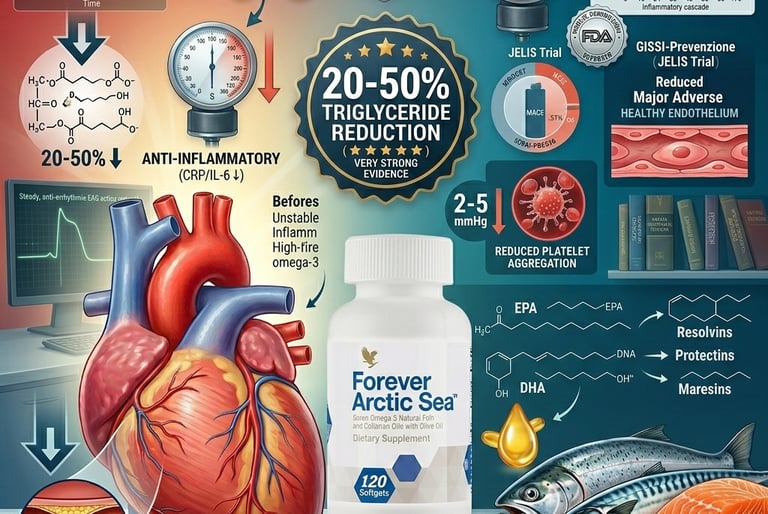
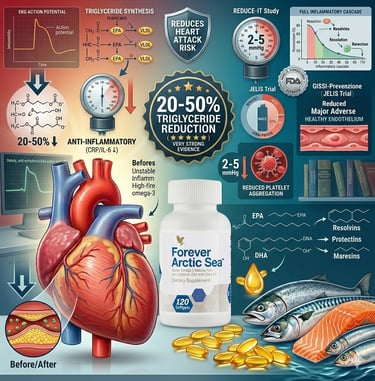
Omega-3s reduce triglycerides 20-50% (FDA-approved!). REDUCE-IT trial: 25% fewer heart attacks. Forever Arctic Sea purified EPA/DHA. Evidence-based guide.
by WellnessWithForever
3/3/202614 min read
How Omega-3 Fatty Acids Promote Heart Health: Evidence-Based Guide with Forever Arctic Sea
By WellnessWithForever 3 March 2026: This post might contain affiliate links.
Cardiovascular disease remains the leading cause of death globally, claiming more lives than all forms of cancer combined. Yet research consistently shows that omega-3 fatty acids—particularly EPA and DHA from marine sources—provide powerful cardiovascular protection through multiple mechanisms. This guide examines the evidence for how omega-3s support heart health, appropriate dosing for different cardiovascular goals, and how Forever Arctic Sea provides high-quality omega-3 support.
Important Medical Disclaimer: Cardiovascular disease is a serious medical condition requiring professional diagnosis and treatment. Omega-3 supplements interact with blood-thinning medications (warfarin, aspirin, clopidogrel, others) and may increase bleeding risk. NEVER stop prescribed heart medications without consulting your healthcare provider. Very high omega-3 doses (>3-4g daily) should be taken under medical supervision. Chest pain, shortness of breath, sudden weakness, or other cardiovascular symptoms require immediate medical attention. Omega-3s provide complementary support but do NOT replace medications for heart disease, high cholesterol, or other cardiovascular conditions. This information is educational and does not replace professional medical care. Always consult healthcare providers before starting supplements, especially if you have medical conditions or take medications.
Key Takeaways
Omega-3s (EPA/DHA) have VERY STRONG evidence for cardiovascular benefits
Powerfully reduce triglycerides 20-50% (FDA-approved for this purpose)
Reduce heart attack risk, sudden cardiac death, cardiovascular mortality
Anti-inflammatory effects reduce chronic inflammation driving atherosclerosis
Stabilize arterial plaque, reduce rupture risk (prevents heart attacks/strokes)
Support healthy blood pressure (modest reduction with higher doses)
May slightly raise LDL but often shifts to larger, less harmful particles
Dosing: 1,000-2,000mg EPA+DHA for heart health; 2,000-4,000mg for high triglycerides
Forever Arctic Sea provides purified, high-quality EPA/DHA from fish and calamari oil
Understanding Omega-3 Fatty Acids
Evidence quality: VERY STRONG for all basic omega-3 biochemistry and cardiovascular mechanisms
What Are Omega-3 Fatty Acids?
Definition: Essential polyunsaturated fatty acids your body cannot produce—must obtain from diet or supplements.
Three main types:
EPA (Eicosapentaenoic Acid):
20-carbon omega-3 fatty acid
Primarily from marine sources (fish, seafood)
Strong anti-inflammatory cardiovascular effects
Reduces triglycerides powerfully
Supports platelet function (reduces excessive clotting)
DHA (Docosahexaenoic Acid):
22-carbon omega-3 fatty acid
Primarily from marine sources
Structural component of cell membranes
Essential for brain and retinal function
Cardiovascular benefits complementary to EPA
ALA (Alpha-Linolenic Acid):
18-carbon omega-3 from plant sources
Body converts to EPA/DHA but VERY INEFFICIENTLY (<10%, often <5%)
Some direct benefits but NOT equivalent to EPA/DHA for heart health
EPA and DHA are the omega-3s with strongest cardiovascular evidence.
Why Omega-3s Are Essential for Heart Health
Cell membrane incorporation:
EPA and DHA incorporate into cell membranes throughout cardiovascular system
Affect membrane fluidity, receptor function, cellular signaling
Critical for heart muscle cells, vascular endothelium, blood cells
Anti-inflammatory effects:
Produce anti-inflammatory compounds (resolvins, protectins, maresins)
Counter-balance pro-inflammatory omega-6 pathways
Reduce chronic vascular inflammation driving atherosclerosis
Multiple cardiovascular mechanisms:
Triglyceride reduction (primary mechanism)
Anti-arrhythmic effects (electrical heart stability)
Antiplatelet effects (reduced excessive clotting)
Blood pressure reduction (vasodilation)
Plaque stabilization (prevents rupture)
Endothelial function improvement
Evidence for Omega-3 Cardiovascular Benefits
Evidence quality: VERY STRONG to STRONG for most cardiovascular benefits
Triglyceride Reduction (Evidence: VERY STRONG)
The most consistent, well-established omega-3 benefit:
Mechanism:
Reduce liver VLDL (very low-density lipoprotein) production
Enhance triglyceride clearance from bloodstream
Reduce triglyceride synthesis in liver
Evidence:
Consistent 20-50% triglyceride reduction with 2,000-4,000mg EPA+DHA daily
FDA-approved prescription omega-3s (Lovaza, Vascepa) specifically for high triglycerides
Dose-dependent response (higher dose = greater reduction)
Effects visible within 4-8 weeks, maximum by 8-12 weeks
Who benefits most:
Triglycerides 150-499 mg/dL (borderline high to very high)
Metabolic syndrome
Insulin resistance, type 2 diabetes
Low HDL cholesterol often accompanies high triglycerides
Dosing for triglyceride reduction:
Triglycerides 150-199 mg/dL: 2,000mg EPA+DHA daily
Triglycerides 200-499 mg/dL: 2,000-4,000mg EPA+DHA daily
Triglycerides ≥500 mg/dL: Prescription omega-3s typically recommended (medical supervision)
Forever Arctic Sea:
2 softgels: ~500mg EPA+DHA (general maintenance)
4 softgels: ~1,000mg EPA+DHA (moderate triglyceride elevation)
4-8 softgels: ~1,000-2,000mg EPA+DH A (high triglycerides, under medical guidance)
Cardiovascular Event Reduction (Evidence: STRONG)
Major cardiovascular outcomes:
Heart attack risk reduction:
Multiple large studies show omega-3 supplementation reduces heart attack (myocardial infarction) risk
Particularly beneficial for people with existing cardiovascular disease
Effects independent of cholesterol levels
Sudden cardiac death reduction:
Strong evidence omega-3s reduce sudden cardiac death (often from arrhythmias)
Anti-arrhythmic effects stabilize heart electrical activity
Particularly protective in high-risk individuals
Cardiovascular mortality reduction:
Studies show reduced cardiovascular death rates with higher omega-3 intake
Effects most pronounced in people with existing heart disease or high cardiovascular risk
Evidence from major studies:
GISSI-Prevenzione trial: 11,000+ heart attack survivors, omega-3s reduced cardiovascular death
JELIS study (Japan): 18,000+ patients with high cholesterol, EPA reduced major coronary events 19%
REDUCE-IT trial: Pure EPA (Vascepa) reduced cardiovascular events 25% in high-risk patients
Multiple meta-analyses confirm cardiovascular benefits
Who benefits most:
People with existing cardiovascular disease (previous heart attack, angina, coronary artery disease)
High cardiovascular risk (diabetes, metabolic syndrome, strong family history)
High triglycerides combined with cardiovascular risk factors
Anti-Inflammatory Effects (Evidence: VERY STRONG for mechanism, STRONG for clinical benefits)
Chronic inflammation and cardiovascular disease:
Chronic low-grade inflammation drives atherosclerosis (plaque formation)
Inflammatory markers (CRP, IL-6, TNF-alpha) predict cardiovascular events
Reducing inflammation reduces cardiovascular risk
How omega-3s reduce inflammation:
Produce anti-inflammatory compounds:
Resolvins (from EPA and DHA)
Protectins (from DHA)
Maresins (from DHA)
These actively RESOLVE inflammation (not just suppress it)
Counter pro-inflammatory pathways:
Compete with omega-6 fatty acids (arachidonic acid) for enzyme pathways
Reduce production of pro-inflammatory eicosanoids (prostaglandins, leukotrienes)
Lower inflammatory cytokines (IL-6, TNF-alpha)
Clinical evidence:
Omega-3 supplementation reduces CRP (C-reactive protein)—marker of cardiovascular inflammation
Reduces other inflammatory markers consistently
Anti-inflammatory effects contribute to plaque stabilization and reduced cardiovascular events
Arterial Plaque Stabilization (Evidence: STRONG)
Why plaque stability matters:
Heart attacks/strokes typically occur from PLAQUE RUPTURE (not just narrowing)
Unstable plaque ruptures, triggers blood clot formation
Clot completely blocks artery → heart attack or stroke
How omega-3s stabilize plaque:
Incorporate into plaque structure making it more stable
Reduce inflammation within plaque (less likely to rupture)
Modify plaque composition (fewer inflammatory cells, thicker fibrous cap)
Reduce smooth muscle cell proliferation
Clinical significance:
More stable plaque = lower heart attack/stroke risk even if plaque present
This is PREVENTION of acute events, not just cholesterol lowering
Blood Pressure Reduction (Evidence: MODERATE to STRONG)
Effect:
Modest blood pressure reduction (typically 2-5 mmHg systolic/diastolic)
More pronounced in people with high blood pressure
Requires higher doses (≥2,000mg EPA+DHA daily)
Mechanism:
Promote vasodilation (blood vessel relaxation)
Improve endothelial function (healthy artery lining)
Reduce vascular resistance
Anti-inflammatory effects benefit blood vessel walls
Clinical relevance:
Modest effect but meaningful at population level
Combines with other interventions (DASH diet, weight loss, exercise)
Every mmHg reduction matters for cardiovascular risk
Antiplatelet Effects (Evidence: STRONG)
What platelets do:
Blood cells that clump together (aggregate) to form clots
Essential for stopping bleeding from injuries
EXCESSIVE platelet aggregation → inappropriate blood clots (heart attack/stroke)
Omega-3 antiplatelet effects:
Reduce excessive platelet aggregation
Make platelets less "sticky"
Reduce thromboxane A2 (potent platelet activator)
Clinical significance:
Reduces risk of inappropriate clot formation in arteries
IMPORTANT: This is why omega-3s interact with blood-thinning medications
Beneficial for cardiovascular protection
Requires caution before surgery or with bleeding disorders
Effect on LDL and HDL Cholesterol (Evidence: MODERATE to STRONG)
LDL cholesterol:
Omega-3s may slightly RAISE LDL in some people (typically 5-10%)
HOWEVER: Often shifts LDL to larger, less atherogenic (less harmful) particles
Small dense LDL particles penetrate artery walls more easily (more dangerous)
Large fluffy LDL particles less likely to cause atherosclerosis
Overall cardiovascular benefit despite potential LDL increase
HDL cholesterol:
May modestly raise HDL ("good" cholesterol)
Effects generally small
Clinical perspective:
Triglyceride reduction and anti-inflammatory effects typically outweigh small LDL increase
Focus on OVERALL cardiovascular risk, not just LDL number
Discuss with healthcare provider if LDL increases significantly
Endothelial Function Improvement (Evidence: MODERATE to STRONG)
The endothelium:
Inner lining of blood vessels
Regulates vascular tone, inflammation, clotting
Endothelial dysfunction is early step in atherosclerosis
Omega-3 benefits for endothelium:
Improve nitric oxide production (vasodilation)
Reduce endothelial inflammation
Improve endothelial repair mechanisms
Enhance vascular reactivity
Clinical relevance:
Healthy endothelium = healthy blood vessels
Protects against atherosclerosis development
Mechanisms: How Omega-3s Protect Your Heart
Evidence quality: VERY STRONG for all mechanisms described
Triglyceride Reduction Pathway
Step 1: Omega-3s reduce liver VLDL synthesis
Inhibit enzymes involved in triglyceride synthesis
Reduce packaging of triglycerides into VLDL particles
Step 2: Enhanced triglyceride clearance
Increase lipoprotein lipase activity (breaks down triglycerides)
Faster removal of triglyceride-rich particles from blood
Result: 20-50% triglyceride reduction with therapeutic doses
Anti-Inflammatory Cascade
Step 1: EPA and DHA compete with omega-6 fatty acids
Displace arachidonic acid (pro-inflammatory omega-6) from cell membranes
Reduce substrate available for pro-inflammatory eicosanoid production
Step 2: Produce specialized pro-resolving mediators (SPMs)
Resolvins, protectins, maresins synthesized from EPA and DHA
These compounds actively RESOLVE ongoing inflammation
Different mechanism than blocking inflammation (like NSAIDs)
Step 3: Reduce inflammatory cytokines
Lower IL-6, TNF-alpha, CRP
Systemic anti-inflammatory effects throughout cardiovascular system
Result: Reduced chronic vascular inflammation, more stable plaque, lower cardiovascular event risk
Membrane Incorporation and Cellular Effects
Cell membrane changes:
EPA and DHA incorporate into phospholipid bilayer of cell membranes
Change membrane fluidity and function
Affect receptor sensitivity, ion channels, cellular signaling
Cardiac myocyte effects:
Stabilize electrical activity (anti-arrhythmic)
Improve calcium handling
Protect against ischemia-reperfusion injury
Vascular smooth muscle effects:
Promote relaxation (vasodilation)
Reduce excessive proliferation
Endothelial cell effects:
Improve nitric oxide production
Reduce adhesion molecule expression (less inflammatory cell recruitment)
Dosing Omega-3s for Heart Health
Evidence quality: STRONG for dose-response relationships
General Cardiovascular Health and Prevention
Target: 1,000-2,000mg EPA+DHA daily
Benefits at this dose:
Baseline cardiovascular protection
Anti-inflammatory effects
Support healthy blood pressure
Reduce cardiovascular event risk in general population
Forever Arctic Sea:
2-4 softgels daily provides this range
Who should use this dose:
Anyone concerned about heart health
Family history of cardiovascular disease
Moderate cardiovascular risk factors
General prevention in middle-aged and older adults
High Triglycerides
Target: 2,000-4,000mg EPA+DHA daily
Benefits at this dose:
Powerful 20-50% triglyceride reduction
Cardiovascular protection in high-risk individuals
Metabolic syndrome support
4-8 softgels daily (work with healthcare provider for monitoring)
Who should use this dose:
Triglycerides 150-499 mg/dL
Metabolic syndrome
Type 2 diabetes with elevated triglycerides
Under medical supervision for triglyceride management
Very high triglycerides (≥500 mg/dL):
Typically require prescription omega-3s (Lovaza, Vascepa)
Medical supervision essential (pancreatitis risk at very high levels)
Existing Cardiovascular Disease
Target: 1,000-2,000mg EPA+DHA daily
Benefits at this dose:
Reduce recurrent cardiovascular events
Sudden cardiac death protection
Anti-arrhythmic effects
Plaque stabilization
2-4 softgels daily
Who should use this dose:
Previous heart attack
Angina or coronary artery disease
Heart failure
Post-cardiac procedures (stents, bypass surgery)
Always use alongside prescribed medications, NOT as replacement
High Blood Pressure
Target: 2,000-3,000mg EPA+DHA daily
Benefits at this dose:
Modest blood pressure reduction (2-5 mmHg)
Vascular health support
Anti-inflammatory benefits
Forever Arctic Sea:
4-6 softgels daily
Combine with:
DASH diet
Weight loss if overweight
Regular exercise
Medication if prescribed
Combining Omega-3s with Other Heart-Healthy Strategies
Evidence quality: VERY STRONG for comprehensive approach
Diet: Mediterranean or DASH Pattern
Why combination works:
Omega-3s address specific pathways (triglycerides, inflammation)
Mediterranean/DASH diet provides comprehensive cardiovascular nutrition
Synergistic effects produce results greater than either alone
Mediterranean diet emphasizes:
Fatty fish 2-3 times weekly (dietary EPA/DHA)
Olive oil (monounsaturated fats, polyphenols)
Abundant vegetables and fruits (fiber, antioxidants, potassium)
Whole grains (fiber, B vitamins)
Nuts and legumes (protein, fiber, healthy fats)
Limited red meat and processed foods
DASH diet emphasizes:
Vegetables and fruits (potassium, magnesium, fiber)
Low-fat dairy (calcium, protein)
Whole grains
Fish, poultry, legumes
Limited sodium, saturated fat, added sugars
Omega-3 supplementation ENHANCES both dietary patterns.
Exercise
Why combination works:
Exercise improves cardiovascular fitness, HDL cholesterol, blood pressure
Omega-3s provide complementary anti-inflammatory, triglyceride-lowering effects
Together: comprehensive cardiovascular protection
Recommended:
150+ minutes moderate-intensity aerobic exercise weekly
Strength training 2+ days weekly
Forever Arctic Sea 2-4 softgels daily
Weight Management
Why combination works:
Weight loss improves all cardiovascular risk factors
Omega-3s may enhance weight loss efforts (modest effect)
Reducing excess weight particularly beneficial for triglycerides
Approach:
Calorie deficit through balanced nutrition
Regular exercise
Forever Arctic Sea supports cardiovascular health during weight loss
Even 5-10% weight loss significantly improves cardiovascular markers
Medications (When Necessary)
Omega-3s COMPLEMENT cardiovascular medications:
With statins:
Statins lower LDL cholesterol powerfully
Omega-3s reduce triglycerides (statins have minimal effect)
Combination addresses BOTH lipid abnormalities
Many cardiologists recommend this combination for comprehensive lipid management
With blood pressure medications:
Omega-3s provide modest additional blood pressure reduction
Anti-inflammatory and vascular benefits complement medication effects
With antiplatelet medications (aspirin, clopidogrel):
Omega-3s have antiplatelet effects
May increase bleeding risk at very high doses
Inform doctor about omega-3 supplementation
Usually safe at typical doses (1,000-2,000mg) with medical supervision
NEVER stop prescribed medications without consulting healthcare provider!
Forever Arctic Sea for Heart Health
Quality omega-3 supplement specifically for cardiovascular support
What Forever Arctic Sea Provides
High-quality EPA and DHA:
Sourced from fish oil and calamari oil
Optimal EPA:DHA ratio for cardiovascular benefits
Purified to remove contaminants (mercury, PCBs, heavy metals)
Third-party tested for purity and potency
Additional cardiovascular support:
Olive oil included (heart-healthy monounsaturated fats, polyphenols)
Sustainable sourcing
Dosing Forever Arctic Sea for Heart Health
General cardiovascular health:
2 softgels daily (~500mg EPA+DHA)
With meals for best absorption
High cardiovascular risk or existing disease:
2-4 softgels daily (~500-1,000mg EPA+DHA)
Alongside prescribed medications
Elevated triglycerides:
4-8 softgels daily (~1,000-2,000mg EPA+DHA)
Under medical supervision for monitoring
Quality Matters
Why Forever Arctic Sea:
Pharmaceutical-grade purification (removes contaminants)
Consistent potency (reliable EPA/DHA content)
Proper storage and freshness (prevents oxidation)
No fishy aftertaste (high-quality processing)
Third-party testing (purity verified)
Avoiding low-quality fish oil:
May contain mercury, PCBs, or other contaminants
Oxidized/rancid (reduced effectiveness, potential harm)
Unclear or inconsistent potency
Strong fishy taste/burps (indicates poor quality)
Safety and Interactions
Evidence quality: VERY STRONG for safety profile and known interactions
General Safety
Omega-3s are generally very safe at appropriate doses:
Mild side effects possible (fishy aftertaste, mild GI upset)
Serious side effects rare at typical doses
Common mild side effects:
Fishy burps or aftertaste (minimize by taking with meals, freezing capsules)
Mild nausea or GI upset (take with food, reduce dose temporarily)
Critical Safety Considerations
Blood-thinning medications (VERY IMPORTANT):
Omega-3s have antiplatelet effects (reduce blood clotting)
May increase bleeding risk when combined with:
Warfarin (Coumadin)
Aspirin
Clopidogrel (Plavix)
Other anticoagulants/antiplatelets
INFORM doctor before starting omega-3s if on blood thinners
May need INR monitoring (for warfarin users)
Usually safe at typical doses (1,000-2,000mg) with medical supervision
Surgery:
STOP omega-3 supplements 1-2 weeks before surgery (bleeding risk)
INFORM surgeon you take fish oil
Resume after surgery as directed by surgeon
Very high doses (>3-4g daily):
Should be taken under medical supervision
May increase bleeding risk
May slightly suppress immune function
May affect blood sugar control in diabetics (monitor)
Fish/seafood allergy:
Avoid fish oil if fish-allergic
Consider algae-based omega-3s instead (vegetarian DHA)
Some highly purified fish oils may be tolerated—discuss with allergist
Frequently Asked Questions
Can omega-3s replace my statin medication?
NO, absolutely NOT for most people who need statins. Omega-3s and statins work through DIFFERENT mechanisms and address DIFFERENT lipid abnormalities. Statins powerfully lower LDL cholesterol (25-55% reduction)—omega-3s do NOT significantly lower LDL (may even raise it slightly). Statins have decades of evidence reducing heart attacks and cardiovascular death. Omega-3s powerfully reduce TRIGLYCERIDES (20-50% reduction)—statins have minimal effect on triglycerides. For people with high LDL cholesterol, existing cardiovascular disease, diabetes, or high cardiovascular risk, statins are often ESSENTIAL and cannot be replaced by omega-3s. BEST approach: Combine omega-3s WITH statin medication (if prescribed) for COMPREHENSIVE lipid protection—statins address LDL, omega-3s address triglycerides and provide anti-inflammatory benefits statins don't offer. Many cardiologists recommend this combination. NEVER stop prescribed statins without consulting healthcare provider—this can be life-threatening for high-risk individuals. Discuss omega-3s as COMPLEMENTARY to (not replacement for) statin therapy.
Will omega-3s raise my LDL cholesterol?
Omega-3 supplements MAY cause modest LDL increases in some people (typically 5-10%). HOWEVER, this isn't necessarily harmful and often reflects beneficial changes in LDL particle characteristics. What typically happens: Increase in LDL number but often conversion to LARGER, LESS ATHEROGENIC (less dangerous) LDL particles. Small dense LDL particles penetrate artery walls more easily (more harmful). Large fluffy LDL particles are less likely to cause atherosclerosis. Net cardiovascular effect: The triglyceride reduction (20-50%), anti-inflammatory effects, plaque stabilization, and anti-arrhythmic benefits of omega-3s typically FAR OUTWEIGH any small LDL increase. Multiple large studies show omega-3s REDUCE cardiovascular events despite potential LDL increase. Clinical approach: Monitor lipid panel after starting omega-3s (retest after 8-12 weeks). If LDL increases significantly AND is clinically concerning in YOUR specific situation, discuss with healthcare provider—they may recommend combining omega-3s with other interventions or adjusting dosage. For MOST people, the overall cardiovascular benefit of omega-3s exceeds any LDL increase concern. Always discuss individual lipid management with your healthcare provider.
How long before I see cardiovascular benefits?
Timeline varies by specific benefit: Triglyceride reduction (fastest): Effects begin within 4-8 weeks, with maximum reduction by 8-12 weeks of consistent supplementation at adequate doses (2,000-4,000mg EPA+DHA for high triglycerides). Anti-inflammatory effects: Measurable reductions in inflammatory markers (CRP, IL-6) typically visible within 6-12 weeks. Blood pressure reduction: Modest effects may appear within 8-12 weeks at higher doses (≥2,000mg). Cardiovascular event protection (most important but longest): Studies showing reduced heart attacks, sudden cardiac death, and cardiovascular mortality required MONTHS TO YEARS of consistent omega-3 supplementation. This is ONGOING PROTECTION accumulating over time, not a quick fix. Cellular incorporation: EPA and DHA gradually incorporate into cell membranes over weeks to months, reaching steady-state after ~3-4 months of daily supplementation. Bottom line: Some benefits (triglycerides) appear relatively quickly (weeks), while cardiovascular event protection requires LONG-TERM CONSISTENT use (months to years). Most people taking Forever Arctic Sea daily (2-4 softgels for general health, 4-8 for specific conditions) should expect measurable lipid improvements within 2-3 months, with cardiovascular protection building over longer-term supplementation. This is marathon, not sprint—consistency matters enormously!
Can I get enough omega-3s from eating fish?
YES, if you consistently eat 2-3 servings of fatty fish WEEKLY, you can obtain adequate omega-3s (1,000-2,000mg EPA+DHA) for general cardiovascular health without supplementation. Fatty fish provide: Salmon (~1,500-2,500mg EPA+DH A per 3 oz), Mackerel (~1,000-2,500mg per 3 oz), Sardines (~1,000-2,000mg per 3 oz), Herring (~1,500-2,000mg per 3 oz). HOWEVER, many people DON'T consistently eat this much fish due to: Cost (quality fatty fish expensive), availability (fresh fish not accessible everywhere), preparation time, taste preferences (many dislike fish), mercury concerns (particularly pregnant women limiting fish intake). Advantages of supplements (Forever Arctic Sea): Convenience (daily capsule vs. cooking fish), consistent precise dosing (know exactly how much EPA+DHA), purified (mercury removed—safer than eating fish for some populations), no fishy taste (for those who dislike fish), cost-effective (for some, supplements cheaper than weekly fish purchases). IDEAL approach: Combine BOTH—eat fatty fish 1-2 times weekly PLUS take Forever Arctic Sea daily for consistent, reliable omega-3 intake. For therapeutic doses (high triglycerides requiring 2,000-4,000mg daily), supplements are MORE PRACTICAL than trying to eat enough fish. Bottom line: Fish is excellent food choice with benefits beyond omega-3s, but supplements ensure consistent adequate intake regardless of dietary variations.
Should I take omega-3s if I'm on blood thinners?
Omega-3s have antiplatelet effects (reduce blood clotting), so combining with blood-thinning medications requires CAUTION and MEDICAL SUPERVISION. DO NOT start omega-3 supplements if on blood thinners without informing your doctor first. Medications affected: Warfarin (Coumadin), aspirin, clopidogrel (Plavix), apixaban (Eliquis), rivaroxaban (Xarelto), other anticoagulants/antiplatelets. The concern: Additive blood-thinning effects may increase bleeding risk, especially at high omega-3 doses (>3g daily). HOWEVER: Omega-3s are NOT necessarily contraindicated—many people safely take BOTH under proper medical supervision. Typical approach: Inform cardiologist/doctor about omega-3 desire, start with lower omega-3 dose (1,000-2,000mg EPA+DHA), monitor for any signs of excessive bleeding (easy bruising, prolonged bleeding from cuts, blood in stool/urine, nosebleeds), INR monitoring for warfarin users (may need warfarin dose adjustment), avoid very high omega-3 doses without specific medical indication. For surgery: STOP omega-3s 1-2 weeks before any surgical procedure (inform surgeon!). Bottom line: Omega-3s with blood thinners CAN be safe with proper medical oversight—DON'T avoid this beneficial supplement just because you're on blood thinners, but DON'T start without informing your healthcare team. Cardiovascular benefits of omega-3s often outweigh bleeding risk when properly managed.
Are omega-3s safe during pregnancy for heart health?
YES, omega-3s are generally safe and BENEFICIAL during pregnancy at appropriate doses, though discuss with OB-GYN before starting. Cardiovascular benefits during pregnancy: Support healthy blood pressure (important as pregnancy increases cardiovascular demands), reduce inflammation, support vascular health. Fetal development benefits: DHA critical for fetal brain and eye development—main reason pregnant women need omega-3s. May reduce preterm birth risk, support healthy birth weight. Recommended dose during pregnancy: 200-300mg DHA daily MINIMUM (many experts recommend 300-600mg total EPA+DHA). Forever Arctic Sea at typical doses (2 softgels providing ~500mg EPA+DHA) is SAFE and appropriate for pregnancy. Important considerations: Choose HIGH-QUALITY, PURIFIED supplements (like Forever Arctic Sea) to avoid mercury exposure that concerns pregnant women about eating fish. Purified omega-3 supplements have mercury and contaminants REMOVED (safer than eating fish for pregnancy). Avoid VERY HIGH DOSES (stick to 1,000-2,000mg total EPA+DHA unless specifically recommended by OB-GYN). ALWAYS inform OB-GYN about all supplements during pregnancy—safety data exists for typical doses but medical supervision important. Continue omega-3s during BREASTFEEDING—DHA passes to baby through breast milk supporting brain development. Bottom line: Omega-3s beneficial for BOTH maternal cardiovascular health AND fetal development during pregnancy—choose purified high-quality supplements, use appropriate doses, inform healthcare provider.
Conclusion
Omega-3 fatty acids from marine sources provide powerful, evidence-based cardiovascular protection through multiple complementary mechanisms. The strongest evidence supports triglyceride reduction (20-50% decrease with therapeutic doses), reduction in heart attack risk and sudden cardiac death, anti-inflammatory effects reducing chronic vascular inflammation, arterial plaque stabilization preventing rupture, and modest blood pressure reduction. These benefits translate to meaningful reductions in cardiovascular events and mortality, particularly in people with existing heart disease or high cardiovascular risk.
The mechanisms underlying omega-3 cardiovascular benefits are well-understood: reduction in liver VLDL synthesis lowering triglycerides, production of specialized pro-resolving mediators actively resolving inflammation, incorporation into cell membranes affecting function throughout cardiovascular system, antiplatelet effects reducing excessive clotting, endothelial function improvement promoting healthy blood vessels, and anti-arrhythmic effects stabilizing heart electrical activity. Together, these mechanisms provide comprehensive cardiovascular protection.
Appropriate dosing depends on cardiovascular goals: 1,000-2,000mg EPA+DHA daily for general cardiovascular health and prevention (Forever Arctic Sea 2-4 softgels), 2,000-4,000mg for high triglycerides or existing cardiovascular disease (4-8 softgels under medical supervision), combined with heart-healthy diet (Mediterranean or DASH pattern), regular exercise, weight management if needed, and prescribed medications when necessary. Omega-3s complement rather than replace cardiovascular medications—statins address LDL cholesterol while omega-3s address triglycerides and inflammation.
Forever Arctic Sea provides high-quality EPA and DHA from purified fish and calamari oil, third-party tested for purity, free from mercury and PCBs, with consistent potency and minimal fishy aftertaste. Quality matters enormously—contaminated or oxidized fish oil reduces effectiveness and may cause harm.
Start omega-3 supplementation for heart health today: Begin Forever Arctic Sea at 2 softgels daily for general cardiovascular protection, increase to 4-8 softgels if you have elevated triglycerides or existing heart disease (consult healthcare provider), take with meals containing fat for best absorption, use consistently (cardiovascular benefits accumulate over time), combine with heart-healthy diet rich in vegetables, fruits, whole grains, lean proteins, maintain regular exercise (150+ minutes weekly), work with healthcare provider for monitoring and medication management when needed. Your heart deserves evidence-based omega-3 protection.
Sources and References
American Heart Association. "Fish and Omega-3 Fatty Acids." https://www.heart.org/
Journal of the American College of Cardiology. "Omega-3 Fatty Acids and Cardiovascular Disease." https://www.jacc.org/
New England Journal of Medicine. "Omega-3 Fatty Acids and Clinical Outcomes." https://www.nejm.org/
Circulation. "Marine Omega-3 Fatty Acids and Cardiovascular Health." https://www.ahajournals.org/journal/circ
National Institutes of Health Office of Dietary Supplements. "Omega-3 Fatty Acids Fact Sheet." https://ods.od.nih.gov/
European Heart Journal. "Omega-3 Fatty Acids in Cardiovascular Disease Prevention." https://academic.oup.com/eurheartj
Journal of Lipid Research. "Mechanisms of Omega-3 Fatty Acid Cardiovascular Benefits." https://www.jlr.org/
About the Author
Naddy is a wellness enthusiast and content creator behind Wellness With Forever. She focuses on simple, practical tips to support a healthy lifestyle through nutrition, movement, and mindful habits.
Disclaimer
This information is for educational purposes only and does not replace professional medical care. Cardiovascular disease requires proper diagnosis and treatment. Omega-3s interact with blood-thinning medications. NEVER stop prescribed heart medications without consulting provider. Very high doses require medical supervision. Forever Arctic Sea provides complementary support but does NOT replace medications. Always consult healthcare providers before starting supplements, especially if you have medical conditions or take medications.
About Us
Follow
© 2025. WellnessWithForever
SUBSCRIBE