How to get rid of a hangover natural relief and recovery tips
Discover effective remedies to get rid of hangover symptoms, featuring essential Forever Living products. From hydrating aloe vera drinks to energy-boosting supplements, learn how to restore balance and feel your best after a night of indulgence!
by WellnessWithForever
11/19/202516 min read
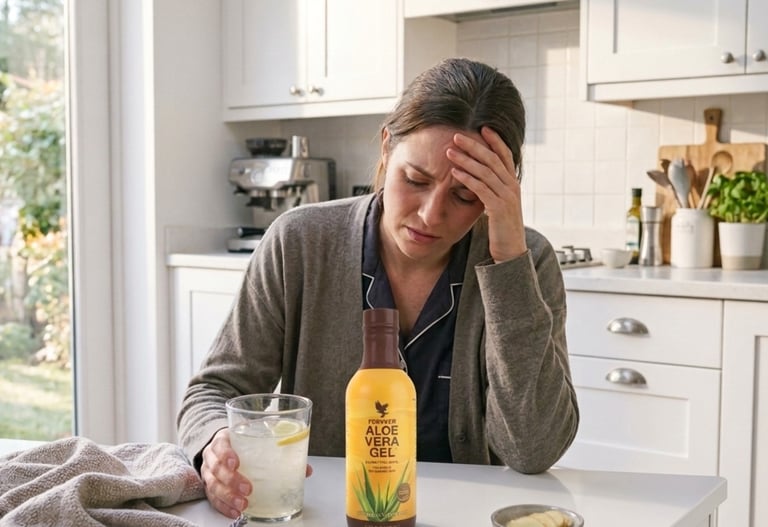
How to get rid of a hangover natural relief and recovery tips
By WellnessWithForever 19 November 2025: This post might contain affiliate links.
Your body goes through significant stress after a night of drinking. The pounding headache, nausea, and exhaustion that follow aren't just about feeling tired—they're your body's response to processing alcohol and its metabolic byproducts.
While there's no magic cure that instantly eliminates hangover symptoms, understanding what your body needs during recovery can help you feel better faster. From hydration to nutrition to rest, supporting your body's natural processes makes a real difference in how quickly you bounce back.
Forever Living products offer portable, natural options to support your body during recovery. These supplements provide nutrients and botanicals that complement your body's healing processes after drinking, helping to get rid of a hangover faster .
Important Medical Note: This article discusses general wellness products and recovery strategies. These are not medical treatments for alcohol-related conditions. If you struggle with alcohol dependence or experience severe symptoms after drinking, please consult a healthcare provider. Excessive alcohol consumption poses serious health risks. The information here is for educational purposes and should not replace professional medical advice.
Key Takeaways
Alcohol causes dehydration and depletes essential nutrients
Recovery involves rehydration, nutrition, and rest
Natural supplements can support your body's healing processes
Prevention strategies significantly reduce next-day discomfort
Severe symptoms require immediate medical attention
No supplement can replace responsible drinking habits
Understanding What Happens When You Drink
When you consume alcohol, your body treats it as a substance that needs processing. This metabolic work affects multiple systems and depletes resources your body needs for normal function.
Alcohol breaks down into acetaldehyde, a compound that your liver then converts into less harmful substances. This process requires nutrients and creates byproducts that contribute to how you feel the next day.
Dehydration and Its Effects
Alcohol acts as a diuretic, increasing urine production. For every standard drink, you may lose significant fluid. This rapid fluid loss doesn't just make you thirsty—it affects your entire body.
When you lose water, you also lose electrolytes like sodium, potassium, and magnesium. These minerals support nerve function, muscle contraction, and many other processes. Low levels contribute to headaches, dizziness, and weakness.
Common Mistake: Many people drink water only after waking up with a hangover. The most effective approach is hydrating before, during, and after drinking—not playing catch-up the next morning.
Nutrient Depletion During Processing
Processing alcohol uses up your body's stores of B vitamins, vitamin C, zinc, and magnesium. These nutrients support energy production and various body functions. When depleted, your recovery takes longer.
Your liver also uses antioxidants during alcohol metabolism. When these protective compounds are exhausted, you may experience increased oxidative stress throughout your body.
Inflammation and Sleep Disruption
Your body mounts an immune response to alcohol, creating inflammation that affects multiple systems. This contributes to body aches and fatigue.
While alcohol might help you fall asleep initially, it disrupts your sleep quality. You miss out on restorative deep sleep stages, which is why you wake up feeling exhausted even after a full night in bed.
Immediate Steps for Recovery
The actions you take in the first few hours after waking up significantly affect how quickly you feel better. Your body needs specific support to recover efficiently.
These aren't miracle cures—they're practical steps that give your body what it needs to heal naturally.
Hydration Strategies That Work
Start with water, but drink it slowly and steadily rather than chugging large amounts at once. Your stomach may be sensitive, and gradual hydration is easier to tolerate.
Aim for about 500ml of water in the first hour after waking. Adding a pinch of sea salt helps replace lost sodium and improves absorption.
Forever Aloe Vera Gel is a popular choice for morning-after hydration. It contains pure aloe vera that many people find soothing for their digestive system while providing fluid. The natural compounds in aloe have traditionally been used to support digestive comfort.
Practical Tip: Keep a large water bottle on your nightstand before going out. When you inevitably wake up at 3 AM thirsty, it's right there. I fill a 1-liter bottle and make it a rule to finish it before going back to sleep. This single habit has cut my hangover severity in half.
Replenishing Essential Nutrients
Your depleted nutrient stores need attention. B vitamins support energy production and various metabolic processes. Vitamin C acts as an antioxidant throughout your body.
Potassium-rich foods like bananas help restore electrolyte balance. Magnesium supports nerve function and may help with headaches.
Forever Daily is a multivitamin containing 55 nutrients including B vitamins, vitamin C, zinc, and other minerals. Taking it helps replenish what alcohol metabolism depleted.
Forever B12 Plus combines vitamin B12, folic acid, and vitamin B6—three vitamins that play important roles in energy metabolism. Many people take this specifically for recovery support.
Rest and Recovery Fundamentals
Your body needs time to heal. Light activity like a gentle walk can improve circulation, but intense exercise when you're dehydrated and depleted isn't helpful.
Sleep supports recovery, though hangover sleep is often restless. Create a dark, cool environment and try to get additional rest if possible.
Common Mistake: Trying to "sweat out" a hangover with intense exercise. You're already dehydrated—intense workouts will make you feel worse. Save the gym session for tomorrow when you're properly hydrated.
Natural Recovery Support Options
Beyond basic hydration, certain natural compounds may support your body's healing processes. These work with your natural systems rather than masking symptoms.
Aloe Vera for Digestive Comfort
Aloe vera has been used for centuries to soothe digestive discomfort. When you drink alcohol, it can irritate your stomach lining, causing nausea and discomfort that persists into the next day.
Forever Aloe Vera Gel contains compounds that many people find soothing for their digestive system. The polysaccharides in aloe have properties that traditional use associates with digestive comfort.
Many users report that drinking 60-120ml of Forever Aloe Vera Gel on an empty stomach provides relief. The cooling sensation is immediate, and they find it helps settle their stomach.
Antioxidant Support
Your body experiences increased oxidative stress after drinking. Antioxidants help neutralize free radicals and support your cells.
Forever Pomesteen Power combines pomegranate, mangosteen, and other antioxidant-rich fruits. The polyphenols and other compounds in these fruits support your body's natural processes.
These antioxidants also support liver function—your primary organ for processing substances your body needs to eliminate.
B Vitamins and Energy Support
B vitamins are essential for energy production at the cellular level. Alcohol metabolism depletes thiamine (B1), riboflavin (B2), niacin (B3), and B12.
Forever B12 Plus provides these nutrients in bioavailable forms. Many people report feeling more energetic within an hour or two of taking B vitamins during recovery.
The folic acid in this supplement also plays a role in producing red blood cells and supporting various metabolic pathways.
Supporting Your Liver
Your liver works hard to process alcohol and its metabolic byproducts. Supporting this vital organ may help it function more efficiently during recovery.
The liver performs hundreds of functions in your body, and alcohol metabolism is one of its most demanding tasks.
Understanding Liver Function
Your liver uses a two-phase process to break down alcohol. First, it converts alcohol to acetaldehyde. Then, it converts acetaldehyde to acetate, which can be eliminated.
This process requires cofactors including zinc, B vitamins, and amino acids. When these nutrients are depleted, the conversion process may slow.
Questions to Ask Your Doctor:
How much alcohol is safe for me given my health history?
Are there any medications I take that interact with alcohol?
Should I be concerned about my liver function?
Are supplements appropriate for my situation?
What warning signs should I watch for?
Omega-3s for General Wellness
Omega-3 fatty acids support overall health, including various aspects of liver function. Forever Arctic Sea provides high-quality fish oil rich in EPA and DHA.
These essential fatty acids are associated with supporting the body's natural inflammatory response. While they won't cure a hangover instantly, they support your body's processes.
Many people who take omega-3s regularly report that their overall recovery from drinking feels smoother, though individual experiences vary.
Foods That Support Recovery
What you eat during recovery matters. The right foods provide nutrients and energy while being gentle on your sensitive digestive system.
Your stomach may not tolerate heavy or spicy foods well, so choosing wisely makes a difference.
Smart Breakfast Choices
Eggs contain cysteine, an amino acid involved in metabolic processes. They're also rich in protein and B vitamins. Scrambled or boiled eggs are usually well-tolerated.
Oatmeal provides complex carbohydrates that help stabilize blood sugar, which often drops after drinking. The fiber supports digestive health without overwhelming your system.
Avocado toast combines healthy fats, potassium, and B vitamins. The monounsaturated fats support nutrient absorption, while potassium helps with electrolyte balance.
Sample Recovery Breakfast:
2 scrambled eggs with a pinch of salt
1 slice whole grain toast with half an avocado
1 banana
500ml water with Forever Aloe Vera Gel mixed in
Forever B12 Plus and Forever Daily with your meal
Common Mistake: Ordering a greasy fast-food breakfast thinking it will "soak up" the alcohol (which is already processed). While you might crave it, greasy food often makes nausea worse. Stick to simple, nutrient-dense options.
Hydrating Fruits and Vegetables
Watermelon is 92% water and contains natural sugars for energy. It's also rich in L-citrulline, an amino acid with various properties.
Bananas are famous for recovery thanks to their potassium content. They also contain natural sugars for quick energy and pectin, which may help settle your stomach.
Leafy greens like spinach provide folate, magnesium, and other nutrients. They're also packed with antioxidants.
Cultural Food Example: In Korea, kongnamul guk (bean sprout soup) is a traditional hangover remedy. In Mexico, menudo (tripe soup) serves the same purpose. In Japan, it's miso soup with pickled plums. Different cultures have developed nutrient-rich, easy-to-digest soups for recovery—and they all share common elements: hydration, salt, and gentle protein.
Protein for Sustained Energy
Lean protein sources like chicken, turkey, or fish provide amino acids your body uses for various processes. Protein also helps stabilize blood sugar.
Greek yogurt combines protein with probiotics that support digestive health. Your gut microbiome can be affected by alcohol, and probiotics help maintain balance.
Forever Lite Ultra protein shake makes it easy to get protein when you don't feel like eating solid food. It contains 17g of protein per serving along with vitamins and minerals. Mix it with aloe vera gel for convenient nutrition.
Preventing Discomfort: Proactive Strategies
The most effective approach to avoiding hangover symptoms is prevention. Understanding how to support your body before, during, and after drinking makes a significant difference.
Your body can handle alcohol better when properly prepared and supported throughout the experience.
Before You Start Drinking
Never drink on an empty stomach. Eating a substantial meal before drinking slows alcohol absorption and provides nutrients your body can use during metabolism. Focus on healthy fats, protein, and complex carbohydrates.
Taking Forever Daily before going out ensures your body starts with adequate nutrient stores. This proactive approach means you're not starting from a deficit.
Hydrating thoroughly before drinking gives you a buffer. Drink at least 500ml of water in the hours before consuming alcohol.
Sample Pre-Drinking Routine (5:00 PM for 7:00 PM event):
Eat a balanced meal with protein, healthy fats, and vegetables
Take Forever Daily multivitamin
Drink 500ml water
Take Forever B12 Plus
Keep drinking water until you leave
Smart Drinking Habits
The one-to-one rule: drink one glass of water for every alcoholic beverage. This simple strategy significantly reduces dehydration.
Lighter-colored alcohols like vodka and gin generally cause less severe symptoms than darker drinks like whiskey and red wine. Dark liquors contain congeners—compounds that may intensify symptoms.
Drinking slowly gives your liver time to process alcohol as you consume it. Aim for no more than one standard drink per hour, which approximates your liver's processing capacity.
Common Mistake: Alternating between different types of alcohol. "Beer before liquor, never sicker" has some truth—but it's more about total volume and pace than order. Mixing drinks often means you lose track of how much you've consumed and end up drinking more overall.
Before Bed Protocol
Before sleep, drink at least 500ml of water with Forever Aloe Vera Gel mixed in. This combination provides hydration while supporting digestive comfort.
Taking Forever B12 Plus before sleep replenishes B vitamins depleted during the evening. Many people report that this single step significantly reduces next-day symptoms.
Keep water by your bedside. You'll likely wake up during the night, and having hydration readily available encourages you to drink more.
Forever Living Products for Recovery Support
Forever Living offers products that support various aspects of recovery. These supplements provide targeted nutrition that addresses what your body experiences after drinking.
Understanding how each product fits into recovery helps you create an effective personal protocol.
Forever Aloe Vera Gel: Foundation of Comfort
Forever Aloe Vera Gel contains 99.7% pure inner leaf aloe vera. Many people make this their first choice for morning-after digestive support.
The polysaccharides in aloe vera have traditionally been associated with soothing digestive discomfort. This helps with nausea and stomach upset that alcohol can cause.
Drinking 60-120ml first thing in the morning, and again in the evening, is a common approach. Many users find it provides noticeable relief within 15-30 minutes.
Forever Daily: Comprehensive Nutrition
Forever Daily is a complete multivitamin designed to fill nutritional gaps. After drinking, your body has depleted stores of vitamins and minerals.
This supplement contains B vitamins, vitamin C, zinc, magnesium, and other nutrients. Taking it helps restore levels more quickly than diet alone.
The blend includes phytonutrients from fruits and vegetables, providing additional antioxidant support.
Forever Active Probiotic: Digestive Balance
Alcohol can disrupt your gut microbiome, affecting the balance of beneficial bacteria. Forever Active Probiotic contains six different bacterial strains designed to survive stomach acid and reach your intestines.
These probiotics support healthy digestion and help maintain microbial balance. Many users take them regularly and report better overall tolerance to occasional drinking.
Taking probiotics after drinking helps support your digestive system's recovery. Some people notice improved comfort and regularity.
Forever Arctic Sea: Omega-3 Support
Forever Arctic Sea provides omega-3 fatty acids EPA and DHA from fish oil. These essential fats support brain health, cardiovascular function, and the body's inflammatory response.
While omega-3s won't eliminate symptoms instantly, they support your body's natural processes. Many people who take them regularly report smoother overall recovery experiences.
The anti-inflammatory properties may help with headaches and body aches, though individual responses vary.
Forever B12 Plus: Energy and Metabolic Support
Forever B12 Plus delivers B12, folic acid, and B6—three vitamins heavily used during alcohol metabolism. These support energy production at the cellular level.
They also support nervous system function, which may help with mental clarity. Many people report that this supplement alone makes a noticeable difference in recovery.
Taking it both before drinking and the next morning provides comprehensive support throughout the process.
Sample Recovery Protocols for Different Scenarios
Different situations call for different approaches. Customize your recovery strategy based on how much you drank and how you're feeling.
Mild Symptoms (1-3 drinks, feeling slightly off)
Morning Routine:
Drink 500ml water immediately upon waking
Mix 60ml Forever Aloe Vera Gel with water
Take Forever Daily with breakfast
Eat simple breakfast: eggs, toast, banana
Continue drinking water throughout the day
Expected Recovery Time: 2-4 hours with proper hydration and nutrition
Moderate Symptoms (4-6 drinks, noticeable discomfort)
Morning Routine:
Drink 500ml water slowly over 30 minutes
Mix 120ml Forever Aloe Vera Gel with water on empty stomach
Wait 30 minutes, then eat light breakfast
Take Forever Daily and Forever B12 Plus with food
Take Forever Active Probiotic
Rest for 1-2 hours
Light walk if feeling up to it
Drink 60ml Forever Aloe Vera Gel again in afternoon
Expected Recovery Time: 4-8 hours with consistent support
Severe Symptoms (7+ drinks, significant distress)
Immediate Actions:
Drink small sips of water constantly (don't chug)
If vomiting, wait 30 minutes before trying aloe vera gel
Once stomach settles, take 60ml Forever Aloe Vera Gel
Eat only when ready: start with crackers or toast
Take Forever B12 Plus first (easier to keep down)
Add Forever Daily once you've kept down food for 1 hour
Consider electrolyte solution if you can't keep water down
Rest completely—this is a lost day
Expected Recovery Time: 12-24 hours minimum
When to Seek Help: If you can't keep down any fluids for 4+ hours, experience severe dizziness or confusion, or symptoms worsen instead of improving.
When to Seek Medical Attention
While most hangovers are uncomfortable but manageable, certain symptoms indicate serious problems. Knowing when to get medical help is crucial.
Your body gives clear signals when something requires professional intervention.
Critical Warning Signs
Alcohol poisoning is life-threatening and requires immediate emergency care. Call emergency services if someone:
Cannot be awakened or is unresponsive
Has slow or irregular breathing (fewer than 8 breaths per minute)
Has blue-tinged skin or lips
Has low body temperature
Is having seizures
Is vomiting while unconscious (choking risk)
Never wait to see if these symptoms improve. Call emergency services immediately.
Severe Dehydration Indicators
Extreme dehydration needs medical attention. Warning signs include:
Inability to keep down any fluids for 6+ hours
No urination for 8+ hours or very dark urine
Extreme dizziness that doesn't improve with rest
Confusion or disorientation
Rapid heartbeat that persists
Severe muscle cramps
If you've been vomiting repeatedly and can't hold down water, you may need intravenous fluids. Don't try to push through severe dehydration.
Symptoms That Aren't Normal Hangovers
Consult a healthcare provider if you experience:
Symptoms lasting more than 24 hours
Symptoms that worsen instead of improving
Severe abdominal pain
Blood in vomit or stool
Jaundice (yellowing of skin or eyes)
Chest pain
Severe headache unlike typical hangovers
These could indicate alcohol-related injuries to your liver, pancreas, or gastrointestinal system.
Real Example: A colleague once insisted his "hangover" was normal despite severe right-side abdominal pain that lasted two days. Turned out to be acute pancreatitis requiring hospitalization. Trust your instincts—if something feels wrong beyond typical hangover symptoms, get it checked.
Addressing Alcohol Use Concerns
If you find yourself frequently dealing with hangovers or drinking more than you intend, it may be time to evaluate your relationship with alcohol.
Questions to Reflect On
Do you regularly drink more than you planned?
Do hangovers interfere with work or responsibilities?
Do you drink to cope with stress or emotions?
Have others expressed concern about your drinking?
Do you feel unable to enjoy social events without alcohol?
If you answered yes to several of these questions, consider speaking with a healthcare provider or counselor. Resources are available to help.
Professional Support Resources
No supplement or natural remedy can address problematic alcohol use. This requires professional support. Organizations like:
Alcoholics Anonymous (AA)
SMART Recovery
Your healthcare provider
Licensed therapists specializing in substance use
These resources provide evidence-based support for anyone concerned about their drinking.
Conclusion
Recovering from a night of drinking doesn't mean you have to suffer all day. Understanding what your body needs—hydration, nutrients, rest—empowers you to support your natural recovery processes effectively.
Your body has remarkable healing abilities when given proper support. Strategic hydration, nutrition, rest, and supplementation work together to help you feel better faster.
Forever Living products provide natural options for supporting recovery. From the soothing effects of Forever Aloe Vera Gel to the comprehensive nutrition of Forever Daily, these supplements address what your body experiences after drinking.
The most important takeaway is prevention. Drinking responsibly, staying hydrated, and supporting your body before, during, and after drinking minimizes discomfort and helps you feel your best. Make informed choices, listen to your body's signals, and use these natural approaches to support your wellbeing.
Remember: These products support general wellness and recovery, but they're not medical treatments. If you struggle with alcohol use, experience severe symptoms, or have health conditions, always consult a healthcare provider. Your health and safety come first.
FAQ
What's the fastest way to feel better after drinking?
The fastest recovery combines immediate rehydration with nutrient replenishment. Start by drinking 500ml of water slowly over 30 minutes. Mix Forever Aloe Vera Gel with water for digestive support. Take Forever B12 Plus to replenish depleted B vitamins. Eat a balanced meal with protein, complex carbs, and healthy fats. Rest as much as possible. Most people feel noticeably better within 2-4 hours using this comprehensive approach, though severe symptoms may take longer.
Can you actually prevent hangover symptoms?
You can significantly reduce symptoms with proper preparation. Eat a substantial meal before drinking, maintain hydration throughout the evening (one glass of water per drink), take Forever Daily before going out, drink Forever Aloe Vera Gel before bed, and pace yourself (no more than one drink per hour). These strategies support your body's processing capacity. While not foolproof, they make a real difference in how you feel the next day.
How long does recovery typically take?
Most symptoms resolve within 24 hours as your body clears alcohol metabolites. However, recovery time varies based on how much you drank, your hydration status, overall health, and how well you support your body. Using targeted nutrition and hydration can reduce mild-to-moderate discomfort to just a few hours. Severe symptoms may require 12-24 hours or more. Persistent symptoms beyond 24 hours warrant medical attention.
Why do some people have worse symptoms than others?
Genetics play a significant role. Some people have more efficient versions of enzymes that break down alcohol. Body weight, biological sex, age, and overall health also matter. Women generally experience worse symptoms due to differences in body composition and lower levels of alcohol-metabolizing enzymes. Medications, health conditions, and hydration status before drinking all influence your experience. Individual variation is completely normal.
Does drinking water before bed help?
Drinking water before bed helps but doesn't completely eliminate symptoms. Dehydration is only one factor—nutrient depletion, inflammation, and metabolic byproducts also contribute. For best results, combine water with Forever Aloe Vera Gel (for digestive support) and take Forever B12 Plus before sleep to address multiple factors. This comprehensive approach works better than water alone.
Are there foods that make symptoms worse?
Yes, certain foods can intensify discomfort. Greasy, fried foods are hard to digest when your stomach is irritated—despite the common craving for them. Very sugary foods cause blood sugar fluctuations that worsen fatigue. Spicy foods may aggravate stomach upset. Caffeine can increase dehydration. Stick to gentle, nutrient-dense foods like eggs, oatmeal, bananas, and lean protein for optimal recovery.
Can Forever Living products address alcohol dependency?
No supplement can address alcohol dependency, which is a serious medical condition requiring professional treatment. However, Forever Living products can support overall wellness and help replenish nutrients depleted by drinking. If you struggle with controlling your alcohol use, experience withdrawal symptoms, or drink despite negative consequences, please seek help from a qualified healthcare provider, therapist, or addiction specialist. Resources are available.
How much aloe vera should I drink for digestive comfort?
For recovery support, many people drink 60-120ml of Forever Aloe Vera Gel first thing in the morning on an empty stomach. You can drink another 60-120ml in the evening if discomfort persists. The soothing compounds work relatively quickly—most people report noticeable relief within 15-30 minutes. Start with the smaller amount and increase if needed. Aloe vera is generally well-tolerated, but if you experience any adverse effects, discontinue use.
Do vitamins really help with recovery?
Vitamins play important roles in recovery. Alcohol metabolism depletes B vitamins, vitamin C, and minerals like magnesium and zinc. Replenishing these nutrients helps your body produce energy and supports various metabolic processes. Forever B12 Plus and Forever Daily provide targeted nutritional support. While they won't magically eliminate all symptoms, many people report that supplementing makes a noticeable difference in their recovery experience and energy levels.
What's the science behind natural recovery support?
Symptoms result from multiple factors: dehydration, inflammation, nutrient depletion, and metabolic byproduct accumulation. Effective recovery addresses these root causes by rehydrating the body, providing anti-inflammatory compounds, replenishing depleted nutrients, and supporting liver function. Forever Living products work together to target these factors, providing support based on how your body processes alcohol and recovers from its effects.
Sources and References
For evidence-based information about alcohol and health, consult these authoritative sources:
National Institute on Alcohol Abuse and Alcoholism (NIAAA): https://www.niaaa.nih.gov - Comprehensive research and information about alcohol's effects
Centers for Disease Control and Prevention (CDC) - Alcohol Use: https://www.cdc.gov/alcohol - Public health information and guidelines
World Health Organization (WHO) - Alcohol: https://www.who.int/health-topics/alcohol - International perspective on alcohol and health
Mayo Clinic - Hangovers: https://www.mayoclinic.org/diseases-conditions/hangovers - Medical information about symptoms and recovery
National Institutes of Health (NIH) - Office of Dietary Supplements: https://ods.od.nih.gov - Evidence-based supplement information
Substance Abuse and Mental Health Services Administration (SAMHSA): https://www.samhsa.gov - Resources for alcohol use concerns and treatment
About the Author
Naddy is a wellness enthusiast and content creator behind Wellness With Forever. She focuses on simple, practical tips to support a healthy lifestyle through nutrition, movement, and mindful habits. Drawing on personal experience and ongoing research into health and wellness, she aims to break down complex topics into clear, easy-to-follow guidance.
Disclaimer: The information in this article is for educational purposes only and does not replace professional medical advice. These statements have not been evaluated by the Food and Drug Administration. Forever Living products are not intended to diagnose, treat, cure, or prevent any disease or medical condition. Always consult your doctor or qualified health professional before starting any new supplements, especially if you have medical conditions, take medications, are pregnant, or are nursing. If you struggle with alcohol use, please seek professional help. Excessive alcohol consumption poses serious health risks.
About Us
Follow
© 2025. WellnessWithForever
SUBSCRIBE