Antioxidant Supplements: The Science Behind What Works and What Doesn't
Decades antioxidant supplement trials disappointing: Vitamin E no CV benefit, beta-carotene harmful, megadose C minimal effect. Whole foods work. Forever products balanced approach.
by WellnessWithForever
3/7/202635 min read
Antioxidant Supplements: The Science Behind What Works and What Doesn't
By WellnessWithForever 7 March 2026: This post might contain affiliate links.
Walk into any pharmacy or health food store and you'll find shelves packed with antioxidant supplements promising to fight aging, prevent disease, and optimize health. Vitamin E for heart health. Beta-carotene for cancer prevention. Resveratrol for longevity. Superfood powders with sky-high antioxidant scores. But here's what the supplement industry doesn't want you to know: decades of rigorous clinical trials testing high-dose antioxidant supplements have produced overwhelmingly disappointing results—and in some cases, evidence of actual harm. Meanwhile, antioxidant-rich whole foods show consistently strong evidence for disease prevention and longevity. This guide examines the science behind antioxidant supplements versus food sources, why the billion-dollar supplement industry's promises rarely match reality, which supplements actually have evidence, and how to genuinely protect yourself against oxidative stress and chronic disease.
Important Medical Disclaimer: Chronic diseases require professional medical diagnosis and treatment. Very high-dose antioxidant supplements may interfere with certain medical treatments (chemotherapy, radiation therapy). Some antioxidants interact with medications (vitamin E with blood thinners, beta-carotene contraindicated for smokers). Evidence does NOT support high-dose antioxidant supplements for disease prevention in most people—may even cause harm in some cases. This information is educational and does not replace professional medical care. Always consult healthcare providers before taking antioxidant supplements, especially if you have medical conditions, take medications, or are undergoing cancer treatment.
Key Takeaways
Antioxidant supplement industry generates billions annually with promises rarely supported by evidence
Large clinical trials of high-dose vitamin E (400-800 IU) showed NO cardiovascular or cancer benefit
Beta-carotene supplements INCREASED lung cancer risk 18-28% in smokers (trials stopped early for harm)
High-dose vitamin E supplements may slightly INCREASE all-cause mortality
Vitamin C megadoses show minimal benefit beyond adequate dietary intake in healthy people
Selenium supplements no benefit in selenium-replete populations, possible diabetes risk at high doses
Mixed antioxidant supplement trials generally show no disease prevention benefit
STRONG evidence for antioxidant-rich FOODS reducing cardiovascular disease, cancer, mortality
Whole foods provide synergistic antioxidant networks supplements cannot replicate
Forever ImmuBlend and Forever Daily provide balanced antioxidant support (moderate doses, diverse compounds)
Best approach: colorful whole foods daily, skip high-dose isolated antioxidant supplements
Understanding Free Radicals and Oxidative Stress
Evidence quality: VERY STRONG for all oxidative stress biochemistry
What Are Free Radicals?
Definition: Molecules or molecular fragments with unpaired electrons in outer orbital, making them highly reactive and unstable. Free radicals desperately seek electrons from other molecules to achieve stability, causing chain reactions of oxidative damage.
Types of free radicals relevant to health:
Reactive Oxygen Species (ROS)—most common: Superoxide anion (O2•−) produced during normal mitochondrial energy production, converted by superoxide dismutase (SOD) to hydrogen peroxide. Hydrogen peroxide (H2O2) not technically a free radical but converts to highly reactive hydroxyl radical in presence of iron or copper. Hydroxyl radical (•OH) extremely reactive, damages virtually anything it contacts including DNA, proteins, lipids. Singlet oxygen produced by UV light exposure, very reactive.
Reactive Nitrogen Species (RNS): Nitric oxide (NO•) important signaling molecule in small amounts, but excess contributes to damage. Peroxynitrite (ONOO−) formed when nitric oxide reacts with superoxide, highly damaging.
Where free radicals come from:
Normal metabolism (unavoidable): Cellular respiration in mitochondria produces ATP energy but approximately 1-2% of oxygen forms superoxide radicals as byproduct. This is NORMAL and continuous—even healthy cells produce free radicals constantly. Immune system deliberately produces free radicals to kill pathogens (respiratory burst). Various enzyme systems generate free radicals as part of normal function.
External sources (avoidable or modifiable): Cigarette smoke contains enormous quantities of free radicals and triggers additional production. Air pollution (ozone, particulate matter, industrial emissions). UV radiation from sun exposure generates singlet oxygen and other radicals in skin. Ionizing radiation (X-rays, cosmic radiation, radon). Certain medications and chemicals. Excessive alcohol metabolism produces free radicals. High-temperature cooking (especially grilling, frying, charring) creates oxidized compounds. Processed and fried foods contain oxidized fats.
The paradox: Free radicals are both ESSENTIAL (immune function, cell signaling, gene expression regulation) AND HARMFUL (when excessive, cause oxidative damage). The body requires BALANCE, not complete elimination.
Oxidative Stress and Cellular Damage
Oxidative stress definition: Imbalance between free radical production and antioxidant defenses, where oxidative damage exceeds repair capacity. Like rust forming on metal, oxidation damages biological molecules.
How oxidative damage occurs:
Lipid peroxidation (damage to fats): Free radicals attack polyunsaturated fatty acids in cell membranes, creating lipid peroxides that propagate chain reactions. Cell membranes become damaged, losing integrity and function. Mitochondrial membranes particularly vulnerable (rich in polyunsaturated fats, high oxygen exposure). Oxidized LDL cholesterol forms when free radicals modify LDL particles—oxidized LDL is taken up by macrophages in artery walls, contributing to atherosclerotic plaque formation.
Protein oxidation (damage to proteins): Free radicals modify amino acids in proteins, causing structural changes and loss of function. Enzymes lose catalytic activity when oxidatively damaged. Structural proteins (collagen, elastin) become cross-linked and rigid, contributing to aging signs like wrinkles and loss of tissue elasticity. Accumulation of oxidatively damaged proteins linked to neurodegenerative diseases.
DNA damage (genetic material): Free radicals attack DNA bases causing mutations, strand breaks, cross-links. DNA damage can lead to errors in replication, gene expression changes, cell dysfunction. If damage occurs in critical genes controlling cell division, may contribute to cancer development. Cells have DNA repair mechanisms, but capacity can be overwhelmed with excessive oxidative stress. Mitochondrial DNA particularly vulnerable (no protective histones, close proximity to electron transport chain producing free radicals).
Consequences of chronic oxidative stress: Accelerated aging (oxidative damage accumulates over lifetime, contributing to age-related decline). Chronic diseases including cardiovascular disease (oxidized LDL, endothelial dysfunction), cancer (DNA mutations, altered gene expression), diabetes (beta cell damage, insulin resistance), neurodegenerative diseases (protein aggregation, neuronal death in Alzheimer's, Parkinson's), eye diseases (cataracts, macular degeneration from light-induced oxidative stress), inflammatory conditions (oxidative stress and inflammation create vicious cycle).
The Body's Endogenous Antioxidant Defense Systems
Evidence quality: VERY STRONG
Before discussing dietary antioxidants, it's critical to understand the body produces its own sophisticated antioxidant defenses—these are the PRIMARY protection against oxidative damage.
Enzymatic antioxidants (proteins that neutralize free radicals):
Superoxide dismutase (SOD): Converts superoxide radicals to hydrogen peroxide (less reactive). Multiple forms: SOD1 (copper-zinc dependent, cytoplasm), SOD2 (manganese dependent, mitochondria), SOD3 (extracellular). First line of defense against superoxide produced during metabolism.
Catalase: Converts hydrogen peroxide to water and oxygen, preventing hydroxyl radical formation. Highly concentrated in peroxisomes and liver where hydrogen peroxide production high. Works synergistically with SOD (SOD produces hydrogen peroxide, catalase removes it).
Glutathione peroxidase (GPx): Uses glutathione to reduce hydrogen peroxide and lipid peroxides. Selenium-dependent enzyme (selenium is essential cofactor). Multiple forms protecting different cellular compartments.
Non-enzymatic antioxidants (small molecules):
Glutathione (GSH): The body's MASTER antioxidant—most abundant intracellular antioxidant. Tripeptide made from glutamate, cysteine, glycine. Directly neutralizes free radicals, reduces oxidized molecules, conjugates toxins for elimination. Recycled by glutathione reductase (requires NADPH). Glutathione depletion associated with numerous diseases and aging.
Alpha-lipoic acid: Both water and fat-soluble, works in multiple compartments. Regenerates other antioxidants (vitamins C and E, glutathione). Involved in mitochondrial energy production.
Coenzyme Q10 (ubiquinone): Fat-soluble antioxidant in mitochondrial membrane. Essential for electron transport chain (energy production). Protects mitochondrial membranes from lipid peroxidation. Levels decline with age and statin medications.
Uric acid: Byproduct of purine metabolism. Acts as antioxidant in extracellular fluids. However, excess causes gout—balance critical.
These endogenous systems are the FOUNDATION of antioxidant protection. Dietary antioxidants SUPPORT but do NOT replace these systems. This is why whole-body antioxidant status depends on nutrients supporting endogenous antioxidant production (selenium for GPx, amino acids for glutathione, cofactors for SOD) as much as direct antioxidant intake.
Dietary Antioxidants: Types and Functions
Evidence quality: STRONG to VERY STRONG for antioxidant biochemistry, varies for health benefits
Vitamin C (Ascorbic Acid)
Antioxidant mechanisms: Water-soluble antioxidant in cytoplasm and extracellular fluid. Directly neutralizes superoxide, hydroxyl radical, singlet oxygen. Regenerates vitamin E from its oxidized form. Required for collagen synthesis (antioxidant role separate from structural role). Enhances immune function partially through antioxidant effects.
Food sources: Citrus fruits (oranges, grapefruit, lemons) provide 50-90mg per serving. Bell peppers, especially red (95mg per half cup). Strawberries (85mg per cup). Broccoli (80mg per cup cooked). Brussels sprouts (75mg per cup). Kiwi (64mg per fruit). Tomatoes. Dark leafy greens (kale, spinach).
Requirements and supplementation: RDA: 90mg daily (men), 75mg daily (women), 35mg additional for smokers (increased oxidative stress). Most people easily achieve through diet. High-dose supplements (500-1,000mg+) have MIXED evidence for health benefits. Excess vitamin C excreted in urine (water-soluble, not stored). Megadoses may cause GI upset, kidney stones in susceptible individuals.
Forever ImmuBlend positioning: Provides vitamin C at moderate beneficial levels (not megadoses) combined synergistically with other immune-supporting antioxidants. Unlike isolated high-dose vitamin C supplements with questionable additional benefits, Forever ImmuBlend includes vitamin C as part of comprehensive formula with vitamin D3, zinc, and botanical antioxidants working together. This balanced approach mirrors the synergistic antioxidant mixtures found in whole foods rather than relying on single high-dose isolated compounds.
Evidence for benefits: STRONG evidence vitamin C deficiency (scurvy) causes serious health problems. MODERATE evidence adequate vitamin C intake supports immune function, may reduce cold duration modestly. LIMITED evidence for high-dose supplementation preventing chronic diseases in well-nourished populations. Some evidence high dietary (not supplemental) vitamin C intake associated with lower cardiovascular disease risk.
Vitamin E (Tocopherols and Tocotrienols)
Antioxidant mechanisms: Fat-soluble antioxidant protecting cell membranes and lipoproteins from lipid peroxidation. Interrupts chain reactions of lipid oxidation. Eight forms: four tocopherols (alpha, beta, gamma, delta), four tocotrienols. Alpha-tocopherol most biologically active and studied. Works synergistically with vitamin C (vitamin C regenerates oxidized vitamin E).
Food sources: Nuts and seeds: almonds (7mg per ounce), sunflower seeds (10mg per ounce), hazelnuts. Vegetable oils: wheat germ oil (20mg per tablespoon), sunflower oil (5mg per tablespoon). Spinach and other leafy greens (2-4mg per cup cooked). Avocado. Fortified cereals.
Requirements and supplementation: RDA: 15mg (22 IU) daily for adults. Most Americans consume less than recommended from food. Supplements typically contain 100-400 IU or more. Natural vitamin E (d-alpha-tocopherol) more bioavailable than synthetic (dl-alpha-tocopherol).
Evidence for benefits (CONTROVERSIAL): STRONG evidence vitamin E prevents lipid peroxidation in vitro (test tube). HOWEVER, high-dose supplementation trials have been DISAPPOINTING. Large trials (HOPE, GISSI) showed NO cardiovascular benefit from 400-800 IU daily vitamin E. Some meta-analyses suggest high-dose vitamin E (≥400 IU) may INCREASE all-cause mortality slightly. Possible harm from very high doses (bleeding risk, may interfere with vitamin K). MODERATE evidence for dietary (not supplemental) vitamin E associated with lower disease risk. Current consensus: Get vitamin E from FOODS, avoid high-dose supplements unless specific medical indication.
Carotenoids (Beta-Carotene, Lycopene, Lutein, Zeaxanthin)
Antioxidant mechanisms: Fat-soluble pigments giving red, orange, yellow colors to fruits and vegetables. Neutralize singlet oxygen particularly effectively. Some (beta-carotene, alpha-carotene, beta-cryptoxanthin) are provitamin A (converted to vitamin A in body). Protect against UV-induced oxidative damage.
Beta-carotene: Precursor to vitamin A, potent antioxidant against singlet oxygen. Food sources: carrots, sweet potatoes, winter squash, pumpkin, cantaloupe, apricots, dark leafy greens (6-12mg per serving). CRITICAL WARNING: High-dose beta-carotene supplements (20-30mg daily) INCREASE lung cancer risk in SMOKERS and asbestos-exposed individuals (multiple trials confirmed). Presumed protective antioxidant actually became pro-oxidant in high-oxidative-stress environment. Never supplement high-dose beta-carotene, especially if you smoke. Food sources safe.
Lycopene: No vitamin A activity, purely antioxidant. Gives tomatoes and watermelon red color. Food sources: cooked tomatoes (bioavailability higher when cooked with oil), tomato sauce/paste (15-25mg per half cup), watermelon, pink grapefruit, guava. Some evidence lycopene associated with reduced prostate cancer risk (observational studies). Supplement trials less convincing.
Lutein and zeaxanthin: Concentrated in eye (macula), protect against blue light oxidative damage. Food sources: kale, spinach, collards (20-40mg per cup cooked), egg yolks. MODERATE evidence supplementation (10-20mg lutein, 2mg zeaxanthin) slows age-related macular degeneration progression in people with disease (AREDS2 trial). May reduce cataract risk.
Carotenoid supplementation consensus: Get from COLORFUL VEGETABLES AND FRUITS. Avoid high-dose isolated carotenoid supplements (beta-carotene risk, limited evidence for others). Whole foods provide carotenoid mixtures with synergistic effects single supplements cannot replicate.
Polyphenols (Flavonoids and Other Compounds)
Evidence quality: STRONG for antioxidant activity, MODERATE for health benefits
Largest and most diverse group of dietary antioxidants. Over 8,000 identified polyphenolic compounds in plant foods. Not essential nutrients but increasingly recognized for health benefits.
Major polyphenol categories:
Flavonoids (largest subgroup):
Flavonols (quercetin, kaempferol) found in onions, apples, berries, tea, red wine. Quercetin has antioxidant and anti-inflammatory effects. Flavones (apigenin, luteolin) in parsley, celery, chamomile. Flavanones (hesperidin, naringenin) in citrus fruits. Flavanols/flavan-3-ols (catechins, epicatechins) abundant in green tea, dark chocolate, apples, grapes. EGCG (epigallocatechin gallate) in green tea particularly potent antioxidant and anti-inflammatory compound. Anthocyanins give blue, purple, red colors to berries, grapes, red cabbage. Strong antioxidants, anti-inflammatory, may support cardiovascular and cognitive health. Isoflavones (genistein, daidzein) in soy. Have estrogenic activity beyond antioxidant effects.
Non-flavonoid polyphenols:
Resveratrol in red wine, grapes, berries. Studied extensively for potential anti-aging effects (activates sirtuins). Evidence MIXED—benefits in animals not consistently reproduced in humans. Ellagic acid in pomegranates, berries, nuts. Curcumin in turmeric. Potent antioxidant and anti-inflammatory, but very poor bioavailability (absorption enhanced by black pepper piperine). Lignans in flaxseeds, sesame seeds, whole grains.
Mechanisms beyond antioxidant activity: Many polyphenols have effects beyond direct free radical scavenging. Anti-inflammatory (inhibit inflammatory enzymes and signaling). Modulate gene expression (affect transcription factors). Support endothelial function (increase nitric oxide production). Influence gut microbiome (polyphenol metabolites produced by gut bacteria). May provide hormetic stress (mild oxidative stress triggering upregulation of endogenous antioxidant defenses—paradoxical benefit).
Evidence for health benefits: STRONG observational evidence: High polyphenol intake from tea, coffee, dark chocolate, berries, vegetables associated with lower cardiovascular disease, diabetes, neurodegenerative disease risk. MODERATE intervention evidence: Green tea polyphenols may modestly improve cardiovascular risk factors. Cocoa flavanols improve endothelial function. Berry anthocyanins may support cognitive function. WEAK to MODERATE evidence for isolated polyphenol supplements (resveratrol supplements have not shown dramatic benefits seen in animal studies, curcumin absorption too poor for meaningful effects without enhancement).
Polyphenol recommendations: Consume WIDE VARIETY of polyphenol-rich foods daily. Tea (green, black, white), coffee, dark chocolate (≥70% cacao), colorful berries, grapes, pomegranates, apples, citrus, onions, leafy greens, herbs and spices. Diversity important—different polyphenols have different targets and effects.
Selenium
Antioxidant role: Essential trace mineral, not directly an antioxidant but ESSENTIAL cofactor for glutathione peroxidase and other selenoproteins with antioxidant functions. Selenium deficiency impairs antioxidant enzyme activity.
Food sources: Brazil nuts (extraordinary—1-2 nuts provide entire daily requirement, 70-90 mcg selenium per nut). Seafood: tuna, halibut, sardines (40-50 mcg per 3 oz). Poultry and meats (moderate amounts). Whole grains (content depends on soil selenium).
Requirements: RDA: 55 mcg daily for adults. Upper limit: 400 mcg daily (excess causes selenosis—hair loss, nail brittleness, neurological symptoms).
Forever Daily positioning: Comprehensive multivitamin providing selenium at safe beneficial levels (supporting glutathione peroxidase function) along with other trace minerals essential for endogenous antioxidant enzymes. Includes zinc (cofactor for SOD), manganese (cofactor for mitochondrial SOD2), copper (cofactor for cytoplasmic SOD1), plus B vitamins supporting glutathione recycling. This approach ensures adequate intake of ALL nutrients supporting body's own antioxidant production rather than focusing exclusively on direct antioxidant supplementation. The proprietary fruit and vegetable blend provides additional phytonutrients and antioxidants from whole food sources in concentrated form.
Evidence: STRONG evidence selenium essential for glutathione peroxidase function. MODERATE evidence adequate selenium status associated with lower cancer risk in selenium-deficient populations. LIMITED evidence for selenium supplementation in selenium-replete populations. Some trials suggest selenium supplementation may increase type 2 diabetes risk at high doses. Recommendation: Ensure adequate intake through diet (Brazil nuts make this easy), avoid high-dose supplements unless deficiency documented.
Other Important Antioxidant Compounds
Zinc: Cofactor for superoxide dismutase (SOD). Involved in over 300 enzymatic reactions. Adequate zinc essential for immune function and antioxidant defenses. Sources: oysters, red meat, poultry, beans, nuts, whole grains. RDA: 11mg (men), 8mg (women).
Manganese: Cofactor for mitochondrial superoxide dismutase (SOD2). Sources: nuts, whole grains, leafy greens, tea. RDA: 2.3mg (men), 1.8mg (women).
Copper: Cofactor for cytoplasmic superoxide dismutase (SOD1). Also involved in iron metabolism. Sources: shellfish, nuts, seeds, organ meats, whole grains. RDA: 900 mcg daily. Balance with zinc important (high zinc can impair copper absorption).
The Antioxidant Supplement Trials: What Decades of Research Revealed
Evidence quality: VERY STRONG for lack of supplement benefits, STRONG for some harms
The antioxidant supplement hypothesis seemed logical: if oxidative stress contributes to disease and aging, and antioxidants neutralize free radicals, then high-dose antioxidant supplements should prevent chronic diseases and extend lifespan. Billions of dollars and decades of research later, the results tell a very different story—one of disappointing outcomes and, in some cases, unexpected harm.
Vitamin E Supplement Trials: The Cardiovascular Disappointment
The promise: Vitamin E is fat-soluble antioxidant protecting LDL cholesterol and cell membranes from oxidation. Observational studies showed people with higher vitamin E intake had lower heart disease risk. Supplement industry heavily promoted vitamin E (typically 400-800 IU daily, far exceeding 15mg/22 IU RDA) for cardiovascular protection.
The reality—major trials:
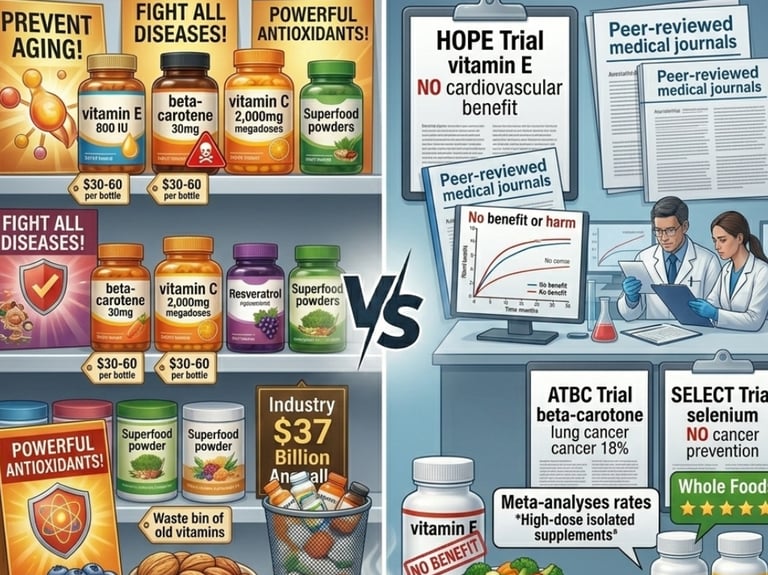
HOPE Trial (Heart Outcomes Prevention Evaluation): Nearly 10,000 patients at high cardiovascular risk randomized to vitamin E 400 IU daily or placebo for 4.5 years. Results: NO reduction in heart attacks, strokes, or cardiovascular deaths. No benefit whatsoever despite high-risk population most likely to benefit if effect existed.
GISSI-Prevenzione Trial: Over 11,000 heart attack survivors given vitamin E 300mg daily, omega-3 fatty acids, both, or neither. Results: Omega-3s reduced cardiovascular events significantly. Vitamin E showed NO benefit for preventing subsequent heart attacks or deaths.
Heart Protection Study: 20,000+ participants with diabetes or vascular disease given vitamin E 600mg, vitamin C 250mg, beta-carotene 20mg, or placebo for 5 years. Results: NO reduction in any cardiovascular events with antioxidant combination. No benefit despite combining multiple antioxidants.
Women's Health Study: Nearly 40,000 healthy women randomized to vitamin E 600 IU every other day for 10 years. Results: NO reduction in heart attacks, strokes, cardiovascular deaths, or total mortality. Even a decade of supplementation in large healthy population showed nothing.
Meta-analyses (combining multiple trials): Large meta-analyses examining vitamin E supplementation across dozens of trials consistently show NO cardiovascular benefit. Some meta-analyses suggest high-dose vitamin E (≥400 IU daily) may SLIGHTLY INCREASE all-cause mortality. The supplement that was supposed to save lives might very slightly shorten them.
Current medical consensus: Do NOT use vitamin E supplements for cardiovascular disease prevention. No major medical organization recommends them. Get vitamin E from foods (nuts, seeds, vegetable oils, leafy greens).
Beta-Carotene Supplements: The Cancer Catastrophe
The promise: Beta-carotene, a carotenoid antioxidant and vitamin A precursor, showed protective associations against cancer in observational studies. Supplement industry and researchers believed high-dose supplementation (typically 20-30mg daily, far exceeding amounts from foods) would prevent cancer, especially lung cancer.
The reality—shocking harm:
ATBC Trial (Alpha-Tocopherol, Beta-Carotene Cancer Prevention Study): 29,000 male smokers in Finland randomized to beta-carotene 20mg daily, vitamin E, both, or placebo. Intended to run many years to demonstrate cancer prevention. Results: Trial STOPPED EARLY after beta-carotene group showed 18% INCREASE in lung cancer incidence and 8% increase in total mortality. The supplement increased exactly what it was supposed to prevent.
CARET Trial (Carotene and Retinol Efficacy Trial): 18,000 smokers and asbestos workers (high lung cancer risk) given beta-carotene 30mg plus vitamin A or placebo. Results: Trial STOPPED EARLY after 21 months (planned for 6 years) due to 28% INCREASE in lung cancer and 17% increase in deaths in supplement group. Another devastating outcome.
Physician's Health Study: 22,000 male physicians (mostly non-smokers) given beta-carotene 50mg every other day for 12 years. Results: NO effect on cancer incidence or mortality in non-smokers. No benefit but also no harm in people not exposed to cigarette smoke oxidative stress.
Why beta-carotene became harmful in smokers: At very high doses in high oxidative stress environment (cigarette smoke), beta-carotene appears to become PRO-OXIDANT rather than antioxidant, generating free radicals instead of neutralizing them. May also interfere with other carotenoids' protective effects. The presumed antioxidant actually made oxidative stress worse in vulnerable population.
CRITICAL WARNING: NEVER supplement with high-dose beta-carotene, especially if you smoke or have smoked. This is not theoretical risk—it's demonstrated harm in multiple large trials. Food sources (carrots, sweet potatoes) are safe—the problem is supraphysiological doses from supplements.
Vitamin C Megadose Trials: Minimal Benefits Despite Linus Pauling's Claims
The promise: Linus Pauling, Nobel Prize-winning chemist, famously promoted megadoses of vitamin C (several grams daily, 20-40 times RDA) for preventing colds, cancer, cardiovascular disease, and extending life. Supplement industry embraced these claims enthusiastically.
The reality:
Common cold prevention and treatment: Dozens of trials testing vitamin C for colds. Meta-analyses show: NO prevention of colds in general population (prophylactic supplementation doesn't reduce cold incidence). MODEST reduction in cold duration (8% in adults, 14% in children—roughly half day shorter cold). May reduce cold incidence in people under extreme physical stress (marathon runners, soldiers in subarctic conditions). Conclusion: Not worth daily supplementation for most people, modest benefits if taken when sick.
Cardiovascular disease prevention: Trials of vitamin C supplements alone show minimal to no cardiovascular benefit in well-nourished populations. Some benefit seen when combined with other interventions but unclear if vitamin C responsible. Observational studies show dietary vitamin C (from fruits/vegetables) associated with lower CVD risk, but supplements don't replicate this.
Cancer prevention: High-dose vitamin C supplements show no cancer prevention benefit in most trials. IV vitamin C at very high doses (far beyond oral supplementation) being researched as adjunct cancer therapy—preliminary results mixed, different mechanism than prevention. Oral supplements ineffective for cancer prevention.
Overall mortality: Large meta-analyses show vitamin C supplements have neutral effect on lifespan—neither extend nor shorten it significantly. No evidence for Pauling's life extension claims from megadoses.
Current recommendations: Adequate vitamin C essential (scurvy prevention, immune function, collagen synthesis). Most people get enough from diet (citrus, berries, peppers, broccoli). Supplementation at RDA levels (75-90mg) or modestly above fine if dietary intake questionable. Megadoses (1,000mg+) have minimal additional benefits and risk kidney stones in susceptible individuals.
Selenium Supplementation: Promising Until It Wasn't
The promise: Selenium essential for glutathione peroxidase (antioxidant enzyme). Observational studies in selenium-deficient regions showed lower selenium status associated with higher cancer risk. SELECT trial designed to test if selenium supplements prevent prostate cancer.
The reality:
SELECT Trial (Selenium and Vitamin E Cancer Prevention Trial): 35,000 men randomized to selenium 200 mcg daily, vitamin E 400 IU, both, or placebo. Intended to run 12 years. Results: Stopped early—NO cancer prevention benefit from selenium or vitamin E. Trend toward INCREASED prostate cancer with vitamin E alone (statistically significant in later follow-up). Trend toward increased type 2 diabetes with selenium. The supplements didn't prevent cancer and may have caused other problems.
Other selenium trials: Benefits seen primarily in selenium-DEFICIENT populations (parts of China, other regions with low soil selenium). No consistent benefits in selenium-replete populations (most of US, Europe). High-dose selenium (>200 mcg daily) may increase diabetes risk in people already selenium-replete.
Current recommendations: Ensure ADEQUATE selenium intake (55 mcg RDA)—easily achieved with 1-2 Brazil nuts daily or seafood, poultry. Avoid high-dose selenium supplements (>200 mcg) unless documented deficiency. More is not better with selenium.
Mixed Antioxidant Supplement Trials: Combination Didn't Help Either
The theory: Perhaps single antioxidants fail because they work synergistically—combining multiple antioxidants might succeed where individual ones failed.
The reality: Trials testing combinations (vitamin C + E + beta-carotene + selenium; various antioxidant cocktails) generally show NO benefit for disease prevention. Heart Protection Study (vitamin E + C + beta-carotene): no cardiovascular benefit. SU.VI.MAX study (vitamins C, E, beta-carotene, selenium, zinc): reduced cancer in MEN but not women, no cardiovascular benefit. Physician's Health Study II (vitamins C, E): no benefits. Combining ineffective supplements doesn't make them effective.
Why Did Supplements Fail When Foods Succeed?
This is THE critical question explaining billions of dollars in disappointing research.
Supraphysiological doses disrupting balance: Supplements provide doses 10-50 times higher than dietary intake. Vitamin E supplements: 400-800 IU (268-536mg) vs. dietary intake 5-15mg. Beta-carotene supplements: 20-30mg vs. dietary intake 3-6mg. At very high doses, antioxidants can become pro-oxidants, disrupt cellular redox balance necessary for signaling, interfere with beneficial oxidative processes (immune function, exercise adaptations).
Missing synergy of whole foods: Foods provide HUNDREDS of compounds working together. Blueberries contain 20+ different anthocyanins plus vitamin C, quercetin, fiber, minerals—isolated anthocyanin pills can't replicate this complexity. Different antioxidants regenerate each other (vitamin C recycles vitamin E)—isolated supplementation breaks these partnerships.
Ignoring endogenous antioxidant systems: Body's OWN antioxidant defenses (SOD, catalase, glutathione) are PRIMARY protection. Foods provide nutrients supporting these systems (selenium for GPx, zinc for SOD, amino acids for glutathione). High-dose supplements focus on direct scavenging while potentially neglecting support for endogenous defenses.
Interference with beneficial oxidative signaling: Free radicals aren't purely harmful—they're essential signaling molecules. Exercise generates oxidative stress triggering beneficial adaptations. Immune cells use free radicals to kill pathogens. High-dose antioxidants may suppress these beneficial processes.
Selection of wrong compounds or forms: Supplements often use synthetic or isolated forms differing from natural food forms. Vitamin E supplements typically only alpha-tocopherol; foods contain all eight tocopherols and tocotrienols. These neglected forms may be important.
Observational study confounding: People eating antioxidant-rich diets also exercise more, don't smoke, maintain healthy weight, eat fiber, consume less processed food. Supplements can't replicate entire healthy lifestyle pattern.
Evidence for Antioxidants and Disease Prevention
Evidence quality varies significantly: STRONG for antioxidant-rich FOODS, WEAK to MODERATE for high-dose SUPPLEMENTS
Cardiovascular Disease
Oxidative stress role in cardiovascular disease: Oxidized LDL cholesterol taken up by macrophages in artery walls, forming foam cells and atherosclerotic plaques. Endothelial dysfunction from oxidative damage impairs nitric oxide production and vascular regulation. Inflammation and oxidative stress create vicious cycle in atherosclerosis.
Dietary antioxidants and cardiovascular health: STRONG observational evidence: People consuming diets rich in antioxidant foods (fruits, vegetables, nuts, tea) have substantially lower cardiovascular disease risk. Mediterranean diet (high in antioxidants from olive oil, vegetables, fruits, nuts, wine) reduces cardiovascular events 30% in intervention trials. Individual antioxidant-rich foods (berries, dark chocolate, tea, nuts) consistently associated with cardiovascular benefits in studies.
Antioxidant supplement trials (DISAPPOINTING): Multiple large trials testing vitamin E supplements (400-800 IU daily) showed NO cardiovascular benefit (HOPE, GISSI-Prevenzione, Heart Protection Study). Some showed possible harm. Beta-carotene supplements showed no benefit. Vitamin C supplements alone showed minimal benefit. Selenium supplementation no cardiovascular benefit in replete populations.
Why the discrepancy (foods vs supplements)? Whole foods provide COMPLEX MIXTURES of antioxidants working synergistically. Fiber, minerals, phytochemicals beyond antioxidants contribute to benefits. High-dose isolated antioxidants may disrupt balance, become pro-oxidant. Antioxidants in food come with nutrients supporting endogenous antioxidant production (selenium, zinc, amino acids for glutathione). Observational studies of diet may reflect overall healthy lifestyle patterns, not just antioxidants.
Current recommendations: Emphasize antioxidant-rich FOODS for cardiovascular protection (strong evidence). Do NOT rely on antioxidant supplements for cardiovascular disease prevention (weak evidence, possible harm at high doses).
Cancer
Oxidative stress and cancer development: DNA damage from free radicals can cause mutations in oncogenes (promote cancer) or tumor suppressor genes (normally prevent cancer). Chronic inflammation and oxidative stress create environment supporting cancer cell survival and proliferation. Oxidative stress may impair immune surveillance allowing cancer cells to escape detection.
Dietary antioxidants and cancer risk: STRONG observational evidence: High intake of fruits and vegetables associated with lower risk of many cancers (especially GI tract, lung, potentially breast, prostate). Specific antioxidant-rich foods (cruciferous vegetables, berries, tomatoes, green tea) show protective associations.
Antioxidant supplement trials and cancer (CONCERNING): Beta-carotene supplements INCREASED lung cancer risk in smokers (ATBC, CARET trials—stopped early due to harm). Vitamin E supplements showed no cancer prevention benefit in most trials. Some evidence high-dose vitamin E may increase prostate cancer risk (SELECT trial). Selenium supplementation showed some benefit in selenium-deficient populations but not selenium-replete, possible diabetes risk at high doses. Mixed antioxidant supplements generally showed no cancer prevention benefit.
Critical consideration for cancer patients: Very high-dose antioxidant supplements may INTERFERE with chemotherapy and radiation therapy (which work partially by generating free radicals to kill cancer cells). Oncologists often recommend avoiding high-dose antioxidant supplements during active cancer treatment.
Current recommendations: Eat antioxidant-rich fruits and vegetables for cancer prevention (strong evidence). Do NOT use high-dose antioxidant supplements for cancer prevention (no benefit, possible harm, especially beta-carotene for smokers). If undergoing cancer treatment, discuss any supplements with oncologist.
Neurodegenerative Diseases (Alzheimer's, Parkinson's)
Oxidative stress in neurodegeneration: Brain particularly vulnerable to oxidative damage (high oxygen consumption, abundant polyunsaturated fats, relatively lower antioxidant defenses in some regions). Protein aggregation in Alzheimer's (amyloid, tau) and Parkinson's (alpha-synuclein) associated with oxidative stress. Mitochondrial dysfunction and oxidative damage prominent in neurodegenerative diseases.
Dietary antioxidants and cognitive health: MODERATE observational evidence: Higher intake of antioxidant-rich foods (berries, leafy greens, fish, nuts, olive oil) associated with better cognitive function and lower Alzheimer's risk. Mediterranean diet and MIND diet (Mediterranean-DASH Intervention for Neurodegenerative Delay) show cognitive benefits in intervention studies. Specific foods: blueberries and strawberries associated with slower cognitive decline, green tea consumption linked to lower dementia risk, flavonoid intake from various sources protective.
Antioxidant supplement trials (LIMITED): Vitamin E supplementation showed modest benefit slowing functional decline in moderate Alzheimer's disease in one trial but other trials negative. Ginkgo biloba (contains antioxidant flavonoids) showed no benefit preventing dementia in large trial. Other isolated antioxidant supplements generally ineffective for preventing or treating neurodegenerative diseases.
Current recommendations: Emphasize dietary pattern rich in antioxidant foods for brain health (Mediterranean/MIND diet). Berries, leafy greens, nuts, olive oil, tea particularly important. Supplements have limited evidence—focus on food-based approaches.
Aging and Longevity
Oxidative stress theories of aging: Free radical theory of aging proposes oxidative damage accumulates over lifetime, contributing to age-related functional decline. Mitochondrial theory of aging: mitochondrial DNA damage from oxidative stress impairs energy production in vicious cycle. Oxidative damage to proteins and lipids alters cellular function with age.
Evidence from dietary antioxidants: MODERATE evidence: Antioxidant-rich dietary patterns associated with markers of slower biological aging (longer telomeres, lower inflammatory markers). Specific compounds studied for anti-aging: resveratrol (activates sirtuins, longevity pathways in animals—human evidence limited), curcumin (anti-inflammatory and antioxidant, poor bioavailability). Caloric restriction with adequate nutrition increases lifespan in many species (mechanism involves upregulation of endogenous antioxidant defenses, not dietary antioxidants per se).
Antioxidant supplement trials and longevity: Large meta-analysis (Cochrane review) found antioxidant supplements (beta-carotene, vitamin A, vitamin E) did NOT increase lifespan. Some evidence for slightly INCREASED mortality with beta-carotene and vitamin E at high doses. Vitamin C and selenium showed neutral effects.
Hormesis and endogenous antioxidant upregulation: Paradoxically, MILD oxidative stress (from exercise, polyphenols, caloric restriction) triggers upregulation of body's OWN antioxidant defenses (Nrf2 pathway activation increasing SOD, catalase, glutathione production). This hormetic response may be MORE beneficial than consuming antioxidants that simply neutralize free radicals without triggering adaptive response. Exercise generates free radicals BUT upregulates antioxidant defenses providing NET benefit. Taking high-dose antioxidant supplements may BLUNT this beneficial adaptive response.
Current recommendations: Focus on antioxidant-rich whole foods, regular exercise, healthy lifestyle for healthy aging. Do not expect anti-aging benefits from high-dose antioxidant supplements (no evidence for lifespan extension, possible harm).
Why Whole Foods Beat Supplements
Evidence quality: STRONG for food superiority, mechanistic understanding MODERATE to STRONG
The disconnect between antioxidant-rich foods (strong disease prevention evidence) and antioxidant supplements (weak to no benefit, sometimes harm) is one of the most important lessons in nutrition science.
Synergy and complexity: Whole foods contain HUNDREDS to THOUSANDS of bioactive compounds including multiple antioxidants working synergistically, fiber supporting gut health and antioxidant compound metabolism, minerals and vitamins supporting endogenous antioxidant enzyme production, polyphenols with anti-inflammatory and gene expression effects beyond antioxidant activity. This complexity cannot be replicated by isolated supplements.
Example—blueberries: Contain anthocyanins (antioxidants giving blue color), quercetin and other flavonols, vitamin C, vitamin K, manganese, fiber, various other polyphenols and organic acids. These compounds work TOGETHER providing benefits greater than sum of parts (synergy). Isolated anthocyanin supplements do not replicate whole blueberry benefits.
Dose and balance: Foods provide antioxidants in moderate physiological doses maintaining balance. Very high-dose supplements can overwhelm systems, become pro-oxidant, interfere with beneficial oxidative signaling. Example: Vitamin E in foods (5-15mg daily) versus supplements (400-800 IU = 268-536mg)—vastly different doses with different effects.
Bioavailability and food matrix: Antioxidants in foods often better absorbed than isolated supplements due to food matrix enhancing absorption. Fat-soluble antioxidants (vitamin E, carotenoids) absorbed with dietary fats in whole foods. Polyphenol absorption and metabolism affected by other food components and gut microbiome. Isolated supplements may be poorly absorbed or metabolized differently.
Supporting endogenous defenses: Whole foods provide nutrients supporting body's OWN antioxidant production (selenium for GPx, zinc and manganese for SOD, amino acids for glutathione synthesis, B vitamins for glutathione recycling). This may be more important than direct antioxidant intake.
Hormetic effects: Some polyphenols in foods may work partially through hormesis (mild stress triggering beneficial adaptations), not just direct antioxidant effects. Very high doses from supplements may bypass hormetic window.
No risk of excess: Virtually impossible to get harmful amounts of antioxidants from whole foods (water-soluble excess excreted, fat-soluble amounts in foods safe). Easy to get excessive amounts from supplements causing imbalance or toxicity.
Practical Strategies for Optimizing Antioxidant Status
Evidence quality: STRONG for food-based approaches
Eat a Rainbow of Colorful Plant Foods
Different colors indicate different antioxidant compounds with unique benefits. Consuming variety ensures comprehensive antioxidant protection.
Red foods (lycopene, anthocyanins): Tomatoes and tomato products, watermelon, red bell peppers, strawberries, raspberries, pomegranates, red grapes, beets. Lycopene bioavailability increases with cooking and fat consumption (tomato sauce with olive oil ideal).
Orange and yellow foods (carotenoids—beta-carotene, alpha-carotene, beta-cryptoxanthin): Carrots, sweet potatoes, winter squash, pumpkin, cantaloupe, oranges, tangerines, yellow bell peppers, peaches, apricots, mangoes. Many also provide vitamin C.
Green foods (lutein, zeaxanthin, chlorophyll, various flavonoids): Dark leafy greens (kale, spinach, collards, Swiss chard), broccoli, Brussels sprouts, green beans, asparagus, green bell peppers, kiwi, avocado, green tea. Many also provide vitamin C, vitamin K, folate.
Blue and purple foods (anthocyanins): Blueberries, blackberries, purple grapes, eggplant, purple cabbage, plums, prunes, acai berries. Anthocyanins particularly beneficial for cardiovascular and cognitive health.
White and tan foods (quercetin, allicin, anthoxanthins): Onions, garlic, cauliflower, mushrooms, potatoes (with skin), bananas, white beans. Allicin in garlic has antioxidant and antimicrobial properties.
Practical goal: Include multiple colors at each meal when possible. Example: breakfast with berries (purple/blue), spinach omelet (green), orange slices (orange). Lunch with mixed greens salad (green), red bell pepper (red), carrots (orange), purple cabbage (purple). Dinner with salmon (pink), roasted Brussels sprouts (green), beets (red). This ensures diverse antioxidant intake daily.
Prioritize Antioxidant-Rich Foods
While all fruits and vegetables provide antioxidants, some are particularly concentrated sources.
Highest antioxidant capacity foods (ORAC values—Oxygen Radical Absorbance Capacity): Berries consistently rank highest: wild blueberries, cultivated blueberries, blackberries, cranberries, strawberries, raspberries. Dark chocolate and cocoa (70%+ cacao). Pecans, walnuts, hazelnuts. Artichokes. Kidney beans, black beans, pinto beans. Apples (especially with skin). Plums, prunes. Cherries.
Herbs and spices (extremely concentrated): Cloves, cinnamon, oregano, turmeric, cocoa powder, cumin, parsley, basil, ginger. While consumed in small quantities, significantly contribute to total antioxidant intake. Fresh herbs and quality spices preferred.
Beverages: Green tea (EGCG and other catechins), black tea, white tea, coffee (chlorogenic acid and other polyphenols), red wine in moderation (resveratrol, quercetin, anthocyanins). Tea and coffee consumption associated with lower risk multiple chronic diseases in large studies.
Practical integration: Daily berries (fresh or frozen, half to one cup). Handful of nuts daily (particularly walnuts, pecans, almonds). Dark chocolate small amounts (1 oz/day providing ~200 calories). Green or black tea (2-3 cups daily). Liberal use of herbs and spices in cooking. Beans and lentils several times weekly. Forever ImmuBlend provides additional concentrated botanical antioxidants complementing dietary sources. Forever Daily fruit and vegetable blend adds convenient phytonutrient support when fresh produce consumption falls short.
Support Endogenous Antioxidant Production
Often overlooked but CRITICAL—supporting body's own antioxidant enzyme production may be more important than dietary antioxidant intake.
Ensure adequate selenium (for glutathione peroxidase): 1-2 Brazil nuts daily provides entire requirement easily. Alternatively, seafood, poultry, whole grains. Forever Daily includes selenium at optimal levels supporting glutathione peroxidase function without excessive doses that showed diabetes risk in trials.
Ensure adequate zinc (for SOD): Oysters, red meat, poultry, beans, nuts, whole grains. RDA: 8-11mg daily. Supplementation (15-30mg) if dietary intake questionable. Forever ImmuBlend and Forever Daily both provide zinc supporting superoxide dismutase enzyme critical for neutralizing superoxide radicals.
Ensure adequate manganese (for mitochondrial SOD2): Nuts, whole grains, leafy greens, tea. Easily obtained from varied diet. Forever Daily includes manganese supporting mitochondrial antioxidant defenses where much oxidative stress generated.
Support glutathione production (master antioxidant): Adequate protein intake (provides amino acids cysteine, glutamate, glycine needed for synthesis). Cruciferous vegetables (broccoli, Brussels sprouts, cauliflower, kale) contain sulforaphane upregulating glutathione synthesis. Whey protein particularly rich in cysteine (glutathione precursor). N-acetylcysteine (NAC) supplements increase glutathione (used medically for acetaminophen overdose), though dietary approaches preferred. Vitamin C and alpha-lipoic acid help recycle glutathione.
Activate Nrf2 pathway (upregulates multiple antioxidant genes): Cruciferous vegetables (sulforaphane), turmeric (curcumin), green tea (EGCG), berries (various polyphenols). This hormetic activation of endogenous defenses may be MORE powerful than consuming antioxidants passively.
Exercise (The Antioxidant Paradox)
Exercise generates free radicals through increased oxygen consumption and metabolic activity. Yet regular exercise is one of the MOST POWERFUL interventions for reducing oxidative stress and chronic disease. Why?
Hormetic adaptation: Exercise-induced oxidative stress triggers upregulation of endogenous antioxidant defenses (increased SOD, catalase, glutathione peroxidase expression, enhanced glutathione synthesis, improved mitochondrial function and quality control). This adaptive response provides protection that persists beyond exercise bout. Regular exercisers have HIGHER antioxidant capacity than sedentary people despite generating more free radicals during activity.
Improved overall redox status: Through adaptation, trained individuals better manage oxidative stress during rest AND exercise. Enhanced antioxidant defenses, improved mitochondrial efficiency (less free radical production for same ATP output), better oxidative damage repair.
Caution with antioxidant supplements and exercise: Some evidence very high-dose antioxidant supplementation (vitamin C + E) may BLUNT beneficial training adaptations by preventing hormetic signaling. Moderate dietary antioxidant intake from food appears safe and beneficial. Avoid megadose supplements around training times.
Practical recommendations: Regular exercise (150+ minutes moderate or 75+ minutes vigorous weekly). Consume antioxidant-rich foods to support recovery. Avoid very high-dose antioxidant supplements that may interfere with adaptations.
Minimize Pro-Oxidant Exposures
Reducing free radical generation as important as increasing antioxidant intake.
Don't smoke (THE most important): Cigarette smoke contains enormous free radicals and depletes antioxidants. Single most damaging oxidative stress source. Quitting provides immediate and long-term oxidative stress reduction.
Limit alcohol consumption: Alcohol metabolism generates free radicals (acetaldehyde). Moderate consumption (especially red wine with polyphenols) may have net benefit. Excessive consumption increases oxidative stress significantly. Limit to 1 drink daily (women) or 2 drinks daily (men) maximum.
Protect skin from excessive UV exposure: UV radiation generates free radicals in skin causing oxidative damage (wrinkles, age spots, skin cancer risk). Use sunscreen, protective clothing, avoid excessive midday sun. Dietary antioxidants (especially carotenoids) provide some internal photoprotection but do not replace topical sun protection.
Minimize exposure to air pollution: When possible, avoid high-traffic areas during peak pollution, use air purifiers indoors, consider timing outdoor exercise when air quality better.
Avoid charred and heavily browned foods: High-temperature cooking (especially grilling, frying, charring) produces oxidized compounds and advanced glycation end products (AGEs). Use gentler cooking methods (steaming, poaching, baking at moderate temperatures). If grilling, marinate first (antioxidants in marinades reduce oxidation), remove charred portions.
Limit processed and fried foods: Contain oxidized fats, trans fats, AGEs. Emphasize fresh whole foods prepared simply.
Forever Living Products for Antioxidant Support
The disappointing results from high-dose isolated antioxidant supplement trials have important implications for choosing supplements wisely. Rather than megadoses of single antioxidants like vitamin E 800 IU or beta-carotene 30mg that showed no benefits or harm in trials, a balanced moderate approach providing diverse antioxidant support appears more aligned with how antioxidants work in whole foods.
Forever ImmuBlend: Comprehensive immune and antioxidant support formula designed with synergistic blend avoiding high-dose isolated compound pitfalls. Contains vitamin D3 (essential for immune function, works synergistically with other antioxidants), vitamin C at moderate beneficial levels (not megadoses—provides antioxidant and immune support without risks of very high-dose supplementation), zinc (essential cofactor for superoxide dismutase enzyme, critical for both antioxidant defenses and immune function), mushroom extracts including maitake and shiitake (provide polysaccharides and antioxidant compounds with immune-modulating effects, represent traditional foods used for centuries), powerful antioxidant botanicals providing diverse polyphenols and plant compounds from multiple sources creating synergistic effects similar to eating variety of antioxidant-rich foods.
Key advantages of Forever ImmuBlend approach: Provides balanced antioxidant support through multiple mechanisms rather than relying on single high-dose isolated antioxidant that clinical trials showed ineffective. Moderate doses of each component avoid supraphysiological levels that can disrupt redox balance or become pro-oxidant. Diverse botanical sources provide spectrum of antioxidant compounds (different polyphenols, flavonoids, carotenoids) working synergistically like compounds in whole foods. Includes nutrients supporting endogenous antioxidant production (zinc for SOD) alongside direct antioxidants. Focuses on immune support where antioxidants play legitimate role (protecting immune cells from oxidative damage during pathogen response) rather than making unsubstantiated disease prevention claims.
Forever Daily: Comprehensive multivitamin and mineral formula ensuring foundational nutrition supporting body's own antioxidant systems—potentially more important than direct antioxidant supplementation given clinical trial results. Includes selenium (cofactor for glutathione peroxidase—body's critical antioxidant enzyme, adequate selenium essential for this system to function), zinc (cofactor for copper-zinc superoxide dismutase in cytoplasm, involved in over 300 enzymatic reactions including many antioxidant processes), manganese (cofactor for manganese superoxide dismutase in mitochondria where much oxidative stress generated), copper (works with zinc in SOD1, balance with zinc important), vitamin C at RDA levels (supports antioxidant defenses, regenerates vitamin E, essential for immune function and collagen synthesis), vitamin E from multiple tocopherols (not just isolated alpha-tocopherol like supplements in failed trials, provides more complete vitamin E profile closer to foods), B vitamins including B2 (riboflavin), B3 (niacin), B6 (pyridoxine) supporting glutathione recycling and overall cellular antioxidant capacity, proprietary blend of fruits and vegetables providing concentrated phytonutrients, polyphenols, and antioxidants from whole food sources (captures some of the synergistic benefits of whole foods in convenient supplement form).
Why Forever Daily approach addresses supplement trial failures: Supports endogenous antioxidant enzyme production (SOD, catalase, glutathione peroxidase) which may be MORE important than consuming direct antioxidants based on understanding that body's own defenses are primary protection. Provides nutrients at levels filling common dietary gaps (many Americans deficient in selenium, zinc, vitamin D) rather than megadoses far exceeding any dietary intake. Includes diverse antioxidants from fruit and vegetable blend rather than isolated high-dose single compounds that failed in trials. Balanced formulation prevents nutrient imbalances that can occur with high-dose isolated supplementation (excess zinc impairing copper, very high vitamin E interfering with vitamin K). Convenient comprehensive nutrition supporting overall health including but not limited to antioxidant defenses.
Positioning and appropriate use: Forever ImmuBlend and Forever Daily are designed to COMPLEMENT antioxidant-rich whole foods diet, not REPLACE it. Colorful fruits, vegetables, nuts, seeds, tea, and dark chocolate should remain primary antioxidant sources based on strong evidence. These supplements provide convenient insurance against nutritional gaps and support for body's endogenous antioxidant systems. They avoid the high-dose isolated antioxidant approach that failed in clinical trials while providing balanced moderate support shown safe and potentially beneficial. Combined with evidence-based diet rich in whole food antioxidants, regular exercise upregulating endogenous defenses, and minimization of oxidative stress exposures (not smoking, limiting alcohol, sun protection), these products support comprehensive oxidative stress defense without relying on disproven supplement strategies.
What Forever products do NOT claim: Do not promise disease prevention, life extension, or dramatic health transformations based on antioxidant content alone—clinical trials showed such claims from high-dose supplements unfounded. Do not provide megadoses of isolated antioxidants (vitamin E 800 IU, beta-carotene 30mg, vitamin C 2,000mg) that research showed ineffective or harmful. Do not suggest supplements can replace healthy diet and lifestyle—these remain foundational. Instead, provide realistic moderate support for antioxidant defenses as part of comprehensive wellness approach grounded in scientific evidence about what actually works.
Frequently Asked Questions
Should I take high-dose antioxidant supplements?
For most healthy people, NO. Large clinical trials testing high-dose vitamin E (400-800 IU), beta-carotene (20-30mg), and vitamin C (500-1,000mg+) showed overwhelmingly disappointing results. Vitamin E showed NO cardiovascular or cancer prevention in multiple trials, with some meta-analyses suggesting slightly increased mortality. Beta-carotene supplements INCREASED lung cancer 18-28% in smokers (ATBC and CARET trials stopped early for harm)—never supplement if you smoke. Vitamin C megadoses showed minimal benefit beyond adequate dietary intake. Selenium helped only deficient populations, with possible diabetes risk at high doses.
Why supplements fail when foods succeed: Whole foods provide synergistic compound mixtures, fiber, moderate physiological doses, and nutrients supporting endogenous antioxidant production. High-dose isolated supplements may disrupt redox balance, become pro-oxidant, and interfere with beneficial signaling.
When supplements may help: Documented deficiency, specific medical conditions under supervision (vitamin E for Alzheimer's at specific doses, lutein/zeaxanthin for macular degeneration), or inadequate dietary intake with moderate supplementation filling gaps.
Better approach: Emphasize antioxidant-rich whole foods (strong evidence), support endogenous production (selenium, zinc, protein), consider balanced supplements like Forever ImmuBlend and Forever Daily (diverse support without megadoses), exercise regularly, minimize oxidative exposures. Skip high-dose isolated supplements unless specific medical need.
Can antioxidants interfere with cancer treatment?
YES, potentially—this is a critical concern oncologists take seriously. Chemotherapy and radiation work partially by generating free radicals that damage cancer cells. Very high-dose antioxidant supplements might protect cancer cells from this oxidative damage, reducing treatment effectiveness.
Current evidence: Animal and cell studies show high-dose antioxidants CAN reduce chemo/radiation effectiveness. Human evidence is mixed but concerning enough for most oncologists to recommend caution. Some observational studies suggest supplement use during treatment associated with worse outcomes.
Oncology recommendations: AVOID high-dose supplements during active treatment (vitamin C >500mg, vitamin E >400 IU, beta-carotene, selenium >200 mcg). Moderate amounts from food generally safe and beneficial. Standard multivitamin at RDA levels typically acceptable but discuss with oncologist. After treatment, antioxidant-rich diet supported for cancer survivors.
What to do: Discuss ALL supplements with oncology team before, during, and after treatment. Focus on nutrient-dense whole foods (adequate protein, calories, vegetables, fruits). Stay hydrated, manage side effects, maintain strength. Follow oncologist guidance—they'll recommend evidence-based approaches. During active treatment, avoid high-dose supplements. After treatment, antioxidant-rich foods beneficial. Always coordinate with your cancer care team.
Are all antioxidants created equal?
Absolutely not—different antioxidants have vastly different properties and evidence quality.
Water-soluble vs. fat-soluble: Water-soluble (vitamin C, glutathione, polyphenols) work in blood and cytoplasm, not stored, need regular intake. Fat-soluble (vitamin E, carotenoids, CoQ10) protect membranes, stored in tissues, risk of accumulation at very high doses.
Direct vs. indirect: Direct antioxidants neutralize radicals (vitamins C/E, carotenoids, polyphenols). Indirect support endogenous systems (selenium for glutathione peroxidase, sulforaphane activating Nrf2)—may be MORE powerful long-term.
Single vs. mixtures: Isolated supplements (vitamin E pill, beta-carotene) provide one compound at high dose with questionable benefits and some harm. Whole foods (berries with 20+ anthocyanins plus vitamin C, quercetin, fiber) provide synergistic effects with strong evidence.
Different roles: Vitamin E protects membranes. Vitamin C regenerates vitamin E. Carotenoids neutralize singlet oxygen. Polyphenols have anti-inflammatory and gene expression effects. Glutathione is master detoxifier. Each unique—diversity matters.
Evidence varies enormously: Vitamin C deficiency causes scurvy (essential). High-dose vitamin E supplements ineffective, possible harm. Beta-carotene supplements harmful for smokers. Polyphenols from foods beneficial. Not all equal—get diverse intake from whole foods rather than isolated megadose supplements.
Do I need more antioxidants if I exercise regularly?
Counterintuitively, no—regular exercise actually UPREGULATES your body's own antioxidant defenses through hormetic adaptation, making you better protected despite generating more free radicals during activity.
The exercise paradox: Acute exercise increases free radical production, which acts as a SIGNAL triggering beneficial adaptations. Over weeks of training, your body upregulates SOD, catalase, glutathione peroxidase, and glutathione synthesis. Regular exercisers have higher antioxidant enzyme levels and better redox balance than sedentary people. Exercise generates stress BUT makes you more resistant overall—this is hormesis.
Supplements and training: Some research suggests very high-dose vitamin C + E (1,000mg + 400 IU) may blunt training adaptations by preventing the oxidative signaling needed for improved antioxidant defenses, insulin sensitivity, and mitochondrial biogenesis. Moderate intake from food doesn't interfere and supports recovery.
Recommendations for exercisers: Eat antioxidant-rich foods (berries, vegetables, nuts, tea) supporting recovery. Ensure adequate protein, selenium, zinc, manganese. Avoid megadose supplements around training—may interfere with adaptations. Moderate intake from food or balanced supplements like Forever Daily safe. Your exercise-induced antioxidant upregulation is more powerful than any supplement—don't interfere with it. Support with whole foods, not megadoses.
What about "superfood" antioxidant powders and juices?
The supplement industry heavily markets concentrated superfood blends, acai/goji berry products, and exotic fruit juices with extraordinary antioxidant claims. Are they worthwhile?
Marketing appeal: Products cite high ORAC values (test tube measurements). Exotic sources (acai from Amazon, goji from Himalayas) marketed as superior to common foods.
Reality: ORAC test tube values don't predict health benefits in humans—FDA and USDA removed database due to marketing misuse. Many "superfoods" contain beneficial antioxidants but aren't dramatically superior to common affordable foods. Blueberries, strawberries, and grapes have similar compounds. Much cheaper options provide equivalent antioxidant capacity—frozen berries $10-15 monthly versus superfood powders $30-60.
Evidence: Generally WEAK for exotic supplements—few human trials, mostly cell culture or animal studies. Potential issues include expense, processing degrading compounds, added sugars in juices, missing fiber and synergistic whole food components, possible contamination.
When appropriate: Convenience when whole foods truly unavailable, adding to smoothies for variety (not sole source), specific compounds with evidence at appropriate doses.
Better approach: Frozen berries year-round, affordable antioxidant foods (beans, nuts, greens, tea, coffee, dark chocolate), variety of colorful produce. Forever ImmuBlend provides balanced support from diverse botanicals without exotic marketing. Skip expensive superfood powders—common whole foods provide equal or better benefits with strong evidence and lower cost.
Can eating too many antioxidants be harmful?
From whole foods, virtually impossible—your body regulates absorption and excretion, and food amounts don't reach toxic levels. From high-dose supplements, yes—excessive intake can be harmful.
Pro-oxidant effects: Many antioxidants become pro-oxidant at very high doses. Vitamin C at megadoses generates free radicals with free iron. Beta-carotene in high doses in smokers' lungs becomes pro-oxidant, explaining increased cancer risk in trials.
Disrupted redox balance: Cells maintain carefully regulated oxidative balance for signaling, gene expression, and immune function. Very high antioxidants may disrupt this, interfering with beneficial processes. Immune cells use free radicals to kill pathogens. Exercise-induced stress triggers adaptations. Chemo/radiation works via oxidative damage—high antioxidants might interfere.
Specific toxicities: Vitamin E >1,000 IU long-term may increase bleeding and mortality. Beta-carotene supplements increase lung cancer in smokers. Selenium >400 mcg causes selenosis. Vitamin A >10,000 IU causes toxicity.
Nutrient imbalances: High zinc impairs copper. High vitamin E interferes with vitamin K. Megadoses compete with other nutrients' absorption.
Reality: Concerns apply to high-dose supplements (vitamin E 400-800 IU, vitamin C 1,000+ mg, beta-carotene 20-30mg)—impossible from food. Eating lots of berries and vegetables won't cause problems. Moderate supplementation at RDA levels (Forever Daily) safe. Don't worry about too many antioxidants from whole foods. Be cautious with high-dose isolated supplements.
Conclusion
The antioxidant supplement story represents one of modern nutrition science's most sobering lessons: logical theory, promising observational data, and billions in research funding produced overwhelmingly disappointing results when put to rigorous testing. Decades of large clinical trials conclusively demonstrate that high-dose isolated antioxidant supplements do not prevent cardiovascular disease, cancer, or premature mortality in well-nourished populations—and in some cases cause harm.
The evidence is clear and consistent across major supplement trials. Vitamin E supplements at 400-800 IU daily showed no cardiovascular or cancer prevention benefit across multiple trials enrolling tens of thousands of participants followed for years, with some meta-analyses suggesting slightly increased all-cause mortality at high doses. Beta-carotene supplements at 20-30mg daily actually INCREASED lung cancer risk 18-28% and mortality in smokers and asbestos workers in two large trials both stopped early for harm—a cautionary tale about assuming isolated compounds replicate whole food benefits. Vitamin C megadoses beyond dietary adequacy show minimal additional health benefits despite Linus Pauling's famous promotion, with no effect on lifespan in meta-analyses. Selenium supplementation showed no cancer prevention in selenium-replete populations and possible increased diabetes risk. Mixed antioxidant combinations fared no better than individual supplements.
Meanwhile, antioxidant-rich whole foods show remarkably consistent evidence for disease prevention and longevity across hundreds of observational studies and intervention trials. People consuming diets rich in colorful fruits, vegetables, nuts, seeds, tea, and dark chocolate have substantially lower risk of cardiovascular disease, cancer, neurodegenerative diseases, and premature death. Mediterranean diet and similar patterns high in dietary antioxidants reduce cardiovascular events 30% in rigorous trials. The disconnect between supplement failure and food success reflects fundamental differences: whole foods provide synergistic mixtures of hundreds of bioactive compounds working together in ways isolated pills cannot replicate, physiological doses maintaining balance versus supraphysiological supplement doses disrupting redox regulation, nutrients in foods supporting endogenous antioxidant production (selenium, zinc, amino acids for glutathione) which may be more critical than direct antioxidant intake, and absence of pro-oxidant effects or interference with beneficial oxidative signaling seen with very high-dose supplements.
The body's own antioxidant defense systems—superoxide dismutase, catalase, glutathione peroxidase, and the master antioxidant glutathione—provide primary protection against oxidative damage. Supporting these endogenous systems through adequate selenium (easily achieved with 1-2 Brazil nuts daily), zinc from oysters, meat, beans and nuts, protein providing amino acids for glutathione synthesis, and cruciferous vegetables providing sulforaphane activating Nrf2 pathway upregulating antioxidant gene expression, may be more powerful than passive consumption of antioxidant supplements.
Exercise exemplifies hormetic adaptation: generating oxidative stress that triggers upregulation of endogenous antioxidant defenses providing net protection superior to any supplement. Regular exercisers develop higher antioxidant enzyme capacity than sedentary people despite producing more free radicals during activity. Very high-dose antioxidant supplements may actually blunt these beneficial training adaptations—another reason to avoid megadose supplementation.
Build genuine antioxidant protection today: eat rainbow of colorful plant foods daily providing diverse antioxidant compounds with different targets and mechanisms (berries, dark leafy greens, colorful vegetables, citrus, grapes, pomegranates—different colors indicate different beneficial compounds), prioritize highest antioxidant foods with strong evidence (wild blueberries, blackberries, dark chocolate 70%+ cacao, pecans, walnuts, beans, artichokes, herbs and spices liberally), drink tea or coffee daily (green tea EGCG, black tea theaflavins, coffee chlorogenic acid—all associated with reduced disease risk in large studies), support endogenous antioxidant production through adequate selenium, zinc, protein, and cruciferous vegetables activating protective pathways, engage in regular exercise for hormetic upregulation of own antioxidant defenses (more powerful than any supplement—150+ minutes weekly builds superior antioxidant capacity through adaptation), minimize pro-oxidant exposures (don't smoke MOST IMPORTANT for oxidative stress reduction, limit alcohol to moderate, sun protection, avoid charred and heavily fried foods), skip high-dose isolated antioxidant supplements with disappointing evidence (vitamin E >400 IU, beta-carotene supplements especially if you smoke, vitamin C megadoses >500mg, selenium >200 mcg unless documented deficiency—these have weak to negative evidence and some potential for harm), consider balanced moderate supplementation if desired (Forever ImmuBlend provides diverse antioxidant support from multiple botanical sources at physiological doses without megadose isolated compounds, Forever Daily ensures adequate intake of minerals supporting endogenous antioxidant enzymes plus moderate antioxidants from fruit and vegetable blend—these complement rather than replace antioxidant-rich diet with balanced formulations avoiding high-dose isolated supplement pitfalls).
The supplement industry generated billions selling antioxidant promises that rigorous science couldn't validate. Save your money and protect your health through evidence-based approaches: antioxidant-rich whole foods with strong consistent benefits, support for your body's sophisticated endogenous antioxidant systems, regular exercise triggering powerful adaptive responses, and avoidance of oxidative stress sources. Your body's own defenses, properly supported through nutrition and lifestyle, provide antioxidant protection no supplement can match.
Sources and References
Free Radicals in Biology and Medicine (Halliwell & Gutteridge). Academic Press. https://www.elsevier.com/
Journal of Agricultural and Food Chemistry. "Antioxidants in Foods and Health." https://pubs.acs.org/journal/jafcau
Antioxidants & Redox Signaling. "Oxidative Stress and Disease." https://www.liebertpub.com/loi/ars
American Journal of Clinical Nutrition. "Dietary Antioxidants and Health." https://academic.oup.com/ajcn
Cochrane Database of Systematic Reviews. "Antioxidant Supplements for Prevention of Mortality." https://www.cochranelibrary.com/
Journal of the American Medical Association (JAMA). "Antioxidant Supplement Trials." https://jamanetwork.com/
Nature Reviews Drug Discovery. "Antioxidants and Oxidative Stress." https://www.nature.com/nrd/
About the Author
Naddy is a wellness enthusiast and content creator behind Wellness With Forever. She focuses on simple, practical tips to support a healthy lifestyle through nutrition, movement, and mindful habits.
Disclaimer
This information is for educational purposes only and does not replace professional medical care. Chronic diseases require professional diagnosis and treatment. Very high-dose antioxidant supplements may interfere with medical treatments including chemotherapy and radiation. Some antioxidants interact with medications. Evidence does NOT support high-dose antioxidant supplements for disease prevention in most people—may cause harm in some cases. Always consult healthcare providers before taking antioxidant supplements, especially if you have medical conditions, take medications, or are undergoing cancer treatment.
About Us
Follow
© 2025. WellnessWithForever
SUBSCRIBE