Aloe Vera Health Advantages: What You Need to Know About This Ancient Plant
Discover aloe vera's real health benefits! Evidence-based guide to Forever Aloe Vera Gel for digestive health, skin support & wellness. Realistic expectations!
by WellnessWithForever
1/24/202624 min read
Aloe Vera Health Advantages: What You Need to Know About This Ancient Plant
By WellnessWithForever 24 January 2026: This post might contain affiliate links.
Aloe vera has been used for thousands of years across multiple cultures for various health purposes, from ancient Egyptian beauty rituals to traditional Ayurvedic medicine. Today, it's one of the most widely used medicinal plants globally, found in everything from skincare products to beverages marketed for digestive health.
The growing popularity of aloe vera—particularly drinking aloe vera gel—has led to numerous health claims. Some are supported by research, while others lack scientific evidence. Understanding what aloe vera actually does versus what marketing suggests helps you make informed decisions about whether and how to use it.
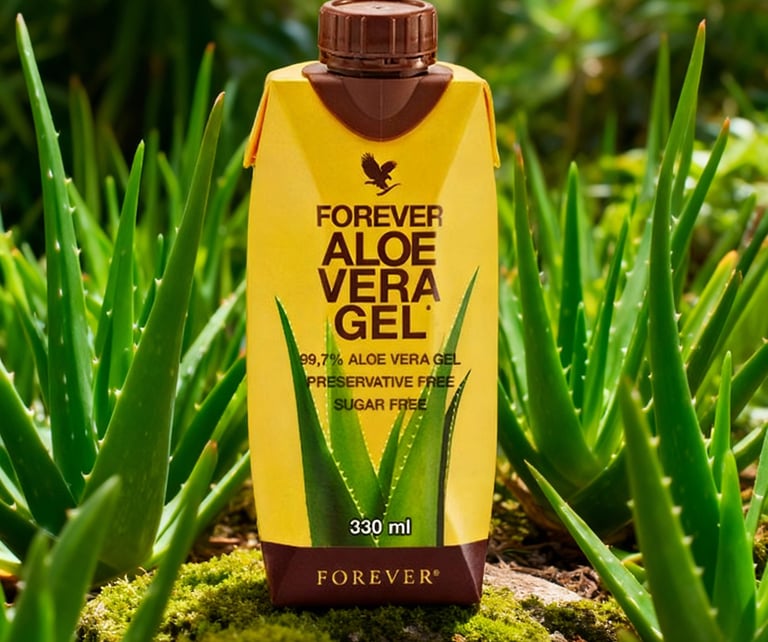
Forever Living offers pure aloe vera gel products for both internal consumption and topical application. These provide convenient ways to incorporate aloe into your wellness routine as part of a comprehensive approach to healthy living.
Important Medical Note: This article discusses aloe vera for general wellness support, not medical treatment. While aloe vera has been studied for various health applications and some research shows promising results, it is not a cure for diseases or a replacement for medical care. The benefits discussed here represent traditional uses and emerging research, but individual responses vary significantly. If you have digestive issues, skin conditions, blood sugar concerns, or other health problems, consult a healthcare provider for proper diagnosis and evidence-based treatment. The information here is for educational purposes only and does not replace professional medical advice.
Key Takeaways
Aloe vera contains over 75 potentially active compounds including vitamins, minerals, enzymes, and polysaccharides
Research supports topical use for minor burns, wound healing, and skin hydration
Internal use may support digestive comfort and regularity for some people, though research is mixed
Quality and processing methods significantly affect aloe vera product effectiveness
Forever Aloe Vera Gel provides high-concentration inner leaf gel (96.2% aloe)
Not everyone experiences benefits—individual responses vary widely
Certain populations should avoid internal aloe (pregnant/nursing women, children, people with certain medical conditions)
Realistic expectations and patience are essential (benefits typically appear after 2-4+ weeks of consistent use)
Understanding Aloe Vera: The Plant and Its Components
Aloe vera (Aloe barbadensis miller) is a succulent plant species that stores water in its thick, fleshy leaves. When you cut an aloe leaf, you'll find two distinct substances: a yellow sap near the outer rind and a clear, gel-like substance in the inner leaf.
These two components have very different properties and uses.
Aloe Latex vs. Aloe Gel: Critical Differences
Aloe latex (also called aloe juice):
Yellow-brown substance found just under the leaf skin
Contains anthraquinones, particularly aloin
Has strong laxative effects
Can cause cramping and diarrhea
Long-term use associated with potential health risks
Generally not recommended for internal consumption
Aloe gel (inner leaf gel):
Clear, mucilaginous substance from the inner part of the leaf
Contains polysaccharides (particularly acemannan), vitamins, minerals, enzymes, amino acids
Traditionally used both topically and internally for various purposes
Generally considered safe when properly processed to remove aloin
The form used in quality drinking aloe products like Forever Aloe Vera Gel
Critical Quality Issue: Whole-leaf aloe products may contain aloin, which can cause adverse effects. Quality products use careful processing to extract inner leaf gel while excluding the latex portion.
Active Compounds in Aloe Vera Gel
Research has identified over 75 potentially active compounds in aloe vera gel:
Polysaccharides:
Particularly acemannan (also called aloverose)
Large, complex sugar molecules
Thought to be responsible for many of aloe's potential immune-modulating and anti-inflammatory effects
May support beneficial gut bacteria
Vitamins:
Vitamin C (antioxidant, supports immune function)
Vitamin E (antioxidant)
B vitamins including B12 (though amounts vary)
Vitamin A precursors (beta-carotene)
Minerals:
Calcium, magnesium, zinc, selenium, chromium
Present in trace amounts
Enzymes:
Bradykinase (may help reduce inflammation when applied to skin)
Other enzymes that may support digestion
Amino acids:
Contains 7 of 8 essential amino acids
Though not a significant protein source
Fatty acids:
Plant sterols with anti-inflammatory properties
Antioxidants:
Various compounds that neutralize free radicals
Important Context: While aloe contains all these compounds, quantities vary based on growing conditions, plant age, processing methods, and storage. The presence of a compound doesn't automatically mean therapeutic levels exist in any given product.
Traditional Uses Across Cultures
Aloe vera has been used medicinally for at least 6,000 years:
Ancient Egypt: Called the "plant of immortality," used in embalming and as a beauty treatment. Legend says Cleopatra used aloe in her skincare routine.
Ancient Greece: Physician Alexander the Great reportedly carried aloe to treat soldiers' wounds.
Traditional Chinese Medicine: Used for skin conditions and as a "cooling" herb for excess heat conditions.
Ayurvedic Medicine: Considered rejuvenating, used for digestive support and skin health.
Native American cultures: Various tribes used aloe for wound healing and skin ailments.
Modern use: Widespread in cosmetics, skincare, and increasingly as a health beverage.
Cultural Practice Example: In Mexican folk medicine, aloe vera (sábila) is commonly used as a remedy for digestive discomfort and diabetes management. My neighbor growing up was from Mexico—her grandmother always had aloe plants and would make fresh aloe water with lime for anyone with an upset stomach. While this doesn't prove medical efficacy, it illustrates aloe's deep cultural roots in traditional healing.
Research on Topical Aloe Vera Uses
The strongest scientific evidence for aloe vera involves topical (external) applications, particularly for skin conditions.
Burns and Wound Healing
Minor burns: This is one of the most well-researched aloe applications. Multiple studies suggest aloe vera gel may accelerate healing of first- and second-degree burns compared to conventional treatments or placebo.
A meta-analysis examining nine studies found that burn wounds treated with aloe vera healed approximately 9 days faster than those treated with conventional dressings
Aloe appears to work by promoting collagen production, increasing blood flow to the injured area, and reducing inflammation
Most effective when applied soon after burn injury
Wound healing: Research on aloe for wound healing shows mixed results:
Some studies suggest improved healing for surgical wounds and minor cuts
Other studies show no significant benefit compared to standard wound care
May be most beneficial for superficial wounds rather than deep injuries
Important caveats:
Research uses standardized aloe preparations—commercial products vary widely
Aloe should not replace proper medical care for serious burns or wounds
Deep burns, large burns, or infected wounds require professional treatment
.
Skin Hydration and Anti-Aging
Moisturizing effects: Aloe vera's mucilaginous polysaccharides help skin retain moisture:
Studies show topical aloe increases skin hydration
May improve skin elasticity
Creates a protective barrier on skin surface
Anti-aging claims: Research is limited but somewhat promising:
One study in women over 45 found that oral aloe vera supplementation increased collagen production and improved skin elasticity after 90 days
Another study showed reduced facial wrinkles with topical aloe
Effects are modest—not dramatic transformation
Mechanism: Aloe may stimulate fibroblast cells that produce collagen and elastin. The antioxidants may protect against oxidative damage contributing to aging.
Important reality check: Aloe is not a miracle anti-aging solution. Sun protection (daily SPF) has far more impact on preventing skin aging than any supplement or topical product. Genetics, lifestyle, and overall health significantly influence aging appearance.
Skin Conditions
Psoriasis: Some research suggests aloe vera cream may reduce scaling and redness:
A study found that 0.5% aloe extract cream was more effective than placebo for treating psoriasis
Effects were modest but statistically significant
Not effective for everyone
Acne: Limited research with mixed results:
Aloe's antibacterial and anti-inflammatory properties theoretically could help
One small study combining aloe gel with tretinoin cream showed better results than tretinoin alone
More research needed
Eczema: Very limited research; anecdotal reports of soothing effects but no strong scientific evidence
Seborrheic dermatitis: One study found aloe gel reduced scaling, itching, and affected skin areas
Oral Health
Gingivitis and periodontitis: Some research suggests aloe mouthwash may reduce dental plaque and gingivitis:
Studies comparing aloe mouthwash to chlorhexidine (prescription antimicrobial) show comparable plaque reduction
Aloe's antibacterial properties may reduce harmful oral bacteria
Less irritating than some conventional mouthwashes
Canker sores: Limited research suggests aloe gel may speed healing and reduce pain of aphthous ulcers (canker sores)
Important note: Aloe should complement, not replace, regular brushing, flossing, and dental care.
Research on Internal Aloe Vera Uses
Evidence for drinking aloe vera gel is more limited and mixed compared to topical uses. Some traditional uses have preliminary research support; others lack scientific validation.
Digestive Health
Constipation relief: This relates primarily to aloe latex (the yellow sap), not inner leaf gel:
Aloe latex contains aloin, a powerful stimulant laxative
Effective for short-term constipation relief
Long-term use associated with dependence, electrolyte imbalances, and potential colon damage
Most health authorities recommend against regular use of aloe latex as a laxative
Inner leaf gel for digestive comfort: Much weaker laxative effect, if any:
Some people report improved regularity with daily aloe vera gel consumption
May result from hydration, dietary fiber (if consuming aloe pieces), or mild effects on gut motility
Individual responses vary widely
Irritable Bowel Syndrome (IBS): Limited research with mixed results:
One study found aloe vera gel reduced IBS symptoms (particularly pain and discomfort) in some patients
Other studies showed no significant benefit
May be more helpful for IBS-C (constipation-predominant) than IBS-D (diarrhea-predominant)
Inflammatory Bowel Disease (IBD): Very preliminary research:
Some small studies suggest aloe may reduce symptoms in ulcerative colitis
Not enough evidence to recommend as treatment
Should never replace medical management of IBD
Mechanism theories: Aloe's polysaccharides may:
Support beneficial gut bacteria (prebiotic effect)
Reduce intestinal inflammation
Soothe irritated digestive tract lining
Support mucus production protecting gut lining
Real Example: I started taking Forever Aloe Vera Gel (2 oz twice daily) somewhat skeptically after chronic mild digestive discomfort. Within two weeks, I noticed more comfortable, regular bowel movements. Was it the aloe? Better hydration from drinking it? Placebo effect? Honestly, I don't know for certain. But I felt better, so I continued. Three years later, I still take it daily. My gastroenterologist said, "If it helps and isn't causing problems, keep doing it"—acknowledging that we don't fully understand why some people benefit while others don't.
Blood Sugar Management
Diabetes research: Several studies have examined aloe for blood sugar control with mixed but somewhat promising results:
A meta-analysis of eight studies found that oral aloe vera might reduce fasting blood glucose and HbA1c (long-term blood sugar marker) in people with prediabetes or type 2 diabetes
Effects were modest and varied between studies
Mechanisms aren't fully understood but may involve improved insulin sensitivity
Important cautions:
Aloe is NOT a diabetes treatment or replacement for medication
Some studies show no significant effect
Aloe could potentially interact with diabetes medications, causing blood sugar to drop too low
Anyone with diabetes considering aloe should consult their healthcare provider and monitor blood sugar closely
More research needed before recommendations can be made
Questions to Ask Your Doctor About Aloe and Blood Sugar:
Could aloe interact with my diabetes medications?
Should I monitor my blood sugar more frequently if I start taking aloe?
What blood sugar changes should prompt me to contact you?
Are there better-researched options for improving my blood sugar control?
Immune Function
Acemannan's immune effects: Laboratory and animal studies suggest aloe's acemannan polysaccharide may:
Stimulate macrophages (immune cells that engulf pathogens)
Increase production of immune signaling molecules (cytokines)
Have antiviral properties against some viruses
Human research: Very limited
No strong evidence that drinking aloe prevents colds, flu, or other infections
Marketing claims about "boosting immunity" are not well-supported by research
Important reality check: "Boosting immunity" is an oversimplified concept. A properly functioning immune system doesn't need "boosting"—it needs balance. Excessive immune activation can cause autoimmune problems. Aloe is not an immune system cure-all.
Antioxidant and Anti-Inflammatory Effects
Laboratory studies: Aloe vera compounds demonstrate antioxidant activity in test tubes and animal studies:
Various polyphenols and other compounds neutralize free radicals
May reduce inflammatory markers in animal models
Human studies: Limited
Some research shows reduced inflammatory markers in people consuming aloe
Magnitude of effect and clinical significance unclear
Context: Many foods and beverages contain antioxidants. Colorful fruits and vegetables, green tea, nuts, and whole grains provide diverse antioxidants. Aloe may contribute to antioxidant intake but isn't uniquely powerful compared to a varied, plant-rich diet.
Weight Management
Marketing claims vs. research: Aloe is sometimes marketed for weight loss, but scientific support is minimal:
No strong evidence that aloe causes weight loss
Any weight changes likely result from improved digestion, better hydration, or dietary changes people make alongside aloe consumption
Not a weight loss solution
Real Example: A friend started drinking aloe vera gel hoping for weight loss she'd read about online. After two months with no weight change, she was disappointed. I explained that the research doesn't really support weight loss claims—any results people experience probably come from overall healthier habits adopted alongside aloe use, not aloe itself. Managing expectations based on actual evidence prevents disappointment.
Forever Aloe Vera Gel: Quality and Purity
Not all aloe vera products are equal. Processing methods, aloe concentration, and quality control significantly affect whether products deliver potential benefits.
The Forever Difference: Stabilization Process
Fresh aloe vera gel begins degrading immediately after harvest due to oxidation and microbial activity. Forever Living's patented stabilization process preserves aloe's beneficial compounds without heat (which can denature enzymes and proteins) or excessive processing.
Key features:
96.2% inner leaf aloe vera gel (one of the highest concentrations available in drinking aloe)
Stabilized to preserve active compounds
Vitamin C added as antioxidant preservative (also supports immune function)
No aloin (the irritating laxative compound from aloe latex)
Certified by International Aloe Science Council (IASC)
Why concentration matters: Many aloe drinks contain only 10-30% aloe vera, diluted with water, juice, and sweeteners. Higher concentration means more polysaccharides and active compounds per serving.
International Aloe Science Council Certification
The IASC is an independent organization that certifies aloe products for quality and purity:
Tests aloe content and purity
Verifies minimal aloin levels
Ensures proper processing
Forever Aloe Vera Gel carries IASC certification
Real Example: Before discovering Forever Aloe Vera Gel, I tried several grocery store aloe drinks. Most tasted like watered-down aloe with lots of added sugar and listed aloe as the third or fourth ingredient. When I switched to Forever Aloe Vera Gel with 96.2% aloe concentration, the difference was dramatic—thicker, more substantial, and I noticed digestive improvements I hadn't experienced with diluted products. Quality and concentration really do matter.
Three Forever Aloe Varieties
Forever Living offers three aloe vera gel beverages, all with the same high aloe concentration but different flavor profiles:
Forever Aloe Vera Gel (original):
Pure aloe taste (slightly tart, clean)
96.2% aloe vera gel
Vitamin C added
No other juices or flavors
Best for those who prefer pure, unflavored aloe or want to mix it into smoothies
Aloe vera gel plus cranberry and apple juice concentrate
90.7% aloe, with the difference being natural fruit juices
Slightly sweeter, more palatable for those who don't enjoy pure aloe taste
Cranberry supports urinary tract health
Aloe vera gel plus peach puree and concentrate
84.5% aloe, with the difference being natural peach
Mild, pleasant peach flavor
Good option for variety
Choosing which one: All three provide high-quality aloe. Choose based on taste preference and whether you want additional fruit benefits. I keep Forever Aloe Vera Gel (original) for mixing into morning smoothies and Forever Aloe Berry Nectar for drinking straight in the afternoon. Variety helps me stay consistent.
How to Use Forever Aloe Vera Gel
If you decide to try aloe vera gel for wellness support, consistency and proper dosing matter for potential benefits.
Recommended Dosage and Timing
General wellness dosage: 2-4 oz (60-120 ml) once or twice daily
Timing options:
Morning on empty stomach: Traditional recommendation; some believe absorption is best when stomach is empty
Before meals: May support digestion
Anytime: Ultimately, consistency matters more than precise timing
Starting slowly: If you're new to aloe, start with 1-2 oz daily for a few days to assess tolerance, then gradually increase to desired amount. This reduces likelihood of digestive upset during adjustment period.
Consistency is key: Benefits, when they occur, typically appear after 2-4+ weeks of daily use. Sporadic use is unlikely to produce noticeable results.
Sample Daily Routine:
Morning (upon waking): 2 oz Forever Aloe Vera Gel straight or mixed in water/smoothie
Breakfast: Regular nutritious meal
Afternoon: Another 2 oz if desired (I do this before lunch)
Evening: Continue regular healthy habits
Practical Tip: I pour my morning aloe dose into a small glass the night before and leave it in the fridge. First thing when I wake up—before even making coffee—I drink it. This habit-stacking (doing it before my established coffee routine) ensures I never forget. On days I travel, I bring small bottles to maintain consistency.
What to Expect (Realistic Timeline)
Week 1: You likely won't notice anything dramatic. Your body is adjusting. Some people experience mild digestive changes (looser stools or increased frequency) as their system adapts—this typically resolves within a few days.
Weeks 2-3: Early responders may notice subtle digestive comfort improvements—less bloating, more regular bowel movements, reduced discomfort after meals. Others still notice nothing—this is normal.
Weeks 4-6: If you're going to notice digestive benefits, they typically become apparent during this period. More consistent energy throughout the day (potentially from better digestion and nutrient absorption) may also occur.
Weeks 8-12: Skin-related benefits (if they occur) typically take longer. Some people report improved skin hydration or texture during this timeframe, though it's difficult to isolate aloe's effect from other factors.
Beyond 3 months: At this point, honestly assess whether you've noticed clear benefits. If yes, continue. If you genuinely notice no difference after 3 months of consistent use, aloe may not provide noticeable benefits for you personally—and that's okay. Individual responses vary.
Important Reality Check: Not everyone experiences dramatic benefits. Some notice subtle improvements. Others notice nothing at all. This variation is normal and reflects individual differences in digestive health, microbiome, absorption, baseline nutritional status, and overall health.
Maximizing Potential Benefits
Hydration: Drink plenty of water throughout the day (8-10 glasses). Aloe works better when overall hydration is adequate.
Nutrition: Eat a balanced, varied diet rich in fruits, vegetables, whole grains, and lean proteins. Aloe complements good nutrition; it doesn't compensate for poor diet.
Stress management: Chronic stress negatively impacts digestion and overall health. Aloe may help, but stress management (meditation, exercise, adequate sleep) is equally important.
Sleep: Aim for 7-9 hours nightly. Poor sleep disrupts digestive function and overall health.
Limit alcohol and processed foods: Both can irritate the digestive system and promote inflammation. Aloe helps more when you're not simultaneously irritating your system.
Physical activity: Regular movement supports healthy digestion and circulation. Even daily 30-minute walks make a difference.
Common Mistake: Expecting aloe to compensate for terrible habits. I used to drink aloe while eating fast food regularly, barely sleeping, and stressed constantly. I noticed minimal benefits. When I improved my overall lifestyle—better sleep, less processed food, stress management—the aloe seemed more effective. Supplements support health; they don't replace healthy living.
Topical Aloe Vera Gel for Skin
While this article focuses primarily on internal aloe use, topical applications deserve mention given the strong research support.
Forever Aloe Vera Gelly
Forever Aloe Vera Gelly is a thick, clear gel containing 84.5% stabilized aloe vera gel designed for topical application.
Uses supported by research or traditional use:
Minor burns (including sunburn)
Small cuts and scrapes
Skin irritation or inflammation
Dry skin and eczema (as soothing support, not replacement for medical treatment)
After-sun care
General skin hydration
Minor insect bites
How to use:
Apply liberally to affected area
Reapply 2-4 times daily or as needed
For burns: Apply after cooling the burn under running water
For dry skin: Apply after bathing to damp skin, then seal with moisturizer if needed
Storage: Refrigerate after opening for cooling effect (feels especially good on sunburns!)
Real Example: I keep Forever Aloe Vera Gelly in my bathroom, kitchen (for burns), and travel bag. Last summer, I got a bad sunburn despite sunscreen (lesson learned about reapplication!). I applied chilled Aloe Vera Gelly every few hours. It provided immediate cooling relief and the burn healed with less peeling than previous sunburns. I credit both the aloe and better burn care overall.
Forever Aloe Moisturizing Lotion
Contains aloe vera plus other moisturizing ingredients for daily skin hydration:
Collagen and elastin for skin suppleness
Jojoba oil and vitamin E for moisturization and antioxidant protection
Suitable for face and body
Use: Apply daily after bathing or as needed for skin hydration
Forever Aloe Propolis Creme
Combines aloe vera with bee propolis (a resinous substance bees make with antimicrobial properties):
Chamomile for soothing
Vitamins A and E
Traditional use for skin irritation, minor wounds, dry skin
Use: Apply to specific areas of concern or as all-over moisturizer
Choosing between products:
Aloe Vera Gelly: First-aid applications, immediate soothing, very irritated skin
Aloe Moisturizing Lotion: Daily all-over moisturization
Aloe Propolis Creme: Targeted application to specific dry or irritated areas
Safety Considerations and Contraindications
While aloe vera gel (properly processed inner leaf, minimal aloin) is generally considered safe for most people, certain populations should avoid it or use it cautiously.
Who Should Avoid Internal Aloe
Pregnant women:
Aloe latex (high aloin) can stimulate uterine contractions
Even aloe gel may pose theoretical risks
Not enough research to confirm safety during pregnancy
Recommendation: Avoid internal aloe during pregnancy
Breastfeeding women:
Components may pass into breast milk
Limited safety research
Recommendation: Avoid internal aloe while nursing
Children:
Safety not well-established in children
Risk of diarrhea and electrolyte imbalances
Recommendation: Don't give internal aloe to children without pediatrician approval
People with intestinal conditions:
Crohn's disease, ulcerative colitis, intestinal obstruction, appendicitis
Aloe could worsen some intestinal conditions
Consult gastroenterologist before use
People scheduled for surgery:
Aloe might affect blood sugar control during and after surgery
Recommendation: Stop taking aloe at least 2 weeks before scheduled surgery
People with kidney problems:
Long-term use of aloe latex (not inner leaf gel) associated with kidney damage
Even aloe gel should be used cautiously with kidney disease
Consult nephrologist
Questions to Ask Your Doctor Before Starting Aloe:
Is internal aloe safe given my medical conditions?
Could aloe interact with my medications?
Should I monitor anything specific while taking aloe?
Are there better-researched alternatives for my health goals?
What symptoms should prompt me to stop aloe and contact you?
Potential Medication Interactions
Diabetes medications:
Aloe might lower blood sugar
Combined with diabetes medications, could cause hypoglycemia (dangerously low blood sugar)
Careful monitoring and potential medication adjustment needed
Diuretics (water pills):
Particularly aloe latex can cause potassium loss
Combined with potassium-wasting diuretics, could cause dangerous potassium depletion
Even aloe gel should be used cautiously with diuretics
Heart medications (digoxin):
Low potassium (from aloe latex use) increases digoxin toxicity risk
Interaction unlikely with properly processed aloe gel (minimal aloin) but worth noting
Laxatives:
Don't combine aloe latex with other laxatives (excessive diarrhea, electrolyte imbalances)
Aloe gel (minimal laxative effect) still should be used cautiously with laxatives
Blood-thinning medications (warfarin, aspirin):
No well-documented interaction, but theoretical concern exists
Inform your doctor if taking blood thinners
Corticosteroids:
Long-term use can deplete potassium
Combined with aloe latex (also depletes potassium) could be problematic
Less concern with properly processed aloe gel
Important: Always inform healthcare providers about ALL supplements you take, including aloe. What seems "natural" and harmless can still interact with medications.
Possible Side Effects
Digestive effects (most common):
Diarrhea or loose stools (particularly when first starting or taking too much)
Abdominal cramping
Gas or bloating
Nausea (rare)
Management: Start with small amounts (1-2 oz daily) and increase gradually. If symptoms persist, reduce dosage or discontinue.
Allergic reactions (rare):
Skin rash or hives
Itching
Difficulty breathing (very rare, serious—seek emergency care)
People allergic to plants in the Liliaceae family (garlic, onions, tulips) may be more likely to react to aloe
Electrolyte imbalances (primarily with aloe latex, rare with inner leaf gel):
Potassium depletion with long-term excessive use
Can cause muscle weakness, irregular heartbeat
Liver effects (extremely rare, poorly documented):
A few case reports of liver inflammation with aloe consumption
Causation unclear
If you develop yellowing skin/eyes, dark urine, or abdominal pain while taking aloe, discontinue and seek medical care immediately
Real Example: When I first started drinking aloe, I enthusiastically took 4 oz twice daily from day one. I experienced mild cramping and looser stools for several days. I reduced to 1 oz twice daily and gradually increased over two weeks. This time, no issues. I learned that "start low and go slow" isn't just a cliché—it's practical wisdom for introducing any new supplement.
What Aloe Cannot Do: Managing Expectations
Marketing for aloe vera products sometimes makes exaggerated or misleading claims. Understanding limitations helps prevent disappointment and ensures you don't rely on aloe when medical care is needed.
Aloe Is Not a Cure for Diseases
Aloe vera does not cure:
Cancer (despite internet claims—this is dangerous misinformation)
Diabetes (may help with blood sugar management alongside medical treatment, but is not a cure or replacement for medication)
Inflammatory bowel disease (IBD)
Autoimmune conditions
Chronic diseases
Infections
If you have a medical condition, aloe may provide supportive benefits but NEVER replaces proper medical diagnosis and evidence-based treatment.
Aloe Is Not a "Detox" or "Cleanse"
Marketing sometimes positions aloe as a "detoxifying" or "cleansing" product. This is misleading:
Your liver and kidneys efficiently process and eliminate waste products—they don't need help from aloe
"Toxins" stored in tissues requiring special removal don't exist in the way marketing suggests
Any "cleansing" effects result from improved hydration, mild laxative effects (if present), or placebo effect
Aloe provides nutrition and hydration. It supports normal bodily functions. It doesn't "cleanse" your body of mysterious toxins.
Aloe Doesn't Replace Healthy Lifestyle
Some people treat aloe as a magic bullet that allows them to maintain poor habits while expecting health improvements:
Aloe won't compensate for terrible diet, chronic sleep deprivation, sedentary lifestyle, or excessive stress
It's ONE piece of a comprehensive wellness approach, not a cure-all
Use aloe as part of a healthy lifestyle, not instead of one.
Individual Results Vary Tremendously
Common Mistake: Expecting that because someone else experienced dramatic benefits, you'll have identical results:
Your friend might have significant digestive improvements from aloe
You might notice nothing after months of consistent use
Both experiences are valid
Factors affecting individual response:
Baseline digestive health (those with poor digestion may notice more improvement)
Gut microbiome composition
Overall nutrition and lifestyle
Genetics affecting how you metabolize aloe compounds
Placebo effect (real and powerful—not imaginary!)
Consistency of use
Real Example: Three friends and I started Forever Aloe Vera Gel simultaneously as an experiment. Friend A had dramatic improvements in chronic digestive issues. Friend B noticed subtle energy improvements. Friend C felt nothing after 3 months and stopped. I had moderate digestive benefits. We all took the same product, same dosage, but had four different experiences. This taught me that supplements aren't one-size-fits-all, and that lack of response doesn't mean the product doesn't work—it means it doesn't work for that individual.
Complementary Forever Living Products
While aloe vera gel can be used alone, combining it with complementary products addresses multiple aspects of wellness.
Forever Living Probiotics
Why probiotics complement aloe:
Aloe's polysaccharides may have prebiotic effects (feeding beneficial bacteria)
Probiotics provide live beneficial bacteria that support digestive health
Together, they may optimize gut microbiome balance
Gut health impacts overall wellness, immune function, and even skin health
How to use together: Take Forever Living Probiotics as directed (typically 1 capsule daily) alongside your daily aloe vera gel routine
Forever Absorbent-C
Why vitamin C complements aloe:
Vitamin C is used as a preservative in Forever Aloe Vera Gel, but additional supplementation ensures optimal intake
Powerful antioxidant that complements aloe's antioxidant compounds
Essential for immune function, collagen synthesis, and overall health
Supports skin health from within (relevant if using aloe for skin benefits)
How to use: Take as directed on label for comprehensive antioxidant support
Forever Daily
Why comprehensive nutrition matters:
Aloe provides specific compounds but isn't a complete source of vitamins/minerals
Forever Daily fills nutritional gaps ensuring your body has everything needed for optimal function
B vitamins support energy metabolism and digestive health
Minerals support numerous body processes including immune function
How to use: 4 tablets daily with meals provides nutritional foundation supporting overall wellness
Forever Aloe Vera Gel + Forever Lite Ultra Combination
For comprehensive wellness support:
Forever Lite Ultra provides high-quality protein (17g per serving)
Adequate protein supports tissue repair, immune function, and overall health
Combine in smoothies for nutrient-dense meal or snack
Sample Morning Smoothie:
2 oz Forever Aloe Vera Gel
1 scoop Forever Lite Ultra (vanilla or chocolate)
1 cup frozen berries
1 banana
1 cup unsweetened almond milk or water
Handful of spinach (optional—you won't taste it!)
Ice
Blend until smooth. This provides aloe's benefits plus protein, fiber, vitamins, minerals, and antioxidants—a nutritious meal replacement or substantial snack.
Real Example: I make this smoothie 4-5 mornings weekly. It's become my favorite breakfast—convenient, nutritious, and ensures I get both my daily aloe and adequate protein. On mornings I don't have time for a smoothie, I drink aloe straight and save the protein shake for post-workout later in the day.
Conclusion
Aloe vera has been used for thousands of years across diverse cultures for various health purposes. Modern research supports some traditional uses—particularly topical applications for burns, wound healing, and skin hydration—while other claims lack strong scientific evidence.
For internal use, research suggests aloe vera gel may support digestive comfort and regularity for some people, with preliminary evidence for blood sugar management and immune support. However, individual responses vary tremendously, and aloe is not a cure for diseases or replacement for medical care.
Forever Living offers high-quality aloe vera products—particularly Forever Aloe Vera Gel with 96.2% stabilized inner leaf aloe—that provide convenient ways to incorporate aloe into your wellness routine. Whether for internal consumption or topical application, quality and proper processing matter enormously for safety and potential effectiveness.
If you choose to try aloe vera for wellness support, approach it with realistic expectations. Commit to consistent daily use for at least 2-3 months before assessing benefits. Combine aloe with healthy lifestyle habits, proper hydration, nutritious diet, adequate sleep, stress management, and regular physical activity for optimal results.
Remember: Supplements support general wellness but don't prevent, treat, or cure diseases. They complement—not replace—proper medical care. If you have digestive issues, skin conditions, blood sugar concerns, or other health problems, consult a healthcare provider for proper diagnosis and evidence-based treatment. Individual results from aloe vera supplementation vary widely based on numerous factors. What works well for one person may not work for another—and that's okay.
FAQ
Is drinking aloe vera gel safe for everyone?
Aloe vera gel (properly processed inner leaf with minimal aloin) is generally safe for most healthy adults when consumed in moderate amounts (2-4 oz daily). However, certain populations should avoid it: pregnant or nursing women (safety not established), children (without pediatrician approval), people with intestinal conditions like Crohn's disease or ulcerative colitis, those scheduled for surgery within 2 weeks, and people with kidney problems. Anyone with medical conditions or taking medications should consult their healthcare provider before starting aloe, as interactions are possible particularly with diabetes medications and diuretics.
How much aloe vera gel should I drink daily?
Based on traditional use and research studies, 2-4 oz (60-120 ml) once or twice daily is a reasonable dosage range for general wellness support. Start with 1-2 oz daily for several days to assess tolerance, then gradually increase to your desired amount. More isn't necessarily better—excessive amounts may cause digestive upset. Consistency matters more than exact dosage. Take the same amount daily for at least 2-3 months to assess whether you experience benefits.
What's the difference between aloe vera gel and aloe vera juice?
This terminology can be confusing because it's used inconsistently. Technically, "aloe juice" often refers to the yellow latex (sap) from just under the leaf skin, which contains aloin—a strong laxative with potential health risks from long-term use. "Aloe gel" refers to the clear mucilaginous substance from the inner leaf. However, some companies market diluted aloe gel products as "juice." The critical factor is whether products contain inner leaf gel (good) with minimal aloin versus products containing aloe latex (not recommended for internal use). Forever Aloe Vera Gel is processed inner leaf gel with aloin removed—the safe, beneficial form.
Can aloe vera help with acid reflux or GERD?
Some people report that aloe vera gel soothes digestive discomfort including symptoms that might relate to acid reflux. However, research specifically on aloe for GERD (gastroesophageal reflux disease) is extremely limited. One small study suggested aloe might reduce GERD symptoms, but much more research is needed. If you have chronic acid reflux or GERD, consult a gastroenterologist for proper diagnosis and evidence-based treatment. Aloe may provide supportive benefits for some people but shouldn't replace medical management of GERD, which can lead to serious complications if inadequately treated.
Will aloe vera gel help me lose weight?
No strong scientific evidence supports aloe vera for weight loss. Any weight changes people experience while taking aloe likely result from improved digestion, better hydration, dietary changes made alongside aloe consumption, or placebo effect—not from aloe directly causing weight loss. Effective, sustainable weight management requires creating a modest calorie deficit through balanced, nutritious eating and regular physical activity. Aloe might support overall digestive health as one small piece of a comprehensive healthy lifestyle, but it's not a weight loss solution. Be skeptical of marketing making weight loss claims for aloe.
Can I use aloe vera from my houseplant instead of buying products?
You can use fresh aloe from houseplants topically for minor burns, cuts, or skin irritation—this is traditional use. However, for internal consumption, commercial products are safer and more reliable. Here's why: (1) It's difficult to completely separate inner gel from the yellow latex containing aloin—ingesting aloin causes cramping and diarrhea; (2) Fresh aloe begins degrading immediately upon cutting, losing beneficial compounds; (3) Homemade preparations have inconsistent potency; (4) Risk of bacterial contamination; (5) You'd need large amounts of fresh aloe for effective doses. Forever Aloe Vera Gel is stabilized to preserve active compounds, processed to remove aloin, and tested for purity—advantages you can't replicate at home.
How long can I take aloe vera gel safely?
Properly processed aloe vera gel (inner leaf, minimal aloin) like Forever Aloe Vera Gel appears safe for long-term use in healthy adults based on traditional use spanning thousands of years and safety studies. Many people take it daily for years without adverse effects. However, long-term safety research (studies tracking people for decades) is limited. If you experience any concerning symptoms while taking aloe, discontinue and consult your healthcare provider. Get regular check-ups monitoring overall health. If you have medical conditions, discuss long-term aloe use with your doctor to ensure it remains appropriate for your situation.
Can I take aloe vera gel if I have IBS?
Some research suggests aloe vera may reduce IBS symptoms, particularly for IBS-C (constipation-predominant IBS), though studies show mixed results. If you have IBS and want to try aloe, discuss with your gastroenterologist first. Start with a small amount (1-2 oz daily) and monitor symptoms carefully. Some people with IBS find aloe helpful for digestive comfort; others notice no benefit or experience worsening symptoms. Individual responses vary based on IBS type, triggers, and overall gut health. Aloe should complement—not replace—your gastroenterologist's recommended IBS treatment plan, which might include dietary modifications (low-FODMAP diet), stress management, medications, and other evidence-based interventions.
Does aloe vera gel need to be refrigerated?
Unopened Forever Aloe Vera Gel can be stored at room temperature in a cool, dry place. After opening, refrigeration is recommended to maintain freshness and extend shelf life, though it's not absolutely required for safety (the product is stabilized and preserved). Refrigeration doesn't affect aloe's beneficial properties. Many people prefer drinking chilled aloe—it tastes more refreshing cold. Refrigerated aloe typically maintains optimal quality for 1-2 months after opening. If aloe develops an off smell, unusual color, or visible mold, discard it. For Forever Aloe Vera Gelly (topical), refrigeration is optional but many people prefer the cooling sensation of chilled gelly applied to skin, especially for burns or sunburn.
Can aloe vera interact with medications I'm taking?
Yes, aloe vera can potentially interact with several medications. Most important interactions: (1) Diabetes medications—aloe might lower blood sugar, combined with medications could cause dangerous hypoglycemia; requires careful monitoring. (2) Diuretics (water pills)—particularly aloe latex can cause potassium loss; combined with potassium-wasting diuretics could cause dangerous potassium depletion. (3) Heart medications (digoxin)—low potassium from aloe latex increases digoxin toxicity risk. (4) Blood thinners—theoretical concern though not well-documented. (5) Laxatives—don't combine with aloe latex. Always inform ALL healthcare providers about every supplement you take, including aloe. What seems natural and harmless can still interact with medications in clinically significant ways.
Sources and References
For evidence-based information about aloe vera, its uses, and safety considerations, consult these authoritative sources:
National Center for Complementary and Integrative Health (NCCIH) - Aloe Vera: https://www.nccih.nih.gov/health/aloe-vera - U.S. government agency providing science-based information on complementary health approaches
National Institutes of Health (NIH) - MedlinePlus: https://medlineplus.gov/druginfo/natural/607.html - Comprehensive aloe vera information including uses, effectiveness, safety, and interactions
Memorial Sloan Kettering Cancer Center - About Herbs Database: https://www.mskcc.org/cancer-care/integrative-medicine/herbs/aloe-vera - Evidence-based information on aloe's uses and safety
Mayo Clinic - Drugs and Supplements: https://www.mayoclinic.org/drugs-supplements-aloe/art-20362267 - Medical information about aloe uses and precautions
International Aloe Science Council (IASC): https://www.iasc.org - Organization certifying aloe products for quality and purity; provides educational resources
Journal of Environmental Science and Health - Aloe Vera Research: Peer-reviewed research on aloe vera's chemical composition, biological activities, and therapeutic applications
Evidence-Based Complementary and Alternative Medicine: Peer-reviewed journal publishing research on aloe and other complementary approaches
Note: When researching aloe vera, look for peer-reviewed studies in reputable medical and scientific journals. Be aware that many studies are small, preliminary, or have methodological limitations. Industry-funded research (common with supplements) isn't automatically invalid but should be interpreted cautiously. Individual results vary significantly from study averages.
About the Author
Naddy is a wellness enthusiast and content creator behind Wellness With Forever. She focuses on simple, practical tips to support a healthy lifestyle through nutrition, movement, and mindful habits. Drawing on personal experience and ongoing research into health and wellness, she aims to break down complex topics into clear, easy-to-follow guidance.
Disclaimer: The information in this article is for educational purposes only and does not replace professional medical advice. These statements have not been evaluated by the Food and Drug Administration. Forever Living products are not intended to diagnose, treat, cure, or prevent any disease. Aloe vera supplements support general wellness but cannot cure diseases or replace medical care. Individual results from supplementation vary widely. Persistent digestive symptoms, skin conditions, blood sugar issues, or other health concerns require professional medical evaluation and treatment. Pregnant women, nursing mothers, children, people with medical conditions, and those taking medications should consult healthcare providers before using aloe vera internally. While aloe vera has traditional uses and some research support, it is not a substitute for evidence-based medical treatment. Always consult your doctor or qualified health professional before starting any new supplements, especially if you have medical conditions, take medications, are pregnant, or are nursing.
About Us
Follow
© 2025. WellnessWithForever
SUBSCRIBE